How Wearable Devices Can Help with Stress Management
28 May 2026
Let's be honest—stress is that uninvited guest that never seems to leave. It shows up during those last-minute deadlines, awkward family dinners, and yes, when your Wi-Fi decides to drop during a Zoom meeting. While we can't always control stress, we can manage it more effectively. And that’s where wearable devices step in like your personal stress-fighting sidekick.
From smartwatches that track your heart rate to fitness bands that nudge you when you're breathing like you're running a marathon—while just sitting at your desk—wearables are changing the game. So, let’s dive in and see how these tiny gadgets can make a big impact on your mental health.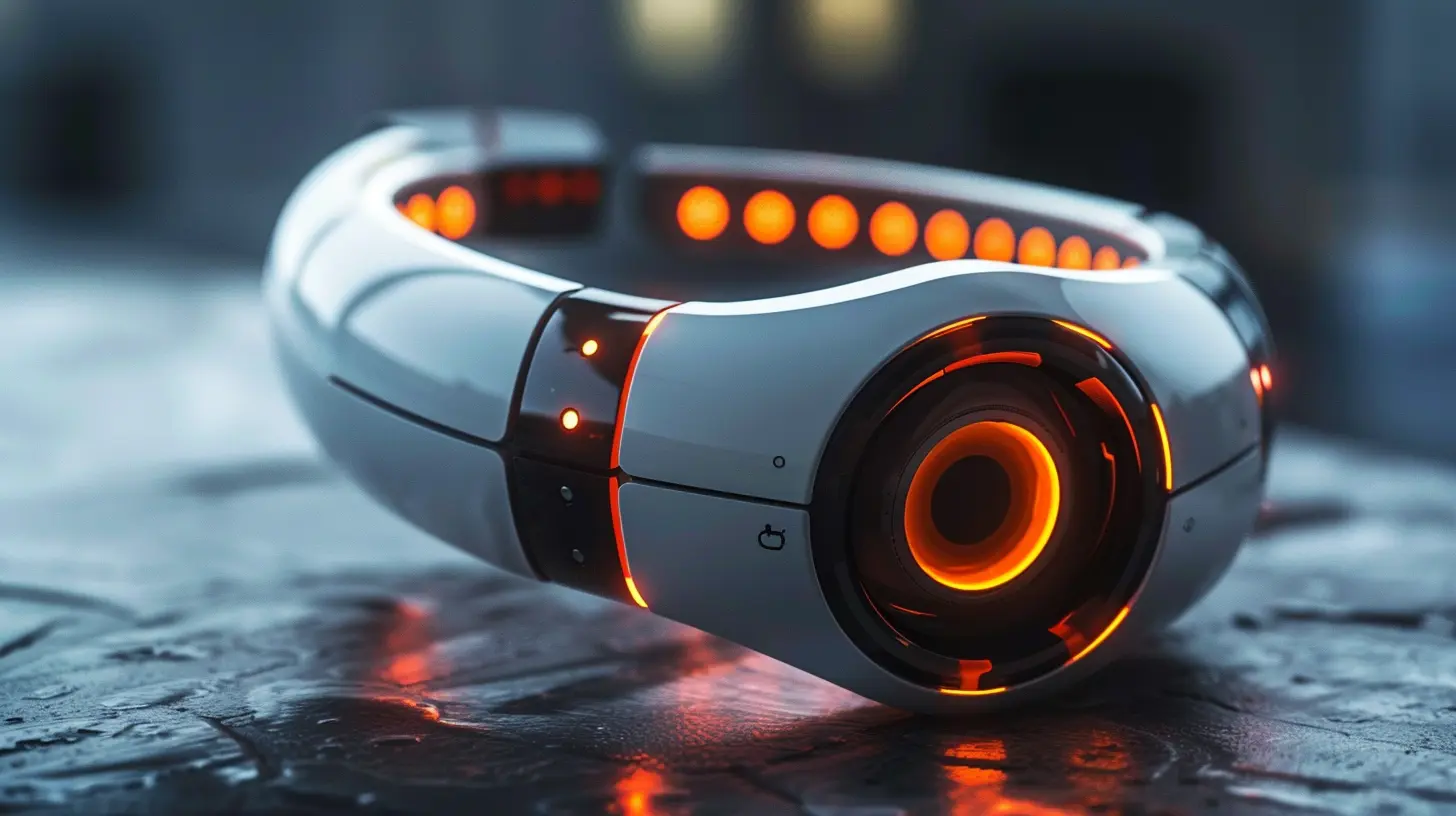
Why Stress Management Even Matters
Before we geek out over tech, it helps to understand why managing stress is so important. Chronic stress doesn't just make you grumpy; it's been linked to anxiety, depression, high blood pressure, heart diseases, and a host of other health problems.But here's the catch—most of us don’t even realize when our stress levels are peaking. That’s where wearables become your personal watchdogs, alerting you before the meltdown begins.
The Rise of Wearable Tech
It's wild to think that wearables were once considered futuristic. Fast forward to today, and they're practically mainstream. Whether it’s an Apple Watch, Fitbit, Garmin, Oura Ring, or Whoop Band—these gadgets aren't just counting your steps anymore. They're tapping into something way more personal: your stress.Thanks to sensors, biometrics, and a sprinkle of AI, modern wearables can measure:
- Heart Rate Variability (HRV)
- Skin temperature
- Breathing rate
- Sleep quality
- Blood oxygen levels
- Electrodermal activity (sweat response)
All these metrics help paint a pretty detailed picture of how stressed (or chill) you really are. Who knew your wrist could be that insightful?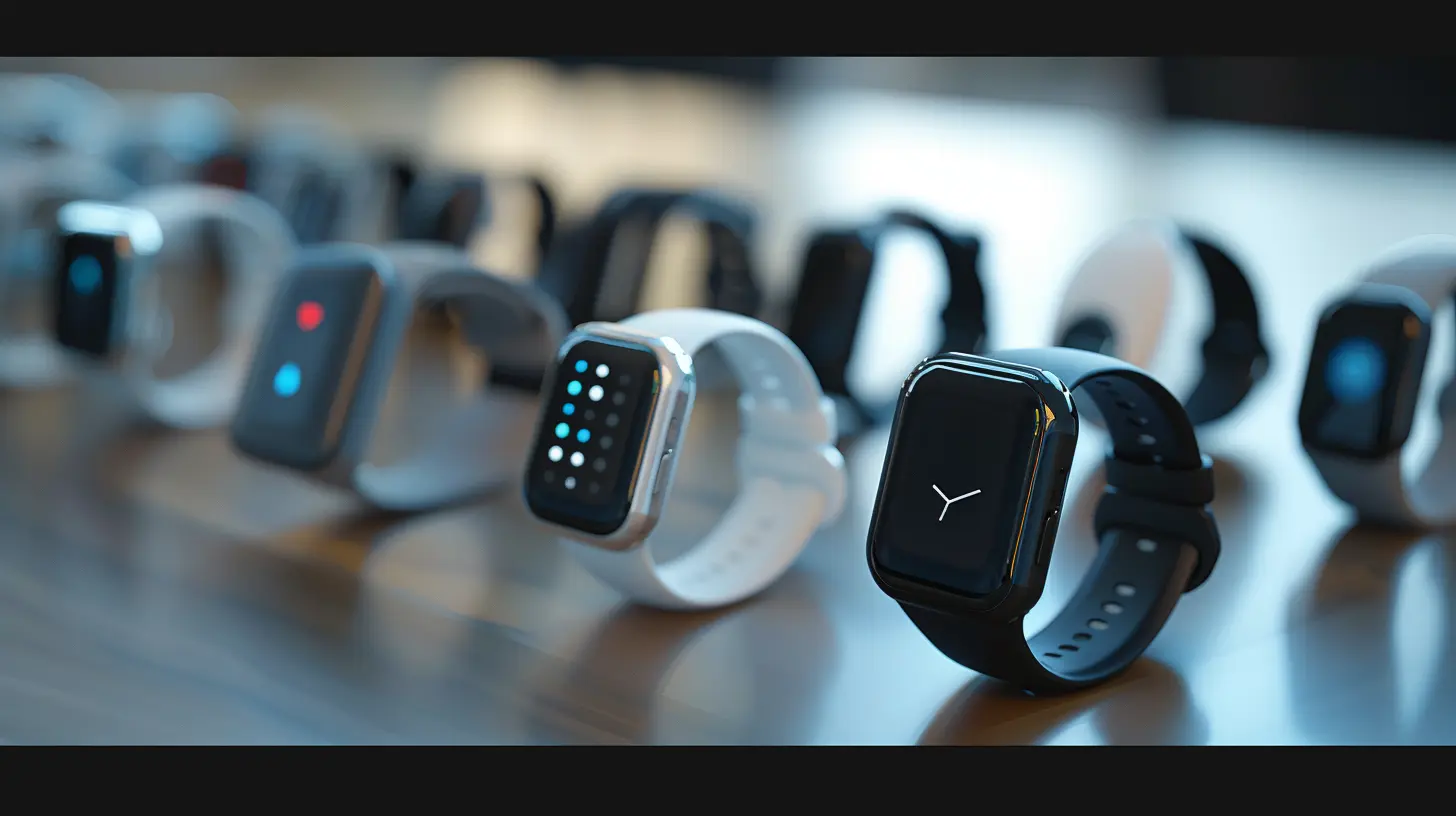
How Wearables Actually Measure Stress
Let’s dig a little deeper into how your wearable knows when you’re on the edge of a breakdown.1. Heart Rate Variability (HRV)
HRV is the time difference between heartbeats. A high HRV usually means your body is relaxed and ready to go, while a low HRV can be a sign of stress or fatigue. Most advanced wearables like the Apple Watch or Oura Ring track HRV around the clock, helping you understand when your body is under pressure.Think of HRV like your body’s mood ring. It doesn’t shout, “You're stressed!” but it whispers it through your heartbeat.
2. Breathing and Respiratory Rate
Ever notice how your breathing becomes shallow when anxious? Devices like Fitbit Sense and Garmin watches can track your breath per minute and alert you when you need to slow down and take a beat—literally.3. Electrodermal Activity (EDA)
Some wearables like the Fitbit Sense use EDA sensors to track the tiny electrical changes in your skin. These changes are caused by sweat gland activity, which increases when you’re stressed. It’s subtle, but it’s real.4. Sleep Tracking
Poor sleep and stress are basically best friends in all the worst ways. Wearables that offer in-depth sleep analysis can highlight how rest (or the lack of it) is affecting your stress levels. They’ll even remind you to get to bed earlier or create a wind-down routine.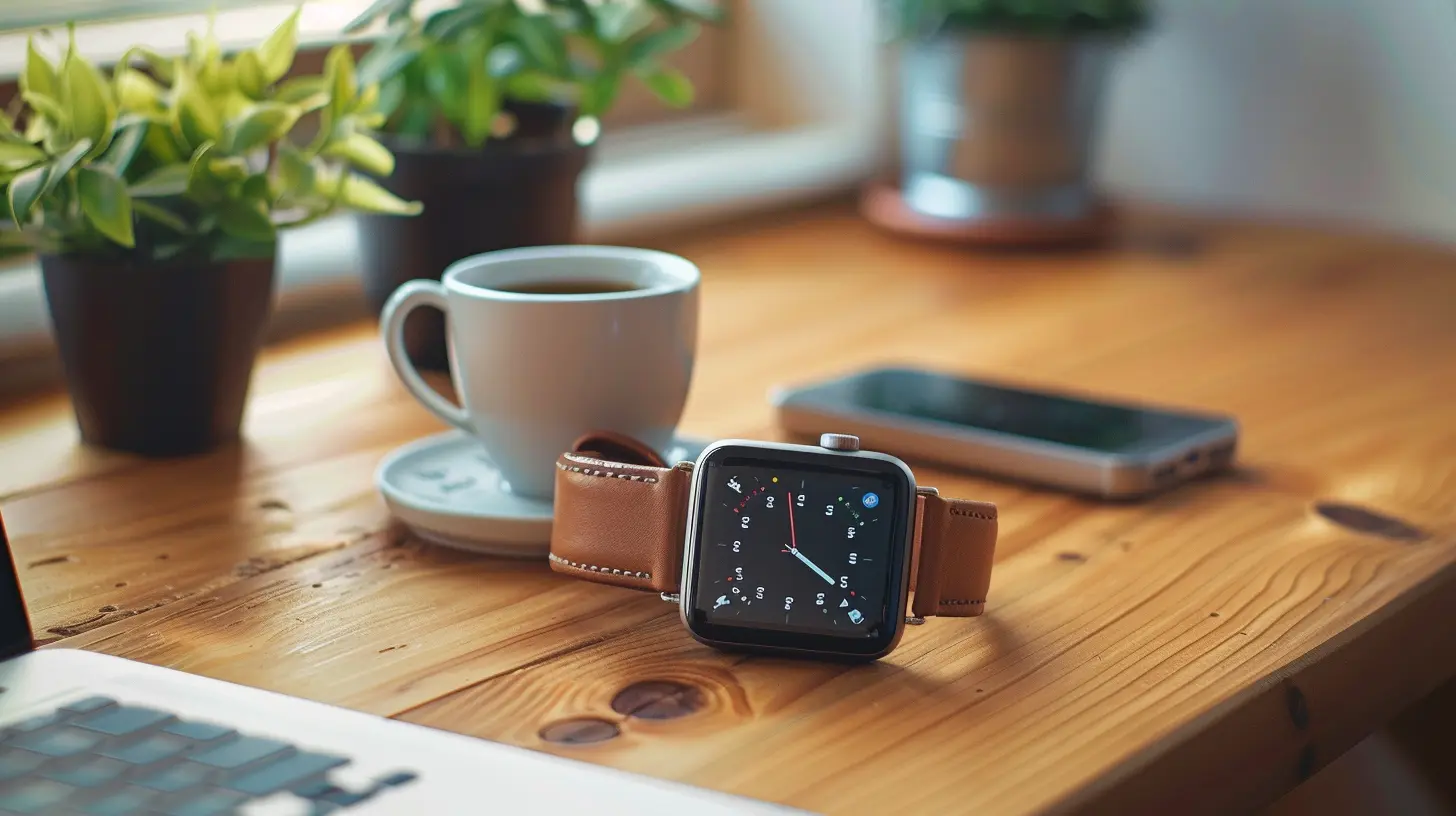
Real-Life Scenarios: When Wearables Step In
Let’s say you're prepping for a big presentation. You feel okay, but your smartwatch suddenly buzzes and shows a drop in HRV and a spike in heart rate. It immediately suggests a 2-minute breathing session. You accept, breathe deeply, and boom—your heart rate begins to settle.Or picture this: You’ve had three restless nights in a row. Your wearable picks up on this and nudges you to take it easy, recommending a lighter workout or skipping the third coffee. It’s like having a super chill best friend who also knows a lot about physiology.
Features That Help You Manage Stress (Not Just Measure It)
Sure, it's cool that your gadget can tell you you're stressed, but even better? It actually helps you do something about it. Most top-tier wearables come loaded with tools designed to calm your mind.✨ Guided Breathing Sessions
Most smartwatches now offer guided breathing exercises that take you through slow inhalations and exhalations. It’s like a mini meditation coach on your wrist.? Sleep Recommendations
If your device notices poor sleep quality, it might suggest you adjust your bedtime or stop scrolling TikTok an hour earlier (listen, we all do it).? Daily Stress Scores
Wearables often compile data into a simple “stress score” that you can check like a mood ring of your current state. It helps you connect the dots—like noticing that every Monday morning has a red flag.? Mindfulness Reminders
Whether it's a nudge to stand up and stretch or a gentle ping to take a moment of mindfulness, these reminders can ground you, even in the middle of a crazy day.Top Wearables for Stress Management
Thinking of investing in a wearable? Here are some front-runners when it comes to stress tracking and management:1. Apple Watch Series 9
Packed with HRV tracking, mindfulness apps, and sleep monitoring. It also integrates with Apple’s Health app, giving you a full view of your wellness.2. Fitbit Sense 2
A solid choice for stress tracking—especially with its EDA sensor, stress management score, and guided relaxation tools.3. Oura Ring
A sleek, ring-shaped tracker that offers robust sleep and recovery data, with a focus on HRV and readiness scoring.4. Garmin Vivosmart 5
Great for fitness-focused folks, but it also tracks stress levels using HRV and offers breathing exercises.5. Whoop 4.0
This one’s for the hardcore performance buffs. No screen, but it delivers deep data analysis on stress, recovery, sleep, and strain.Why Real-Time Feedback Matters
One of the biggest benefits of wearables is the real-time feedback. In the past, you might not know you were stressed until you snapped at your barista for messing up your latte. Now, your smartwatch might pick up changes in your vitals and suggest a break before you go full “hangry mode.”It’s like having a coach whispering, “Hey, you’re running hot. Chill for a sec.”
Data-Driven Decisions for a Calmer You
Here’s the beauty of wearable data—it gives you the power. Over time, patterns start to emerge. Maybe you notice that big meetings on Wednesdays spike your stress, or that post-dinner walks help bring it down. Armed with that knowledge, you can tweak your lifestyle to manage stress smarter, not harder.It’s less guesswork, more clarity.
The Psychology Boost
Let’s not forget the mental edge that comes from simply feeling in control. When you know what’s going on inside your body, you’re less likely to be blindsided. That sense of empowerment alone can reduce feelings of helplessness and anxiety.Knowledge is calming. There’s peace in the data.
What to Watch Out For
Okay, this all sounds amazing—but no tech is perfect.- Overdependence: Don’t let your wearable dictate everything. It’s a tool, not a fortune teller.
- Data Overload: Too much data can be overwhelming. Stick to a few key metrics that matter most to you.
- Privacy Concerns: You’re sharing intimate health details. Make sure the manufacturer has robust data security protocols.
The Future of Wearables and Stress Management
With AI and machine learning advancing by the second, future wearables may not just track your stress—they might predict it before it even hits. Imagine getting a heads-up the day before your body hits burnout mode. That’s not sci-fi anymore; it’s on the horizon.Also, expect more integration with mental health platforms, therapists, and wellness apps. Soon, your wearable might not just suggest breathing—it might schedule a therapy session too.
Final Thoughts: Tiny Tech, Massive Impact
Let’s wrap it up—wearable devices aren't just counting steps or reminding you to drink water. They’re evolving into powerful stress management tools that help you check in with your brain and body. They give you the nudge to breathe deeper, sleep longer, and work smarter—not just harder.So, whether you’re a sleep-deprived college student or a multitasking parent juggling 12 things at once, a tiny gadget on your wrist (or finger) might just be your new favorite mental health ally.
With wearables, managing stress doesn’t have to feel like climbing Mount Everest. Sometimes, it just takes a gentle buzz on your wrist to remind you: breathe, chill, and carry on.
all images in this post were generated using AI tools
Category:
Wearable DevicesAuthor:

Michael Robinson
Discussion
rate this article
1 comments
Cynthia Curry
Finally, a gadget that can measure my anxiety levels and remind me to breathe... or just take a nap!
May 31, 2026 at 3:13 AM
Michael Robinson
Exactly! It's amazing how technology can support our well-being in simple ways. A little reminder to breathe or rest can make a big difference.