How Tech Startups Are Addressing Climate Change Through Innovation
26 January 2026
The world is gasping for breath, drowning in carbon footprints and rising temperatures. The ice caps melt while wildfires rage, and somewhere amidst this chaos, a soft hum emerges—a whisper of change. This hum belongs to tech startups, the modern-day Davids armed with AI, data, and renewable energy, taking on the Goliath that is climate change.
But how are these startups turning the tide? What innovations are they crafting to reshape the future? Let’s take a deep dive into the digital revolution fighting the climate crisis.

The Rise of Climate Tech Startups
Once upon a time, technology was the villain—an energy-hungry beast devouring natural resources. But today, technology is turning into the hero, donning the cape of sustainability. Climate tech startups are sprouting like wildflowers after a storm, harnessing AI, IoT, and renewable energy to clean up the mess.
The numbers speak volumes. According to recent reports, investment in climate tech startups has skyrocketed, with billions funneling into clean energy solutions, sustainable agriculture, and carbon-capturing technologies.
But why now? And why startups?
The answer lies in agility. Unlike large corporations tangled in bureaucracy, startups move fast, pivot quickly, and dare to dream big. They embrace risks, defy conventions, and innovate at the speed of thought.
A New Dawn: The Role of Technology in Fighting Climate Change
Think of the planet as a patient, suffering from a fever that refuses to break. Technology is the medicine, and startups are the doctors experimenting with groundbreaking remedies.
From emissions tracking to green energy solutions, here are some key areas where startups are rewriting the climate playbook:
1. AI-Powered Energy Efficiency
2. Carbon Capture and Storage (CCS)
3. Sustainable Agriculture and Food Tech
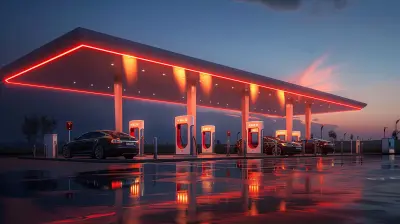
4. Clean Mobility and Electrification
5. Waste Management and Circular Economy
Let’s break down these innovations and discover how they’re shaping tomorrow.

1. AI-Powered Energy Efficiency: The Brain Fighting Waste
Energy waste is the silent thief stealing our future—leaving lights on, overheating buildings, inefficient grids. But AI has stepped in as the detective, identifying inefficiencies, predicting consumption patterns, and optimizing usage.
Startups like Grid Edge and Autogrid are leveraging AI to analyze real-time energy consumption and make smart predictions. Smart grids powered by AI help homes and businesses use energy wisely, lowering emissions without sacrificing comfort.
Imagine a world where buildings adjust temperature based on weather patterns, where factories consume only the energy they need, and where entire cities breathe more freely. That’s the promise AI brings to the energy equation.

2. Carbon Capture and Storage: Bottling the Invisible Threat
Carbon dioxide—the ghost hanging in the air, warming the planet, suffocating ecosystems. What if we could trap it, bottle it up, and lock it away?
Enter Carbon Capture and Storage (CCS), a technology straight out of a sci-fi novel. Startups like Climeworks and Carbon Clean Solutions are leading the charge, developing methods to extract CO₂ from the atmosphere and store it underground or repurpose it into useful products.
It’s like vacuuming the sky, giving Earth a chance to breathe again. These innovations don’t just reduce emissions—they actively remove them, a critical piece of the puzzle in reversing climate trends.

3. Sustainable Agriculture: Farming with a Green Thumb
Agriculture is both a blessing and a curse. It feeds the world but leaves a trail of deforestation, methane emissions, and soil degradation. Enter agritech startups, wielding AI, robotics, and biotechnology to grow food smarter.
Companies like Indigo Ag and Biome Makers are revolutionizing farming with precision agriculture—using sensors, data analytics, and drones to optimize irrigation, reduce chemical use, and enhance soil health.
Lab-grown meat startups like Beyond Meat and Impossible Foods are tackling another major culprit—livestock farming. By creating realistic alternatives to meat, they’re slashing methane emissions and saving millions of gallons of water.
The result? A world where food production nourishes both people and the planet.
4. Clean Mobility: Redefining the Future of Transport
Every time a car revs, carbon whispers into the air. Transportation is one of the biggest polluters, but tech startups are rewriting the rules of the road.
Electric vehicle (EV) pioneers like Rivian and Lucid Motors are proving that sustainable doesn’t mean boring—EVs are faster, sleeker, and cleaner than ever. Battery innovation startups like QuantumScape are ensuring that the future of transportation is electric, with longer-lasting, faster-charging batteries.
But it’s not just cars. Shared mobility platforms, hyperloop projects, and autonomous vehicle technologies are reshaping urban landscapes. The dream? Cities where traffic flows clean and silent, powered by electrons instead of exhaust fumes.
5. Waste Management: Closing the Loop with Circular Economy
Trash. We produce it, forget about it, and let it pile up in landfills or the ocean. But waste doesn’t have to be the end of the line—it can be the beginning of something new.
Circular economy startups are turning waste into wealth. TerraCycle transforms discarded plastics into consumer products, while Loop reinvents packaging with reusable containers.
Meanwhile, biotech companies like LanzaTech are converting industrial waste gases into fuels and chemicals, proving that one industry’s trash can be another’s treasure.
This isn’t just recycling—it’s reimagining waste as a resource, ensuring that nothing goes unused.
The Road Ahead: Challenges and Opportunities
For all their promise, climate tech startups face an uphill battle. Funding volatility, regulatory hurdles, and scalability issues threaten to slow progress. But the momentum is undeniable.
Governments are stepping up with green policies. Consumers are demanding eco-friendly solutions. Investors are shifting toward sustainability. The tides are turning, and the opportunities far outweigh the obstacles.
The race against climate change is not just about survival—it’s about innovation, resilience, and rethinking the way we live.
Final Thoughts: A Call to Action
Technology alone won’t save the planet. It’s a tool, a means to an end. The real power lies in us—how we support these innovations, how we change our habits, and how we demand better from industries and leaders.
So, what can we do?
- Support green startups by choosing sustainable products.
- Advocate for policies that encourage climate tech innovation.
- Reduce our own carbon footprints, one small step at a time.
Tech startups are lighting the path toward a greener tomorrow, but they can’t do it alone. The future isn’t written yet—let’s make sure it’s a future worth fighting for.
all images in this post were generated using AI tools
Category:
Tech StartupsAuthor:

Michael Robinson
Discussion
rate this article
2 comments
Nyx Wolf
Tech wizards saving Earth—one app at a time!
February 20, 2026 at 12:56 PM
Michael Robinson
Thank you! It's inspiring to see how innovation can drive real change for our planet.
Darrow Mason
Impressive solutions driving meaningful change!
February 1, 2026 at 4:05 AM
Michael Robinson
Thank you! It's inspiring to see innovation make a real impact on climate change.