The Impact of Renewable Energy on Electric Vehicle Charging Networks
3 June 2026
Electric vehicles (EVs) have officially hit the fast lane. With sleek designs, powerful performance, and government incentives urging people to go electric, it’s no wonder EVs are becoming the new normal. But here's the thing—more EVs mean more charging stations are needed. And powering those stations? Enter renewable energy.
You’ve probably heard whispers (or shouts) about the green revolution in energy. Solar panels, wind turbines, and hydropower are no longer just buzzwords—they’re shaping how we fuel everything, including our cars. But how does renewable energy really mesh with EV charging networks? That’s what we’re diving into today.
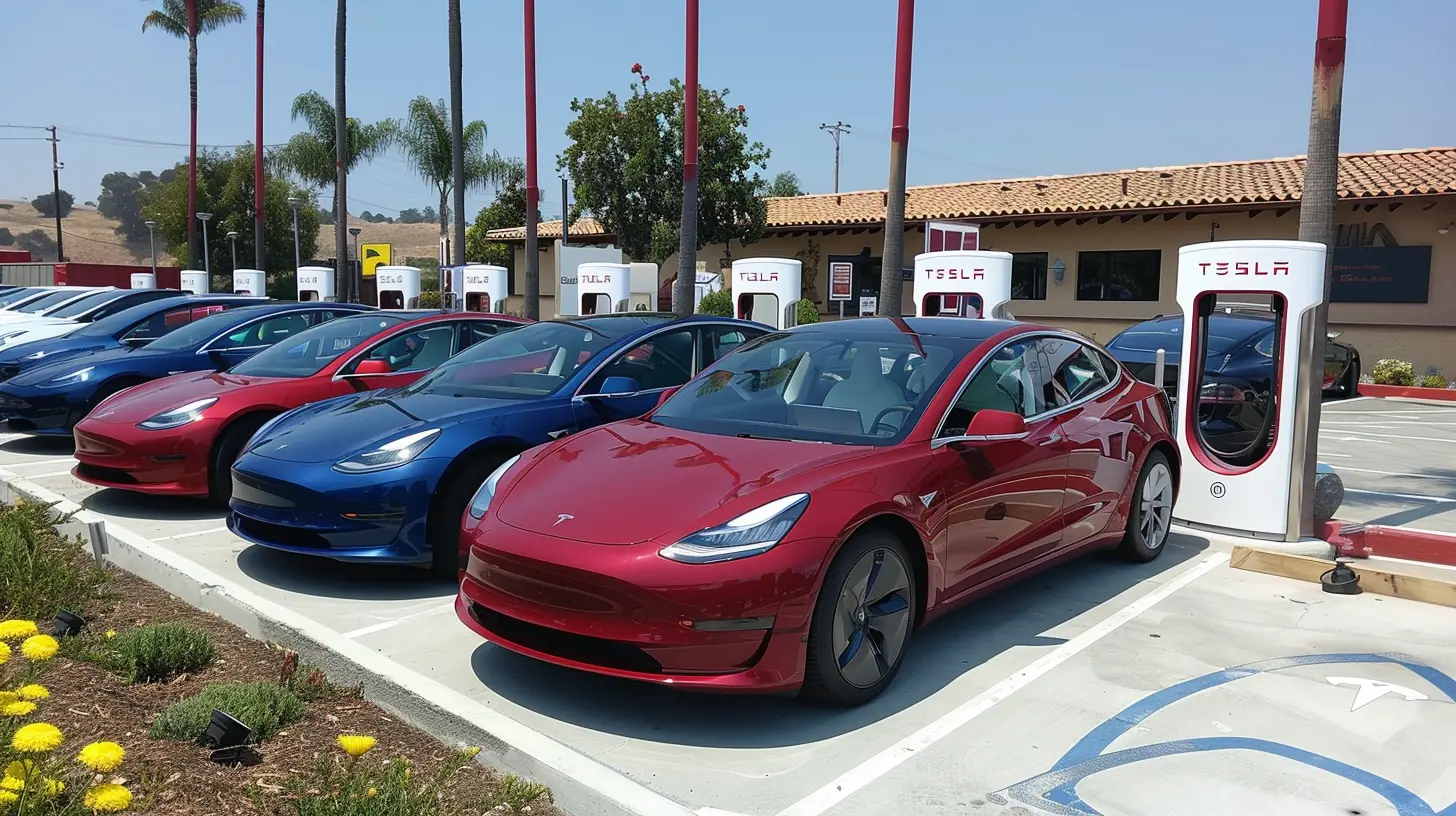
Why EV Charging Needs a Green Makeover
Let’s be real: if you’re charging your electric car using electricity from a coal-powered grid, are you truly going green? Not quite. Sure, EVs produce zero tailpipe emissions, but the source of their electricity matters a lot.The growth in EVs is undeniable—and it’s only accelerating. But if we triple the number of electric cars on the roads without cleaning up the grid, we’re just moving emissions upstream. That’s where renewable energy swoops in to save the day.
The Power of Renewables: What Are We Talking About?
When we talk about renewable energy, we’re talking about sources that naturally replenish themselves. Think solar, wind, hydro, and even geothermal. They’re clean, sustainable, and—bonus—often cheaper in the long run.Now imagine plugging your Tesla or Nissan Leaf into a charger that's powered entirely by the sun. That’s not a sci-fi fantasy anymore. Solar-powered charging stations are popping up in cities and along highways. Even better? Some recharge during the day and store energy in batteries for nighttime charging.
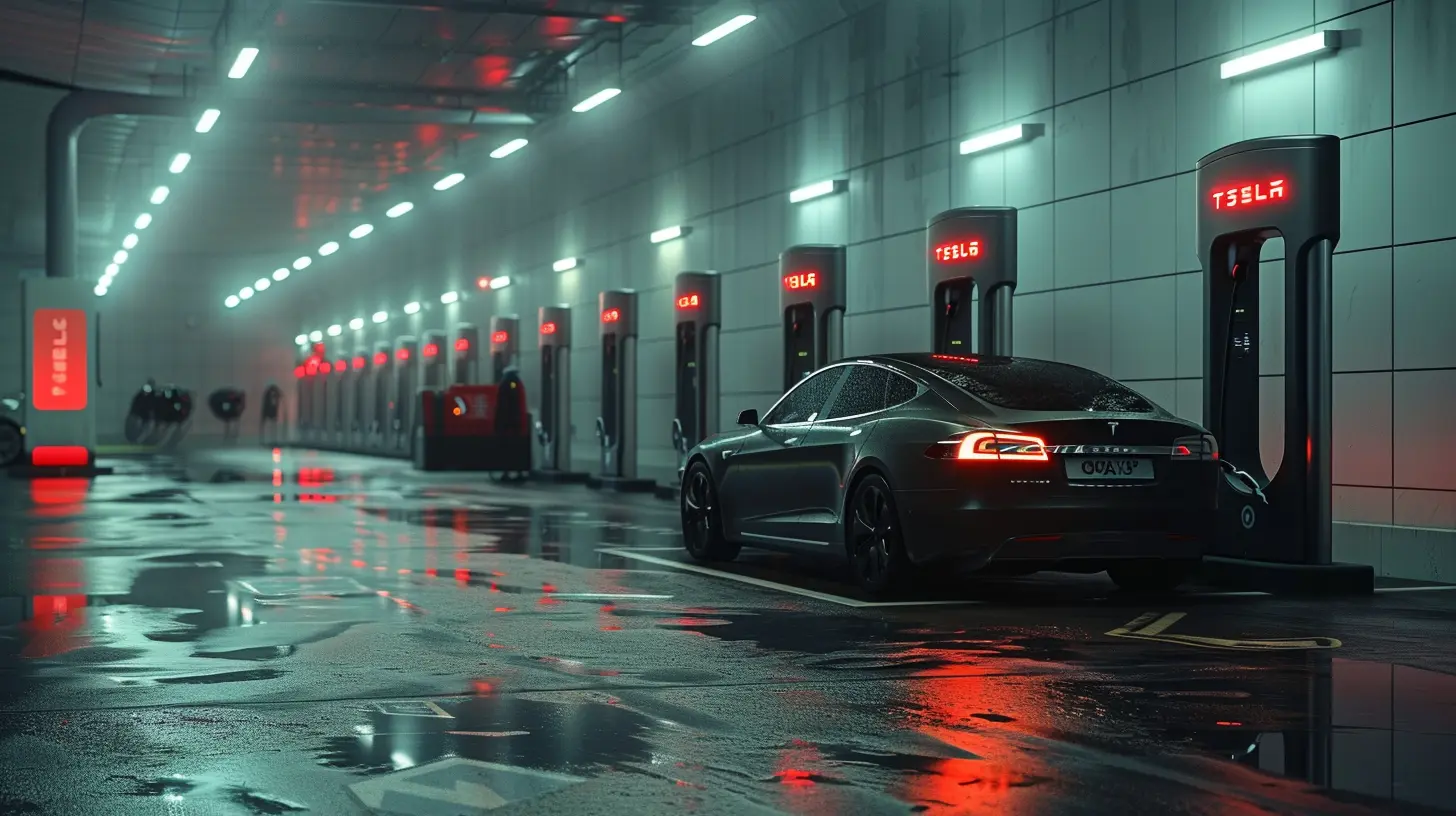
The Perfect Match: EVs and Renewable Energy
You know how peanut butter and jelly just fit together? That’s kind of how EVs and renewable energy work.Timing Is Everything
One of the biggest perks of using renewables for EV charging lies in timing. EVs are usually charged overnight or during work hours. Coincidentally, that’s when solar and wind energy generation can peak. Smart grids can store and distribute this energy when it's needed most.Less Grid Strain
During peak hours, our traditional power grids take a beating. EVs demand more juice, and without a backup plan, this could spell trouble. But integrate renewables, especially with local storage, and voilà—the strain reduces. It’s like giving the grid a mini-vacation while still powering your ride.Lower Emissions: A No-Brainer
Pairing EVs with clean energy drastically cuts carbon emissions. We’re talking about reducing pollution both from tailpipes and power plants. Imagine clean air in packed cities and fewer asthma triggers. That’s the dream.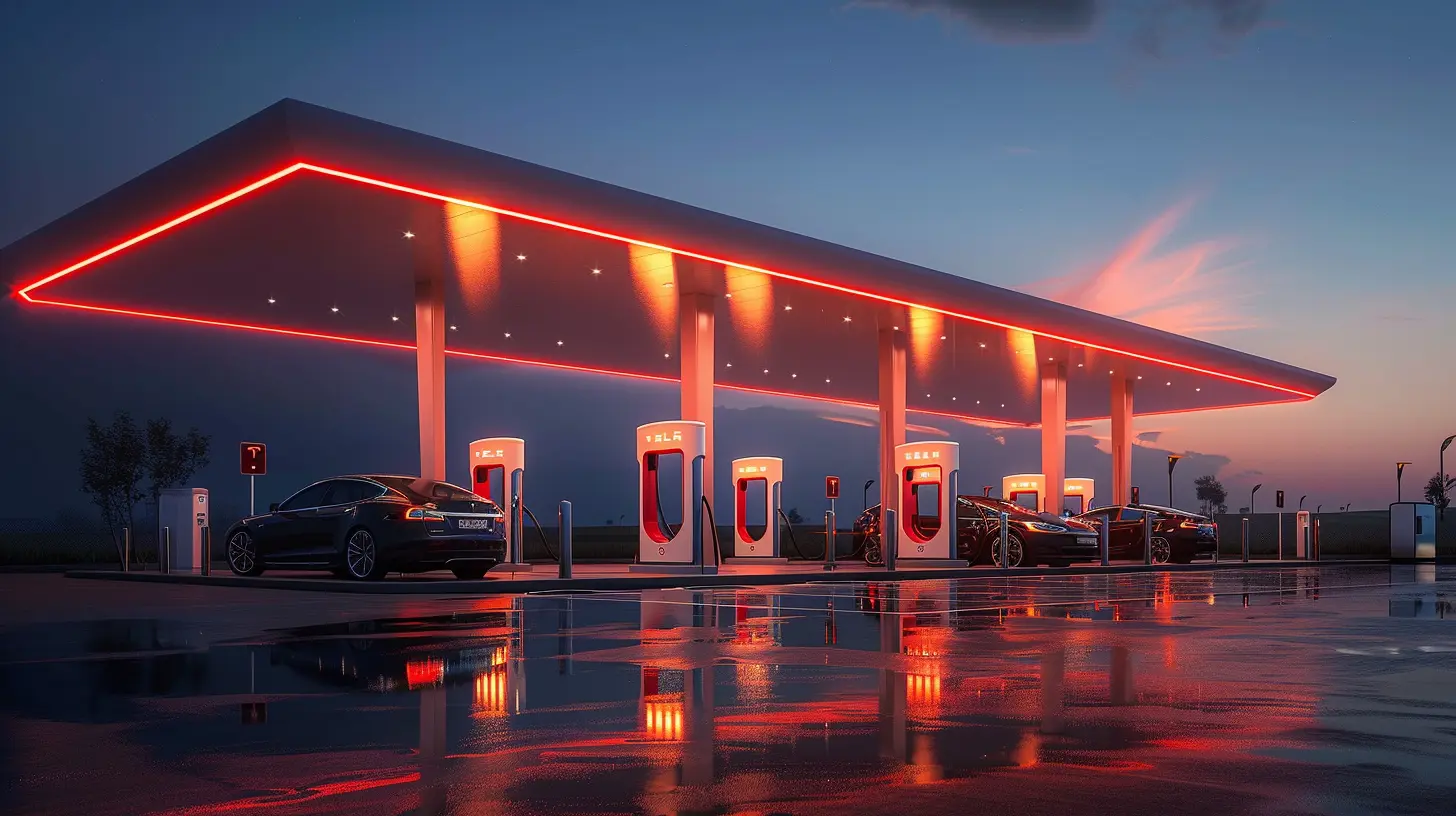
How Renewable Energy Is Already Powering EV Networks
It's not all hypothetical. We’re already seeing success stories around the globe.Tesla’s Supercharger Network
Tesla isn't just making fast cars—they're also building fast chargers powered by solar. Many of their Supercharger stations include solar canopies and battery storage. It’s like a little off-grid ecosystem for your car.Electrify America’s Green Initiative
This major EV charging network in the U.S. committed to sourcing 100% renewable energy for its stations. They're working with green energy providers to ensure that every kilowatt-hour comes from sustainable sources.Europe’s Growing Green Grid
Across Europe, countries are blending wind and solar into their national grids at a rapid pace. Since many EV stations are grid-connected, the cleaner the grid, the greener your charge. Norway, in particular, is almost entirely powered by hydropower—and leads the world in EV adoption.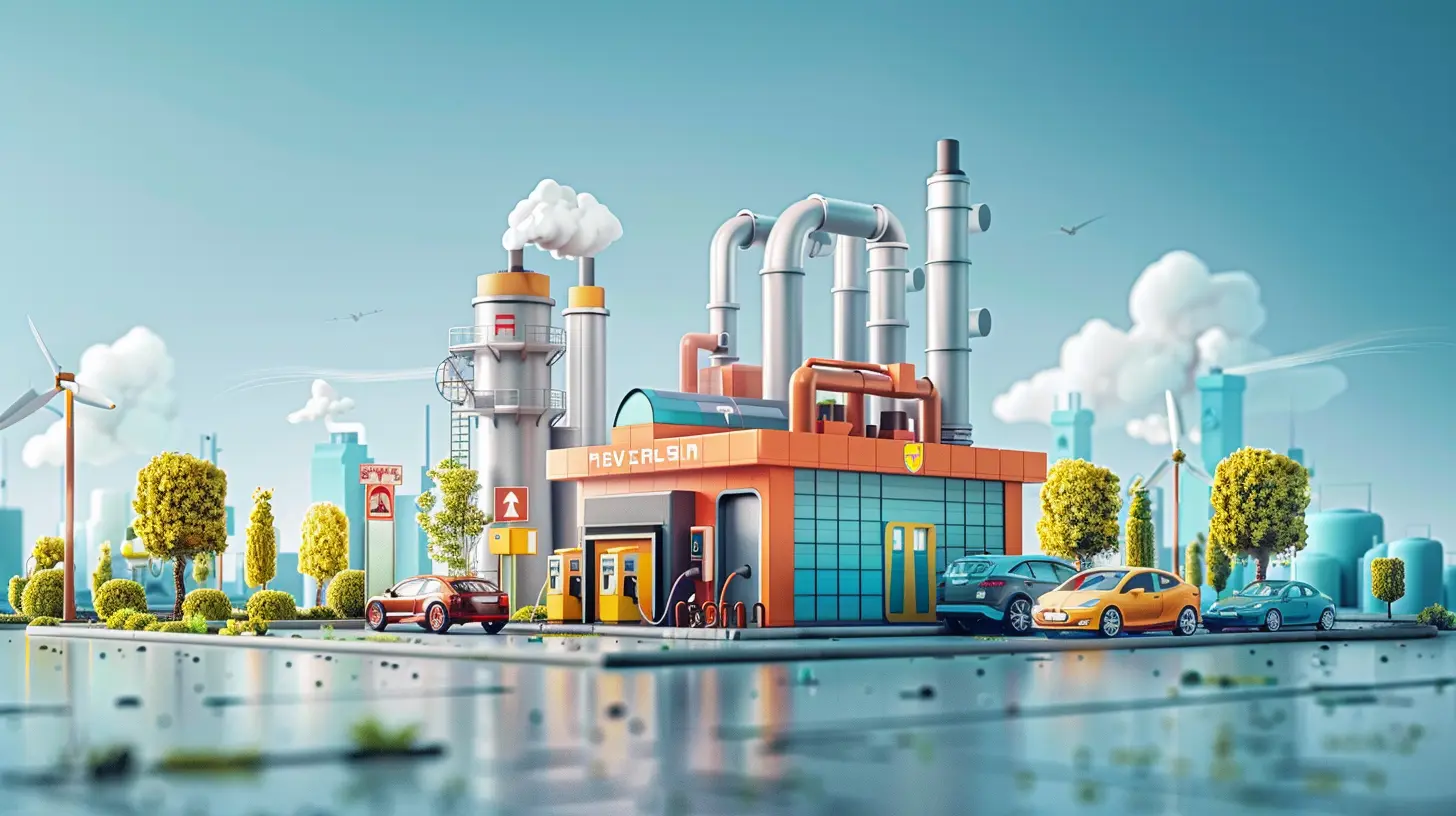
Challenges We Can’t Ignore
Of course, it’s not all sunshine and rainbows (although sunny days do help with solar charging). There are a few speed bumps on the road to a fully renewable-powered EV world.Intermittency: The Elephant in the Room
Solar and wind are great, but they’re not always reliable. What happens on cloudy or windless days? Without proper storage or grid balancing, energy supply can get a bit shaky. This is where energy storage (like lithium-ion batteries) and smart grid tech become vital.Infrastructure Costs
Setting up a charging station is expensive. Throw in solar panels, battery storage, and grid integration, and the price tag climbs fast. However, these are upfront costs—long-term savings often justify the investment.Local Regulations
Some places are totally on board with renewables, while others are stuck in red tape. Zoning laws, utility rules, and outdated policies can slow down progress. It’s like trying to race a sports car through a traffic jam.The Role of Smart Grids and Battery Storage
Here’s where tech makes things really cool.What’s a Smart Grid?
A smart grid is like your current electric grid… but with a brain. It balances supply and demand efficiently, shifts energy where it’s needed most, and even predicts usage patterns. With EVs and renewables in the mix, a smart grid is a must-have.Energy Storage: The Game Changer
Remember those cloudy days we talked about? Storage saves the day. Batteries can store excess solar or wind energy and release it when needed—kinda like Tupperware for electricity. Major companies and cities are already investing in large-scale storage systems.Vehicle-to-Grid (V2G) Tech
This one’s mind-blowing. V2G allows your EV to send energy back to the grid during high-demand periods. Your car becomes a mini power plant. Suddenly, we’re not just using energy smarter—we’re creating a two-way street.
Government Policies and Incentives
Governments around the world are giving big bear hugs to green technology. Why? Because clean energy + EVs = healthier people, reduced climate impact, and even economic growth.Tax Incentives and Grants
Many governments offer tax breaks for installing renewable-powered chargers. Some also provide grants for business owners who want to go green with their fleets.Renewable Energy Mandates
Countries are setting ambitious goals, like banning new gas-powered cars by 2035 or mandating that a percentage of grid power comes from renewables. These policies push companies to innovate and adapt faster.The Business Opportunity Is Massive
If you’re an entrepreneur or investor reading this, don’t look away. The intersection of renewables and EV charging is a goldmine.Investing in Charging Networks
The demand for convenient, fast, and green charging isn’t shrinking anytime soon. Setting up a renewable-energy-based charging station can offer recurring income with long-term stability.Fleet Electrification
Businesses with delivery or service fleets are converting to electric. Partnering with solar providers or setting up charging hubs gives these companies a competitive edge.Data and Software
Someone has to make sense of all this new energy data. Smart software solutions that monitor usage, efficiency, and grid performance are in high demand.
What the Future Looks Like
Alright, let’s put on our sci-fi goggles and peek into the future (but not too far—just a few years ahead).Imagine highways lined with solar-powered charging stations. EVs that communicate with the grid, optimizing energy flow in real-time. Cities powered by a blend of local wind, sun, and hydro—all connected through smart networks. Charging becomes seamless, fast, and guilt-free.
This isn’t wishful thinking. With the pace we’re moving, it’s entirely doable. But it's up to governments, companies, and yes—drivers like you and me—to drive the change forward.
Final Thoughts
So, what have we learned? Electric vehicles and renewable energy are a match made in eco-heaven. Clean energy helps EVs reach their full potential, and EVs help drive demand for renewable infrastructure. It’s a win-win.But it's not just about saving the planet (though that part’s pretty great). It’s about cleaner air, smarter cities, energy independence, and a future where plugging in your car feels just as natural as sipping your morning coffee.
If you’ve been thinking about getting an EV, look into charging it with green energy. If you’re a business, explore solar-powered chargers. Every move counts.
And the best part? We're all on this journey together—towards a cleaner, smarter, and more sustainable way to move forward.
all images in this post were generated using AI tools
Category:
Renewable EnergyAuthor:

Michael Robinson
Discussion
rate this article
1 comments
Hope McQuiston
Great article on renewable energy's role in EV charging networks. It's exciting to see how solar and wind power can enhance sustainability in transportation. As we expand these networks, collaboration between tech and energy sectors will be key for a greener future.
June 6, 2026 at 3:26 AM