How VR is Helping Architects Visualize and Design in 3D
22 February 2026
Imagine being able to step inside a building before it’s even built—literally walking through rooms, touching surfaces, and seeing how light interacts with the space. Sounds like something out of a futuristic sci-fi movie, right? Well, thanks to virtual reality (VR), architects can now do exactly that. We’re not talking about rough sketches or abstract 2D floor plans. We’re talking about fully immersive, 3D experiences that allow architects, designers, and clients to "feel" the structure before a single brick is laid.
In this article, we're going to dive deep into how VR is revolutionizing the architecture industry. And if you're an architect, designer, or just an enthusiast in the world of tech and gadgets, you're going to love what comes next.
The Traditional Way of Visualizing Designs
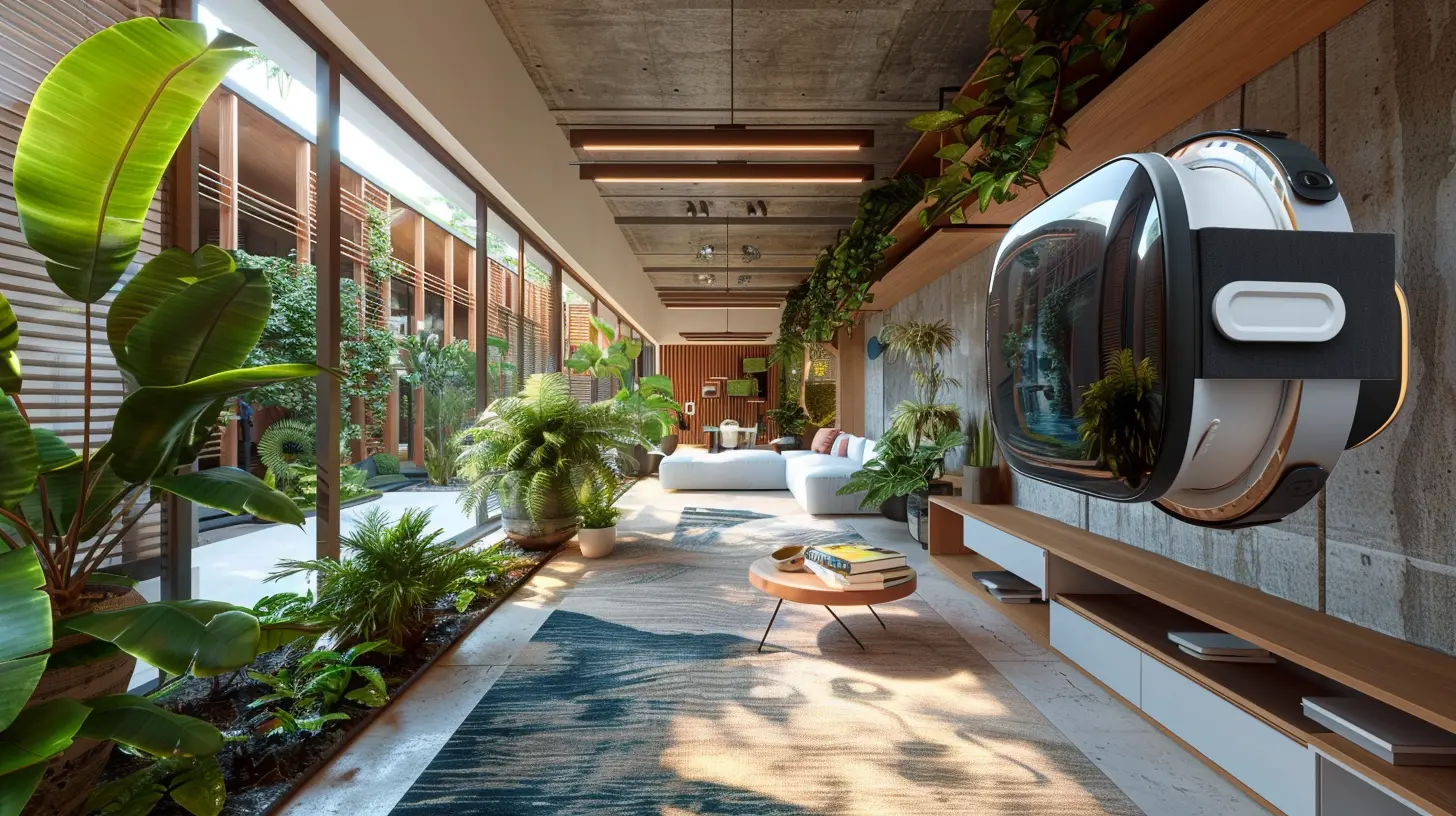
Before we dive into the cool, high-tech world of VR, let’s take a quick walk down memory lane. Traditionally, architects have relied on blueprints, 2D drawings, and physical models to communicate their ideas. These tools have worked for decades, even centuries, but they come with limitations.When you look at a 2D drawing, you’re essentially trying to imagine how it would look in real life—tall ceilings, narrow hallways, and even the view from a particular window. But let’s be honest, it’s not always easy to interpret. Even the best architects sometimes struggle to fully convey their vision to clients or contractors. And if you’ve ever tried to explain a complex idea using only pen and paper, you know how frustrating it can be.
This is where VR steps in like a superhero wearing a digital headset.

Enter Virtual Reality (VR) in Architecture
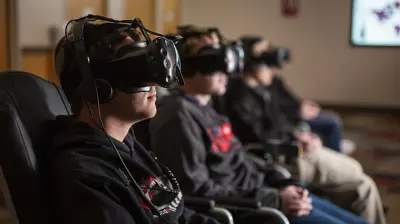
So, how exactly is VR shaking up the architecture world? In a nutshell, VR allows architects to create immersive, 3D environments that can be explored in real-time. By putting on a VR headset, you can walk through an unbuilt structure as if it exists in the physical world. You’re not just looking at a flat surface or imagining how the space will feel—you’re experiencing it.It’s like going from watching a movie on a tiny phone screen to watching it in a giant IMAX theater. The level of detail and immersion is just next-level.
Immersive Visualization
One of the biggest perks of VR for architects is immersive visualization. When you’re designing a building, it’s crucial to understand how your ideas will translate into real-world spaces. Sure, you might know how wide a hallway should be, but how does it feel to walk down that hallway? Is the ceiling too low? Will that window let in enough natural light?With VR, architects can solve these questions in minutes, not weeks. They can "stand" in their designs and make adjustments in real-time. It’s like being inside a living, breathing blueprint.
Improved Communication
Have you ever tried explaining a complex design to someone who isn’t familiar with architectural jargon? It’s tough. Often, clients can’t fully grasp what a space will look like just by looking at plans or even 3D renders on a computer screen. VR changes that.By allowing clients to virtually walk through the space, architects can ensure that everyone is on the same page. Not only does this improve communication, but it also reduces the risk of misunderstandings or costly design changes later on. In other words, you’re cutting down on the dreaded "Oh, I didn’t realize it would look like that" moments.
Real-time Design Adjustments
Got feedback from a client? No problem. In a VR environment, architects can make real-time adjustments to the design while the client is still immersed in the virtual space. Want to move a wall? Done. Need to change the color of the flooring? Easy. It’s like having a magic wand that can instantly tweak every aspect of the design without having to go back to the drawing board (literally).This kind of flexibility is a game-changer in an industry where time is money. The faster you can iterate on a design, the sooner you can move forward with construction.
Enhanced Collaboration
Architecture isn’t a solo endeavor. Architects work alongside engineers, contractors, interior designers, and a host of other professionals. With VR, collaboration becomes significantly easier. When everyone can "enter" the design together, they can spot potential issues before they become real-world problems.For example, engineers can assess the structural integrity of a building by virtually walking through it. Interior designers can get a feel for how their choices will look in the space. Contractors can better understand how to approach the construction process.
It’s like getting everyone in the same room, except the room doesn’t exist—yet.
The Tech Behind VR in Architecture
Alright, let’s talk gadgets. How does all of this magic happen, you ask? The answer lies in a combination of software and hardware.VR Headsets
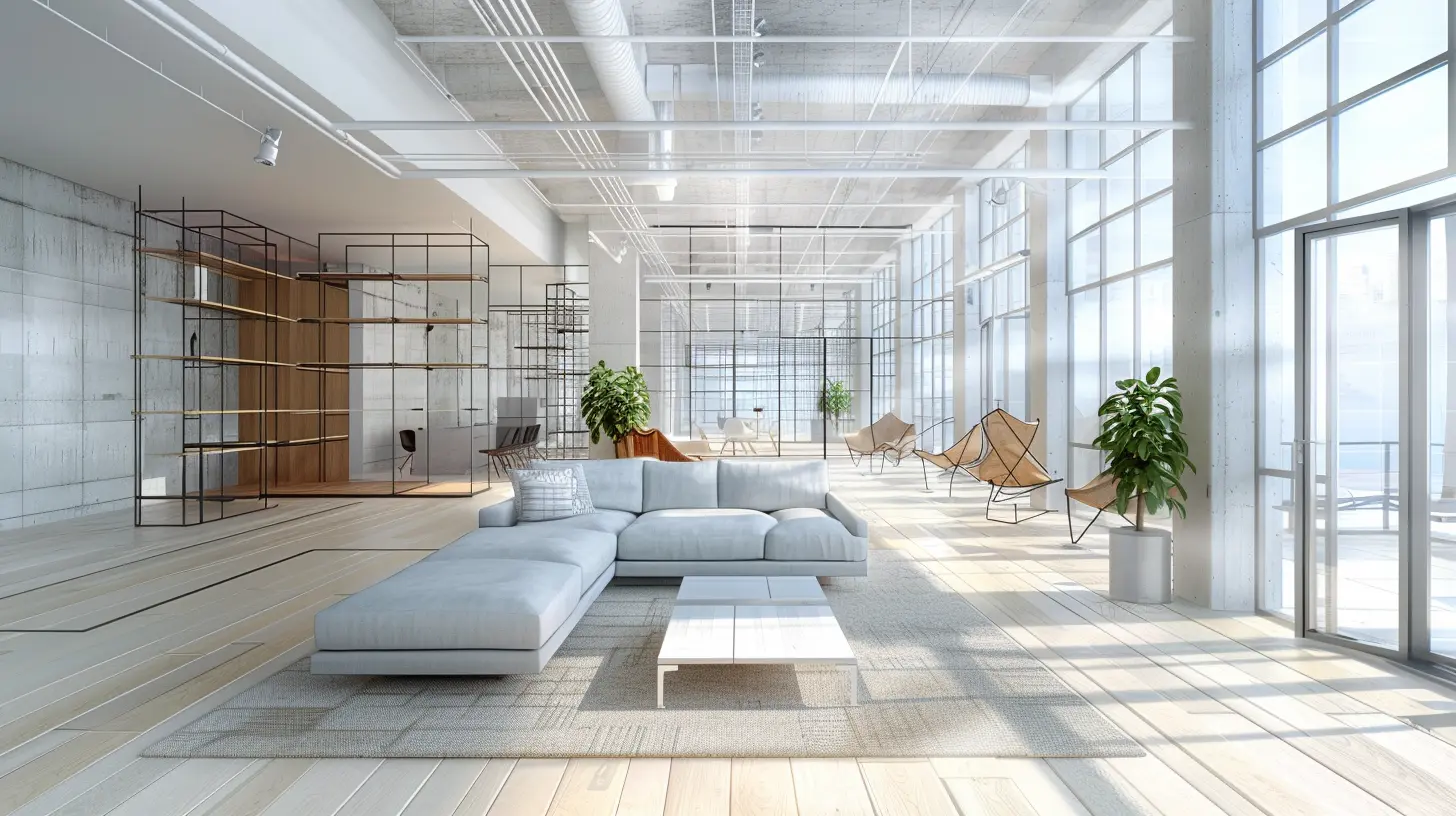
First, you’ve got the hardware—the VR headsets. These devices, which include popular models like the Oculus Rift, HTC Vive, and even affordable options like the Oculus Quest, allow users to experience immersive 3D environments. The headsets track your head movements and adjust the view accordingly, making it feel like you’re actually walking through the space.Some high-end setups even include hand controllers, allowing you to "reach out" and interact with virtual objects, like opening doors or switching on lights. It’s like stepping into a video game, but the game is your architectural design.
3D Modeling Software
Next up is the software. Architects typically use powerful 3D modeling programs like Autodesk Revit, SketchUp, or Rhino to create detailed digital models of their designs. These models can then be imported into VR platforms, where they’re transformed into fully immersive environments.Some VR platforms, like Enscape or Twinmotion, are designed specifically for architects and integrate seamlessly with existing design software. This makes it easy to translate a 3D model into a virtual environment in just a few clicks. No need to be a tech wizard—if you can use design software, you can use VR.
Cloud Collaboration
Another neat feature of VR in architecture is cloud collaboration. Using platforms like IrisVR or The Wild, architects and their teams can work together in virtual environments, even if they’re on opposite sides of the world. This opens up new possibilities for remote collaboration, especially in today’s increasingly globalized and distributed workforce.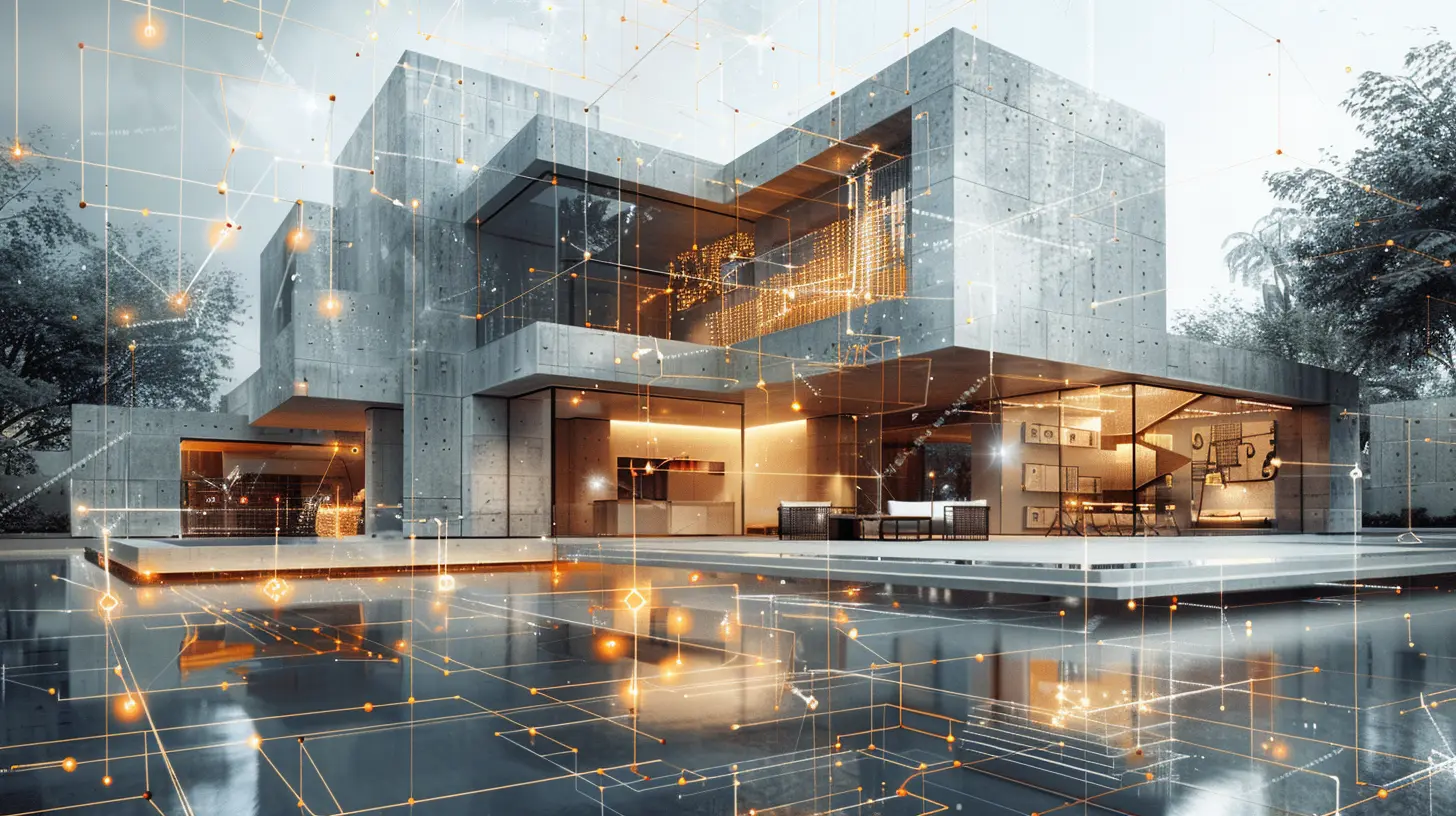
VR and Sustainability in Design
Here’s something you might not have thought about: VR isn’t just a cool tool for visualizing designs—it can also play a role in creating more sustainable architecture.One of the challenges architects face is predicting how buildings will interact with their environment. Will the building get too hot in the summer? Too cold in the winter? How will natural light affect heating and cooling costs?
In a VR environment, architects can simulate different environmental factors, like sunlight, wind, and temperature. This allows them to optimize their designs for energy efficiency before construction even begins. Need to adjust the angle of a window to reduce glare? You can test it out in VR instead of guessing. The result is more eco-friendly buildings that are better suited to their surroundings.
The Future of VR in Architecture
As VR technology continues to evolve, the possibilities for architects are becoming even more mind-blowing. Here are a few trends to watch:Augmented Reality (AR)
While VR creates fully immersive environments, augmented reality (AR) overlays digital elements onto the real world. Imagine standing on a construction site and using AR to "project" a 3D model of the building onto the site. You could walk around and see exactly how the building will fit into its surroundings—before construction even starts.AI and Machine Learning
As AI becomes more sophisticated, it’s likely we’ll see even smarter VR tools for architects. AI could help automate certain design tasks, like optimizing floor plans for accessibility or suggesting sustainable materials. Combine that with VR, and you’ve got a powerful design tool that’s not only immersive but also intelligent.Haptic Feedback
Right now, VR is mostly visual and auditory. But what if you could actually feel the textures of surfaces in a virtual environment? Haptic feedback technology is making that a real possibility. In the future, architects might be able to "touch" their designs in VR, giving them an even deeper understanding of how materials will interact in the real world.
Final Thoughts
There’s no denying it: VR is changing the game for architects. It’s making it easier to visualize designs, collaborate with teams, and communicate ideas to clients. And the best part? We’re only scratching the surface of what’s possible. As the technology continues to improve, it’s safe to say that VR will become an indispensable tool for architects around the world.So, whether you’re an architect looking to up your game, or just someone who’s curious about the future of design, keep an eye on VR. It’s not just a trend—it’s the future.
all images in this post were generated using AI tools
Category:
Virtual RealityAuthor:

Michael Robinson
Discussion
rate this article
2 comments
Colt Jackson
VR is revolutionizing architecture by offering immersive design experiences, allowing architects to visualize their creations in stunning detail. Embrace this technology to unlock limitless possibilities in innovative design!
March 25, 2026 at 12:49 PM
Michael Robinson
Thank you for your insightful comment! Indeed, VR is transforming how architects approach design, providing immersive experiences that enhance creativity and precision.
Ava Larsen
VR is revolutionizing architecture! Embrace this technology and watch creativity soar while bringing visions to life!
February 24, 2026 at 3:51 AM
Michael Robinson
Absolutely! VR is transforming how architects conceptualize and present their ideas, making creativity more tangible than ever. It's an exciting time for the industry.