Mastering Low Light Photography with Your Digital Camera
18 March 2026
Low light photography isn't just a skill—it's an art. Whether you're capturing the stunning cityscape at dusk, shooting intimate candle-lit portraits, or chasing the magic of the stars, mastering low light photography can take your photography game to a whole new level. But let’s be real—shooting in dim conditions isn’t always a walk in the park. Blurry images, excessive noise, and poor focus are just a few nightmares every photographer faces.
So, how do you nail the perfect shot when the lighting is working against you? Don’t worry; we’ve got you covered! In this guide, we’ll break down everything—settings, gear, and techniques—to help you master low light photography like a pro. 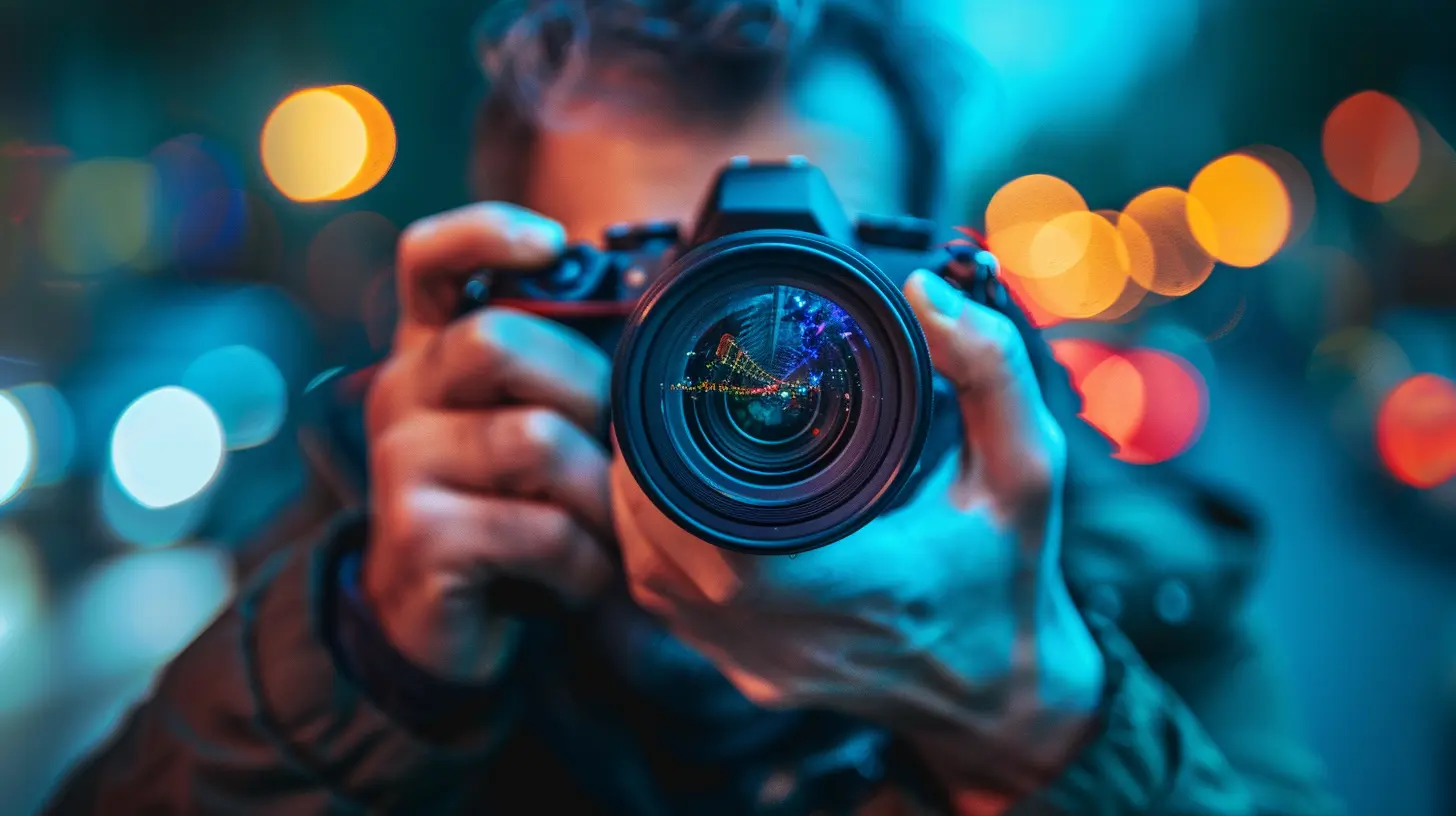
Understanding the Challenges of Low Light Photography
Shooting in low light presents a set of unique problems. If you've ever ended up with grainy or blurry photos, you already know how challenging it can be. Here are the main culprits behind poor low light images:- Slow Shutter Speed: When there's not enough light, your camera compensates by keeping the shutter open longer. The result? Motion blur.
- High ISO Noise: Boosting ISO brightens the image but also adds unwanted grains.
- Autofocus Struggles: Your camera’s autofocus might struggle in dim lighting, leading to out-of-focus shots.
Understanding these challenges is the first step to overcoming them. Now, let’s dive into the solutions. 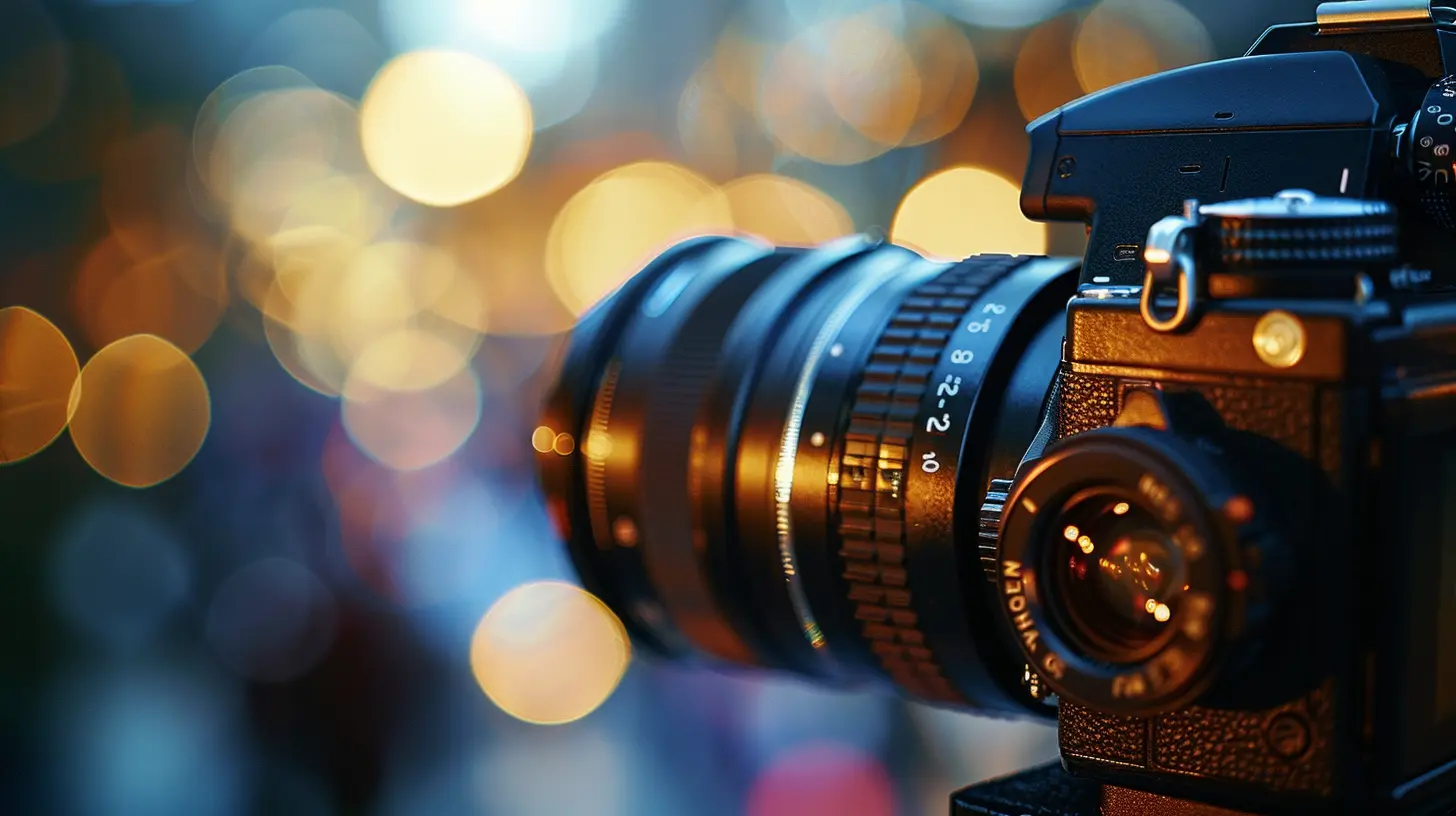
Essential Camera Settings for Low Light Photography
1. Adjust Your ISO—But Don’t Overdo It
ISO is your camera’s sensitivity to light. The higher the ISO, the brighter your image. But here’s the catch—cranking up ISO too much introduces noise (that ugly grainy effect).Best Practices:
- Start with ISO 800-1600 for low light situations.- For extremely dark settings (like astrophotography), you may go up to ISO 3200 or more—but clean up the noise in post-processing.
- If you have a full-frame camera, you can get away with higher ISO values with less noise.
2. Use a Wide Aperture (Low f-stop Number)
Aperture controls how much light enters the lens. The wider the aperture (lower f-number like f/1.8 or f/2.8), the more light your sensor gets.Best Practices:
- Use a prime lens with a wide aperture (like f/1.4 or f/1.8) for better low light performance.- Be cautious with depth of field—wider apertures create a shallower focus, meaning only part of your image may be sharp.
3. Slow Down Your Shutter Speed—Carefully
Shutter speed determines how long your camera’s sensor is exposed to light. A slower shutter speed makes your photos brighter but can introduce motion blur.Best Practices:
- For handheld shots, keep shutter speed faster than 1/60s to avoid hand-shake blur.- For still subjects, you can reduce it to 1/30s or lower (use a tripod for best results).
- For long exposure shots (like night skies or light trails), go for shutter speeds of several seconds.
4. Use Manual Focus
Autofocus can be hit-or-miss in low light conditions. If your camera is hunting for focus, switch to manual focus and fine-tune it yourself.Best Practices:
- Use Live View mode and zoom in to manually focus better.- If available, enable "focus peaking" to highlight areas in focus.
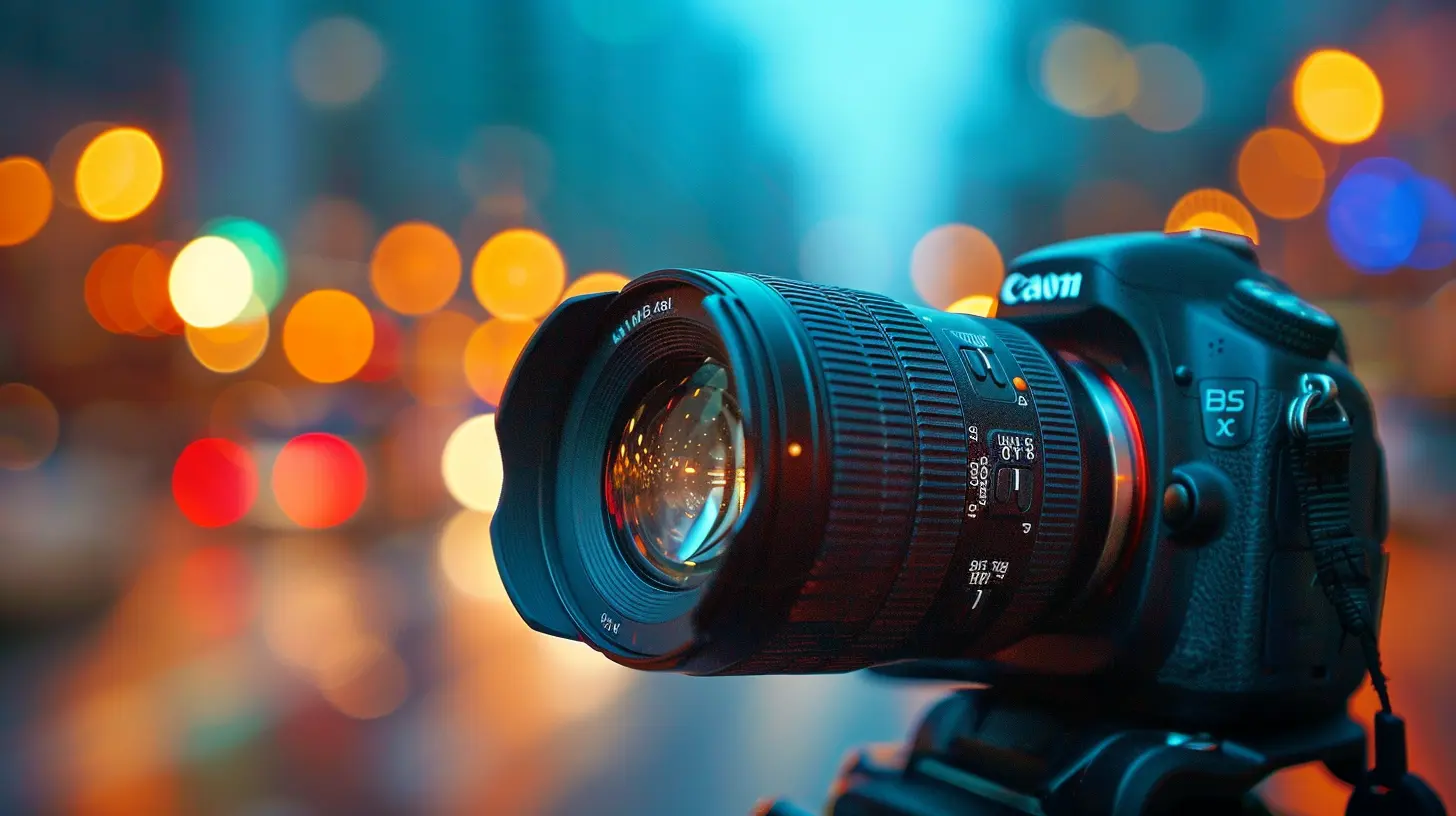
Gear That Makes a Difference in Low Light Photography
1. Invest in a Fast Lens
A fast lens (one with a wide maximum aperture, like f/1.4 or f/1.8) lets in more light and helps you shoot in dim conditions without cranking up the ISO.2. Use a Tripod
A sturdy tripod is non-negotiable for serious low light photography. It allows you to use slower shutter speeds without introducing camera shake.3. External Flash or Continuous Light
If you’re shooting indoors or at events, an external flash or LED light panel can work wonders. Just remember to bounce the flash off surfaces for softer lighting.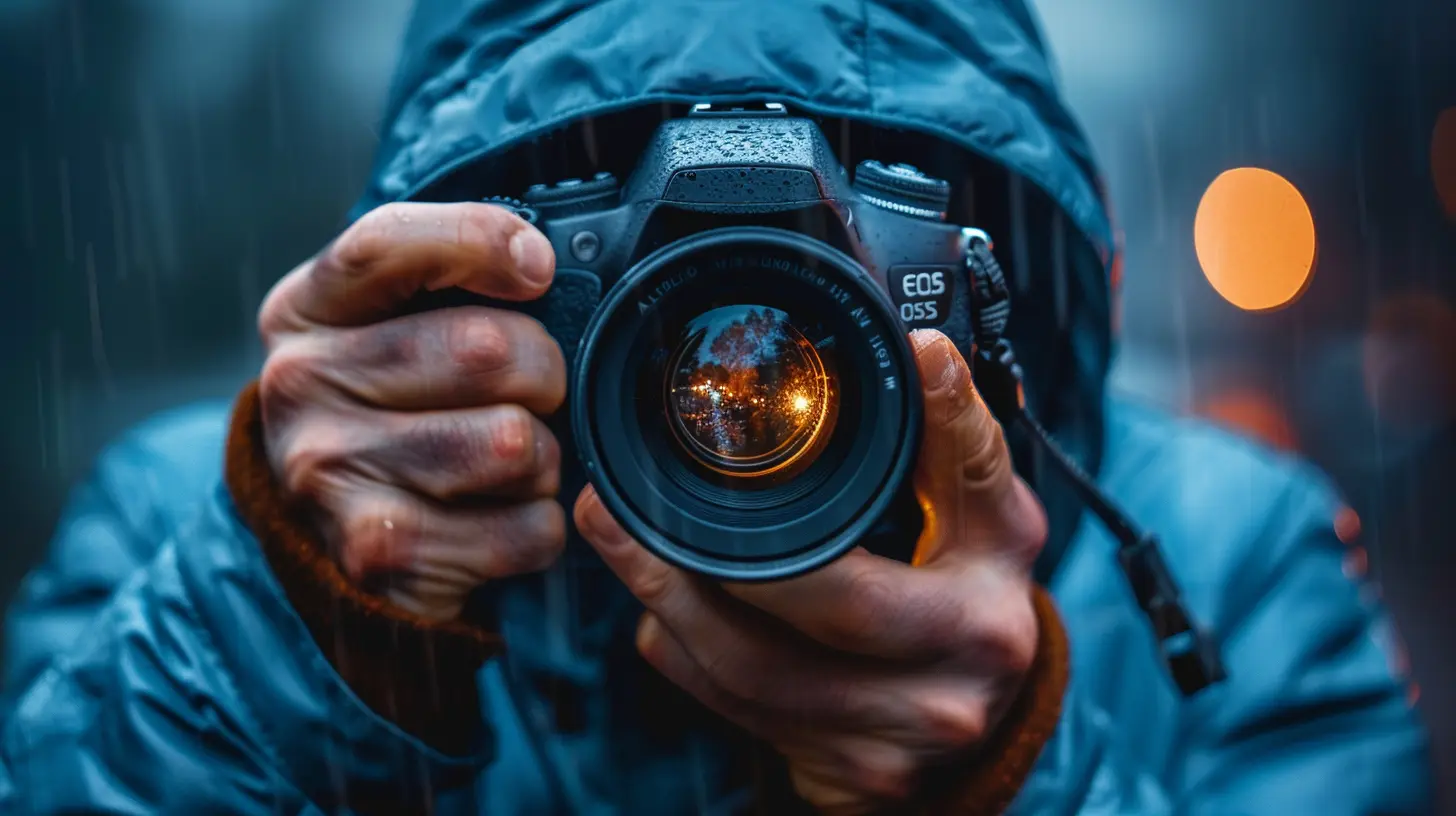
Game-Changing Techniques for Stunning Low Light Shots
1. Shoot in RAW Format
JPEG files are compressed and give you less control in post-processing. RAW format retains all image details, making it easier to adjust brightness and reduce noise later.2. Use the Right White Balance
In low light, your camera’s auto white balance might not always get it right. Adjusting it manually can help maintain the natural color tones in your shot.3. Stabilize Your Shots
Even if you don’t have a tripod handy, you can stabilize your camera by:- Leaning against a wall
- Placing your camera on a stable surface
- Holding your breath while pressing the shutter
4. Use Light Sources to Your Advantage
You don’t always need professional lighting gear. Get creative by using available light:- Streetlights for dramatic city shots
- Neon signs for vibrant urban portraits
- Candlelight for moody, intimate images
5. Long Exposure for Night Photography
Long exposure allows you to capture more light while creating stunning effects like:- Star trails in astrophotography
- Light streaks from passing cars
- Silky smooth water for magical reflections
To do this:
1. Use a tripod to prevent shake.
2. Set slow shutter speed (like 5-30 seconds).
3. Lower your ISO to reduce noise.
Common Mistakes to Avoid in Low Light Photography
❌ Using Only Auto Mode
Relying on auto settings often results in grainy or blurred photos. Take control with manual mode!❌ Ignoring Composition
Just because it’s dark doesn’t mean you can slack on composition. Use leading lines, symmetry, and framing to improve your shots.❌ Overexposing with Flash
Direct flash can make your subject look flat. Instead, diffuse or bounce the light for a softer effect.❌ Not Using a Noise Reduction Technique
Always clean up unwanted noise using software like Adobe Lightroom, DxO PhotoLab, or Topaz DeNoise AI.Final Thoughts: Own the Darkness!
Low light photography might seem intimidating, but once you understand the technicalities and apply the right techniques, you’ll start seeing remarkable improvements. Whether you're capturing the stars, night cityscapes, or intimate portraits, mastering these settings and tricks will make a world of difference.Now, it’s time to grab your camera, head out in the dark, and start experimenting. Because the best way to master low light photography is to embrace the shadows and make them work in your favor.
all images in this post were generated using AI tools
Category:
Digital CamerasAuthor:

Michael Robinson
Discussion
rate this article
2 comments
Valencia McCollum
Great tips! Mastering low light photography can really elevate your skills and create stunning visuals. Thanks for sharing!
April 8, 2026 at 4:44 AM
Michael Robinson
Thanks for your feedback! I'm glad you found the tips helpful. Enjoy capturing those stunning shots!
Delia Sawyer
Excited to discover new techniques for capturing stunning low light!
March 31, 2026 at 11:58 AM
Michael Robinson
I'm glad to hear you're excited! Mastering low light photography opens up a world of creativity. Enjoy exploring the techniques!