Mental Health in Esports: Maintaining Focus and Balance
25 July 2026
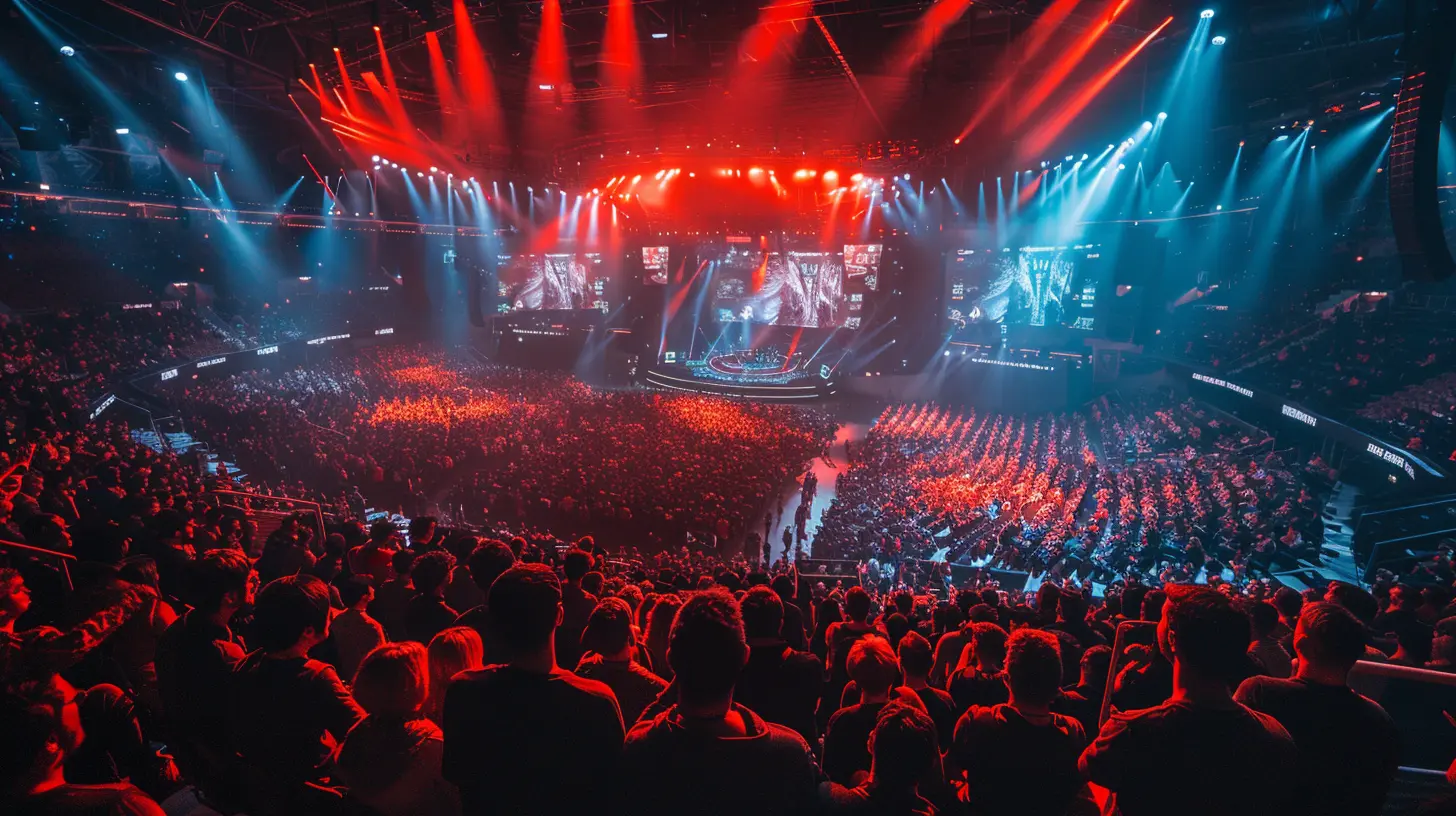
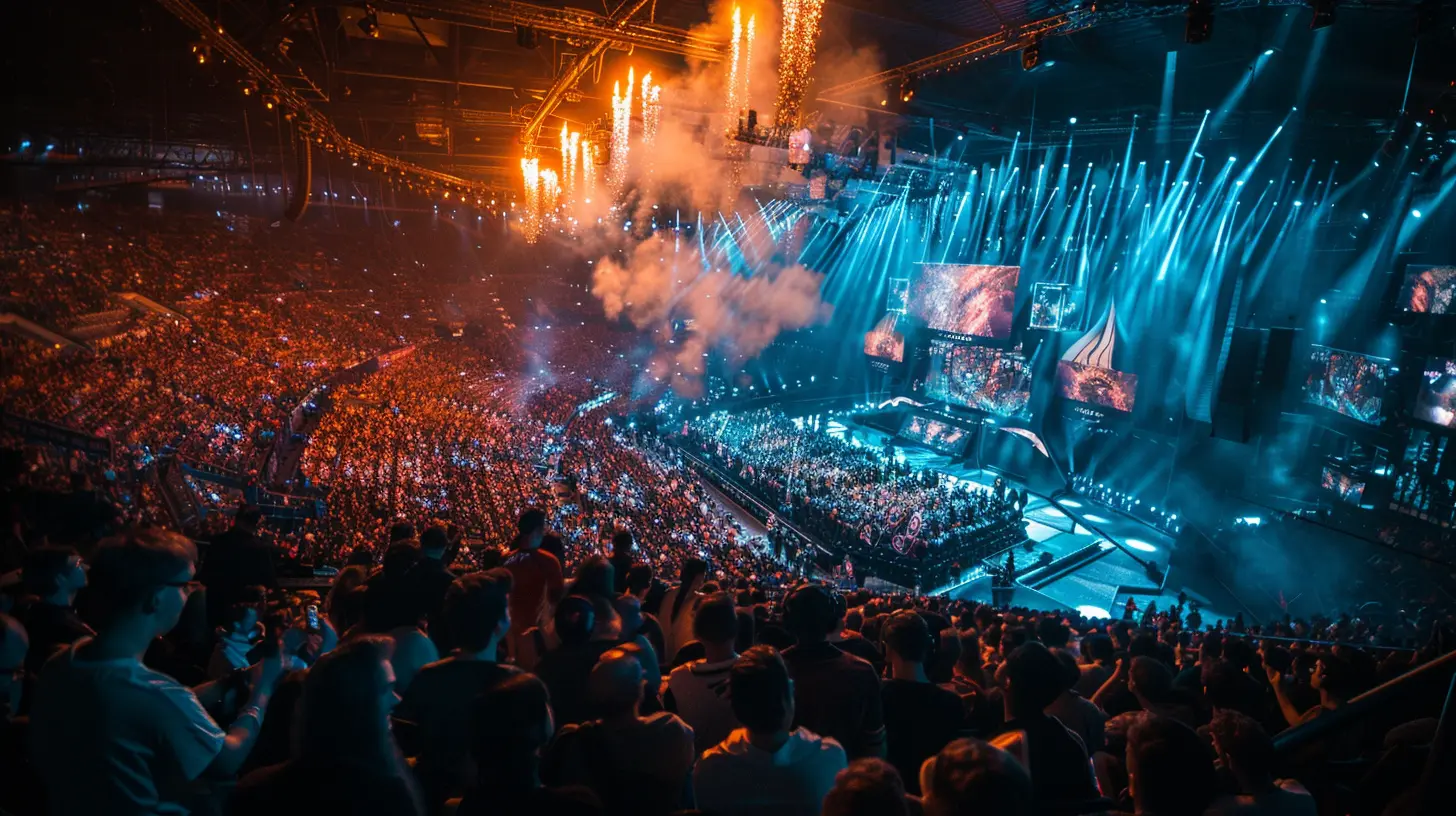
Esports has exploded over the last decade. What was once a niche hobby is now a billion-dollar industry with millions of fans, global competitions, and life-changing prize pools. But while the flashy lights, screaming crowds, and high-stakes glory make esports appear like a dream career, there’s an often overlooked aspect behind the scenes—mental health.
Competing at the highest level isn't just about lightning-fast reflexes or perfect aim. It's also about staying focused, managing stress, and finding balance in a high-pressure environment. Let’s dive into the world of esports from a different lens—the mental game—and figure out how players can protect their well-being while climbing the ranks.
Why Mental Health Matters in Esports
Most esports players start young. They grind hours on end, day after day, dreaming of going pro. And when they finally make it, the grind doesn’t stop—it amplifies. There’s pressure to perform, expectations from fans, and the constant fear of being replaced. Not to mention the intense training schedules, social isolation, and physical toll that sitting for long hours can bring.If we were talking about traditional sports, mental conditioning would be a given. But in esports, it’s still catching up. The mind needs rest and care just as much as the body. Without balance, burnout is inevitable.
The Silent Struggle: Common Mental Health Challenges in Esports
Let’s be real. Most people think gaming is all fun and no stress. But for pro players, the reality couldn't be more different. Here are some common mental health issues gamers face:1. Burnout
Imagine practicing 10 hours a day, every single day, with barely any time off. That’s the daily grind for most top-tier players. Over time, this leads to burnout—a state of mental and emotional exhaustion where even the game you once loved feels like a chore.2. Anxiety and Performance Pressure
When everything you’ve worked for rests on your next match, the pressure is intense. Lose, and you might be benched. Win, and the bar just gets higher. This constant pressure can create crippling anxiety, making it hard to focus or even enjoy the game.3. Social Isolation
Most pros spend the majority of their time in front of a screen. Traveling to tournaments or bootcamps often means being away from family and friends, leading to loneliness and emotional disconnection.4. Sleep Disorders
Late-night scrims, irregular schedules, and long streaming hours mess with your internal clock. Poor sleep not only affects performance but also fuels mood swings, irritability, and depression.
Building a Healthy Esports Lifestyle
Alright, enough about the problems. Let’s talk solutions. How can esports players prioritize mental health without sacrificing their competitive edge? Here’s the game plan.1. Set Healthy Boundaries
Yes, practice is crucial. But practicing effectively is better than just grinding endlessly. Set strict hours for gaming and honor your downtime. Taking a break isn’t a weakness—it’s smart strategy.Much like athletes who cross-train, switching up your routine can prevent burnout. Mix gaming with other hobbies or physical activity. You'll train your brain to rest and reset.
2. Create a Support System
You don’t have to walk the path alone. Whether it’s teammates, family, friends, or even a therapist, surrounding yourself with people who understand and support you can make a world of difference.Some orgs now offer access to sports psychologists or life coaches—and honestly, that’s a game-changer. Don’t be afraid to reach out if you’re struggling. It’s not a sign of weakness; it’s a power move.
3. Practice Mindfulness
No, we’re not talking about sitting cross-legged and chanting (unless you’re into that). Mindfulness can be as simple as taking deep breaths before matches or spending five minutes unwinding without screen time.Mindfulness improves focus, reduces stress, and helps regulate emotions. It’s like armor for your brain—protecting you from tilting after a bad game or spiraling from negative self-talk.
4. Move Your Body
Gaming might be a mental sport, but physical health plays a huge role too. Sitting all day can lead to back pain, eye strain, and poor posture—all of which affect how you feel emotionally.Daily exercise, even something as simple as stretching or a quick walk outside, boosts endorphins, sharpens focus, and helps you sleep better. Your body is your base. Keep it strong.
5. Sleep Like a Pro
Sleep isn't a luxury—it’s your secret weapon. Great performance starts with good rest. Aim for 7–9 hours per night, and try to keep a consistent sleep schedule. Shut down screens at least an hour before bed to help your brain wind down.Think of sleep as patching your system after a long day of gameplay. Skip the patch, and you deal with lag the next day—mentally and physically.
6. Balance Screen Time
Let’s face it: screens rule our world. Gaming, streaming, social media—it’s all on-screen. But non-stop screen time can leave you feeling drained and disconnected.Try a daily “digital detox,” even if it’s just 30 minutes away from devices. Spend it journaling, walking, meditating, or talking to someone IRL. Your brain will thank you.
Pro Teams Making Mental Health a Priority
Some teams are already setting standards for mental wellness in esports. Take Astralis, a top-tier CS:GO team—they hired sports psychologists to help players handle pressure and stay motivated. Or Evil Geniuses, who brought in mental performance coaches to boost player mindset.The message is clear: investing in mental health isn’t a trend—it’s a necessity. When teams care about the person behind the keyboard, performance naturally follows.
The Role of Parents, Coaches, and Org Owners
This isn’t just on the players. Everyone in the esports ecosystem plays a role in building a healthier culture.- Parents: Encourage balance, support your child’s passion, but also teach them limits.
- Coaches: Focus on the mental game, not just mechanics. Help players deal with losses and setbacks.
- Organizations: Offer mental health services, promote rest days, and build a positive team culture.
If the foundation is strong, the entire house holds up—even through storms.
Powerful Habits That Fuel Focus and Balance
Let’s wrap up with some easy-to-adopt habits that boost mental wellness.- Morning Routine: Start with a stretch, a good breakfast, and maybe some journaling.
- Daily Gratitude: Write down 3 things you’re grateful for. It shifts your mindset.
- Focused Practice: Quality over quantity. Train with intention, review games, and rest smart.
- Healthy Fuel: Eat real food. Your brain runs better on protein and veggies than soda and chips.
- Mental Cooldowns: After a match or stream, take time to decompress. Reflect, don’t ruminate.
It’s More Than Just a Game
At the end of the day, esports is a career, a passion, and a lifestyle. But it’s not everything. Your mental health matters more than your MMR, more than your K/D ratio, and even more than your next win.You can love the game without losing yourself in it. Stay grounded. Stay human. And remember—taking care of your mind is the ultimate power-up.
all images in this post were generated using AI tools
Category:
EsportsAuthor:

Michael Robinson