Telemedicine Beyond the Pandemic: What Lies Ahead in 2027
4 May 2026
Remember when a trip to the doctor meant sitting in a waiting room, flipping through two-year-old magazines, and hoping that cough wasn't contagious? The pandemic flipped that script overnight. Telemedicine went from a niche convenience to a lifeline. Now, as we look toward 2027, the question isn't whether virtual care will stick around. It's how it will evolve into something that feels less like a video call and more like a healthcare experience you actually want to use.
Let's be honest: the first wave of telemedicine was a bit clunky. You'd squint at a screen, the doctor would ask you to hold your phone closer to your rash, and the connection would freeze at the worst possible moment. But that was 2020. By 2027, we're talking about a completely different beast. The technology has matured, the regulations have caught up, and patients have gotten comfortable with the idea that your doctor doesn't need to be in the same room to help you.
The End of the "Video Visit" Era
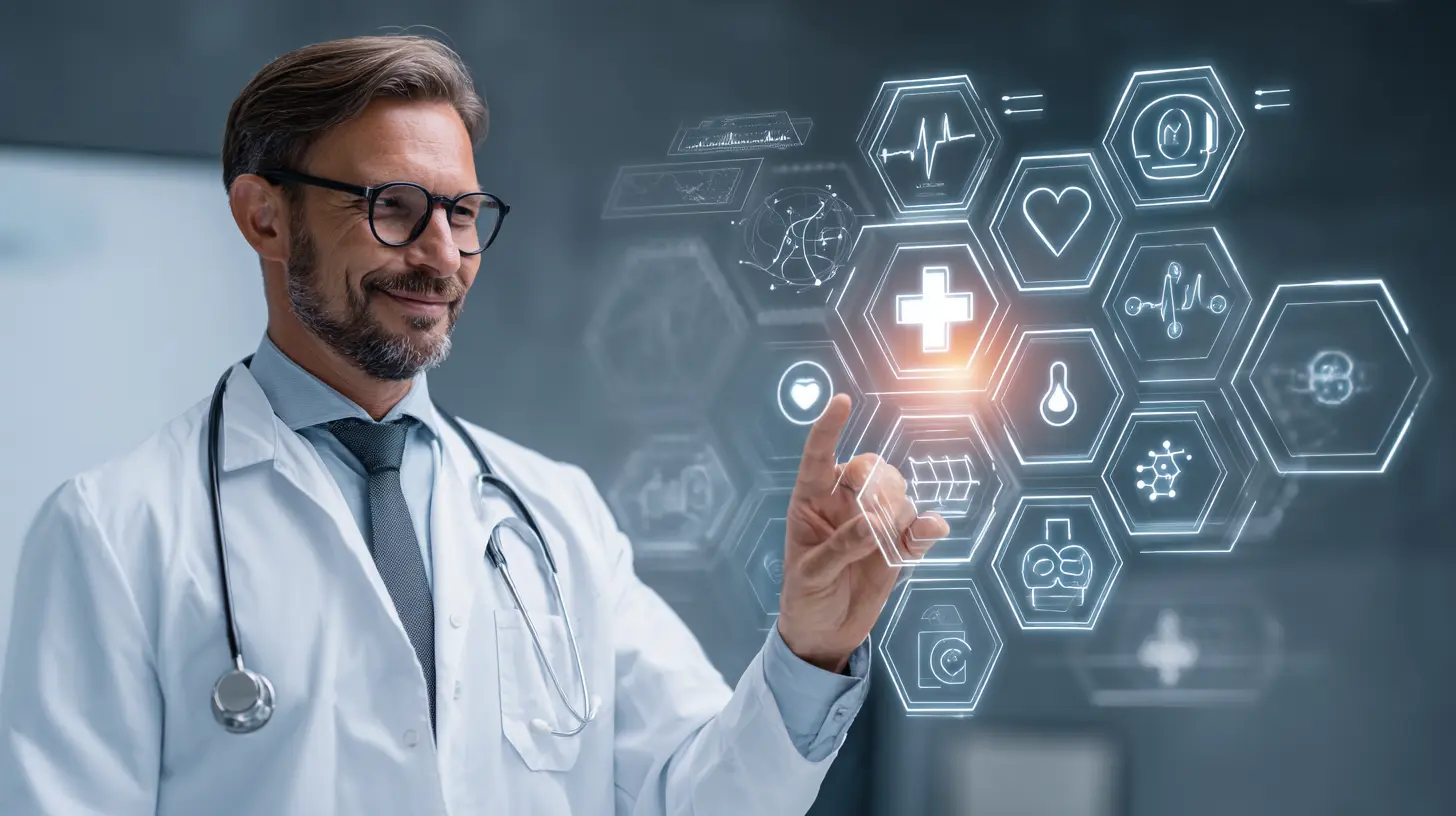
The biggest shift you'll see in 2027 is that telemedicine will stop being about video calls. Think about it: when you call a friend on FaceTime, you're just replicating a face-to-face conversation. But healthcare isn't a conversation. It's a diagnosis, a prescription, a follow-up, a mental health check-in. By 2027, the platform itself will do a lot of the heavy lifting.Imagine you wake up with a sore throat. Instead of booking a time slot for a 15-minute video chat, you open an app, describe your symptoms in a few sentences, and the AI triage system asks you a series of smart questions. It checks your voice tone for hoarseness, analyzes your cough pattern through your phone's microphone, and even uses the camera to check for redness in your throat. Within minutes, you get a recommendation: "You likely have a viral infection. Here's a care plan. If symptoms worsen, we'll connect you to a human provider."
That's not science fiction. That's the direction we're heading. The human doctor doesn't disappear. They just step in when the situation needs nuance, empathy, or a prescription that the AI can't handle. The boring stuff gets automated, and the doctor's time gets reserved for the cases that actually need their expertise.
Wearables That Actually Talk to Your Doctor
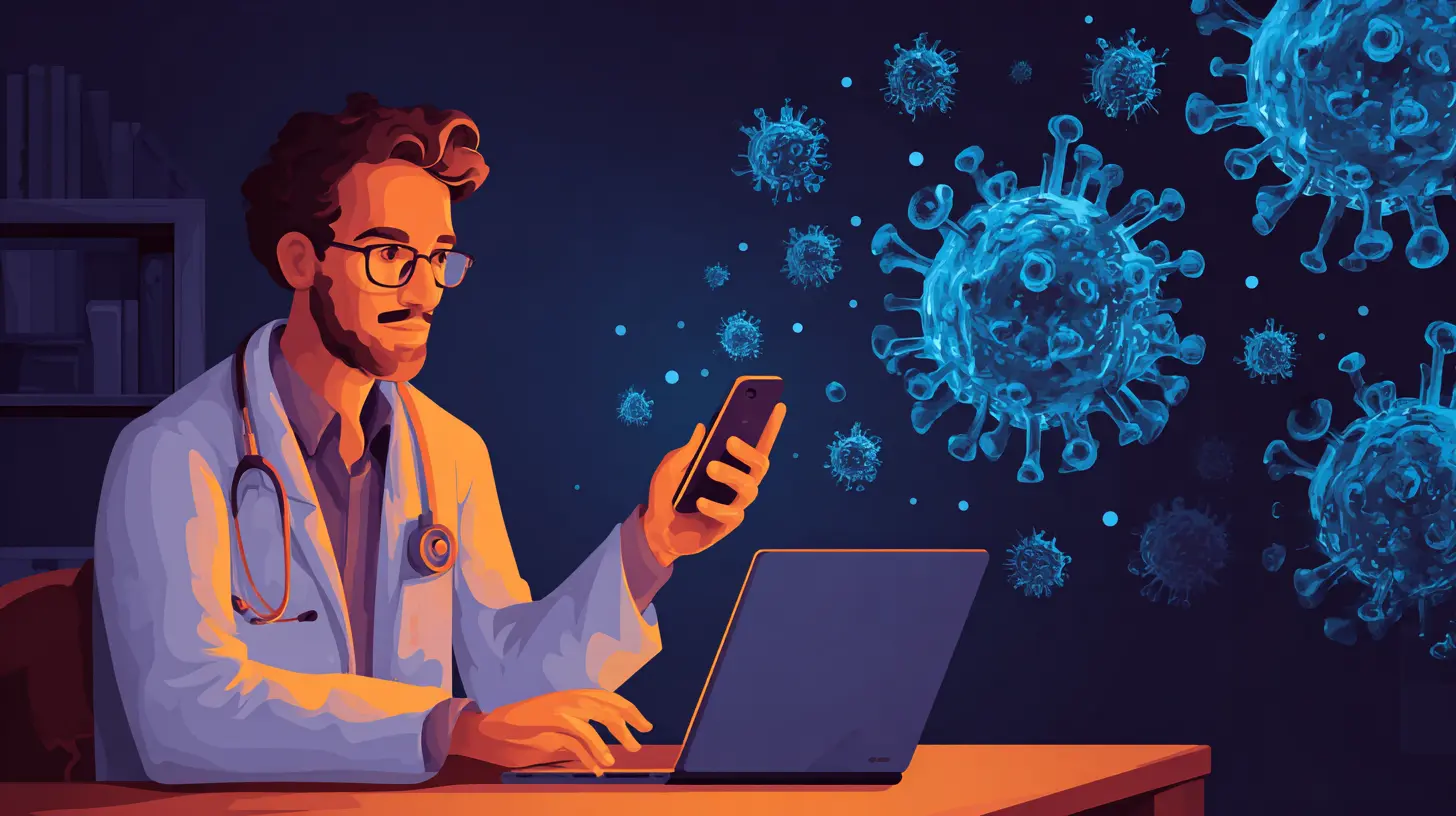
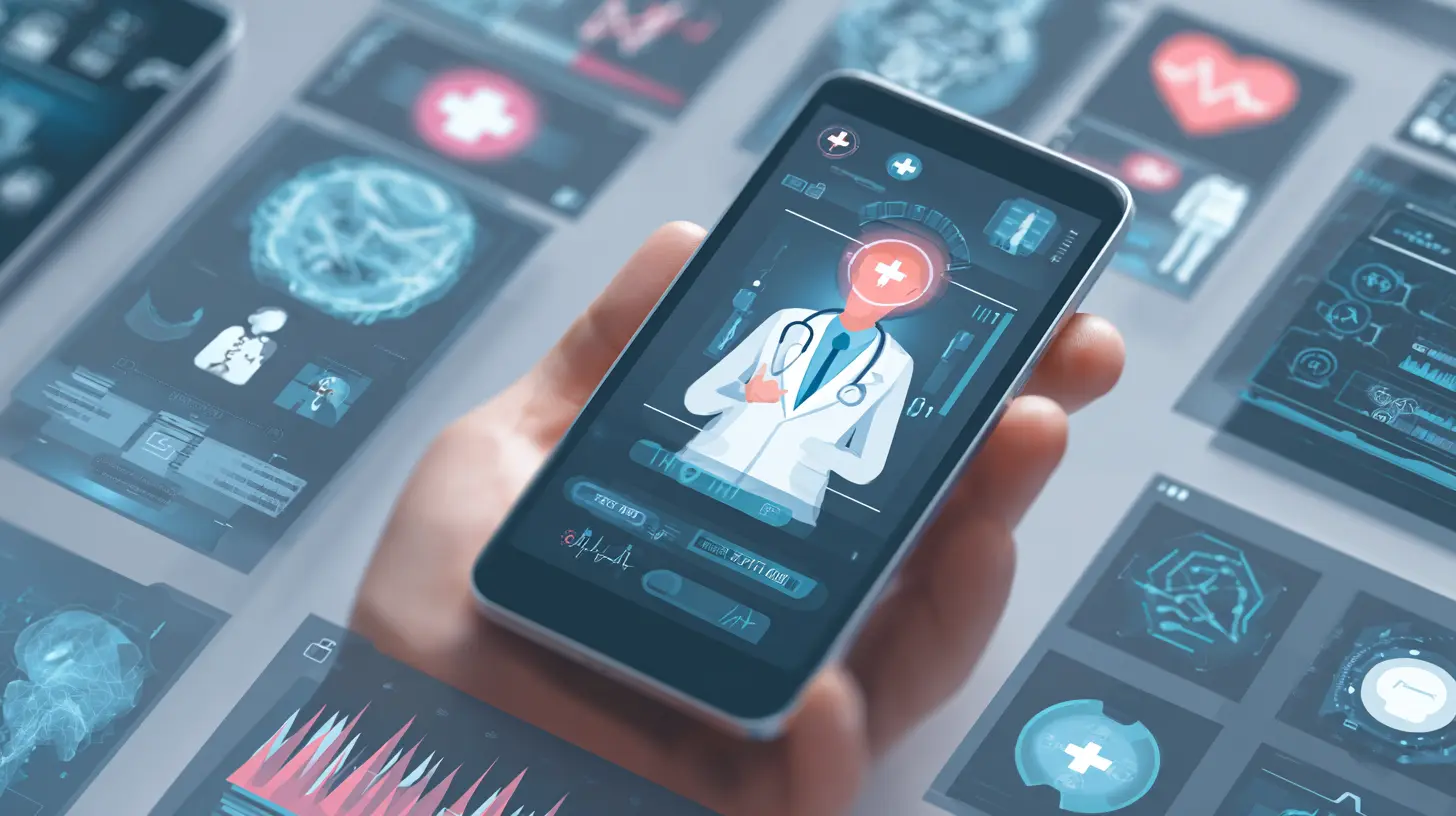
Right now, your smartwatch might tell you your heart rate is elevated. But what does that mean? Is it anxiety, dehydration, or something more serious? In 2027, your wearable won't just collect data. It will send that data directly to your telemedicine platform, and the platform will know your baseline.Let me give you a concrete example. Say you have type 2 diabetes. In 2027, your continuous glucose monitor (CGM) streams real-time data to your telemedicine dashboard. The system notices that your blood sugar spikes every afternoon around 2 PM. It cross-references that with your food log, your activity level, and your sleep patterns. Then it sends you a message: "You might want to swap your afternoon snack for something with more fiber. Here's a recipe. We've also adjusted your insulin dosage. Check with your endocrinologist at your next virtual visit."
This isn't a passive dashboard you ignore. It's an active partner. And your doctor gets a weekly summary that highlights only the important changes, not a firehose of raw numbers. The result? Better management of chronic conditions without the constant back-and-forth of phone calls and office visits.
The Rise of the "Micro-Visit"
We all have those moments where we need a quick answer but don't want to schedule a full appointment. "Is this rash serious?" "Can I take ibuprofen with my blood pressure medication?" "My kid's fever is 101. Should I worry?" In 2027, these will be handled by micro-visits.A micro-visit is a two-minute asynchronous interaction. You send a text, a photo, or a short voice note. A nurse practitioner or a physician assistant reviews it within an hour and gives you a clear answer. No waiting on hold. No "we'll call you back." Just a quick, professional response.
This is huge for parents, for people with busy jobs, and for anyone who has ever hesitated to call the doctor because it felt like a hassle. Micro-visits fill the gap between "Google it and panic" and "book an appointment and wait three days." And because they're cheap and fast, they'll become the default for low-acuity issues.

Mental Health Gets a Real Upgrade
Telemedicine for mental health was already booming during the pandemic. But by 2027, it will look very different. Right now, a lot of online therapy is just talking to a therapist over video. That's fine, but it's not much better than in-person therapy for many people.In 2027, expect to see "prescription digital therapeutics." These are FDA-approved apps that deliver structured therapy for conditions like depression, anxiety, and insomnia. You don't just talk to someone. You work through modules, complete exercises, and get feedback from both the AI and your therapist. The therapist uses the data to personalize your treatment.
For example, if you're struggling with social anxiety, the app might prompt you to record a short video of yourself speaking to a stranger. Then it analyzes your speech patterns, eye contact, and body language. Your therapist reviews the recording and gives you targeted feedback before your next session. It's like having a coach in your pocket.
And here's the kicker: because these digital therapeutics are scalable, they're cheaper. That means more people can access quality mental health care, especially in rural areas or underserved communities where therapists are scarce.
The "Pharmacy at Your Doorstep" Integration
One of the biggest pain points in healthcare is the gap between diagnosis and treatment. You see the doctor, they send a prescription to the pharmacy, you drive there, wait in line, and hope they have it in stock. By 2027, telemedicine platforms will own the entire pipeline.You'll finish your virtual visit, and the system will check your insurance, find the cheapest pharmacy that delivers to your address, and schedule a delivery for the next day. If it's an urgent medication like an antibiotic, a drone or a courier might bring it within two hours. Some platforms will even offer same-day delivery for common medications.
This integration extends to lab work too. Need a blood test? The telemedicine app schedules a mobile phlebotomist to come to your home or office. The results go directly to your doctor, who reviews them and updates your care plan without you having to lift a finger. The entire experience becomes seamless, like ordering a pizza, but with better outcomes.
The Doctor-Patient Relationship Gets Stronger
There's a fear that telemedicine will make healthcare impersonal. I get it. But the opposite is happening. In 2027, because routine check-ins are easier, you'll actually talk to your doctor more often, not less.Think about it: right now, you see your primary care doctor once a year for a physical. If something comes up, you either ignore it or go to an urgent care clinic where you see a stranger. With telemedicine, you can text your doctor's office with a question and get a reply within hours. You can do a quick video check-in for medication adjustments. Your doctor sees your data between visits.
Over time, this builds trust. Your doctor knows your patterns. You know they're accessible. The relationship becomes less about a single annual event and more about an ongoing partnership. That's the kind of healthcare that actually keeps people healthy, not just treats them when they're sick.
The Elephant in the Room: Privacy and Security
Let's not pretend everything is perfect. By 2027, the amount of personal health data floating around will be enormous. Wearables, apps, video recordings, genetic tests, mental health journals. All of it is juicy target for hackers.The good news is that regulation is catching up. In the US, HIPAA is getting updates to cover digital health platforms more explicitly. In Europe, GDPR is already strict. But the real solution won't come from laws alone. It will come from technology.
Expect to see widespread use of end-to-end encryption for all telemedicine communications. Biometric authentication, like fingerprint or facial recognition, will be standard for logging into health apps. Some platforms will even use blockchain to give you control over who sees your data and for how long. You'll be able to grant temporary access to a specialist and revoke it after the consultation.
But here's the honest truth: no system is 100% secure. The trade-off for convenience and better care is that you have to trust the platform. The winners in 2027 will be the companies that are transparent about their security practices and make it easy for you to manage your own data.
Who Gets Left Behind?
Telemedicine has a lot of promise, but it's not a magic bullet. By 2027, we'll still have a digital divide. Not everyone has a reliable internet connection, a smartphone, or the digital literacy to navigate these platforms. Older adults, low-income families, and people in rural areas could be left out.Some companies are already addressing this. They offer telemedicine kiosks in community centers, libraries, and pharmacies. You walk in, sit in a private booth, and connect to a provider through a high-quality screen. The booth has connected devices like a stethoscope, an otoscope, and a blood pressure cuff. It's like a mini doctor's office without the doctor.
Others are using plain old telephone calls for patients who can't do video. A simple voice call with a nurse can handle a surprising number of issues, especially when combined with mailed-in lab kits.
The point is, telemedicine in 2027 won't be one-size-fits-all. The best systems will offer multiple access points: app, web, phone, kiosk, and even in-person for when you really need to be there. Choice is the key.
The Role of AI: Not a Replacement, a Partner
I keep hearing people worry that AI will replace doctors. That's not what's happening. What's happening is that AI will handle the boring, repetitive, and data-heavy tasks, freeing up doctors to do what they do best: think critically, show empathy, and make complex decisions.In 2027, an AI might read your chest X-ray and flag a potential nodule. But a radiologist will still review it and make the final call. An AI might suggest a diagnosis based on your symptoms, but a doctor will consider your full history and ask the questions the AI missed. The AI is a tool, not a replacement.
Think of it like a calculator. A calculator doesn't replace a mathematician. It just lets them focus on harder problems. Same thing here.
What This Means for You
So what does all this mean for someone reading this in 2025 or 2026? It means you should start paying attention to your telemedicine options now. Not because you need them today, but because the habits you build today will shape your experience tomorrow.If your insurance offers a telemedicine benefit, use it for something simple, like a prescription refill or a cold. Get comfortable with the interface. Try a wearable that tracks something you care about, like sleep or activity. The more data you have, the more value telemedicine will provide.
And don't be afraid to ask questions. "How is my data protected?" "Can I talk to the same doctor every time?" "What happens if I need a physical exam?" The good platforms will have clear answers. The bad ones will dodge the questions. Vote with your wallet.
The Bottom Line
Telemedicine in 2027 won't be about replacing doctors with screens. It will be about making healthcare more accessible, more personal, and more proactive. You'll still need in-person care for serious injuries, surgeries, and complex diagnostics. But for the 80% of healthcare that's routine, preventive, or chronic, virtual care will become the default.And honestly? That's a good thing. It means less time in waiting rooms, fewer missed work days, and better management of your health. It means your doctor knows you as a person, not just a chart. And it means that when something goes wrong, you can get help fast, without jumping through hoops.
The pandemic forced us to try telemedicine. By 2027, we'll wonder how we ever lived without it.
all images in this post were generated using AI tools
Category:
Tech In HealthcareAuthor:

Michael Robinson
Discussion
rate this article
2 comments
Zevin Ward
Telemedicine is reshaping healthcare for the better. By 2027, expect innovation that empowers patients and transforms access to care.
June 24, 2026 at 4:06 AM
Thalwen Blevins
Great insights on the future of telemedicine! As technology continues to evolve, it's exciting to think about how access to healthcare will improve. Embracing innovation could lead to better patient experiences and outcomes. Looking forward to seeing how it all unfolds by 2027!
May 15, 2026 at 3:50 AM
Michael Robinson
Thanks for your thoughts! I'm excited too about the potential for innovation in telemedicine and its impact on patient care by 2027.