The Economic Benefits of Investing in Renewable Energy Technologies
28 June 2026
When people talk about renewable energy, the first thing that comes to mind is usually environmental benefits—cutting down carbon emissions, slowing down climate change, and creating a cleaner planet. While all of that is true, there’s another side to the story that doesn’t get enough attention: the economic benefits of investing in renewable energy technologies.
The shift towards solar, wind, hydro, and other sustainable power sources isn’t just about saving the environment—it’s also about saving (and making) money. Governments, businesses, and even everyday consumers can gain financially from adopting renewable energy solutions. Let’s break it down.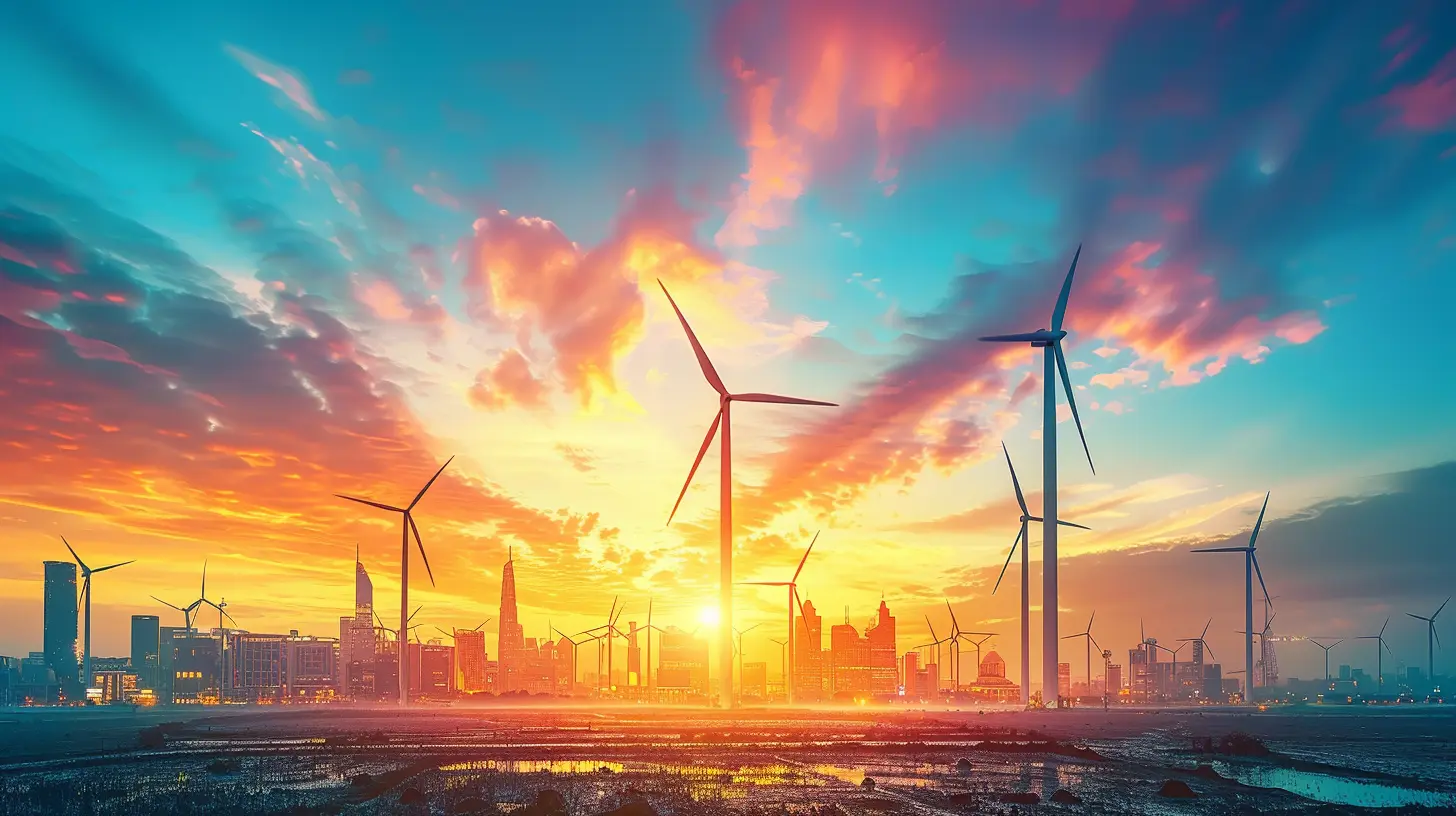
1. Job Creation and Economic Growth
One of the biggest economic boons of renewable energy is the massive number of jobs it creates. Unlike fossil fuels, which rely on heavily automated extraction and refining processes, renewable energy industries require a larger workforce at almost every stage—manufacturing, installation, maintenance, and research.Solar & Wind Power: The New Job Giants
- The solar industry alone employs millions globally, with jobs ranging from panel production to on-site installation.- Wind energy is another major employer, offering a variety of roles in turbine manufacturing, construction, and long-term maintenance.
Compared to coal or oil, these sectors provide more long-term, stable jobs. While fossil fuel industries are on the decline, renewables are booming—which means more opportunities for workers worldwide.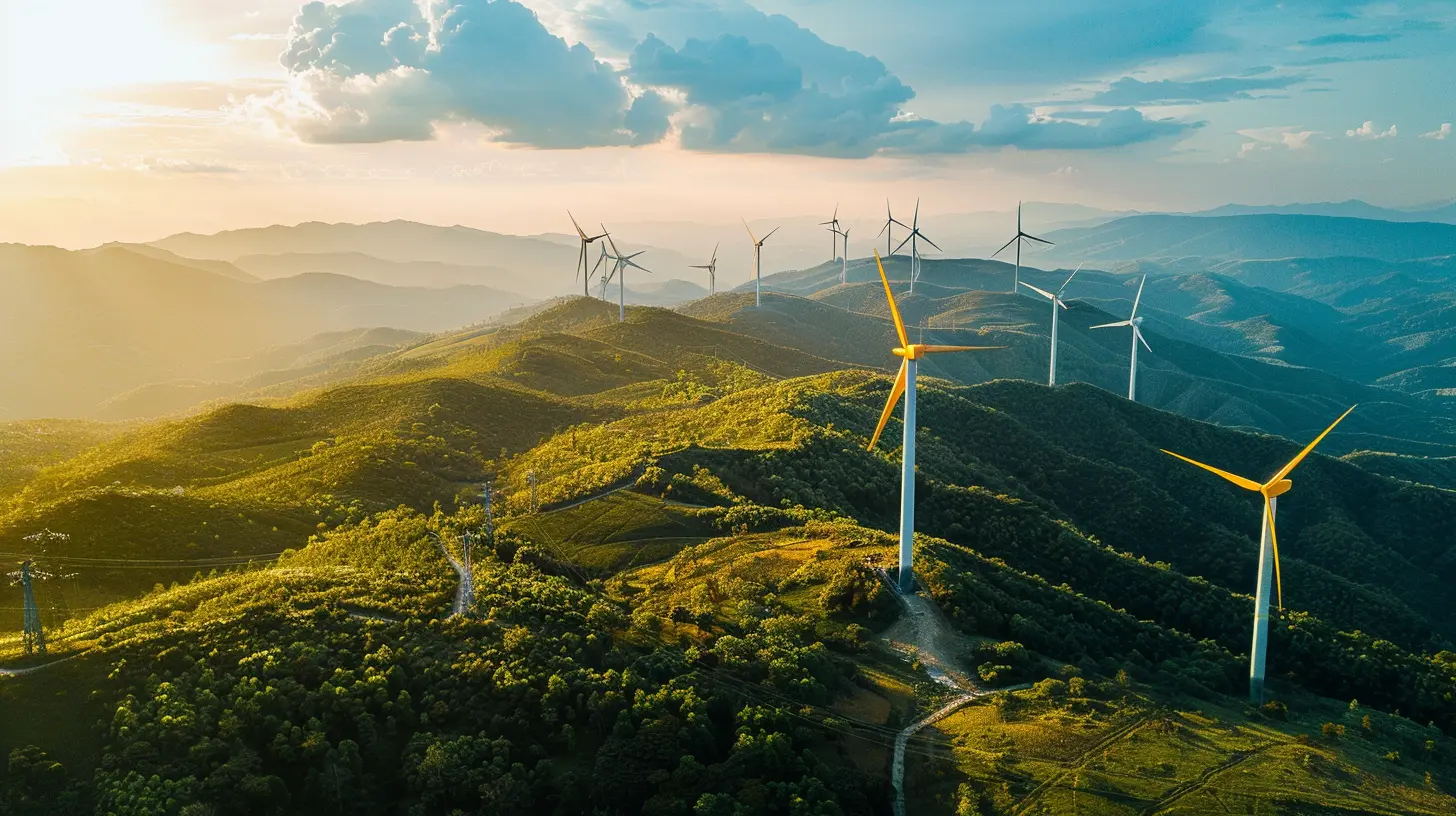
2. Energy Independence & National Security
Relying on imported oil and gas comes with its own set of headaches—price fluctuations, political tensions, and supply chain disruptions. Countries that depend on foreign energy sources risk economic instability every time global oil prices swing or geopolitical conflicts arise.How Renewables Improve Energy Independence
- By investing in local renewable energy sources, countries reduce dependency on foreign fuel.- This leads to greater price stability, since the cost of sunlight, wind, and water doesn’t fluctuate like oil and gas.
- It also protects nations from supply shocks that can send energy prices soaring overnight.
Simply put, the more a country invests in renewables, the less it has to worry about energy-related economic crises.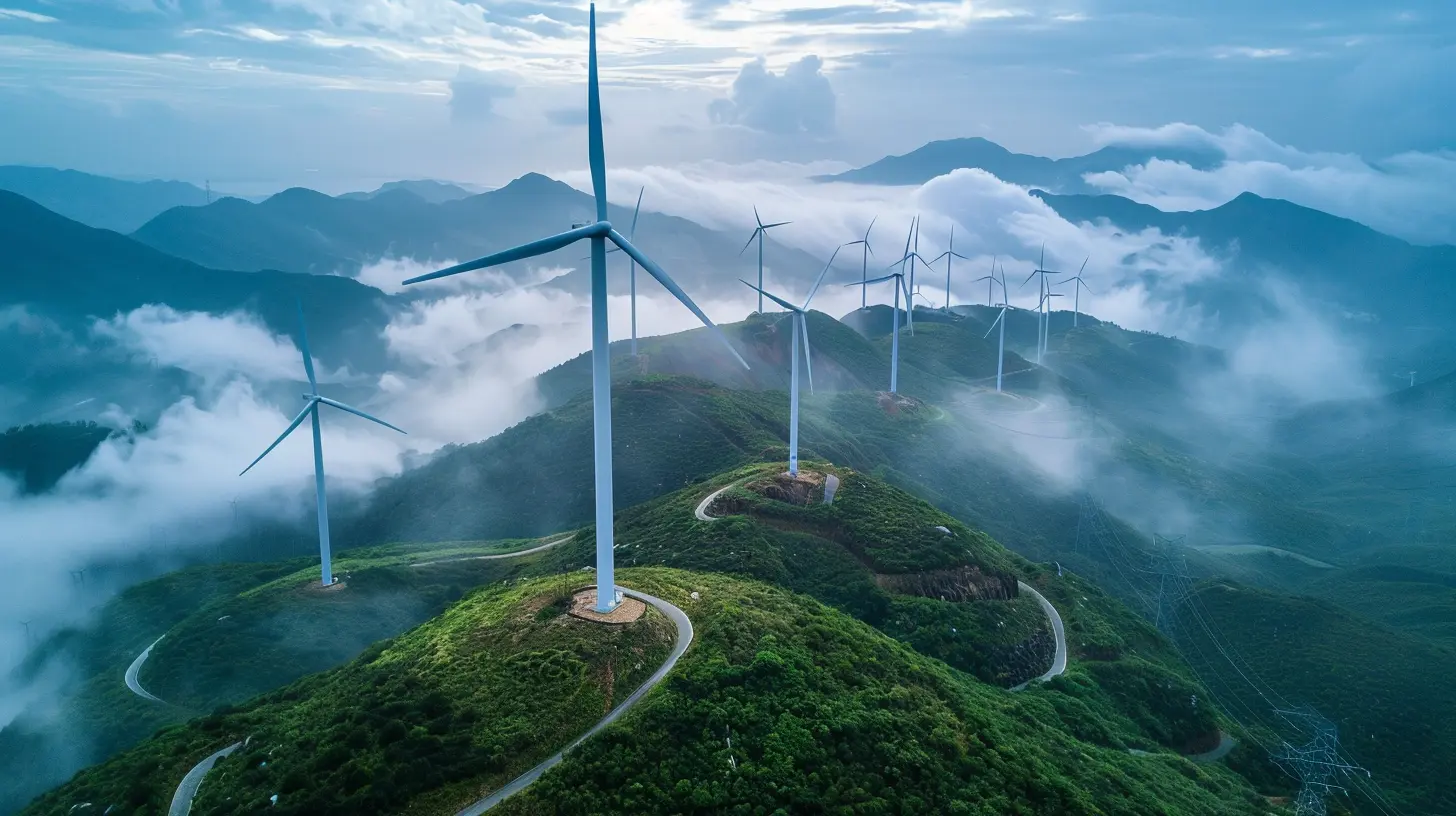
3. Lower Energy Costs in the Long Run
Yes, installing solar panels or wind turbines requires an initial investment, but here’s the thing—once they’re up and running, the energy is practically free. Unlike fossil fuels, where you have to keep paying for coal, oil, or gas, renewable energy sources don’t need constant refueling.The Cost Advantage
- Solar and wind power costs have dropped significantly over the last decade.- The price of solar electricity has plummeted by over 80% in the last 10 years.
- Wind energy is now one of the cheapest forms of electricity generation worldwide.
As technology advances, these costs will only continue to decline, making renewable energy the most affordable long-term option.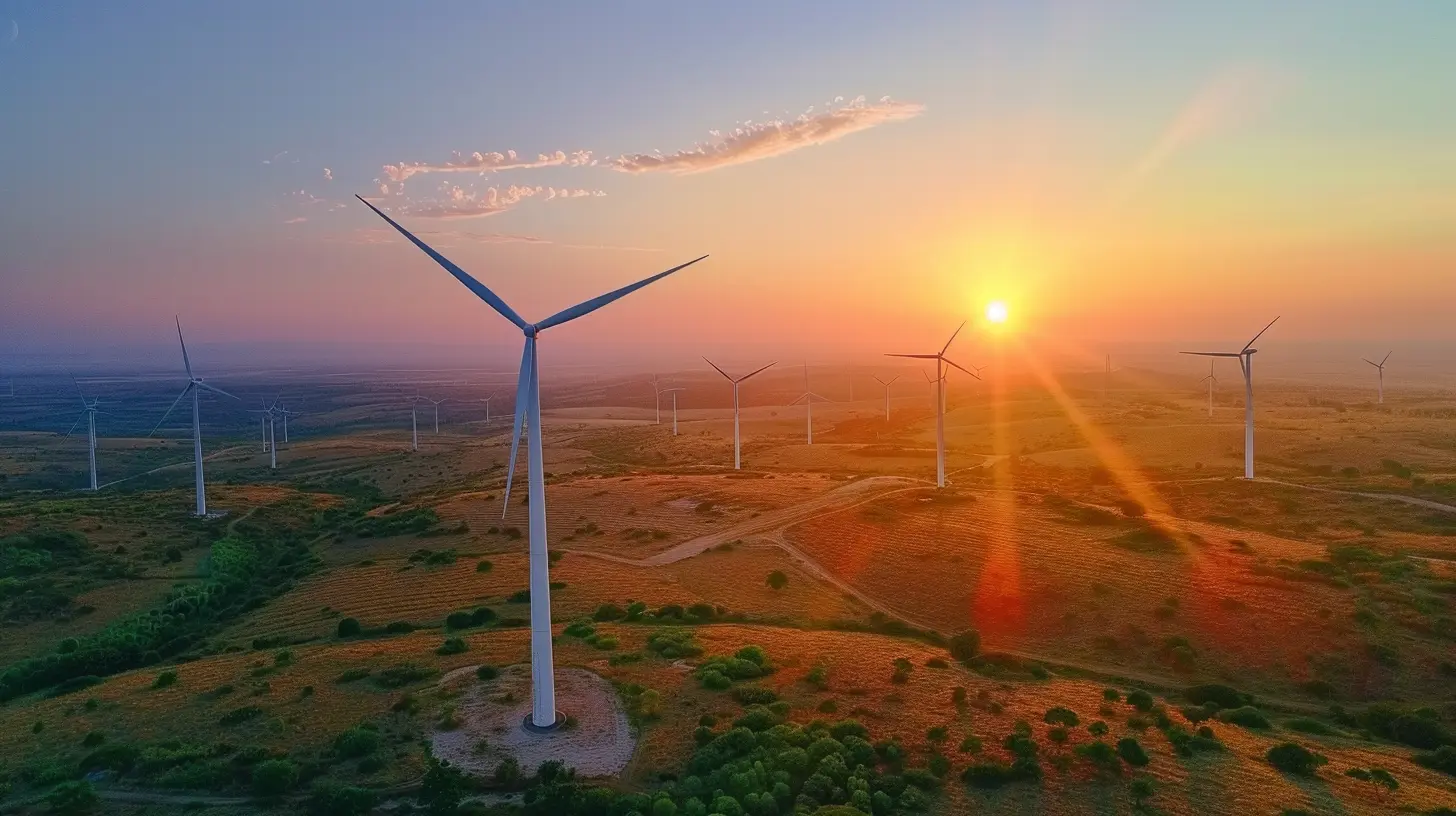
4. Increased Investment Opportunities
Renewable energy is one of the fastest-growing investment sectors in the world. Governments, private companies, and even individual investors are pouring money into clean energy projects because they see the long-term profitability.Profitable Sectors to Watch
- Solar farms and wind projects provide steady revenue streams.- Battery storage technology is a rapidly expanding market.
- Green hydrogen is emerging as a game-changer for industries like shipping and transportation.
For investors looking for high returns with long-term sustainability, renewable energy is one of the best bets.
5. Reduced Healthcare Costs
Fossil fuel pollution doesn’t just contribute to climate change—it also affects public health. Air pollution from burning coal, oil, and gas leads to respiratory diseases, heart problems, and even premature deaths. This, in turn, leads to higher healthcare costs for individuals and governments alike.How Renewables Improve Public Health
- Replacing fossil fuels with clean energy significantly reduces air pollution.- Fewer cases of asthma, lung disease, and heart conditions translate to lower medical expenses.
- Governments save billions in healthcare costs, which can be redirected toward other critical areas like education and infrastructure.
It's a simple equation: Fewer fossil fuels = Healthier people = Lower healthcare costs.
6. Boosting Rural and Local Economies
One of the biggest winners in the renewable energy revolution? Rural communities. Many renewable energy projects, like solar and wind farms, are built in less densely populated areas, creating jobs and new revenue streams for local economies.How Rural Areas Benefit
- Landowners can lease their land for wind farms, creating steady passive income.- Small towns can see an economic boost from increased employment opportunities.
- Local businesses benefit from the influx of workers who spend money on housing, food, and services.
Instead of relying on industries that may leave towns behind, renewables bring long-term economic stability.
7. Corporate Profitability and Brand Value
Big businesses aren’t investing in renewable energy out of pure generosity—it’s just good economics. Companies that adopt renewables save money on operational costs, improve their brand image, and attract eco-conscious customers.Business Perks of Going Green
- Lower electricity bills from using solar and wind power.- Government incentives, including tax breaks and subsidies, make switching easier.
- Better public perception, as consumers prefer brands committed to sustainability.
From tech giants like Google and Apple to retail chains like Walmart, companies across the globe are embracing renewables.
8. Government Incentives and Tax Benefits
Governments around the world want people to invest in renewable energy, so they’re offering huge financial incentives to make it happen.Some Common Incentives
- Tax credits for installing solar panels or wind turbines.- Grants and subsidies for businesses switching to clean energy.
- Net metering, which lets homeowners sell excess solar power back to the grid.
These policies make investing in renewables even more financially attractive.
9. Long-Term Stability Compared to Fossil Fuels
Fossil fuels are notorious for price volatility—one minute oil prices are low, and the next they skyrocket due to geopolitical conflicts or supply chain disruptions. On the other hand, renewable energy is stable.Why Renewables Offer Stability
- Sunlight and wind aren’t controlled by global markets.- Prices remain predictable, unlike oil & gas.
- Once infrastructure is built, maintenance costs are low.
This price consistency helps businesses, governments, and individuals plan finances without worrying about sudden spikes in energy costs.
The Bottom Line
Investing in renewable energy technologies isn't just an environmental necessity—it’s a smart financial move. From creating jobs and boosting economies to lowering energy costs and improving public health, renewables offer a huge range of economic benefits that can’t be ignored.As costs continue to drop and technology advances, the financial case for going green is stronger than ever. Whether you’re a government official, a business owner, or just someone looking to cut your energy bills, switching to renewable energy makes solid economic sense.
all images in this post were generated using AI tools
Category:
Renewable EnergyAuthor:

Michael Robinson
Discussion
rate this article
1 comments
Elin Bailey
Investing in renewable energy not only boosts the economy but also fosters innovation and sustainability. It's a win-win for both the planet and future generations.
June 30, 2026 at 4:15 AM
Michael Robinson
Absolutely. Investing in renewable energy drives economic growth and sparks new ideas, benefiting both the environment and future generations. It's a crucial step forward.