The Evolution of Solar Farms: From Rural Fields to Urban Spaces
15 March 2026
Have you ever looked up at the sun and thought, "Wow, imagine if we could harness all that energy!" Well, that’s exactly what solar farms do. Over the past few decades, solar farms have grown from a small niche technology to a major player in the global energy market. What started out as vast arrays of solar panels in rural fields is now making its way into bustling cities. But how did we get here? And where are we headed? Let’s take a look at the fascinating evolution of solar farms and why they’re becoming more important than ever.
The Early Days of Solar Power: Rural Beginnings
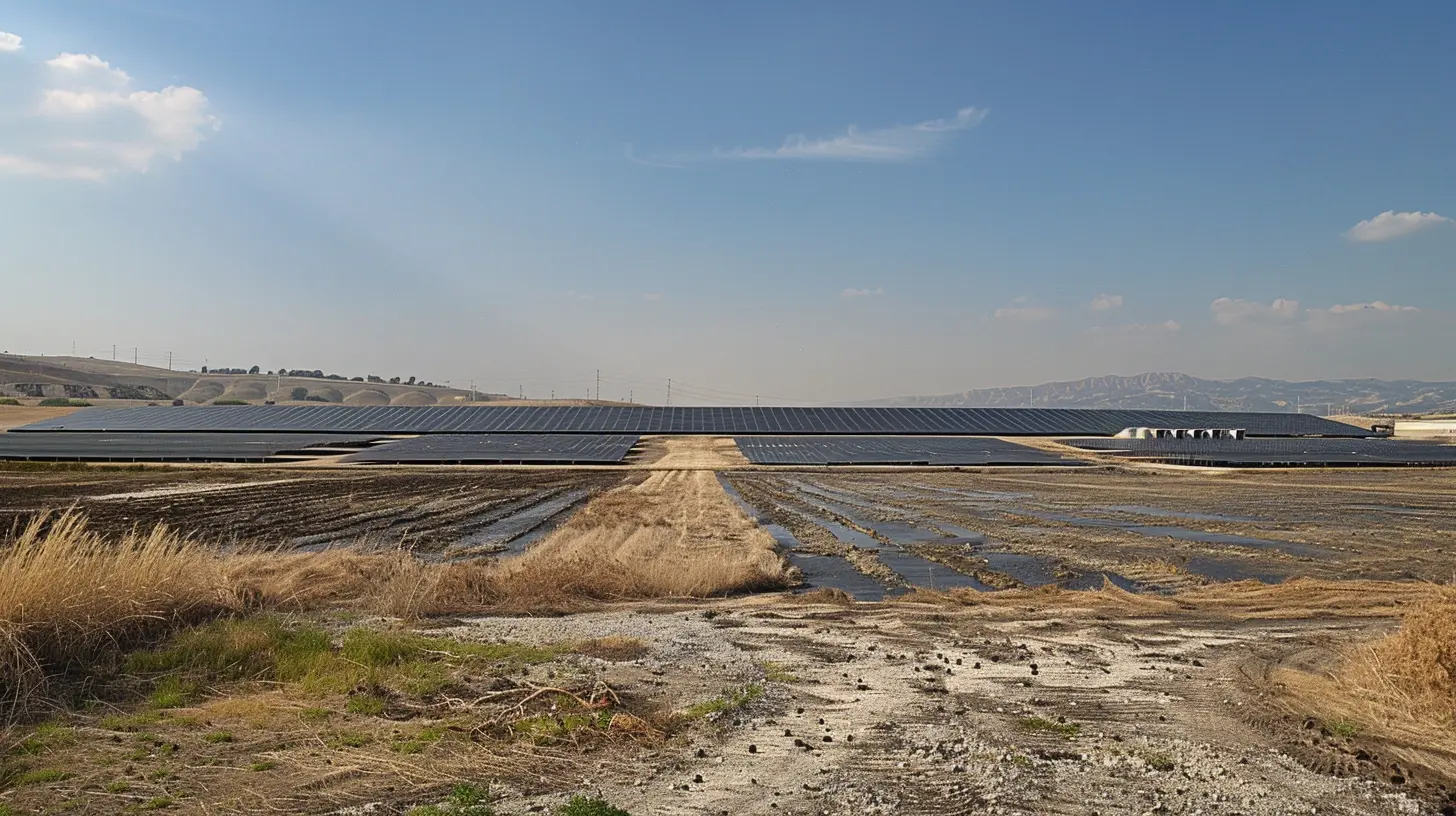
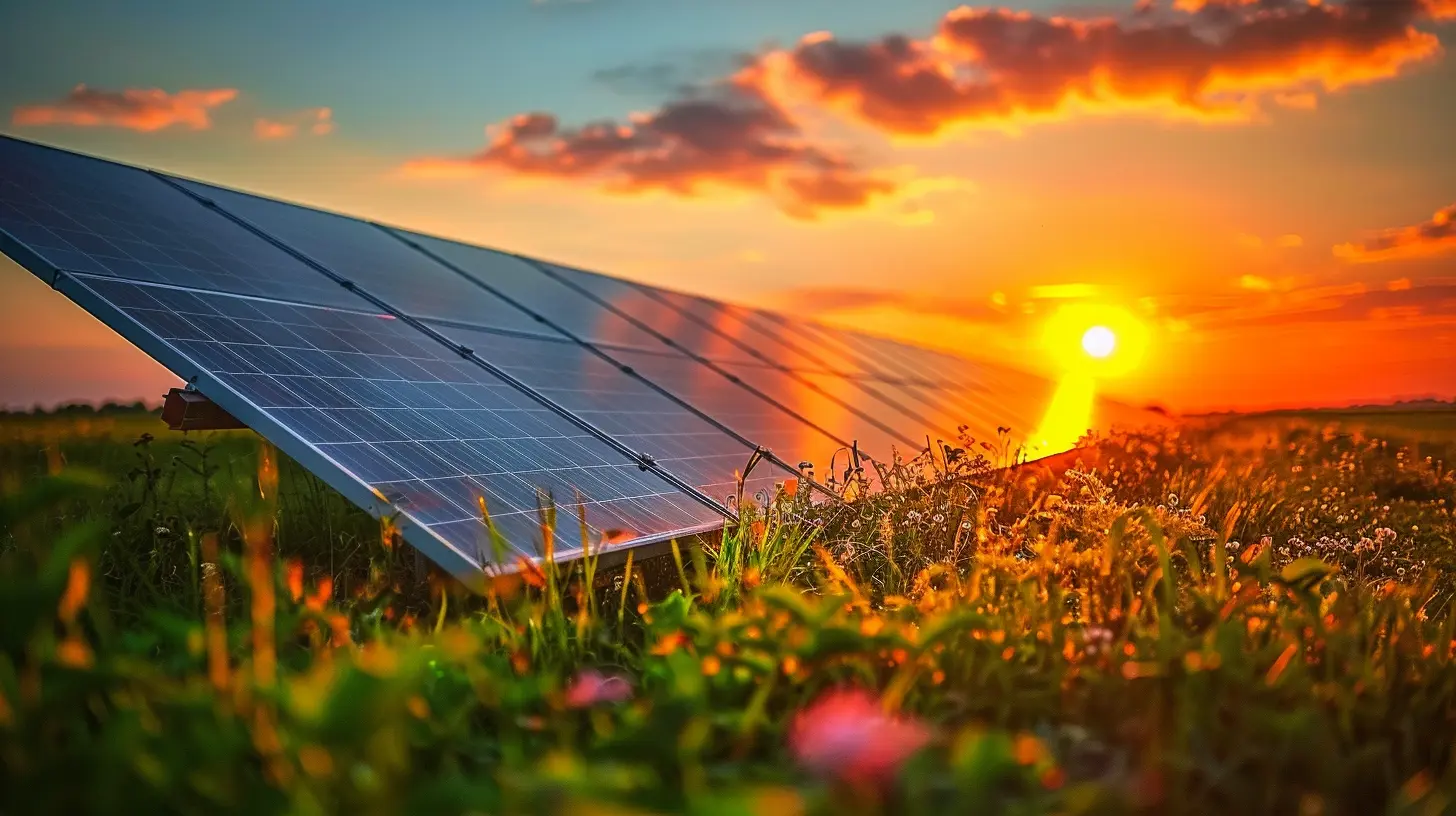
When solar farms first came onto the scene, they were primarily located in rural areas. Why? Well, for starters, you need a lot of space to set up rows upon rows of solar panels. The wide-open countryside provided the perfect environment to get these projects off the ground.In the 1970s and 1980s, when the world first started exploring renewable energy, solar power was expensive and less efficient than it is today. Early solar panels had lower energy conversion rates, meaning you needed a lot of them to generate a decent amount of electricity. This naturally led to the creation of large solar farms in remote areas where land was cheap and abundant.
At that time, solar energy was seen as a small supplement to traditional energy sources like coal and oil. People weren’t exactly clamoring to invest in solar farms. But as technology progressed and public awareness of climate change grew, things started to shift.
Solar Farms: A Growing Movement
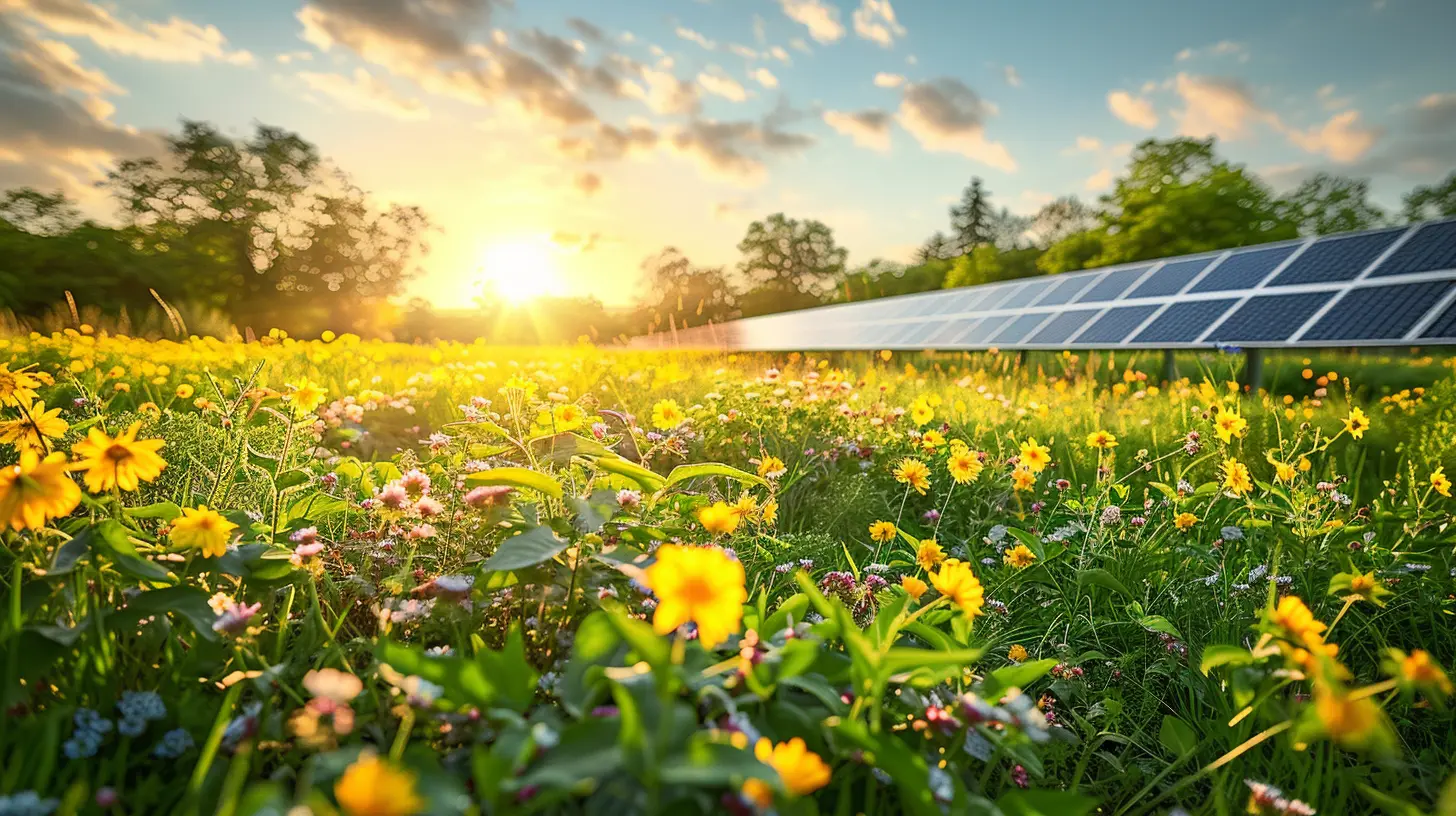
Fast forward to the 2000s, and solar technology had made some serious strides. The cost of solar panels began to drop significantly, and their efficiency improved. Suddenly, solar farms weren’t just an experimental project for eco-friendly enthusiasts—they were a viable business opportunity.Countries like Germany, the United States, and China began investing heavily in solar farms. Rural areas continued to be the primary location for these projects, largely because of the available land. However, people began to realize that solar energy had the potential to be more than just a rural phenomenon.
In these early days, the main focus was on creating large-scale solar farms that could generate enough electricity to power entire communities. These farms were often connected to the national grid, helping to offset the energy produced by coal and gas plants. In essence, solar farms were becoming an integral part of the global energy mix.
The Shift Toward Urban Spaces
As solar technology continued to improve, it became clear that solar farms didn’t need to be confined to rural areas. Cities, with their vast rooftops and unused spaces, presented a new frontier for solar power.Urban areas have a unique set of challenges when it comes to energy. They are densely populated, meaning they consume a lot of electricity. At the same time, they don’t have the wide-open spaces that rural areas do. But that didn’t stop innovators from finding creative ways to bring solar farms into the city.
One of the most exciting developments in recent years has been the rise of urban solar farms. These aren’t your traditional sprawling solar farms; instead, they’re often located on rooftops, parking lots, and even the sides of buildings. Think of it like turning a concrete jungle into a green energy powerhouse.

Rooftop Solar Farms: Maximizing Urban Potential
Rooftop solar farms are one of the most popular ways cities are embracing solar power. You’ve probably seen solar panels popping up on homes and businesses in your neighborhood. But this isn’t just a trend for individual homeowners—entire commercial buildings are being outfitted with solar panels to create mini solar farms in the heart of the city.By installing solar panels on rooftops, urban areas can generate their own electricity without needing to rely on large, centralized power plants. This not only reduces the strain on the electric grid but also helps cut down on carbon emissions.
One of the biggest benefits of rooftop solar farms is that they make use of space that would otherwise go to waste. Let’s face it, rooftops are often just sitting there, doing nothing. Why not put them to work generating clean, renewable energy?
Solar Canopies: A Creative Urban Solution
Another innovative way that solar farms are making their way into cities is through the use of solar canopies. These canopies are essentially solar panels installed over parking lots, public spaces, or even roadways.Imagine pulling into a parking lot and being shielded from the sun by a sleek, modern canopy made of solar panels. Not only does this provide shade for your car, but it also generates electricity that can be used to power nearby buildings. It’s a win-win!
Solar canopies are especially popular in places like shopping malls, airports, and universities where large parking lots are common. They offer an easy way to generate solar power without taking up additional land or space. Plus, they add a futuristic touch to urban landscapes.
Vertical Solar Farms: Scaling Buildings, Not Land
When you think of a solar farm, you probably picture rows of panels laid out flat. But in cities, space is at a premium. That’s where vertical solar farms come into play.Vertical solar farms are panels installed on the sides of buildings. These farms take advantage of tall structures to generate electricity without using any ground space. It’s like turning a skyscraper into a giant solar panel!
This concept is still relatively new, but it’s gaining traction in cities around the world. By using vertical surfaces, urban areas can significantly increase their solar energy production without encroaching on valuable land. It’s a smart, space-saving solution for the modern city.
The Role of Technology in Urban Solar Farms
One of the key drivers behind the shift from rural to urban solar farms has been advancements in technology. Solar panels today are much more efficient than they were just a decade ago. They can generate more electricity in a smaller area, making them perfect for urban settings where space is limited.Additionally, new technologies like energy storage systems and smart grids are making it easier to integrate solar power into urban infrastructures. Batteries can store excess energy generated during the day, allowing cities to use solar power even when the sun isn’t shining. Meanwhile, smart grids can manage the flow of electricity, ensuring that solar farms work seamlessly with the existing power grid.
There’s also been a push to make solar panels more visually appealing. Let’s face it, traditional solar panels aren’t exactly known for their looks. But new designs, like solar shingles and transparent solar panels, are changing that. These innovations blend solar technology into the urban environment without disrupting the aesthetic of buildings.
The Benefits of Urban Solar Farms
So, why is the move to urban solar farms such a big deal? Well, there are a few key benefits that make this trend worth paying attention to.First and foremost, urban solar farms help cities reduce their reliance on fossil fuels. By generating clean energy on-site, cities can lower their carbon emissions and contribute to the fight against climate change. This is especially important as more and more people move into cities, increasing the demand for electricity.
Urban solar farms also promote energy independence. Instead of relying solely on power from distant plants, cities can generate their own electricity right where it’s needed. This reduces the risk of power outages and makes the energy grid more resilient.
Finally, urban solar farms can help lower energy costs. Once the initial investment is made, solar power is incredibly cheap to produce. By generating their own electricity, cities can save money on energy bills, and those savings can be passed down to residents.
Challenges and Future Outlook
Of course, the transition to urban solar farms isn’t without its challenges. One of the biggest hurdles is the upfront cost of installing solar panels. While the price of solar technology has dropped, it’s still a significant investment, especially for large-scale projects in cities.There’s also the issue of space. While rooftops and parking lots offer some opportunities, cities are still limited in terms of available land. Finding creative ways to integrate solar panels into the urban landscape will be key to the continued growth of urban solar farms.
Looking ahead, the future of solar farms is bright (pun intended). As technology continues to improve, we can expect to see even more innovative solutions for generating solar power in cities. From solar windows to solar-powered streetlights, the possibilities are endless.
Urban solar farms are just one piece of the puzzle when it comes to transitioning to a renewable energy future. But they’re an important one. By bringing solar power into the heart of our cities, we can create a cleaner, more sustainable world for future generations.
Conclusion
The evolution of solar farms from rural fields to urban spaces is a testament to the power of innovation. What started out as a niche technology has grown into a global movement, transforming the way we think about energy. As cities continue to embrace solar power, we’re inching closer to a future where clean, renewable energy is the norm—not the exception. And that’s something we can all get excited about.all images in this post were generated using AI tools
Category:
Renewable EnergyAuthor:

Michael Robinson
Discussion
rate this article
2 comments
Nyari McPhail
What an insightful article! It's fascinating to see how solar farms have transformed from rural landscapes to urban environments, highlighting their pivotal role in sustainable energy solutions for cities.
April 4, 2026 at 2:29 AM
Michael Robinson
Thank you! I'm glad you found it insightful. Solar farms truly are transforming our cities and playing a crucial role in sustainable energy.
Haze Cooper
This article effectively highlights the growing integration of solar farms into urban environments. It's fascinating to see how technology has transformed renewable energy accessibility, pushing sustainability beyond rural areas and making it a viable urban solution.
March 15, 2026 at 12:27 PM
Michael Robinson
Thank you for your thoughtful comment! I'm glad you found the article highlights the exciting shift of solar farms into urban areas and the role of technology in enhancing renewable energy accessibility.