The Future of Interactive Video Editing in 2027
10 May 2026
You know that feeling when you're editing a video and you spend more time waiting for renders than actually being creative? Yeah, me too. But here's the thing: the future of interactive video editing in 2027 isn't just about faster timelines or prettier interfaces. It's about ripping up the rulebook and setting it on fire. We're talking about a world where your editing software talks back to you, where you can edit with your eyes, and where the concept of a "final cut" becomes as outdated as a flip phone. Buckle up, because this is going to get weird, wild, and wonderfully sassy.
The Death of the Linear Timeline
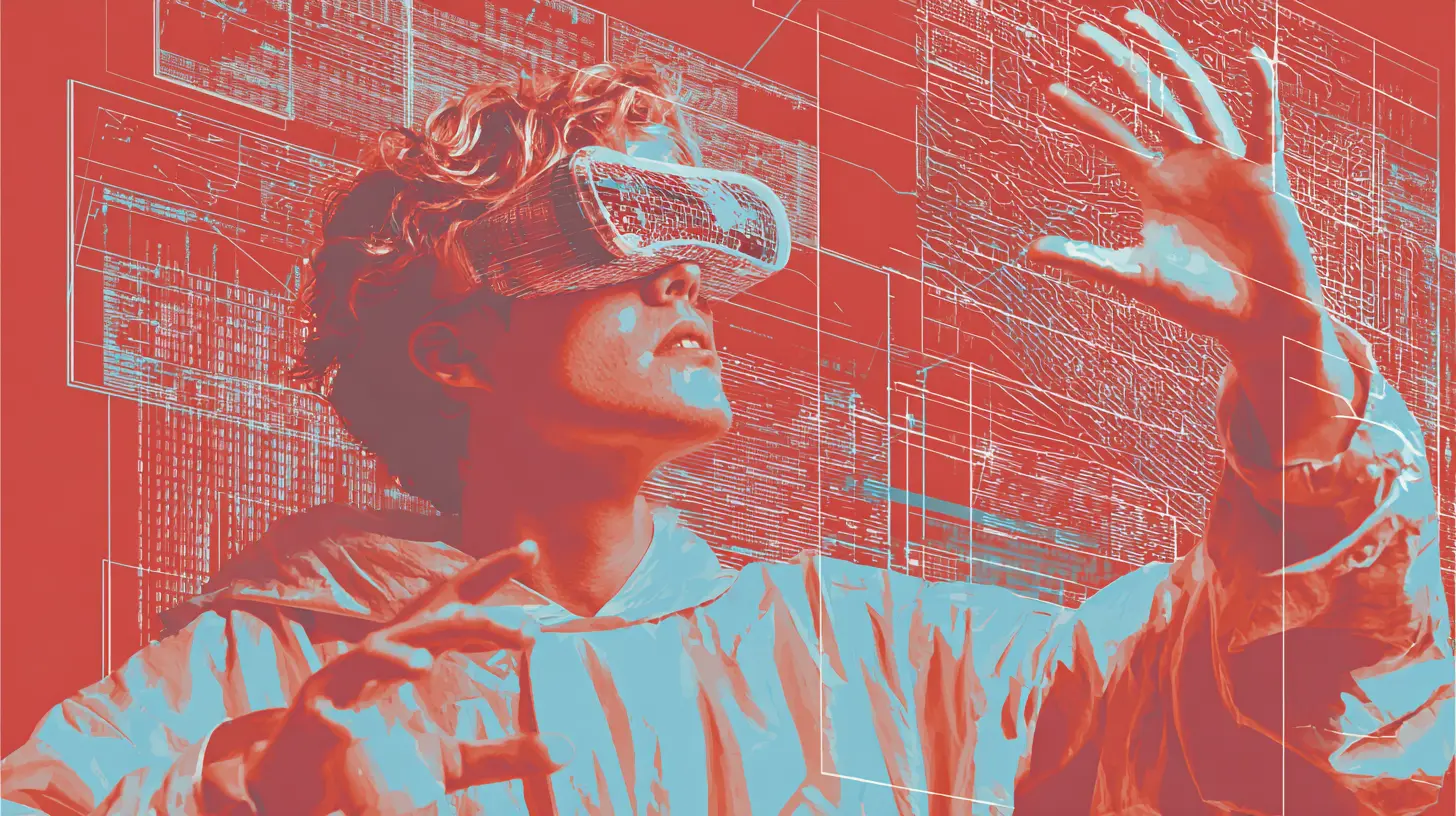
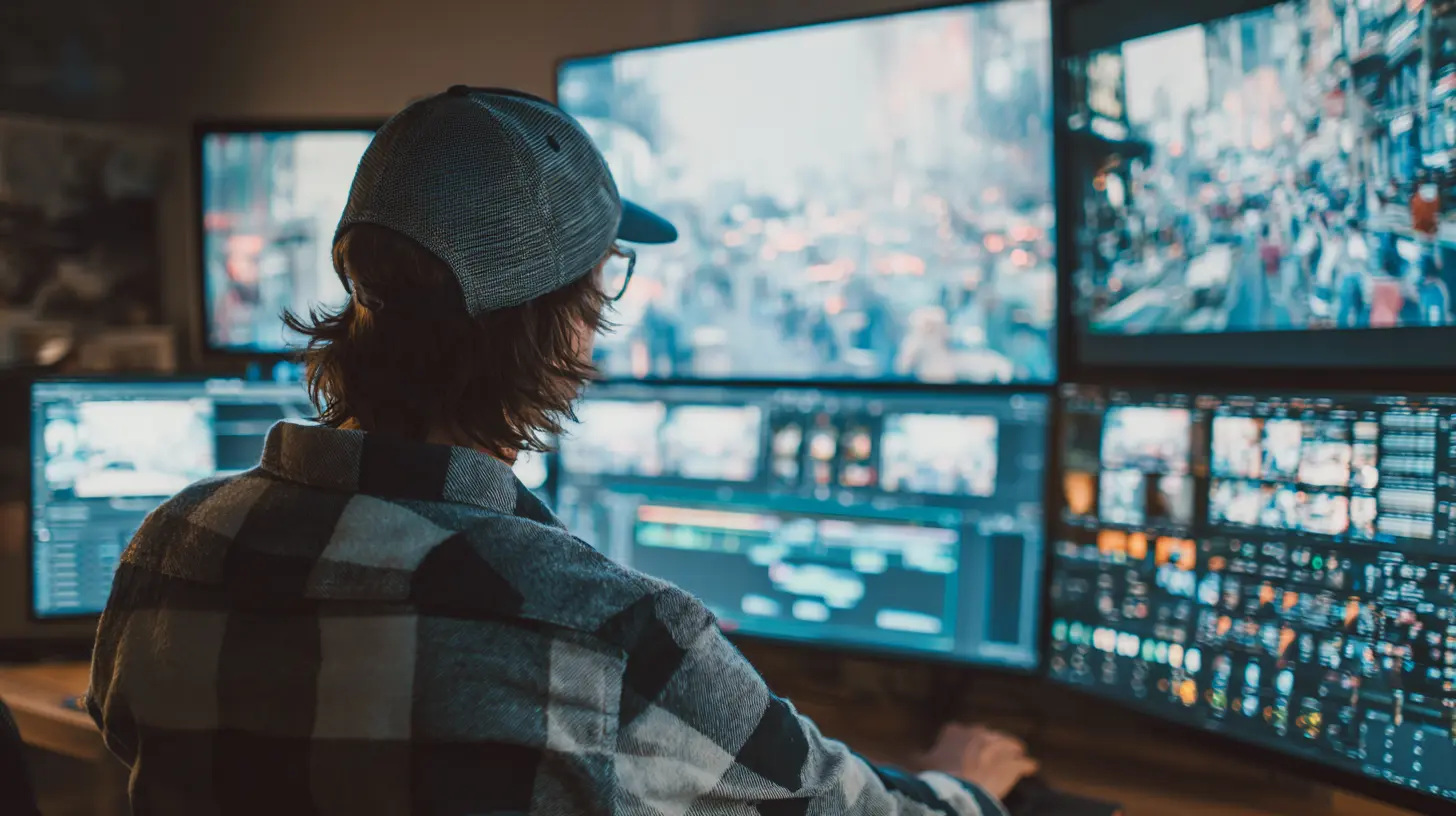
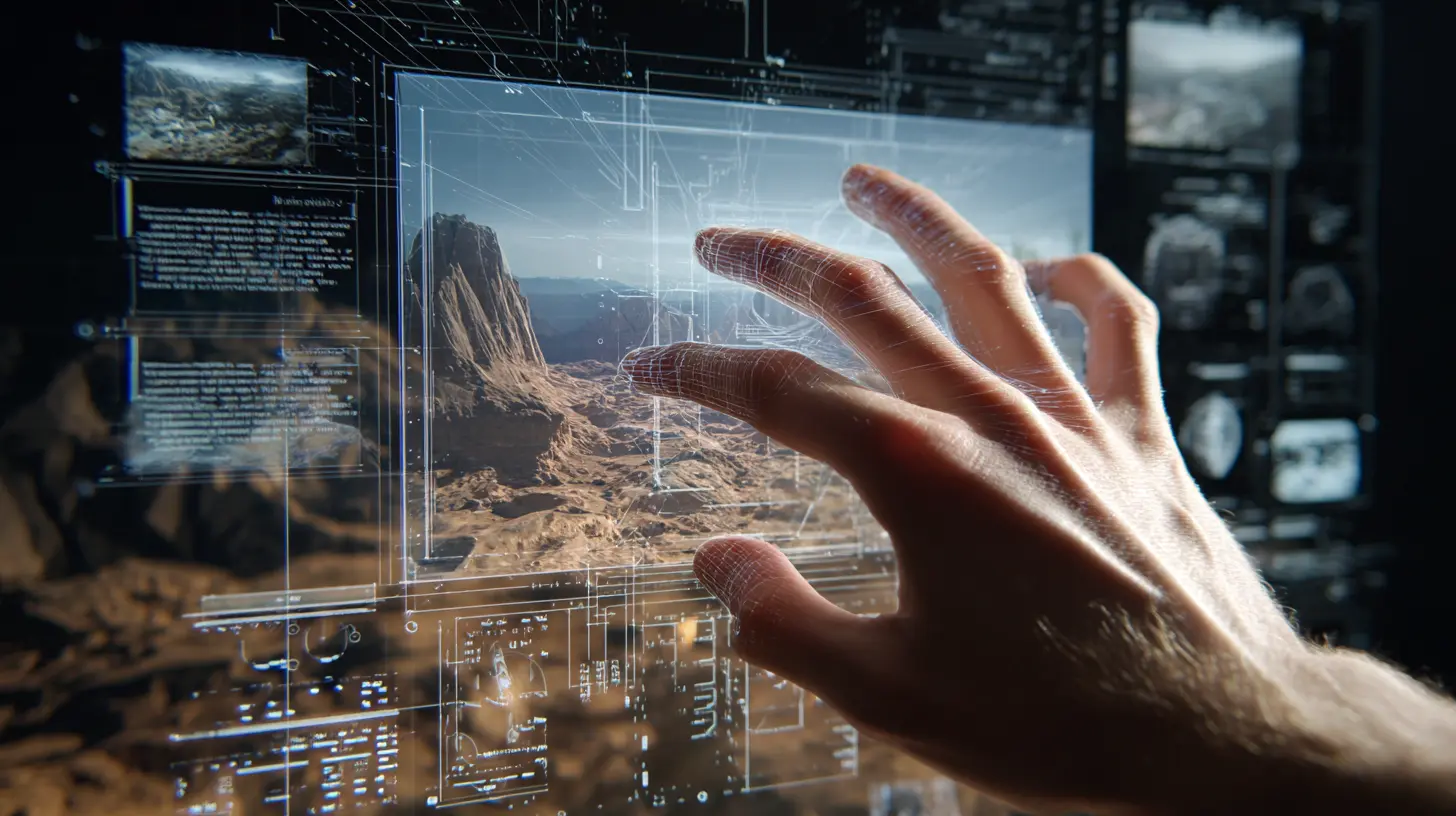
Let's be honest: the traditional timeline is a dinosaur. It's a linear, one-directional beast that forces you to think in straight lines when your brain is a tangled web of ideas. In 2027, the timeline is dead. Long live the spatial canvas.Imagine opening your editing software and seeing a 3D space where your clips float like holographic puzzle pieces. You grab a clip, toss it into the air, and watch it orbit around a central node. You can zoom in, zoom out, and rearrange scenes by literally walking through your project in virtual reality. No more scrubbing back and forth. No more "where did that B-roll go?" panic. Your footage is organized by emotion, by color, by sound frequency, or by whatever weird metric you choose. It's like having a messy desk, but your desk is a TARDIS, and everything is exactly where you need it.
This shift isn't just for fun. It's about speed. Professional editors in 2027 will cut projects in half the time because they're not fighting the tool. The tool bends to their workflow, not the other way around. And if you're still clinging to your old timeline? Well, you're basically using a typewriter in a world of voice-to-text.
AI That Doesn't Suck
I know, I know. Everyone talks about AI like it's the second coming of sliced bread. But let's be real: most AI tools right now are glorified autocomplete. They suggest a clip, you say "no," and then they suggest the same clip again. Infuriating.In 2027, AI gets a personality. It learns your editing style, your pet peeves, and your secret love for Dutch angles. You tell it, "I need a montage that feels like a panic attack, but also kind of hopeful," and it spits out a rough cut that actually makes you cry. Not because it's perfect, but because it understands. It knows you hate cross dissolves unless it's a flashback. It knows you want the audio to breathe before the drop. It's like having a junior editor who never sleeps, never complains, and never steals your coffee.
But here's the kicker: the AI is interactive. You can argue with it. You can say, "No, that's too cheesy," and it will sass you back with, "Fine, but your audience loves cheese. You're just being a snob." And you know what? It's probably right. This back-and-forth creates a dynamic workflow where the human stays in control, but the machine accelerates the boring parts. Think of it as a co-pilot who's annoyingly competent.
Real-Time Collaboration Without the Lag
Remember the nightmare of sending a video file to a client, waiting for feedback, then making changes, then sending it again? That's 2023 nonsense. In 2027, collaboration is live, interactive, and borderline telepathic.You and your client are both in the same virtual editing room. They see exactly what you see. They can grab a clip, move it, and say, "What if we put this here?" But here's the twist: you can set permissions. Maybe they can only move things if you approve it with a gesture. Maybe you lock the color grade so they can't turn everything teal and orange (again). It's like playing a co-op video game, but the final boss is a deadline.
This isn't just for clients. Imagine a team of editors, sound designers, and colorists all working on the same project simultaneously, from different continents. No more "I'll export a proxy, upload it, wait for feedback, then re-export." It's all happening in real time, with automatic versioning that saves every decision. You can even rewind the project to any point in its history, like a time machine for your edits. "Oh, that cut was better three versions ago?" Boom, grab it.
The Rise of Interactive Storytelling
Here's where things get spicy. Video editing in 2027 isn't just about making a linear video. It's about making a living, breathing experience. Think of a documentary where the viewer can choose which character to follow. Or a music video that changes based on your mood (detected by your webcam, because why not?). Or a tutorial that adapts to your skill level in real time.As an editor, you're not just cutting scenes. You're building decision trees. You're designing "if-this-then-that" logic for emotional responses. Your software gives you a flowchart view where you can drag and drop narrative branches. It's like writing a choose-your-own-adventure book, but with 4K footage and Dolby Atmos. And the best part? You can preview every branch instantly. No more rendering ten different versions. The software handles the heavy lifting, and you handle the art.
This isn't a gimmick. Brands are already using interactive video for ads that let you "try on" products. Filmmakers are experimenting with branching narratives for Netflix. By 2027, this will be standard. If you're not thinking interactively, you're making content that's as flat as a pancake.
Voice and Gesture Control
Typing shortcuts? Please. That's so 2020. In 2027, you edit with your voice and your hands. Literally.You say, "Trim that clip to three seconds," and it's done. You say, "Add a slow zoom on that face," and the software animates it. You wave your hand to the left, and the timeline scrolls. You snap your fingers, and a transition appears. It sounds like magic, but it's just good UI design.
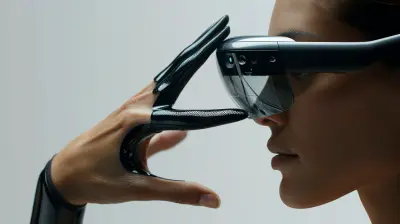
The real game-changer is gesture recognition. With a simple webcam or a pair of smart glasses, your editing software tracks your hand movements. You can grab a clip, stretch it, rotate it, and drop it into place. It's intuitive, fast, and frankly, fun. You'll never go back to clicking and dragging. It's like playing air guitar, but you're actually making a movie.
And for accessibility? This is huge. Editors with mobility issues can now work without a keyboard or mouse. The software adapts to their natural movements. It's not just a cool feature; it's a necessity that the industry has ignored for too long.
The Cloud is Your New Hard Drive
I hate external hard drives. They fail, they get lost, and they always seem to be full when you need them most. In 2027, you don't need them. Your entire editing suite lives in the cloud.But this isn't your grandpa's cloud. We're talking about low-latency, high-bandwidth connections that make local editing feel slow. You can edit 8K footage from a laptop in a coffee shop. The render happens on a server farm somewhere in Iceland, but you see the results in milliseconds. It's like streaming a game, but for work.
The best part? Collaboration becomes seamless. You share a link, and your collaborator can edit the exact same project without downloading anything. No more "I'll send you the drive." No more "The file is too big for email." It's all there, always accessible, always backed up. And if your internet goes down? The software caches your local changes and syncs when you're back online. It's like having a safety net made of fiber optics.
Color Grading Becomes Instant
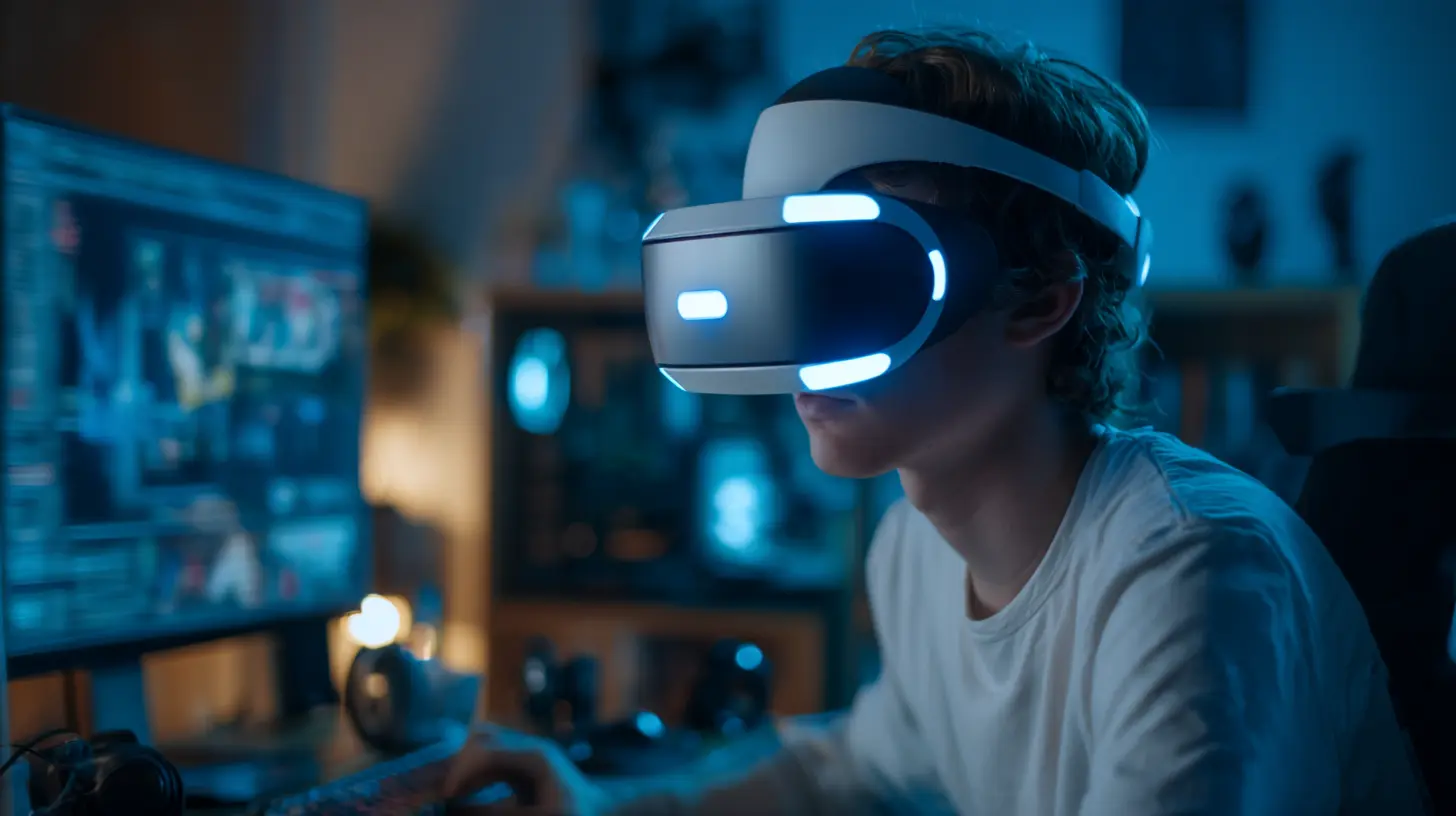
Color grading is an art, but it's also a time sink. You spend hours tweaking shadows, highlights, and midtones. In 2027, you have AI-powered color assistants that analyze your footage and suggest a grade based on the emotion you want. "Make it feel like a rainy Sunday," you say, and the software adjusts the white balance, adds a subtle blue tint, and desaturates the greens. It's not perfect, but it's close. And you can tweak it with a glance.But the real innovation is real-time color grading in VR. You put on a headset, and you're inside your video. You can literally walk up to a character and adjust their skin tone by pointing at them. You can change the color of the sky by waving your hand. It's immersive, intuitive, and incredibly precise. You'll never look at a color wheel the same way again.
Audio Editing That Listens
Audio is half the experience, but editing it is a pain. In 2027, audio editing is interactive and almost telepathic. You highlight a section of dialogue, and the software automatically removes background noise, balances levels, and adds subtle compression. It sounds like magic, but it's just machine learning that's been trained on millions of hours of audio.But here's the sassy part: the software can also critique your audio. "That dialogue is too quiet compared to the music," it might say. "Also, the crickets in the background are annoying. Want me to remove them?" It's like having a sound engineer who's brutally honest. And honestly, we need that. Too many videos have great visuals and terrible audio. In 2027, that's a cardinal sin.
The Ethical Elephant in the Room
Look, I'm not going to pretend this is all sunshine and rainbows. Interactive video editing in 2027 raises some serious questions. Who owns the AI-generated suggestions? If your software creates a montage, is it yours or the AI's? And what about deepfakes? With real-time editing and AI, it's easier than ever to manipulate footage. We're going to need new ethical guidelines, new watermarks, and new ways to verify authenticity.But here's the thing: every powerful tool has a dark side. The printing press gave us propaganda. The internet gave us trolls. Video editing gave us cat videos (okay, that's not dark, but you get the point). The key is to use these tools responsibly. As editors, we have a duty to be transparent, to label manipulated content, and to respect the truth. The technology is neutral. It's what we do with it that matters.
So, What's the Takeaway?
The future of interactive video editing in 2027 is bold, sassy, and a little bit scary. It's a world where the timeline is dead, AI has attitude, and your hands control the edit. It's faster, more collaborative, and more creative than anything we've seen before. But it's also a world that demands new skills, new ethics, and a willingness to embrace change.If you're an editor, start learning now. Play with AI tools. Experiment with VR. Get comfortable with voice commands. The train is leaving the station, and it's not waiting for anyone. And if you're a viewer? Get ready for videos that talk back, that adapt to you, and that blur the line between creator and audience.
The future is interactive. Are you ready to press play?
all images in this post were generated using AI tools
Category:
Multimedia ProductionAuthor:

Michael Robinson
Discussion
rate this article
2 comments
Astranor McMichael
Interactive video editing by 2027 will redefine creativity-prepare for a revolutionary experience.
July 22, 2026 at 4:09 AM
Michael Robinson
Absolutely! The potential for interactive video editing to transform creative processes is exciting. I can't wait to see how it unfolds.
Quill Newman
Exciting insights! Can't wait for 2027!
May 12, 2026 at 3:50 AM
Michael Robinson
Thanks for your enthusiasm! Exciting times ahead for video editing.