The Future of Mobile Esports: Opportunities and Challenges
13 July 2026
Esports has taken the world by storm, and mobile esports is quickly securing its own place in the competitive gaming industry. With the exponential growth of mobile technology and internet accessibility, mobile gaming has leveled up from casual entertainment to a legitimate competitive scene. But what does the future hold for mobile esports? Let's dive into the opportunities and challenges that will shape this exciting industry. 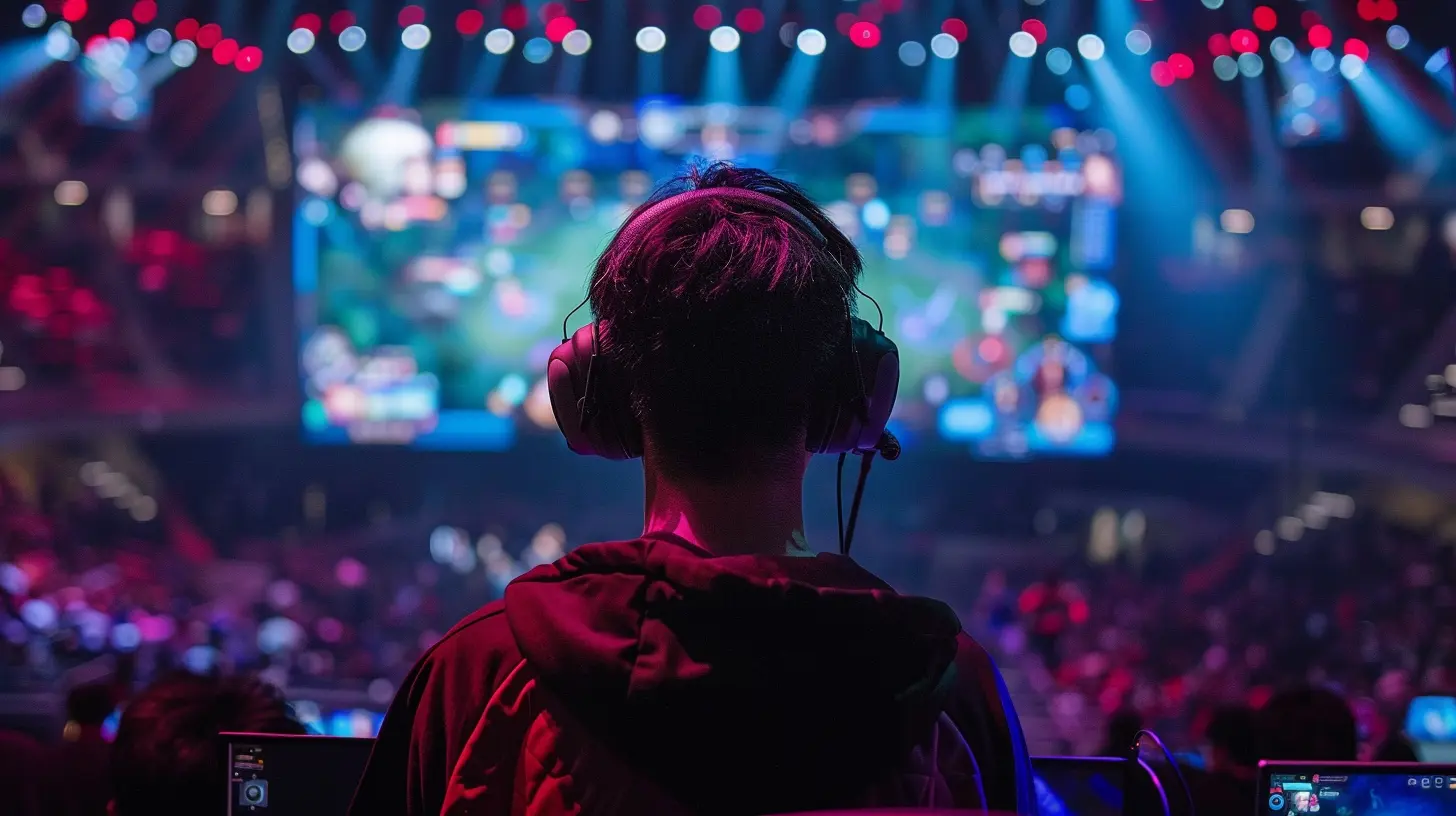
? The Rise of Mobile Esports
The days when gaming was confined to bulky desktops and pricey consoles are long gone. Today, anyone with a smartphone and an internet connection can participate in competitive gaming. Thanks to technological advancements, mobile esports has become more immersive, engaging, and—most importantly—widely accessible.From games like PUBG Mobile, Call of Duty: Mobile, and Mobile Legends, to more recent additions such as Honor of Kings, mobile esports tournaments have grown in scale, boasting millions in prize pools and drawing massive global audiences. But why is mobile esports booming at such an unprecedented pace? 
? Opportunities in Mobile Esports
The future of mobile esports is packed with possibilities. Let’s break down some of the biggest opportunities this industry has to offer.1. Accessibility and Inclusivity
Unlike traditional esports, which often require high-end PCs and expensive gaming setups, mobile esports is accessible to almost anyone with a smartphone. This allows players from all economic backgrounds to participate, leveling the playing field and bringing in a more diverse audience.Moreover, mobile gaming bridges the gap between casual players and professionals. With just a few taps, anyone can go from playing for fun to climbing competitive leaderboards, making mobile esports an attractive entry point for aspiring pro gamers.
2. Massive Player Base
Let’s face it—almost everyone owns a smartphone. With billions of users worldwide, the potential pool of mobile gamers is significantly larger than that of PC or console players. This enormous player base translates to higher engagement, bigger audiences for tournaments, and more lucrative sponsorship deals.Brands and advertisers are increasingly drawn to mobile esports because of its ability to reach a broad and engaged audience. The larger the audience, the more financial opportunities arise—not just for players, but also for game developers, tournament organizers, and content creators.
3. Advancements in Mobile Technology
Smartphones are getting more powerful each year, boasting high-refresh-rate screens, advanced GPUs, and improved cooling systems. Faster internet speeds, including widespread 5G accessibility, ensure real-time, lag-free gaming experiences.With cloud gaming on the rise, the need for high-end devices may soon become obsolete. Players might be able to stream high-quality esports games on affordable smartphones, making competitive gaming even more accessible. This technological evolution is shaping the future of mobile esports in unprecedented ways.
4. Sponsorships and Revenue Growth
Mobile esports is attracting major sponsors, from gaming hardware companies to non-endemic brands (like energy drinks and clothing brands). The potential for advertisement revenue, in-game purchases, and media rights is immense, making mobile esports a goldmine for stakeholders.Streaming platforms like YouTube Gaming and Twitch are also tapping into this market, offering exclusive deals to mobile esports organizations and streamers. The easier it becomes to monetize content, the more sustainable and profitable mobile esports will become for players and organizations alike.
5. Global Reach and Market Expansion
Unlike traditional esports, which are still more dominant in North America, Europe, and parts of Asia, mobile esports has a truly global reach. Countries like India, Brazil, Indonesia, and the Philippines are seeing enormous growth in mobile gaming due to affordable smartphones and cheaper internet plans.This worldwide expansion opens doors for new talent, fresh content, and more localized competitions, giving rise to a broader and more dynamic esports ecosystem. 
⚠️ Challenges in Mobile Esports
Despite all the perks, mobile esports isn’t without its roadblocks. Let’s talk about the major hurdles that could hinder its growth.1. Device Limitations and Performance Issues
While smartphone technology is improving rapidly, not all devices are created equal. High-end smartphones can handle games flawlessly, but cheaper models may struggle with performance issues like overheating, lag, and frame drops.This creates a skill gap where players with better devices have a competitive edge over those with outdated hardware. Until cloud gaming fully takes over, device limitations will remain a barrier for some aspiring esports players.
2. Cheating and Fair Play Concerns
The rise of mobile esports has also led to an increase in cheating. From aimbots and wallhacks to unauthorized third-party applications, maintaining competitive integrity is a major challenge.Developers are working hard on anti-cheat systems, but cheaters always find a way to exploit loopholes. Unless game publishers can implement stricter security measures, fair competition in mobile esports may continue to be a concern.
3. Monetization Difficulties for Players
Unlike established PC and console esports, where players can rely on sponsorships, prize money, and streaming revenue, mobile esports players often struggle to secure financial stability. Tournament winnings are not always enough to sustain a career, especially for mid-tier players.Esports organizations also face challenges in securing long-term financial backing. Until mobile esports can establish a more sustainable revenue model, the career lifespan of professional players may remain short-lived.
4. Ecosystem Fragmentation
With numerous games, different publishers, and a variety of tournament organizers, mobile esports lacks a unified ecosystem. Unlike traditional esports, where major titles like League of Legends and Counter-Strike dominate, mobile esports is highly fragmented.Some games thrive for a few years and then fade away, making it difficult for organizations and sponsors to plan for the long term. A more standardized ecosystem could help stabilize the industry and provide better opportunities for both players and stakeholders.
5. Esports Recognition and Legitimacy
While mobile esports is growing fast, there’s still skepticism within the broader gaming community. Many hardcore PC and console gamers don’t consider mobile gaming to be as skilled or competitive. This perception can hinder sponsorships and mainstream recognition.Additionally, major esports events like the Olympics and international gaming federations are hesitant to embrace mobile esports fully. Until the industry gains more legitimacy, it may struggle to gain the long-term credibility it deserves. 
? What Lies Ahead for Mobile Esports?
So, what’s the verdict? Will mobile esports take over the gaming world, or will it struggle to find a stable footing?With its accessibility, massive player base, and growing sponsorship opportunities, mobile esports is undoubtedly heading for an even bigger future. However, challenges like cheating, device limitations, and financial sustainability need to be addressed for long-term success.
As technology improves and more companies invest in the mobile esports ecosystem, we may see even more structured leagues, better anti-cheat systems, and sustainable career paths for professional players. One thing is for sure—the mobile esports revolution is just getting started, and it’s going nowhere but up!
all images in this post were generated using AI tools
Category:
EsportsAuthor:

Michael Robinson