The Future of Wearable Tech: Innovations Shaping Tomorrow’s Devices
22 December 2025
Let's be honest: wearable technology has come a long way from the basic step-counting fitness trackers we all used to rave about. If you think about it, we've only scratched the surface of what wearables can do. The future promises to be much more exciting, with new innovations that might just blow our minds. Whether it's health monitoring, augmented reality, or even just making our daily lives more convenient, wearable tech is on the verge of transforming how we live, work, and play.
So, what’s next for wearables? Let’s dive in.
The Rapid Evolution of Wearable Tech
Before we look ahead, let’s take a brief look back. When wearable tech first hit the mainstream, it was all about fitness trackers. Devices like the Fitbit became household names, helping people track their steps, monitor their heart rates, and set fitness goals. But as technology advanced, so did the capabilities of these devices.Smartwatches like the Apple Watch and Samsung Galaxy Watch have added features like GPS tracking, mobile payments, and even the ability to take phone calls. Wearable tech is no longer just about monitoring physical activity; it's evolving into something much bigger—a full-on extension of our digital lives.
And honestly? This is just the beginning.

Health Monitoring: A Game-Changer for Wearables
One of the most life-altering innovations in wearable tech is its potential to monitor our health in real-time. We're not just talking about counting steps or measuring heart rate anymore. The latest devices are already capable of detecting irregular heart rhythms, monitoring blood oxygen levels, and even conducting basic ECGs. In the future, wearables may not just keep track of your fitness—they could actually save your life.Non-Invasive Glucose Monitoring
For people with diabetes, one of the biggest challenges is constantly monitoring blood sugar levels. The good news? Researchers are working on non-invasive glucose monitoring systems that could be built right into future wearables. Imagine never having to prick your finger again. Instead, your smartwatch could continuously monitor your glucose levels and send you alerts if they’re too high or too low.Early Disease Detection
What if your wearable could catch a disease before you even knew you had it? That’s not as far-fetched as it sounds. Scientists are developing sensors that can monitor biomarkers in sweat, saliva, and even your breath. This could lead to the early detection of conditions like cancer, heart disease, or respiratory illnesses. Talk about a game-changer.
Augmented Reality (AR): Blurring the Lines Between Digital and Physical Worlds
Remember how sci-fi movies used to show people wearing glasses that displayed information right in front of their eyes? Well, that’s not just movie magic anymore. Augmented reality is already creeping into wearable tech, and the possibilities are endless.AR Glasses: Not Just Science Fiction
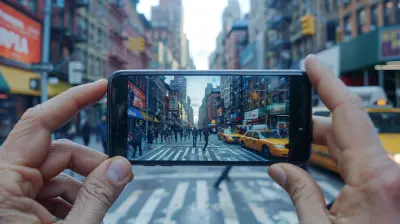
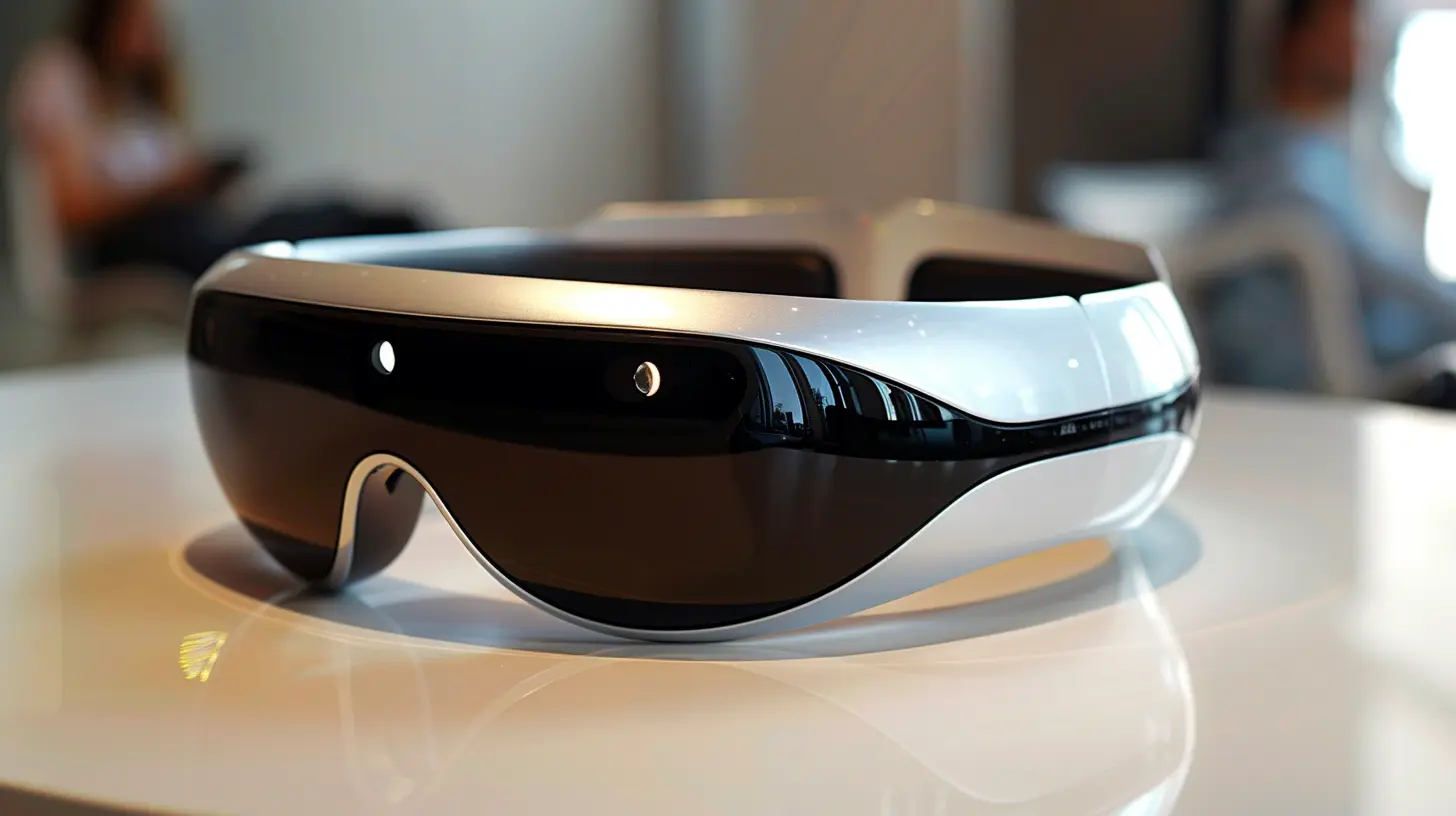
Companies like Google and Microsoft are already pushing the boundaries of AR with devices like Google Glass and Microsoft HoloLens. These wearable devices overlay digital information onto the physical world, allowing users to interact with their surroundings in ways we never thought possible.Imagine walking down the street and having your AR glasses show you real-time data about the buildings around you. Or how about attending a virtual meeting where your colleagues appear as holograms right in front of you? The applications for AR wearables go far beyond entertainment—they could revolutionize industries like education, healthcare, and even travel.
AR in Everyday Life
In the near future, AR won’t just be for tech enthusiasts or professionals. It could become as common as smartphones are today. And the best part? It could make everyday tasks easier. Need directions? Your AR glasses could project a map right in front of you. Want to know how many calories are in that slice of pizza? Just look at it, and your wearable could tell you.The line between the digital and physical worlds is blurring, and wearables are leading the charge.

Fashion Meets Function: Wearables That Don’t Look Like Wearables
One of the biggest hurdles wearable tech has faced is the "geek factor." Let’s be real—early wearables weren’t exactly stylish. But that’s changing fast. Designers are now working to make wearables look more like everyday accessories and less like clunky gadgets.Smart Fabrics
Ever heard of smart fabrics? These are textiles that have electronics and sensors woven directly into them. Imagine a shirt that can monitor your heart rate or track your posture. Companies like Google and Levi’s have already developed smart jackets that let you control your smartphone with a simple swipe on your sleeve.In the future, wearables will be less about strapping a device to your wrist and more about integrating tech into the clothes we wear every day. You could have a jacket that senses temperature changes and adjusts its insulation accordingly or shoes that track your running form and offer real-time feedback.
Jewelry and Accessories
Wearable tech is also making its way into jewelry. Smart rings, for example, can already track your heart rate, sleep patterns, and activity levels. And because they look like regular rings, no one will even know you’re wearing a piece of tech.The future of wearable fashion is all about blending technology seamlessly into our everyday lives, so we get all the benefits without sacrificing style.
The Role of Artificial Intelligence in Wearables
AI is already playing a big role in wearable tech, but its influence is only going to grow. Right now, AI helps wearables make sense of the data they collect. For example, your smartwatch can track your heart rate and activity levels, but AI algorithms are what translate that raw data into meaningful insights, like whether you’re improving your fitness or need to take it easy.Personalized Insights
In the future, AI-powered wearables will provide even more personalized insights. Imagine a device that learns your habits, preferences, and health patterns, and then offers real-time recommendations to improve your well-being. Your wearable might suggest the best time for a workout based on your sleep patterns, or it could warn you if you’re pushing yourself too hard.Predictive Analytics
AI could also help wearables predict potential health issues before they become serious. For example, by analyzing your heart rate, activity levels, and other biometric data, an AI-powered device could warn you if you're at risk of developing a chronic condition like heart disease or diabetes.We’re not just talking about collecting data anymore—we’re talking about wearables that can understand, learn, and help you make proactive decisions about your health.
The Future of Wearables and Connectivity: 5G and Beyond
One of the biggest limitations of today’s wearables is their reliance on smartphones. Most smartwatches, for example, need to be paired with a phone to access all their features. But as 5G networks expand, that’s going to change.5G-Powered Wearables
With 5G, wearables will be able to connect directly to the internet, no phone required. This will not only make them more convenient but also open up new possibilities for real-time applications. For example, a 5G-enabled smartwatch could offer real-time video streaming, faster data processing, and instant cloud access.The Rise of the Internet of Things (IoT)
Wearables are also set to play a key role in the Internet of Things (IoT), where all our devices are connected and work together. Imagine walking into your smart home, and your wearable automatically adjusts the lighting, temperature, and even the music based on your preferences. Your wearable could also communicate with your car, fridge, or even your office equipment to create a more seamless and personalized experience.The future of wearables is about more than just the devices themselves—it’s about creating an interconnected ecosystem that enhances every aspect of our lives.
Challenges and Ethical Considerations
Of course, as wearable tech becomes more advanced, it also raises some important questions. With devices tracking so much personal data, privacy is a huge concern. Who has access to this information, and how is it being used? As wearables become more integrated into our lives, we’ll need to make sure that our data is secure and that we're not sacrificing our privacy for the sake of convenience.There’s also the question of accessibility. As these devices become more advanced, will they also become more expensive? And if so, will only certain people have access to the benefits they offer?
These are challenges that developers and policymakers will need to address as wearable tech continues to evolve.
Wrapping It Up
The future of wearable tech is bright, exciting, and, let’s face it, a little mind-boggling. From health monitoring to augmented reality, AI-powered insights to 5G connectivity, wearables are on the verge of transforming every aspect of our lives.As these devices become more advanced, they’ll not only help us stay connected and healthy—they’ll actually improve the way we live, making our lives more convenient, efficient, and even safer. Wearables are no longer just a novelty. They’re becoming an essential part of our digital future.
And honestly? We’re just getting started.
all images in this post were generated using AI tools
Category:
Wearable DevicesAuthor:

Michael Robinson
Discussion
rate this article
2 comments
Deborah Cook
This article highlights the exciting advancements in wearable technology that promise to revolutionize our daily lives. From health monitoring to augmented reality features, the future looks bright for these smart devices. It's thrilling to envision how these innovations will enhance connectivity, well-being, and overall user experiences in the coming years.
January 14, 2026 at 3:43 AM
Michael Robinson
Thank you for your insights! It's indeed an exciting time for wearable tech, and I'm eager to see how these innovations will transform our daily lives.
Heather McKibben
Great insights on the future of wearable tech! It's exciting to see how innovations will enhance our daily lives. Looking forward to witnessing these advancements and their impact on health and connectivity.
December 22, 2025 at 3:59 AM
Michael Robinson
Thank you! I'm glad you found the insights valuable. Exciting times ahead for wearable tech!