The Future of Work: How Tech Startups Are Redefining the Workplace
14 August 2026
Let’s face it: the way we work today looks nothing like it did just a decade ago. And if you think your current 9-to-5 is the final form of the modern workplace, think again. Tech startups, with their bold experiments and “break-the-mold” mindsets, are rewriting the entire playbook. We’re not just talking about ping pong tables and kombucha on tap. This is about deep, structural change that’s reshaping how we collaborate, communicate, and create.
So buckle up, because the future of work? It’s already here—and it’s coming at us faster than ever.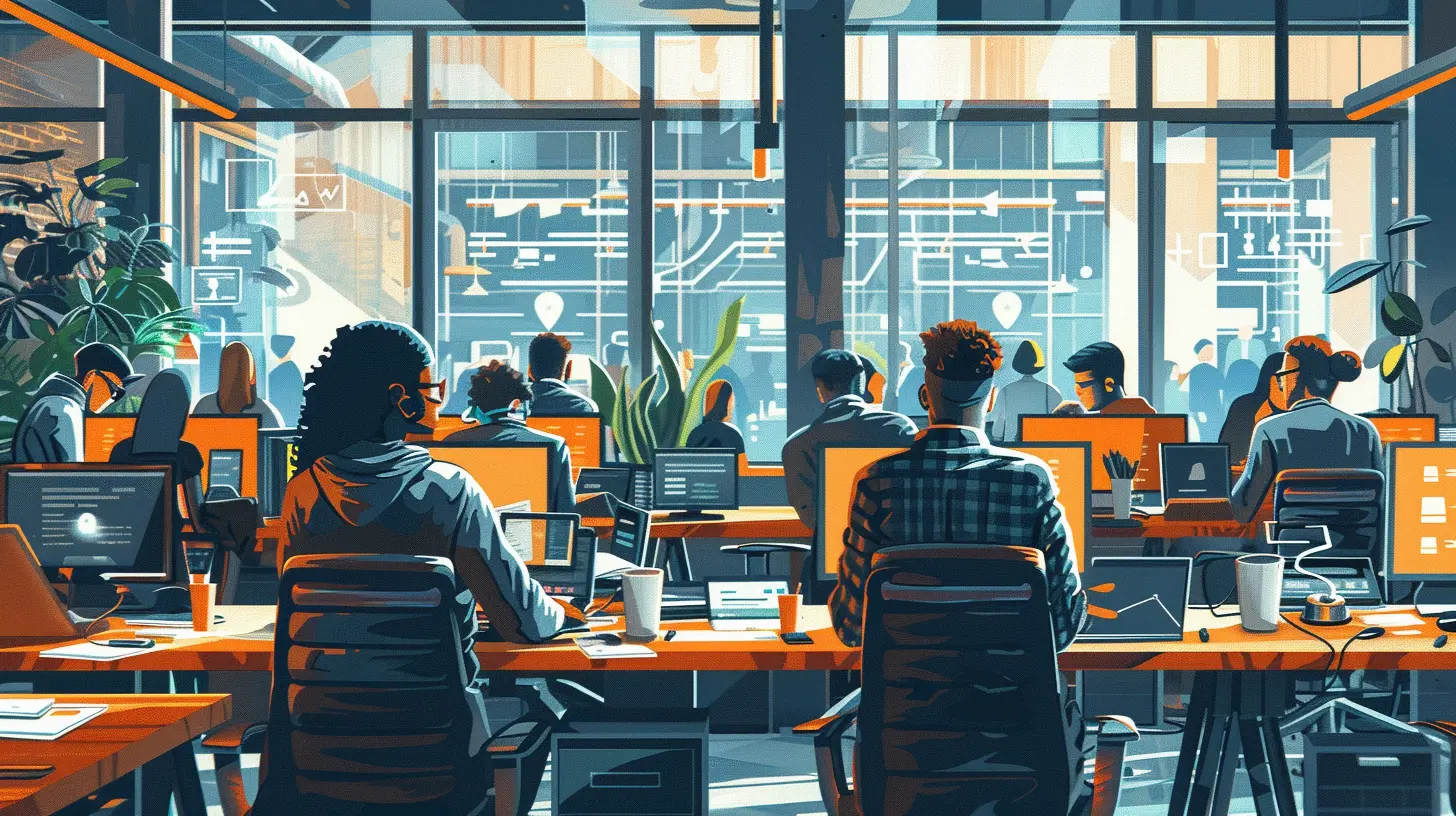
Welcome to a New Era: Work Isn’t a Place Anymore
Remember when “going to work” meant physically walking into a building, maybe juggling your coffee and briefcase as you navigated traffic? Yeah, those days are becoming ancient history.Tech startups have led the charge in proving that work isn’t a place—it’s an activity.
From Slack to Zoom to Asana, digital tools created by startups have made it possible to work from nearly anywhere. Whether you're on a beach in Bali or sitting on your couch in pajamas, productivity has broken free of cubicles.
Remote Work Is No Longer a Perk—It’s the Norm
Once reserved for freelancers and digital nomads, remote work is now integrated deeply into company culture. In fact, many startups are ditching offices entirely. Why pay for overhead when you can invest that money into team growth, better tools, or employee wellness?This shift to remote-first cultures means startups can tap into global talent pools. Suddenly, your next developer might be in Berlin, your marketer in Toronto, and your designer in Nairobi. That’s not just cool—it’s game-changing.
Flexibility Isn’t Just Nice—It’s Expected
Let’s talk about flexibility. Not just in where you work, but how and when.Tech startups have embraced asynchronous communication, which means not everything has to happen in real-time. This is great for global teams (hello, time zones!) and also respects different energy rhythms. Night owl? Early bird? Doesn’t matter—as long as the work gets done.
Say Goodbye to the 9-to-5
Rigid schedules are being replaced by outcome-based work. That’s a fancy way of saying, “Get your stuff done—when and how you do it is up to you.”This shift boosts autonomy, and studies have shown that autonomy is tied to higher job satisfaction and better performance. And really, who wouldn’t want to work when they’re at their mental best rather than forcing productivity during an arbitrary window?
The Rise of Digital-First Work Culture
Culture used to be built in office hallways and break rooms. But when everyone’s working from different zip codes (or continents), culture has to go digital.Building Community in the Cloud
Startups are creating online communities as vibrant and connected as any physical environment. Think virtual game nights, Donut meetings (random Slack coffee chats), team retreats in the metaverse, and company-wide acknowledgment channels.It’s all about keeping that human connection alive—even when you’re miles apart.
Radical Transparency Is the Glue
In a distributed world, what keeps people aligned and motivated? Transparency. Startups are adopting open dashboards, shared OKRs (Objectives and Key Results), and even public financials. This openness builds trust and eliminates the guesswork.
Startups Are Experimenting with AI and Automation—And It’s Paying Off
Now, let’s talk tech. Beyond just enabling remote work, startups are weaving AI and automation into the very fabric of how we work.AI Takes Over the Repetitive Stuff
Imagine never having to manually schedule meetings, write basic reports, or triage your overflowing inbox. Startups are using AI tools like Notion AI or ChatGPT to lighten the load of repetitive tasks, freeing up employees for more creative, impactful work.Automation is like having a digital assistant that never sleeps. It’s not about replacing humans—it’s about enhancing what we’re capable of.
Smart Tools Mean Faster Decisions
Startups thrive on speed, and data-driven decision-making is the secret sauce. With real-time analytics, AI-driven insights, and smart dashboards, teams can pivot in seconds, not weeks. It’s like driving a sports car instead of a school bus—agile, nimble, and way more fun.Upskilling on the Fly: Lifelong Learning Becomes the Norm
Remember when getting a degree was the end of your learning journey? Well, those days are toast.The rapid pace of tech evolution means learning has to be constant. Startups know this, and they’re leaning into learning big time.
Microlearning is the New MBA
Instead of massive, years-long degrees, employees now pick up skills in bite-sized formats—online courses, YouTube tutorials, podcasts, and internal knowledge sharing.Some startups even offer “learning days” where employees are encouraged to spend time just… learning. Imagine that: getting paid to level up. Sweet deal.
Mental Health Moves to the Front Row
Here's something refreshing: tech startups are finally recognizing that people aren’t machines. Crazy, right?Startups are making mental health part of the conversation—and the benefits are real.
Ditch the Hustle Mentality
Yes, startup life used to be synonymous with brutal hours and burnout. But the tide is turning. Now? Founders are realizing that sustainable productivity beats short-term hustle.We’re seeing unlimited PTO policies, four-day workweeks, and mental health stipends. The message is clear: take care of your brain, and it’ll take care of you.
Diversity And Inclusion Are Getting Real
Let’s get one thing straight: a diverse team isn’t just good PR—it’s a strategic advantage. Different backgrounds bring varied perspectives, and that leads to better ideas.Startups, unburdened by legacy systems and old-school hiring practices, are in a great position to build inclusivity into their DNA.
Global Hiring = Diverse Teams
Since remote work widened the hiring pool, startups can prioritize talent and potential over proximity or pedigree. That means more voices at the table—and better decisions being made.Some startups are even anonymizing resumes or using AI to reduce bias in hiring. It’s not perfect yet, but the momentum is real.
Office 2.0: Hybrid Spaces and Purpose-Driven Design
While many startups have gone fully remote, others are rethinking the office—not getting rid of it, but transforming what it means.The Office as a Collaboration Hub
Rather than being the default location, the office is becoming a place for intentional gatherings—team brainstorms, social events, client meetings. Think less "daily grind" and more "popup creativity lab."Startups are investing in co-working spaces, flexible meeting hubs, and even VR environments where remote workers can meet in virtual offices.
We’re not going back to the old normal—this is office life 2.0.
Startups Are Redefining Success Metrics
Traditional employers loved measuring input: hours worked, time at desk, bums in seats. Startups? They care about output.Productivity Isn’t Clocked—It’s Measured in Impact
Rather than micromanaging employee time, startups are asking, “What did you achieve?” It’s all about delivering value, not just looking busy.This approach breeds trust. It also empowers employees to work in styles that suit them best, whether that means sprinting in short bursts or pacing themselves over longer stretches. The result? Better performance and more job satisfaction.
The Bottom Line: The Future of Work Is Human-Centered
For all the talk about technology—AI, automation, remote tools—the real revolution is human.Startups are using tech not just to boost profits but to build better, fairer, and ultimately more human ways of working. The future isn’t about replacing people with robots. It’s about freeing people to be their best, most creative, most engaged selves.
Isn’t that kind of the point?
So, whether you’re a founder trying to build a great team, an employee wondering what’s next, or just a curious soul watching the world of work evolve—one thing’s clear: the future of work isn’t waiting. It’s already happening.
And thanks to tech startups, it looks pretty awesome.
all images in this post were generated using AI tools
Category:
Tech StartupsAuthor:

Michael Robinson