The Impact of Solar Farms on Local Ecosystems and Wildlife
23 June 2026
As the world shifts toward clean energy sources, solar power has taken center stage. It's renewable, efficient, and gives us a sunny excuse to high-five Mother Nature. But hey—have you ever wondered what happens to the land, animals, and critters that once called that patch of Earth home before it became a shimmering sea of solar panels?
Yep, that’s right. Today, we’re taking a bright and curious dive into The Impact of Solar Farms on Local Ecosystems and Wildlife.
Grab a coffee (or a smoothie if you're feeling eco-friendly), and let’s talk green energy—and whether it's always green in every sense of the word.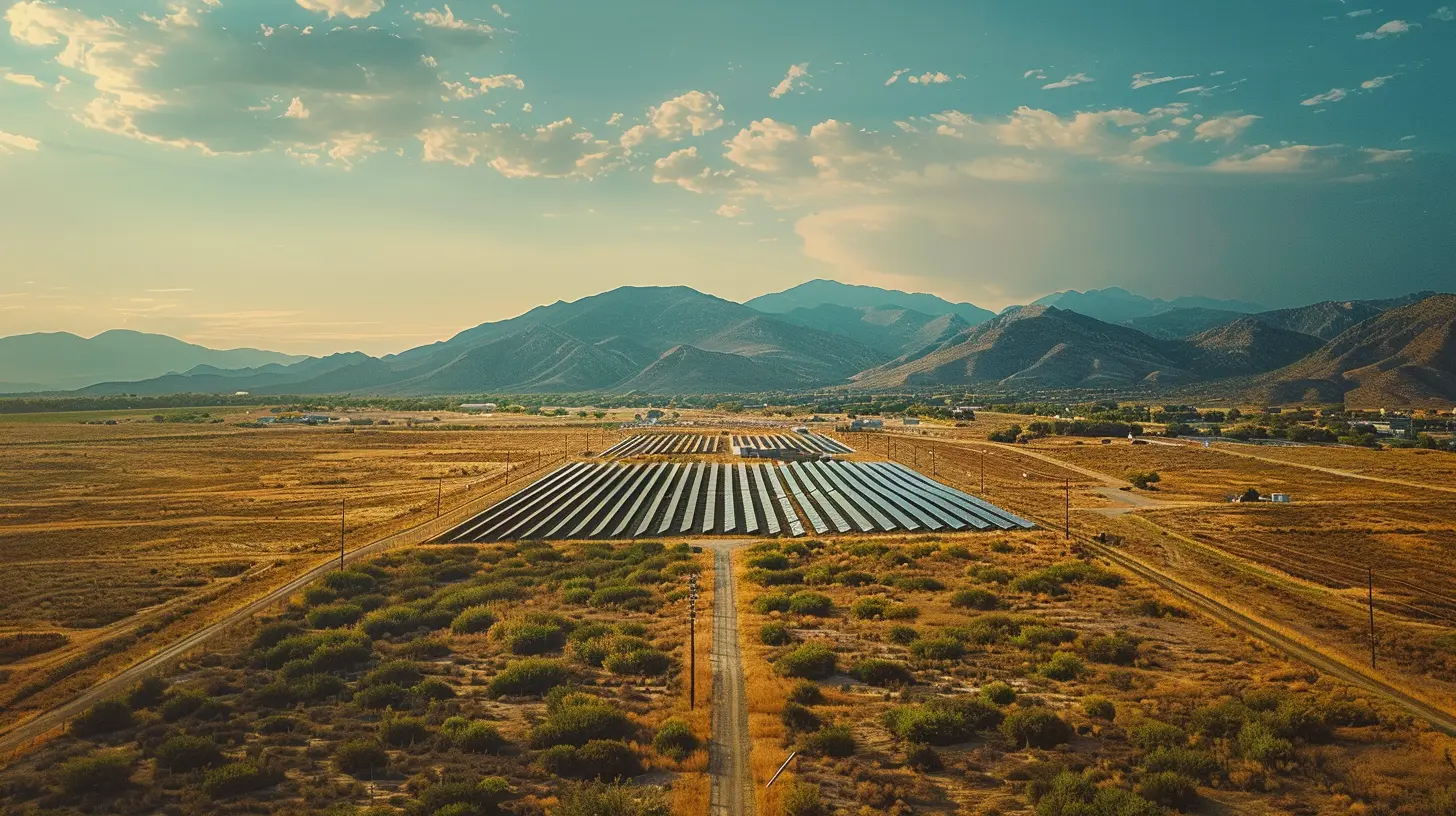
☀️ What Are Solar Farms, Anyway?
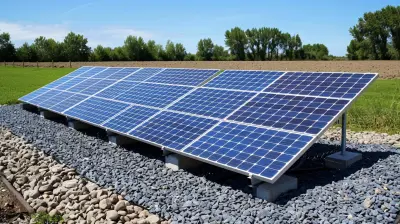
Before we get into the weeds (literally), let's get on the same page.A solar farm is a large-scale installation of solar panels set up to convert sunlight into electricity. These aren't your average rooftop panels — we’re talking acres and acres of photovoltaic (PV) panels arranged in neat rows like soldiers, soaking up the sun.
There are two main types:
- Photovoltaic (PV) Solar Farms: These use panels to convert sunlight directly into electricity.
- Concentrated Solar Power (CSP) Farms: These use mirrors or lenses to concentrate sunlight onto a small area to produce steam and power turbines.
Now, while they’re amazing for reducing carbon emissions (go, solar!), their physical footprint isn't exactly invisible. And that’s where the story with ecosystems and wildlife begins.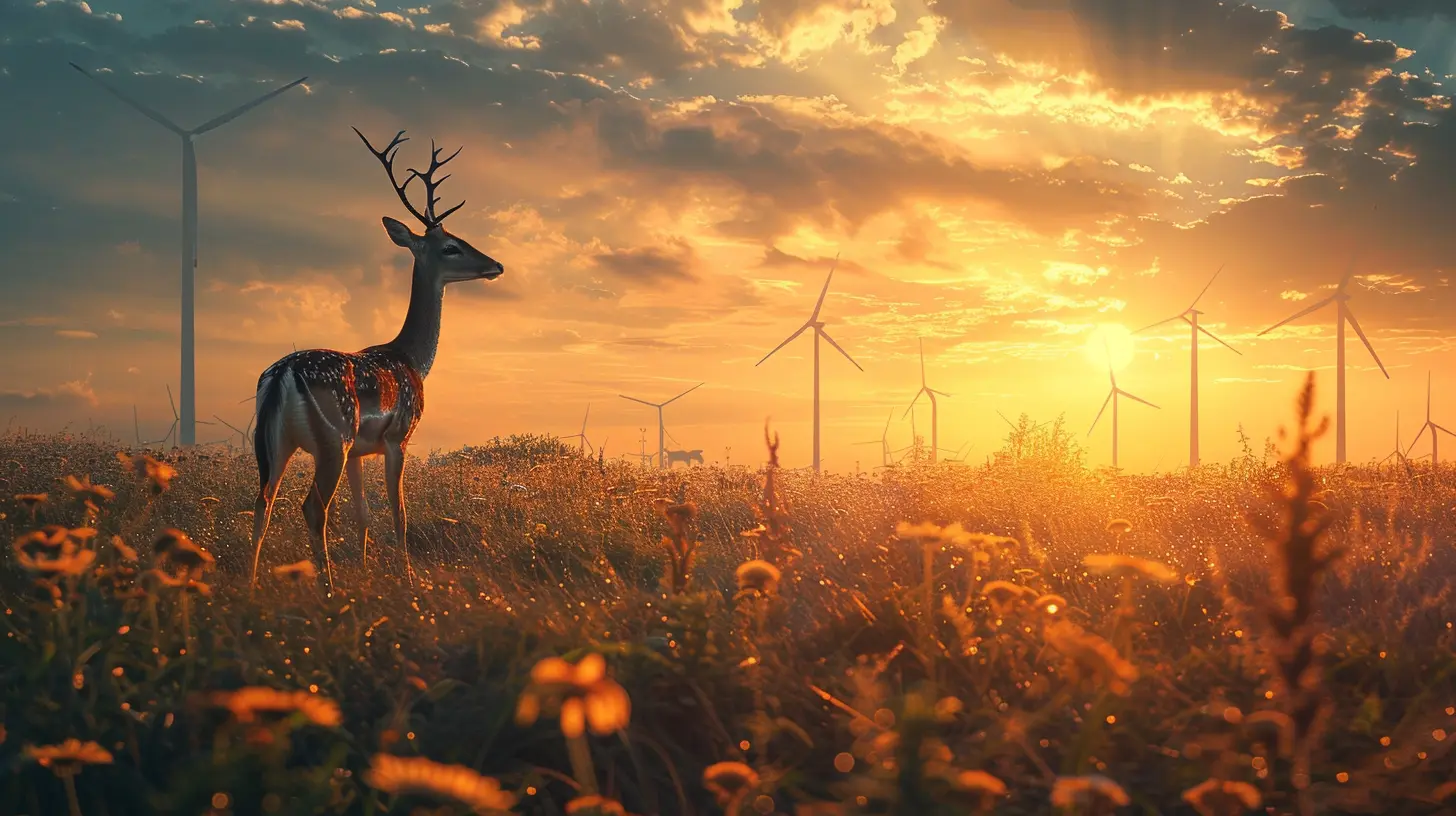
? How Solar Farms Affect Local Wildlife
Picture this: A wide-open field gets covered with dark, shiny solar panels. To us, it looks like progress. But to the birds, bees, and bunnies? It’s more like someone bulldozed their neighborhood to build a futuristic parking lot.1. Habitat Loss and Fragmentation
First things first—habitat loss is kind of a big deal. Most solar farms are built in sunny, flat, open areas. Unfortunately, that’s exactly where a lot of wildlife likes to hang out. Think grasslands, deserts, and open woodlands.When the bulldozers come in, native plants get uprooted, and with them go the insects, rodents, and birds that rely on that flora for food and shelter. Fragmentation also occurs, meaning animal movement becomes restricted. Imagine trying to get from your kitchen to your bedroom without crossing a wall of mirrors—confusing, right?
Some critters, like ground-nesting birds or small mammals, are especially vulnerable because they don’t relocate easily.
2. Disruption of Ecosystem Functioning
Ecosystems are like a massive, coordinated flash mob. Every creature has a role, and when you take one out (like removing bees or lizards), the whole dance starts looking clumsy.Solar farms can:
- Change soil composition due to construction
- Upset local water drainage patterns
- Alter plant pollination cycles due to the absence of insects
These changes, over time, may make the land less hospitable—even to species that weren’t directly affected initially.
3. Bird Collisions and the “Lake Effect”
Here’s a weird one—the “solar flux” or “lake effect”. Birds sometimes mistake reflective solar panels for water surfaces. Yep, they think it’s a chill little lake to land on. Spoiler alert: it’s not. The result? Birds crash into the panels. Sad, but true.This is especially true for migratory birds who navigate long distances and need regular pit stops. The panels trick them—and the consequences can be fatal.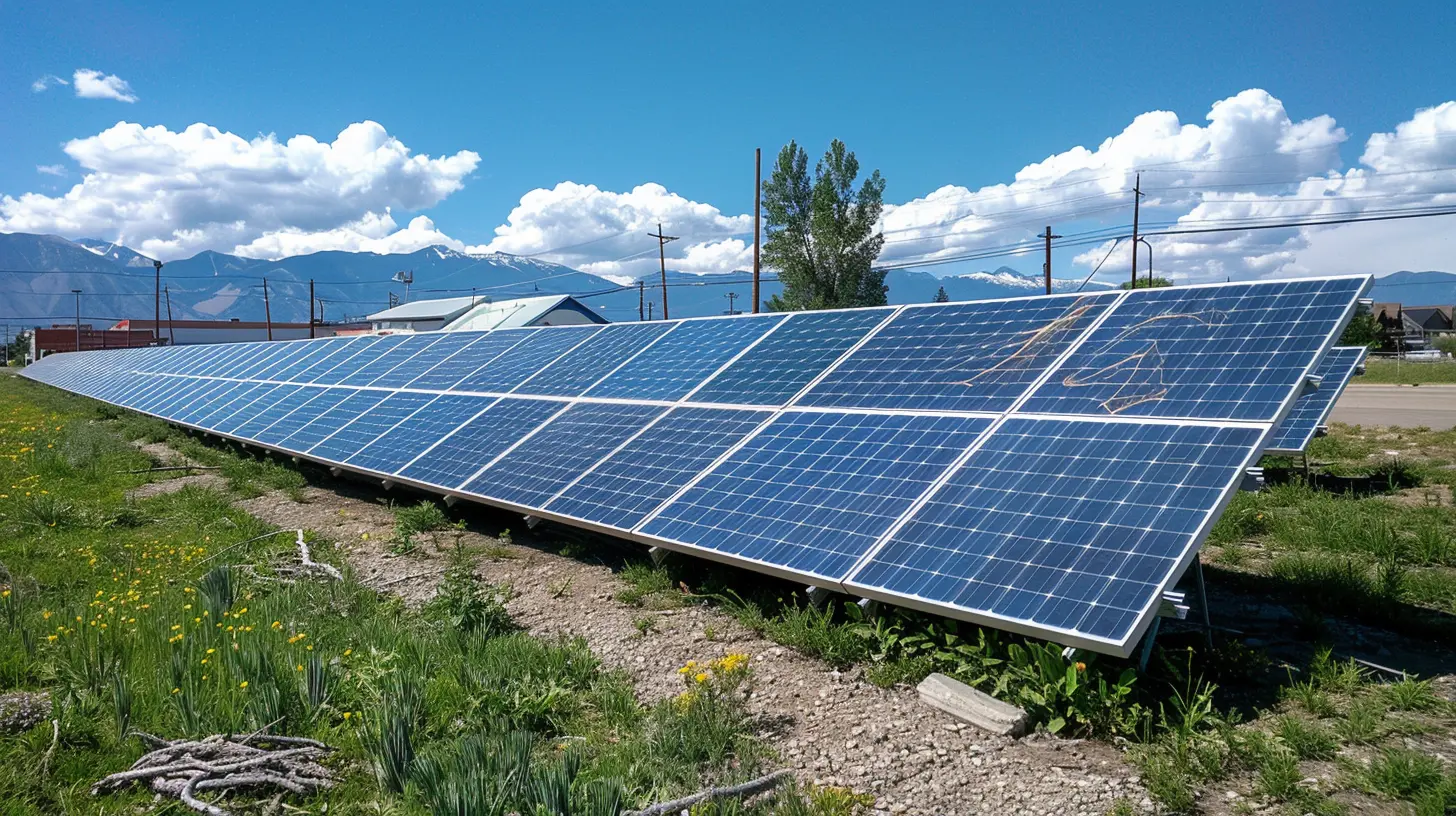
? Do Solar Farms Affect Plants Too?
Absolutely. Vegetation under and around panels often gets cleared or controlled to prevent shading. That’s understandable from an energy-production perspective, but guess what? Those native plants are often food sources or nesting spots for native creatures.Even when plants are allowed to grow, microclimate changes under the panels (less sunlight, different moisture patterns) mean different plant species could dominate, which may not support the original ecosystem.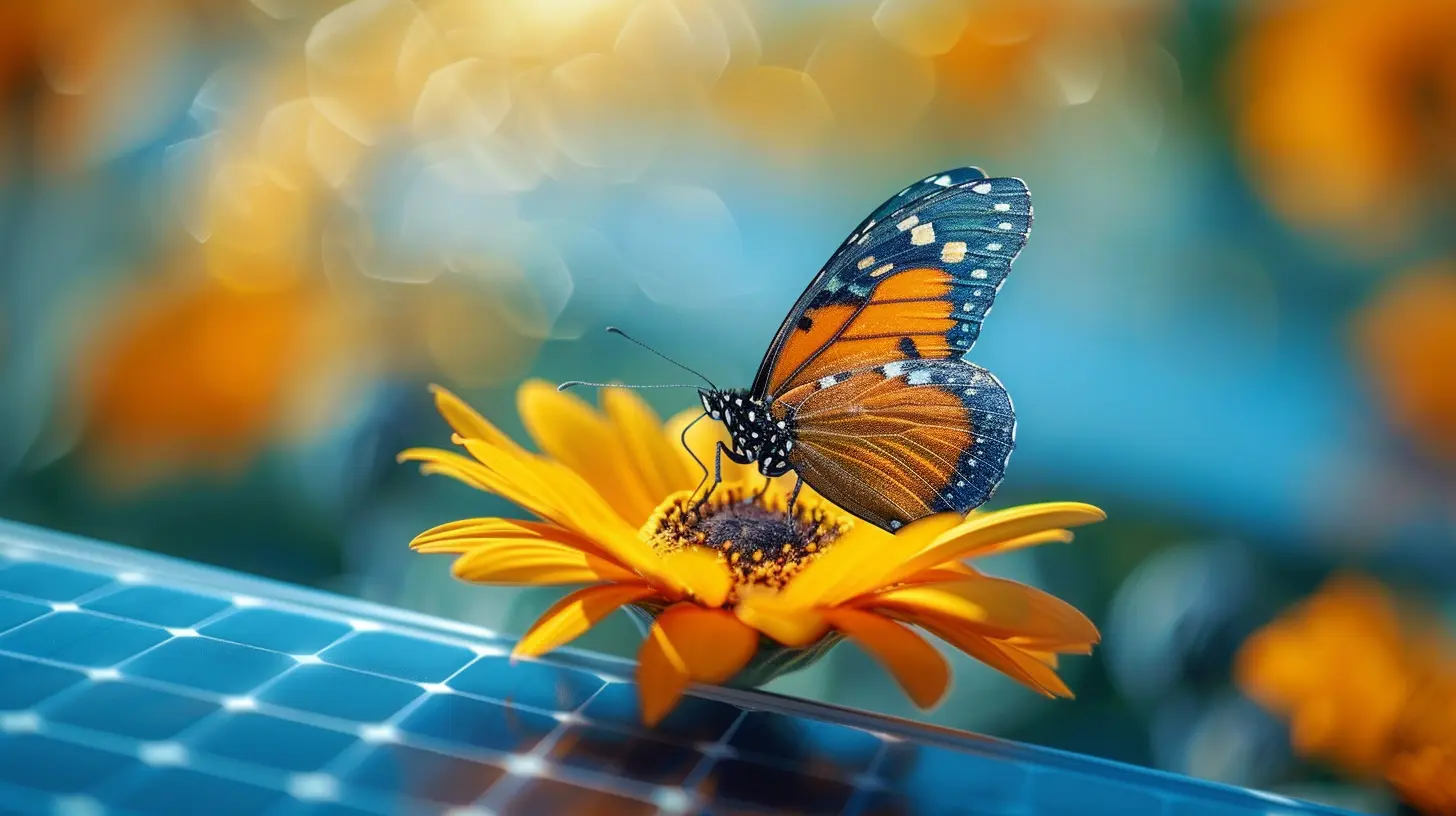
? What About Pollinators?
We all love bees, right? (Okay, maybe not love, but most of us are at least pro-bee.)Pollinators like bees and butterflies rely heavily on wildflowers and native plants. When solar farms replace meadows with metal, pollinator habitat shrinks. That’s a problem, not just for the bees but for anyone who eats food (so, literally everyone).
Here’s the twist though—some solar farms are planting pollinator-friendly vegetation, turning those sun-drenched spaces into sanctuaries for bees and butterflies. More on that in a minute.
? Reptiles and Amphibians: The Overlooked Victims
They may not be as cuddly as birds or bees, but reptiles and amphibians are crucial parts of many ecosystems. And solar development impacts them significantly:- They often have small home ranges and limited mobility.
- Many are cold-blooded, so the heat trapped under solar panels can cause thermal stress.
- Construction can crush or displace burrowing species like gophers, snakes, or toads.
They're like the backstage crew of nature. You may not see them in the spotlight, but boy, do they keep things running.
? The Bright Side (Yes, There Is One!)
Now hold on—don’t go swearing off solar energy just yet. It’s not all doom and gloom. The industry is learning, adapting, and coming up with clever ways to make solar more eco-friendly.1. Agrivoltaics: Solar + Farming = Win-Win
Enter agrivoltaics—a fancy word for using land for both agriculture and solar energy. Farmers grow crops or graze animals between or under solar panels. Talk about multitasking!Sheep, for example, can graze grass around panels, keeping vegetation low while munching away. And crops like lettuce or kale that don’t mind a little shade can thrive under panels.
It’s like solar-sharing.
2. Pollinator-Friendly Solar Farms
Some solar developers are planting native flowering plants and grasses around and under panels, effectively creating a meadow that doubles as a pollinator paradise. These partnerships with conservation groups turn solar farms into eco-havens.In fact, some U.S. states now have voluntary "pollinator-friendly" scorecards to encourage this trend.
3. Wildlife Corridors and Buffer Zones
Many forward-thinking projects now include wildlife corridors—strips of natural habitat left untouched to allow animal movement. Think of it as animal highways running through or around solar farms.Vegetation buffers and fencing modifications are also being used to help small animals move freely and reduce unintended harm.
?Location, Location, Location
Not all land is equal when it comes to solar. Placing solar farms on:- Former industrial sites
- Landfills
- Abandoned mines
- Rooftops and parking lots
…means we can harvest clean energy without disrupting pristine ecosystems. This concept is often called “smart siting”, and it’s a total game-changer.
Think of it as the real estate mantra but for renewable energy: “Don’t build on what’s beautiful. Fix what’s already broken.”
? So, What’s the Verdict?
Like many things in life, it’s complicated. Solar farms are a huge step forward in the fight against climate change. But they're not guilt-free. The trick is to acknowledge the environmental trade-offs and actively work to reduce them.If we're smart about it—and I know we can be—solar farms can go from being big metal invaders to being helpful neighbors in a thriving ecosystem.
Yes, we’re going to need more solar farms. But they can co-exist with nature… if we plan them with empathy, intelligence, and a dash of creativity.
? Final Thoughts: Shine On, Responsibly
Solar energy is here to stay (hooray!), but so are birds, bees, and all the beautiful creatures of the wild. The challenge? Making sure both can thrive together.And let’s be honest—there’s something pretty poetic about using the sun’s power without stealing the spotlight from nature.
So the next time someone tells you solar panels are 100% eco-perfect, smile and say, “Almost. But there’s more to the story.”
Because now? You know the bright and not-so-bright sides of the impact of solar farms on local ecosystems and wildlife.
all images in this post were generated using AI tools
Category:
Renewable EnergyAuthor:

Michael Robinson
Discussion
rate this article
1 comments
Pandora Sullivan
Solar farms offer crucial benefits for ecosystems and wildlife.
July 10, 2026 at 4:08 AM