The Rise of AI-Powered Diagnostics in 2026
2 May 2026
You know that sinking feeling when you sit in a sterile doctor's office, clutching a paper gown, waiting for test results that feel like a verdict? We've all been there. The anxiety, the what-ifs, the way time seems to stretch while a technician squints at a scan. Now imagine walking into that same room, but the machine next to your doctor has already analyzed your bloodwork, your genetic markers, and your heart rhythm in the time it took you to say "hello." That's not science fiction anymore. That's 2026.
We are living through a quiet revolution. Not the flashy kind with robot assistants handing out pills, but a deeper, more subtle shift in how our bodies talk to us and how we listen. AI-powered diagnostics have moved from experimental labs to your local clinic, and the change is both terrifying and wonderful. Let's break down what's really happening, why it matters, and why you should care even if you don't understand a single line of code.
The Day the Machine Listened
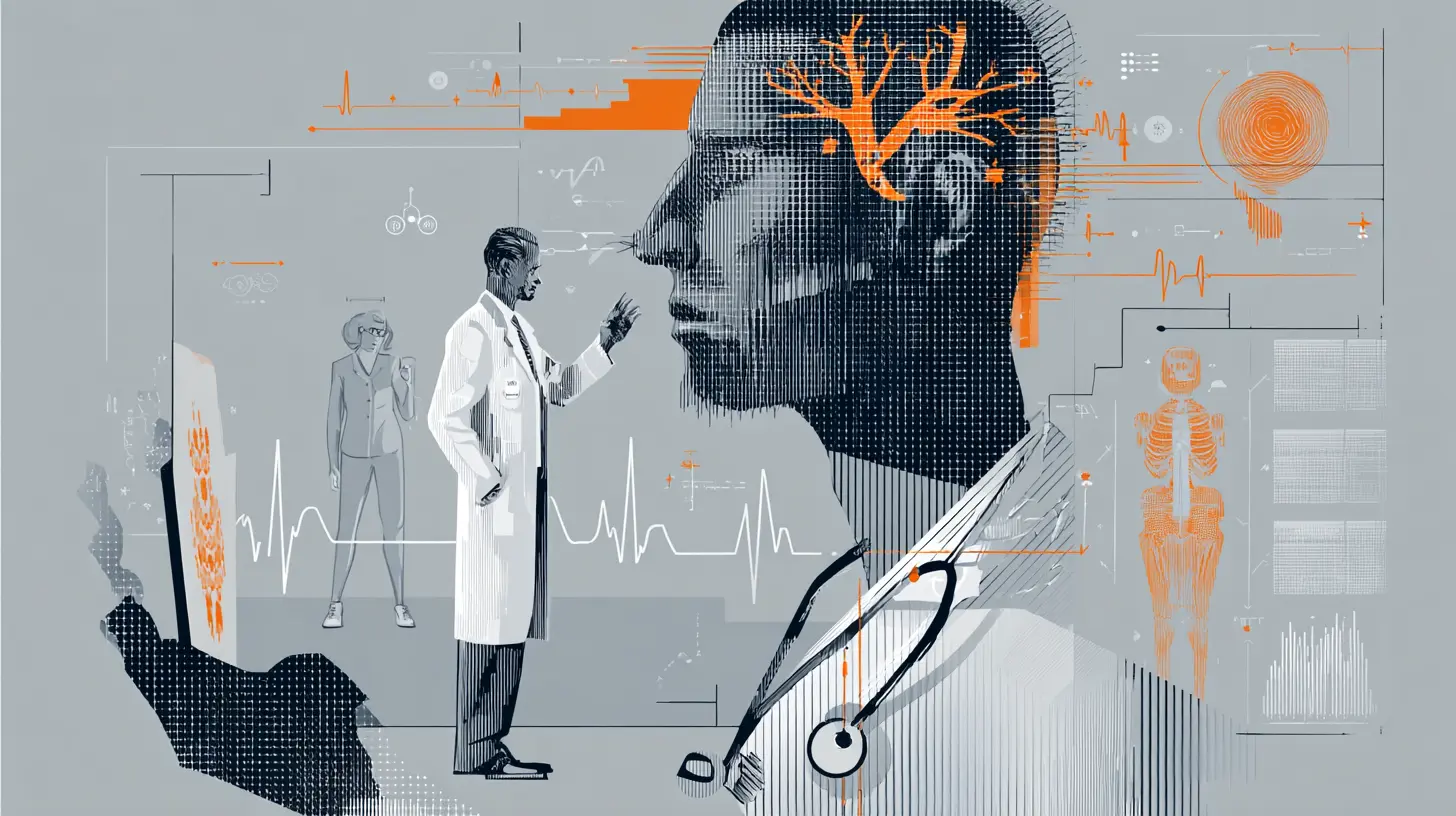
I remember my first real encounter with AI diagnostics. It was last January, and my daughter had a persistent cough that wouldn't quit. The pediatrician, a kind woman with tired eyes, strapped a small sensor to her chest. "This will listen to her lungs for a few minutes," she said. "Then it'll tell us what's going on."I thought it was a gimmick. But ten minutes later, a tablet on the wall displayed a heat map of her breathing patterns, flagged a subtle wheeze I couldn't hear, and suggested a specific type of viral infection. The doctor nodded, confirmed with a quick swab, and we had a treatment plan before the prescription was even typed. That wasn't magic. That was a neural network trained on millions of lung sounds, learning to spot the whispers of illness before they become screams.
In 2026, this kind of scenario is becoming the norm. From dermatology apps that scan moles with better accuracy than a human eye to radiology AI that catches tiny fractures in X-rays, the machines are not replacing doctors. They are giving them superpowers. Think of it like a spellcheck for your health. You still need the writer to craft the story, but the tool catches the typos you'd miss.
Why 2026 Is Different from 2025
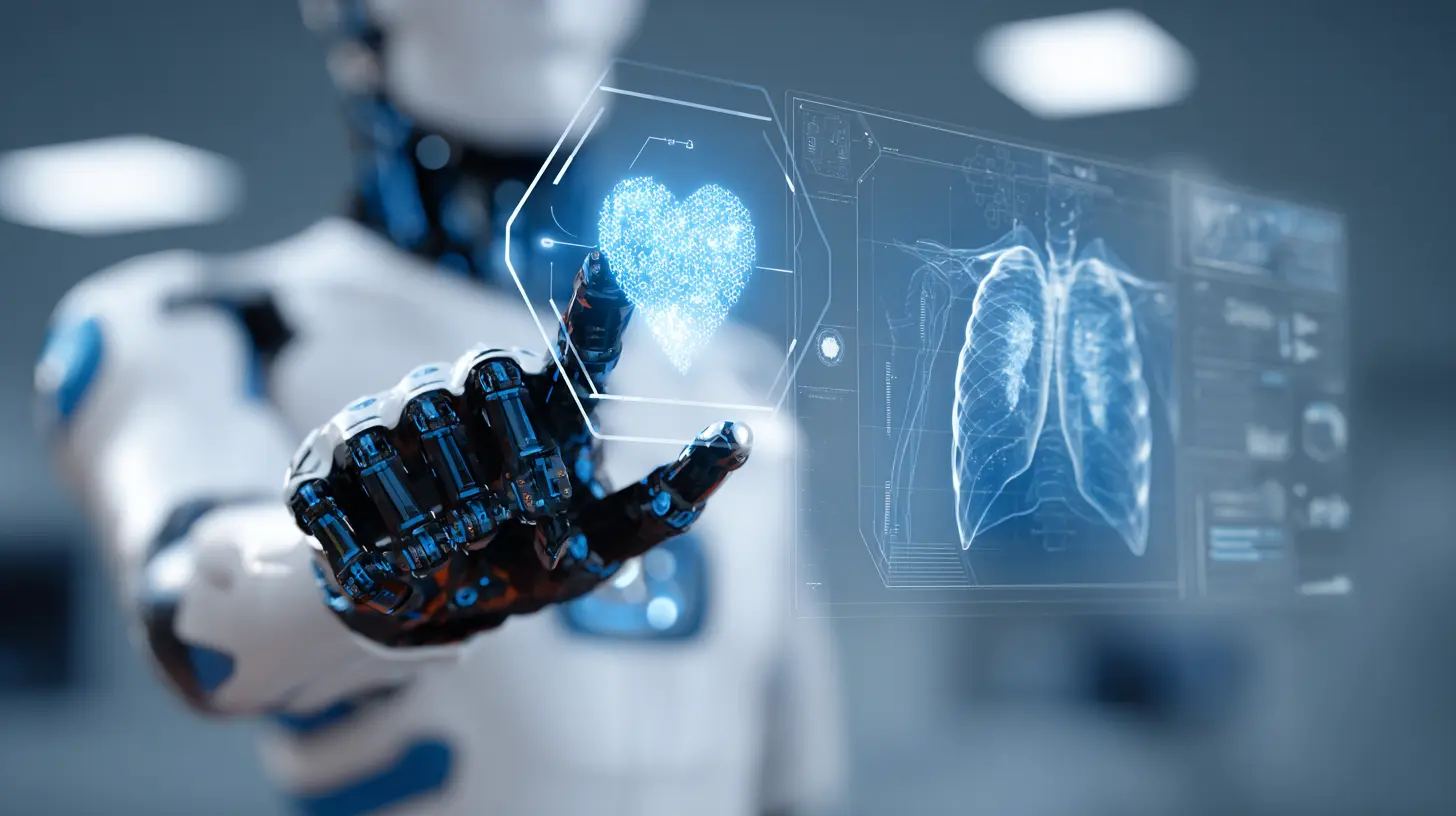
You might be thinking, "Didn't we hear this same hype a few years ago?" Fair point. The difference now is maturity. Back in 2023 and 2024, AI diagnostics were like a teenager with a driver's license: plenty of enthusiasm, but prone to crashing into edge cases. The models hallucinated, misread rare conditions, and often needed a human to double-check everything. That was useful, but not revolutionary.In 2026, the models have grown up. They've been trained on broader, more diverse datasets. They've learned to say "I'm not sure" instead of guessing. And crucially, they've been integrated into the workflow of hospitals, not just bolted on as a shiny gadget. The FDA has approved dozens of AI-powered diagnostic tools for primary care, not just specialized imaging. That means your general practitioner can now run a quick AI screen for early signs of pancreatic cancer, sepsis, or even depression, all from a simple blood draw or a voice recording.
The real breakthrough is in multimodal diagnostics. This is a fancy way of saying the AI doesn't just look at one thing. It combines your DNA, your wearable data, your lab results, and even your social media activity (with your permission) to build a complete picture. It's like having a detective who doesn't just examine the crime scene but also reads the victim's diary, checks their phone, and talks to their neighbors. The result is a diagnosis that feels personal, not generic.
How It Actually Works Under the Hood
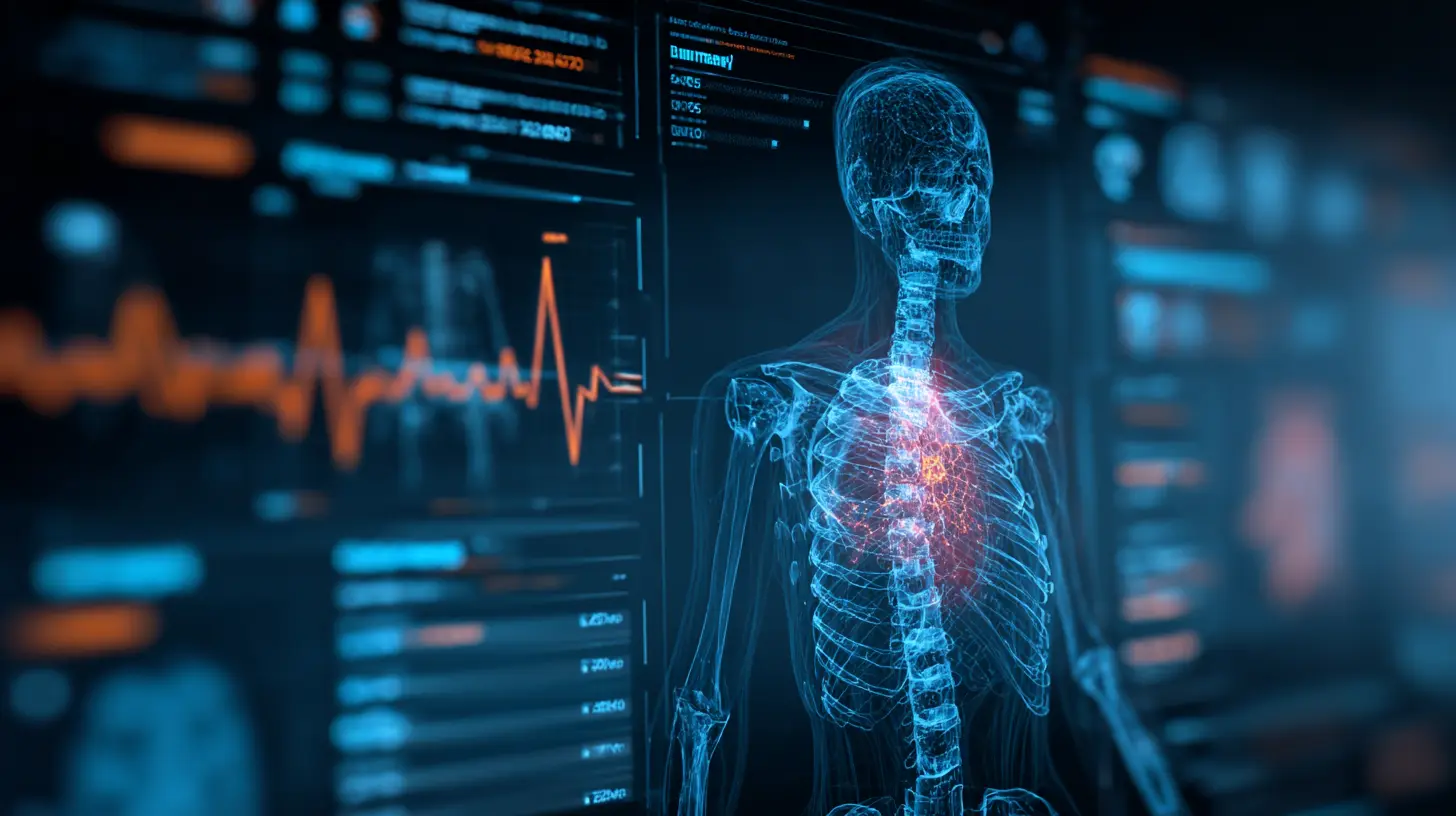
Let's get a little technical, but I promise to keep it human. Imagine you have a headache. In the old world, your doctor would ask a few questions, maybe order a CT scan, and then guess based on patterns. In the new world, an AI model called a transformer (yes, the same kind that powers ChatGPT) processes your symptoms, your age, your family history, and even the weather in your area. It cross-references that with millions of anonymized patient records.The model doesn't "think" the way we do. It calculates probabilities. "Given these inputs, there is a 94.7% chance this is a tension headache, a 4.2% chance it's a migraine, and a 1.1% chance it's something more serious." The doctor sees those numbers, asks a few more questions, and makes the final call. The AI is not the boss. It's the smart assistant who hands you the right file before you even ask.
What has changed in 2026 is the speed of this process. Two years ago, running that kind of analysis took minutes, sometimes hours. Now it happens in milliseconds, right on a laptop or even a smartphone. The models have been compressed and optimized to run on edge devices, meaning your data doesn't have to fly to a distant server and back. Privacy improves, and results come faster.
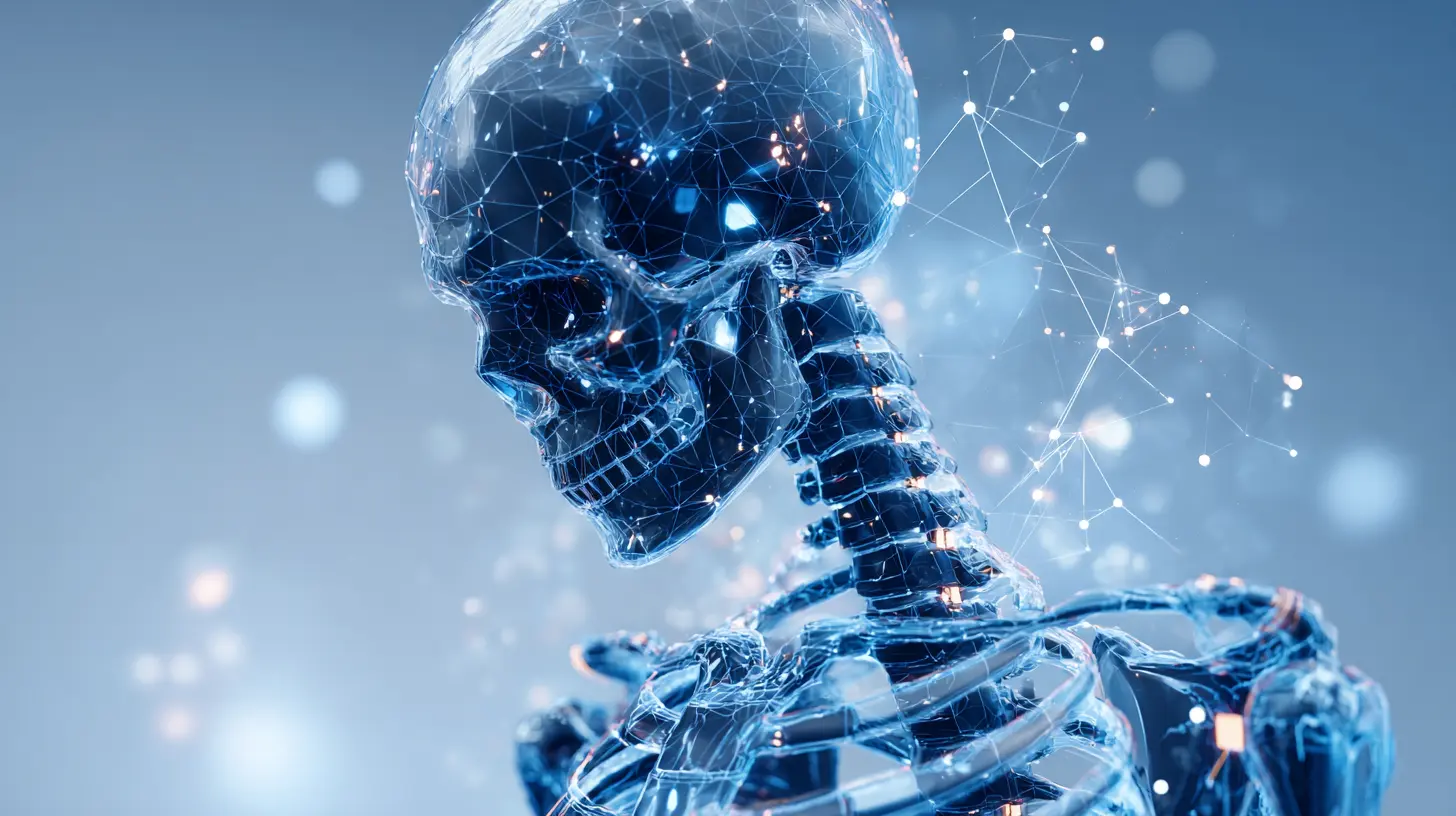
The Human Side: Fear, Trust, and the Doctor-Patient Bond
Let's be honest. The idea of a machine diagnosing you is creepy. It feels cold, impersonal, like being judged by a calculator. I felt that way too, until I saw the relief on a friend's face when an AI caught her father's early-stage kidney disease. The human doctors had missed it for months. The AI flagged it because it noticed a subtle pattern in his urine protein levels that didn't match his age or lifestyle. That pattern was invisible to the human eye, but obvious to a model trained on half a million similar cases.The fear usually stems from a misunderstanding of what the AI is doing. It's not replacing the doctor's empathy or intuition. It's augmenting it. Think of it like a GPS for your road trip. You still drive the car. You still decide where to stop for coffee. But the GPS saves you from getting lost in a maze of back roads. In 2026, the best doctors are the ones who know how to use these tools without letting them take over the conversation.
There is a real trust issue, though. Patients worry about data privacy, and rightfully so. Who owns your lung sound recording? Can an insurance company see that your AI scan flagged a potential risk? These are not solved problems yet, but the industry is moving toward "federated learning," where the AI trains on your data without ever copying it. Your information stays on the hospital's secure server, and the model only learns the patterns, not your identity. It's not perfect, but it's a step in the right direction.
The Unseen Heroes: Wearables and Home Testing
If you think AI diagnostics are only happening in hospitals, think again. The real explosion in 2026 is happening on your wrist, in your bathroom, and even in your smart toilet. Yes, I said smart toilet. Companies have rolled out devices that analyze your urine and stool for biomarkers of disease, all while you're just going about your day. The data syncs to an app, and an AI model alerts you if something is off.Wearables have become incredibly sophisticated. The latest smartwatch doesn't just track your steps and heart rate. It measures your blood oxygen, your skin temperature, your sweat composition, and even your voice patterns. An AI model can detect the early signs of a respiratory infection from a change in your cough sound, or spot the onset of atrial fibrillation from a subtle irregularity in your pulse. It's like having a tiny doctor living on your arm, one that never sleeps and never judges you for skipping a workout.
The beauty of this is early detection. Most diseases are easier to treat when caught early, but they often sneak up on us. The AI can spot a trend over weeks or months that a human would never notice. A slight dip in your activity, a tiny change in your sleep quality, a subtle shift in your voice pitch. These are the breadcrumbs that lead to a diagnosis before you even feel sick. In 2026, the goal is to catch the fire before it becomes a blaze.
The Dark Side: Bias, Overdiagnosis, and the Algorithmic Echo Chamber
I would be lying if I said this was all sunshine and rainbows. AI diagnostics have a dark side, and we need to talk about it. The biggest problem is bias. If the model is trained mostly on data from white, wealthy, urban populations, it will be less accurate for everyone else. A skin cancer detector trained on light skin tones might miss a melanoma on a darker complexion. A heart disease model trained on male data might fail to spot symptoms in women, who often present differently.In 2026, we are seeing a push for "equity by design." Regulators are demanding that AI diagnostics be tested on diverse populations before they hit the market. Some companies are using synthetic data to fill gaps, but it's a work in progress. The truth is, these models are only as good as the data they eat. If we feed them a biased diet, they will serve biased opinions.
Another risk is overdiagnosis. When you give a machine the power to find tiny anomalies, it will find them. But not every anomaly is a problem. You might get a notification that your AI scan spotted a "potential abnormality" in your thyroid, leading to a week of anxiety and expensive follow-up tests, only to find out it was a harmless nodule. The algorithm can't always distinguish between a real threat and a false alarm. This is where the human doctor's judgment becomes critical. The AI is great at finding needles in haystacks, but it's not great at deciding which needles are rusty.
The Future Is Already Here, It's Just Unevenly Distributed
The writer William Gibson once said, "The future is already here, it's just unevenly distributed." That is painfully true for AI diagnostics in 2026. If you live in a big city with a well-funded hospital, you might get a full AI workup in five minutes. If you live in a rural area or a developing country, you might still be waiting weeks for a basic test.But there is hope. Mobile health vans equipped with AI-powered ultrasound devices are rolling out in remote villages. Smartphone apps that can diagnose eye diseases from a photo are being used in refugee camps. The technology is getting cheaper and smaller. A device that cost a million dollars five years ago can now be shrunk into a dongle that plugs into your phone. The barrier to entry is dropping fast.
The real question is not whether AI will change diagnostics, but whether we will let it change us. Will we become a society that trusts machines more than our own bodies? Will we let algorithms dictate our anxiety levels? Or will we learn to use these tools as partners, not masters?
A Personal Take: What I Hope For
I don't want a world where a robot tells me I have cancer. I want a world where a machine helps my doctor find it early enough to do something about it. I want the technology to be a bridge, not a wall. In 2026, we are closer to that vision than ever, but we are not there yet.The best part of this shift is the empowerment it gives to patients. You no longer have to be a passive recipient of care. You can track your own data, ask your own questions, and have a real conversation with your doctor, backed by evidence. The AI is a translator between the language of your body and the language of medicine. It doesn't replace the human touch, but it amplifies it.
So the next time you sit in that paper gown, and you see a screen flicker to life with a diagnosis in seconds, don't panic. Don't feel like you're being replaced by a machine. Feel like you're being seen, really seen, for the first time. Because that is what AI-powered diagnostics in 2026 are all about: seeing the invisible, hearing the silent, and catching the whispers before they become screams.
The future of medicine is not cold. It's just faster, smarter, and more human than we ever imagined.
all images in this post were generated using AI tools
Category:
Tech In HealthcareAuthor:

Michael Robinson
Discussion
rate this article
2 comments
Jennifer Rivera
Oh great, now my toaster will probably start diagnosing my breakfast choices too. Can't wait for it to tell me I'm gluten intolerant... on a bagel morning.
June 16, 2026 at 2:52 AM
Michael Robinson
I hear you! The future might involve some unexpected conversations with our kitchen gadgets. Just hope the toaster has good taste!
Rowan McQuade
This article highlights an exciting evolution in healthcare. AI-powered diagnostics promise to enhance accuracy and efficiency in patient care. It's inspiring to see technology paving the way for better solutions and healthier futures for all.
May 24, 2026 at 5:00 AM