The Role of Coaches in Competitive Esports Teams
7 April 2026
Alright, let's get real about something that doesn’t always get the spotlight it deserves—coaches in esports. Yeah, we all know the star players, the flashy plays, the viral highlight reels. But behind every team that’s crushing tournaments, there’s usually a coach (or an entire coaching staff) hustling hard in the background.
Now, some folks still think, “Wait, esports teams need coaches? Isn’t it just gaming?” Well, that’s like saying professional athletes don’t need trainers, strategists, or nutritionists. Come on—competitive gaming today is just as intense as any traditional sport. So let’s break it all down and talk about just how important these unsung heroes are in the world of esports.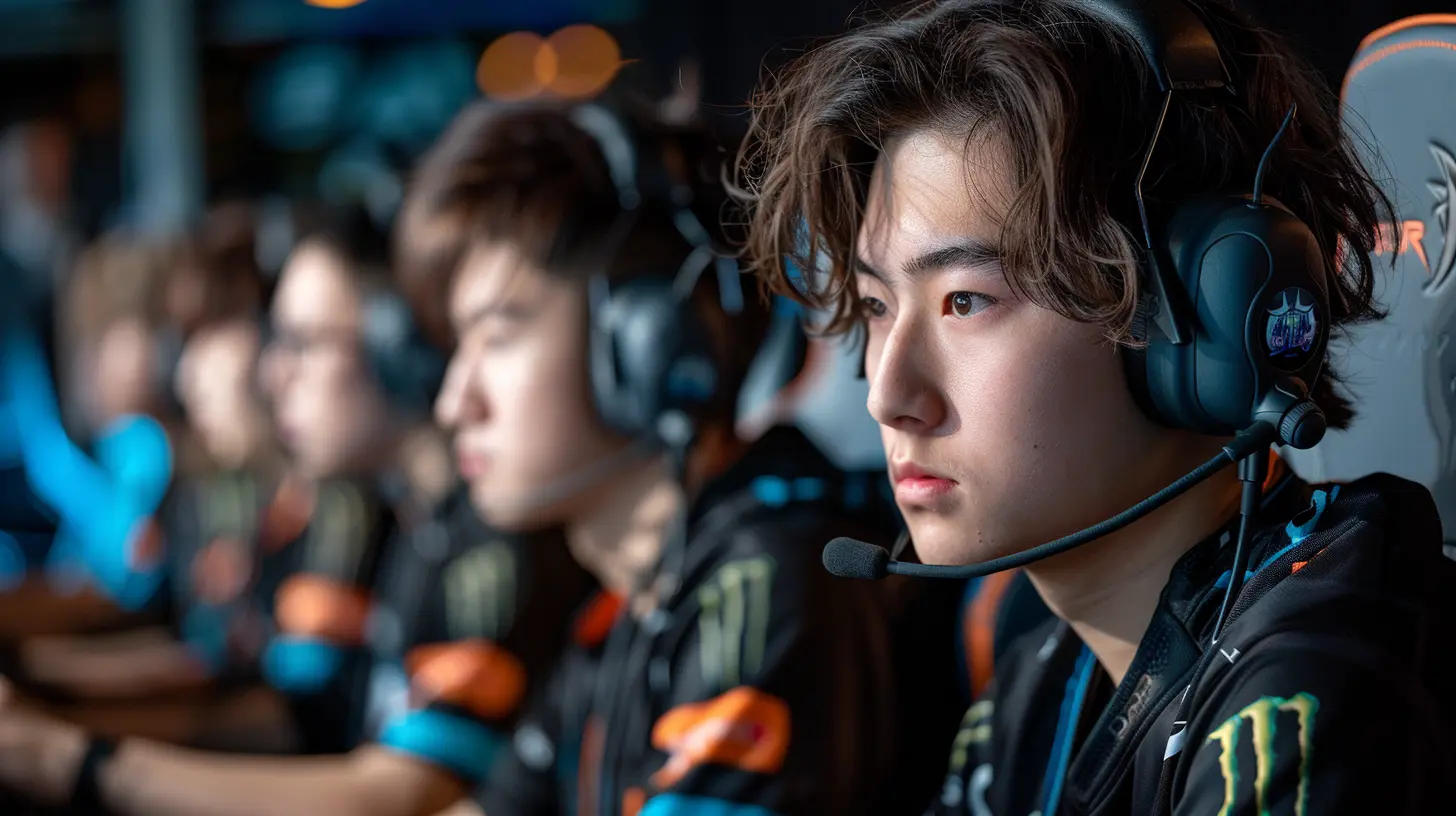
From Casual Gaming to Pro Play: Why Coaching Matters
Gaming used to be about fun, hanging out with friends, and maybe yelling at each other over who fed in the last match. But when money, sponsors, and global fame entered the chat, the casual vibes took a back seat. Today? Competitive gaming is serious business.Coaches are the glue that holds the whole operation together. They’re part mentor, part strategist, part psychologist—and sometimes, a bit of a motivational speaker too. At the highest level of competitive play, raw skill only gets you so far. Strategy, mental strength, team synergy? That’s where coaches shine.
What Exactly Do Esports Coaches Do?
Let’s peel back the curtain and look at the many hats esports coaches wear. Spoiler: It’s not as simple as yelling, “GANK BOT!”1. Game Strategy and Analysis
This is the big one. Coaches help break down complex strategies, counter enemy tactics, and optimize the team’s approach for every match. They watch hours—literally hours—of gameplay footage and scrims to spot tiny mistakes and room for improvement.Think of them like chess masters. Every game is a puzzle, and coaches are the ones helping players see the board five moves ahead.
2. Scouting the Competition
Before a tournament, coaches study the heck out of opposing teams. They analyze playstyles, common rotations, favorite champions or characters, and patterns in decision-making. It’s like being an FBI agent, but for matchups.And yes, they often know what the enemy is going to do even before they do it.
3. Drafting and Pick/Bans
In games like League of Legends, Dota 2, or Overwatch, the pre-game draft can be a win-or-lose moment. Coaches guide the pick/ban phase to ensure the team walks in with the best comp possible.It’s a blend of meta knowledge, opponent research, and knowing your own team’s strengths.
4. Helping With Mental Resilience
Competitive environments can mess with your head. Tilt, nerves, burnout—all that pressure adds up. Coaches help players stay grounded, motivated, and focused.Some esports organizations even bring on sports psychologists or mental coaches to work alongside the main coach. Why? Because a clear mind wins games.
5. Managing Team Dynamics
A team is more than just five cracked players. Personalities clash, egos spark, communication breaks down—it happens. Coaches step in to keep everyone on the same page and prevent drama from wrecking team morale.Sometimes they’re the bad cop, sometimes they’re the team dad (or mom). Either way, they’re always watching and listening.
6. Setting Practice Schedules
Good practice is efficient practice. Coaches create scrim schedules, organize VOD reviews, brainstorm drills, and make sure the team isn’t just playing aimlessly for hours.Improvement comes from intentional reps, and guess who’s making that happen?
Types of Esports Coaches
Believe it or not, esports coaching isn’t one-size-fits-all. Depending on the size of the org and the complexity of the game, there might be multiple coaches handling different roles.🧠 Head Coach
This is the coach with the final say. They handle overall strategy, leadership, and decision-making. Every other coach usually reports to them.🔍 Analyst
This person is deep in the data trenches. They break down past games, monitor stats, build spreadsheets, and find patterns in gameplay. If you're picturing a nerdy wizard with multiple screens, you're not far off.📢 Strategic Coach
Usually focused on high-level gameplay decisions—rotations, macro play, win conditions, etc. They work hand-in-hand with the head coach.🧘 Mental Coach
This could be a psychologist or just someone skilled in emotional support, helping players stay confident and healthy mentally.
Real-Life Examples from Top Teams
Want proof that coaching works? Look at top-tier esports orgs. Teams like T1, Team Liquid, Fnatic, and Cloud9 all have full coaching rosters.Take T1’s League of Legends team, for instance. Their head coach constantly tweaks strategies, supports rookies as they grow, and keeps the team battle-ready. When they smashed through Worlds, it wasn’t just the players—it was a full group effort.
Or look at CS:GO legends like NAVI. Their coach is a master at controlling nerves under pressure and keeping the team dialed in between rounds. That’s not luck—it’s management.
Challenges Coaches Face in Esports
Coaching in esports isn’t all rainbows and victory screens. There are big challenges that traditional coaches don’t always deal with.1. Player Ego and Youth
Many pro gamers are incredibly young, some even under 18. Coaching teenagers or young adults with big egos? Yeah, that takes finesse.Not every player wants to be coached, especially if they think they know best. Coaches need to earn respect fast or risk being tuned out.
2. Rapid Meta Shifts
The meta in games like Valorant, LoL, or Overwatch can shift overnight with a single patch. Coaches need to stay on top of changes constantly—and adjust game plans accordingly.Talk about running a marathon while the track changes beneath your feet.
3. Burnout and Longevity
The esports grind is insane. Long hours, high stakes, and intense travel schedules. Coaches are trying not just to keep players improving, but also to prevent them from burning out.Plus, coaches themselves are human. They burn out too.
The Evolution of Coaching in Esports
Just a few years ago, many orgs didn’t even believe in hiring full-time coaches. Fast-forward to now, and top-tier teams are investing big. Why? Because they’ve seen what happens when you get the right coach.Organizations are now building training facilities, developing player boot camps, and hiring staff with backgrounds in traditional sports. The esports coach of today is a hybrid pro—equal parts game theory expert, leader, psychologist, and hype-man.
How to Become an Esports Coach
Interested in becoming one yourself? Here’s how to start:1. Master a Game: You need deep knowledge of one game. Not just playing it, but understanding its mechanics, meta, and competitive scene.
2. Watch Pro Play: Analyze VODs like crazy. Try to think like a coach—why did that play work? What could have been better?
3. Start at the Bottom: Offer to coach amateur teams or work as an analyst. Build a coaching resume.
4. Network: Reach out to teams, attend LANs, join Discords, and stay active in the scene. Opportunities often come from knowing the right people.
5. Keep Learning: Coaching isn’t static. Every game update, every match—you learn something new.
Final Thoughts: Coaches Are Game-Changers—Period.
At the end of the day, you could argue that behind every clutch victory in esports, there’s a coach who helped make it possible. Sure, players execute the plays, but coaches shape the path that leads to that game-winning moment.They’re the strategists, the mediators, the motivators, and the brains behind those big Ws on the scoreboard.
So next time you're watching a big match and your favorite team pulls some next-level strat out of nowhere—you’ll know there’s someone backstage smiling, knowing their plan just worked.
all images in this post were generated using AI tools
Category:
EsportsAuthor:

Michael Robinson
Discussion
rate this article
2 comments
Iris Alvarez
Coaches are the backbone of esports teams, shaping strategy and fostering synergy. Their expertise transforms potential into victory! #GameChangers
April 16, 2026 at 2:38 AM
Michael Robinson
Absolutely! Coaches play a crucial role in guiding teams to success by enhancing strategy and teamwork, ultimately turning potential into achievement. Thank you for highlighting their importance!
Linnea McIntire
Coaches in esports are like the wizards behind the curtain—crafting strategies, boosting morale, and turning keyboard warriors into champions! Go team go!
April 8, 2026 at 11:15 AM
Michael Robinson
Absolutely! Coaches play a crucial role in esports, blending strategy and motivation to elevate players' performance and build cohesive teams. Their behind-the-scenes work is essential for success.