The Role of Microgrids in Sustainable Energy Solutions
13 August 2026
Sustainable energy. It’s one of those buzzwords we hear tossed around a lot. But let’s face it — we need practical ways to make it work in real life, right? That’s where microgrids come into the picture. These small-scale, self-contained power systems are revolutionizing how we think about energy. They're like the neighborhood gardens of the electrical world — local, reliable, and refreshingly independent.
So, whether you're an eco-enthusiast, a homeowner looking into solar panels, or someone who’s just curious about where our power is headed, you’re in the right place. Let’s unplug the jargon and break down the real role of microgrids in creating sustainable energy solutions.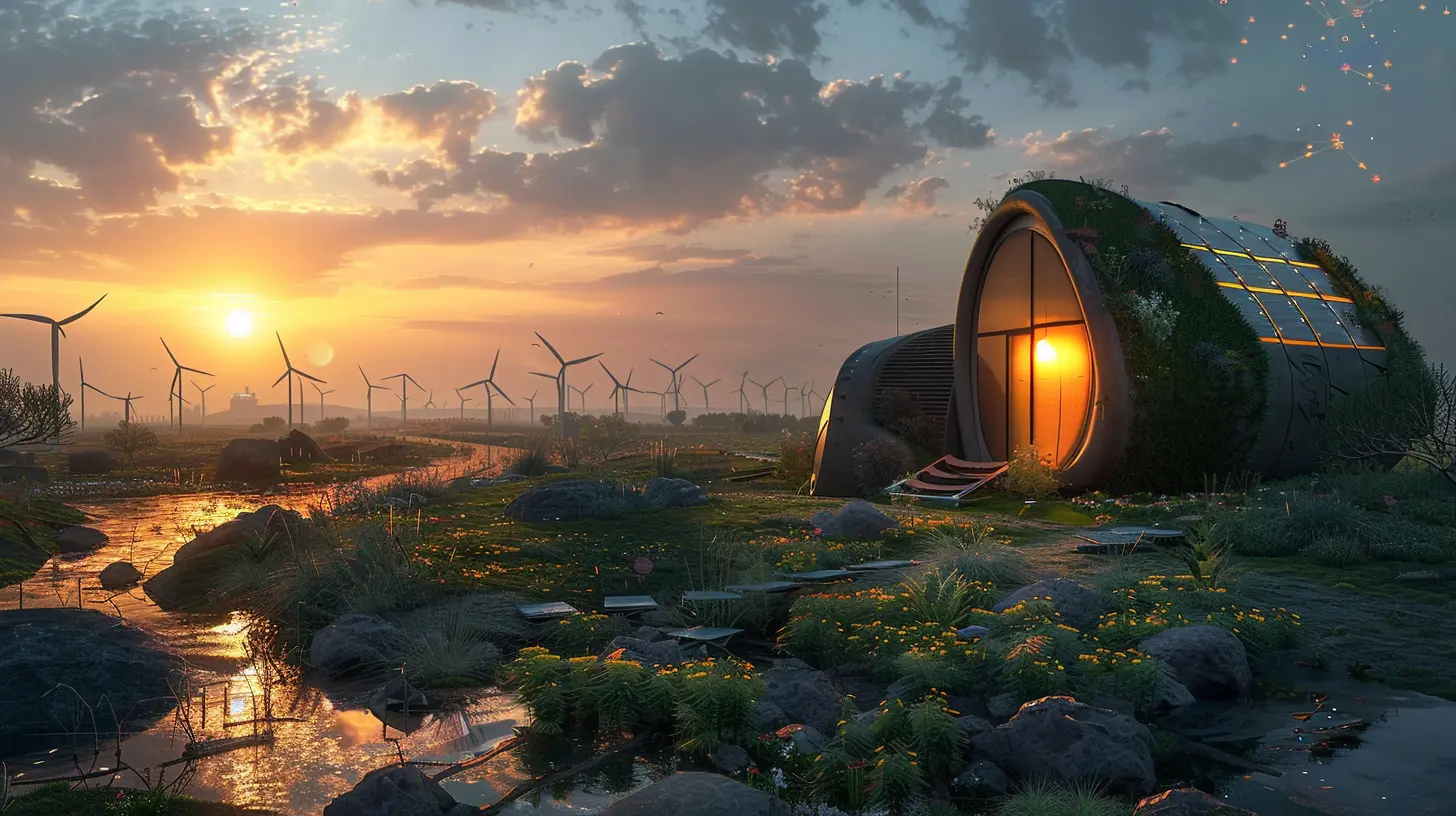
What Exactly is a Microgrid?
Before we go any further, let’s get clear on what a microgrid actually is. Think of your traditional electric power grid as a massive spider web — interconnected, complex, and sometimes a little fragile. Now, imagine you snip off a tiny piece of that web and give it the ability to function all on its own. That’s a microgrid.A microgrid is a smaller, localized energy system that can operate independently or in sync with the main grid. It usually includes a combo of energy sources like solar panels, wind turbines, batteries, and sometimes even good old-fashioned diesel generators as a backup.
Here’s the kicker — when the main grid goes down (think storms or outages), a microgrid can keep the lights on in its area. Pretty neat, right?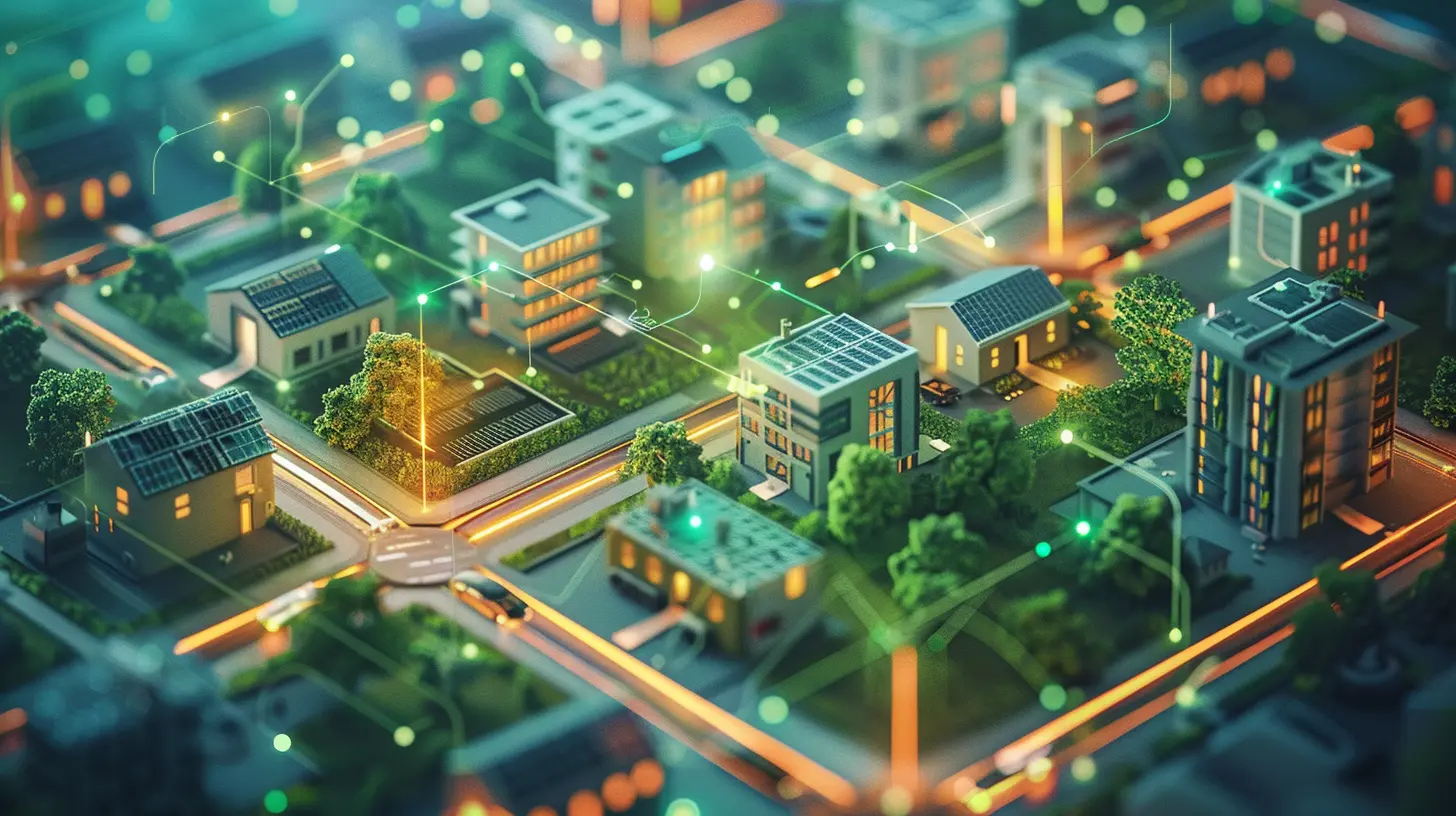
Why Sustainability Needs Microgrids
Alright, so we have this nifty tech that can power up local areas even when the main grid fails. But how does that tie into sustainability?Let’s lay it out.
1. Supports Renewable Energy Integration
Solar and wind are great, but they’re also a bit moody. The sun doesn’t always shine, and the wind doesn’t always blow. Microgrids help smooth out these ups and downs by storing extra energy and distributing it when needed.It’s like saving leftovers for later — nothing goes to waste.
2. Reduces Carbon Emissions
Microgrids often rely on clean energy sources. That means less reliance on fossil fuels and lower greenhouse gas emissions. If we’re serious about cutting our carbon footprint, this is a step in the right direction.3. Increases Energy Efficiency
Because microgrids are local, they cut down on the energy lost during transmission. You get energy faster and with fewer losses along the way. It’s like buying veggies from your local farmer’s market instead of shipping them across the country.
Real-Life Examples of Microgrids in Action
Let’s talk about how microgrids are already showing up in the real world — and making a difference.California: Fighting Wildfires With Smart Energy
With wildfires posing a serious threat, certain communities in California have turned to microgrids for energy security. During public safety power shutoffs, these local systems kept critical facilities like hospitals and fire stations running.Puerto Rico: Recovery After Disaster
After Hurricane Maria devastated Puerto Rico's power grid in 2017, microgrids became a beacon of hope. Communities rebuilt with decentralized systems that could operate even when the main network was down — a lifesaver in crisis.Africa: Powering Off-Grid Villages
In regions where extending the national grid is too costly or remote, microgrids provide an affordable and sustainable solution. Villages in parts of Kenya and Nigeria now have electricity for the first time, powered by sun and battery — talk about life-changing!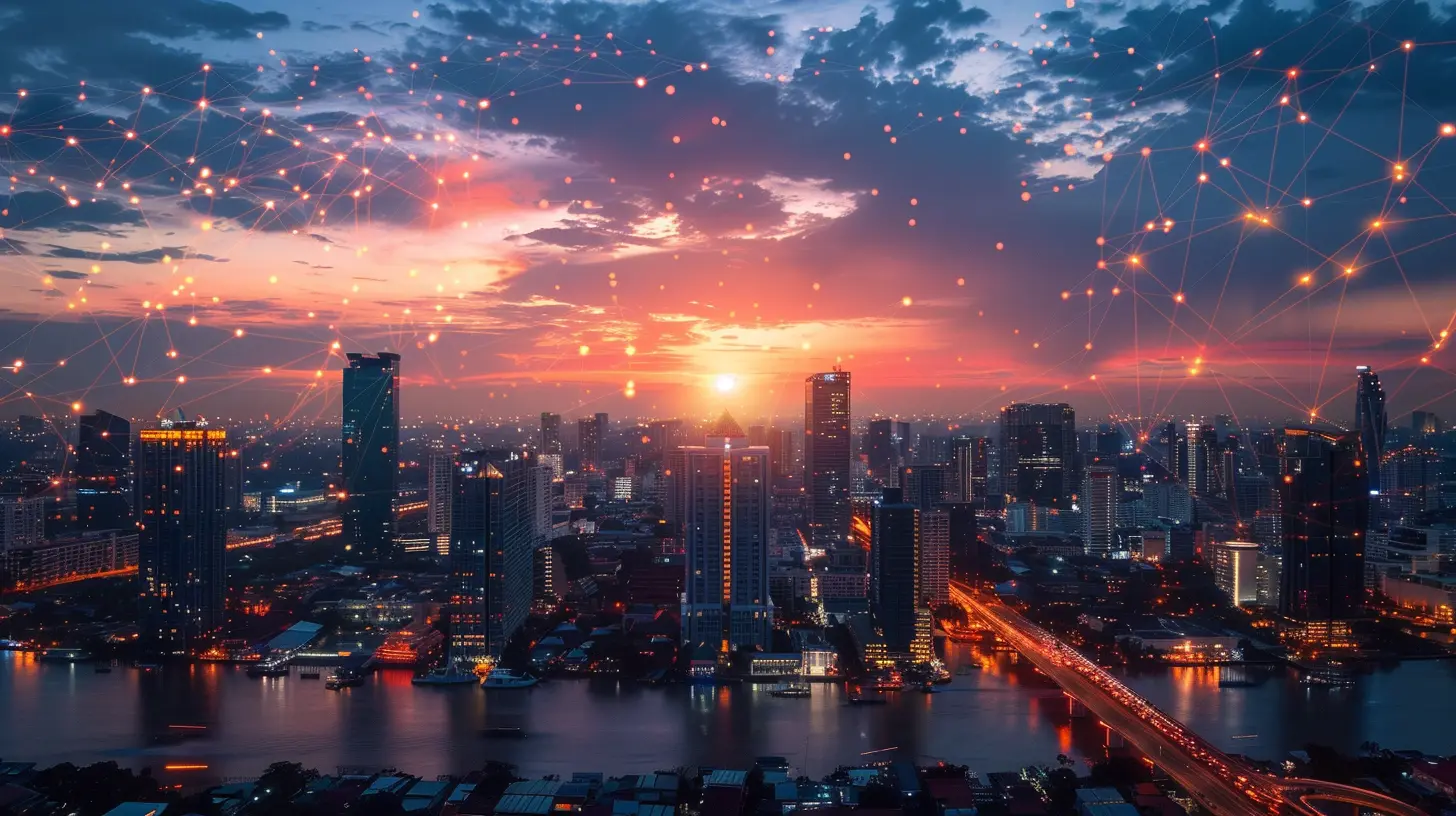
Key Components of a Microgrid
So, what’s under the hood of a typical microgrid? Let’s peek behind the curtain.1. Distributed Energy Resources (DERs)
These are your solar panels, wind turbines, biomass generators, and other sources of power at the point of consumption.2. Battery Storage Systems
Essential for storing excess energy. They ensure availability when renewable resources take a nap (like at night or on cloudy days).3. Control Systems
This is the brain of the microgrid. It manages energy flow, decides when to pull from the solar array, when to store, and when to switch to backup sources.4. Advanced Meters and Sensors
These little guys provide real-time data so the system can optimize power use and respond quickly to changes in demand or supply.Benefits of Microgrids You Should Know
Still wondering if microgrids are really worth the hype? Let’s break down the benefits in plain English.1. Energy Resilience
Bad weather? Natural disaster? Grid blackout? Microgrids keep running when everything else goes dark.2. Cost Savings Over Time
While the initial setup can be pricey, long-term savings are real. Think lower energy bills, fewer outages, and less dependence on expensive fossil fuels.3. Cleaner Energy Mix
By incorporating renewables, microgrids help communities transition to cleaner, greener electricity.4. Power for Remote Areas
No grid? No problem. Microgrids bring power to places where traditional infrastructure just doesn’t reach — from mountaintop cabins to rural villages.The Challenges Microgrids Still Face
Now, let’s be honest — microgrids aren’t perfect. There are a few speed bumps on the road to mass adoption.1. High Upfront Costs
Setting up a microgrid isn’t cheap. Between installing solar panels, batteries, and control systems, the initial expense can be a barrier.2. Regulatory Roadblocks
In many areas, regulations haven’t caught up with the tech. Utilities and policymakers still need to work out how microgrids fit into the bigger energy picture.3. Technical Complexity
Operating a microgrid requires smart systems and people who know how to use them. It’s not exactly plug-and-play (yet).The Role of Microgrids in a Decentralized Energy Future
Here’s the cool part. Microgrids are part of a larger shift away from our old-school, centralized energy model. Instead of relying on one huge power plant miles away, we’re moving toward multiple small energy hubs — like Wi-Fi routers for electricity.This decentralized approach offers flexibility, efficiency, and community control. It’s a more democratic energy system where people have a say in how they produce and use power.
And guess what? It’s not just about cities either. Universities, military bases, even islands — they’re all exploring microgrid tech to build energy independence.
Are Microgrids Right for Everyone?
You might be asking yourself, “So should I get one?”Well, it depends. If you live in an area prone to power outages, or you’re passionate about clean living and energy independence, then absolutely — it’s worth exploring. However, smaller homes may find it more cost-effective to join a community microgrid rather than build one from scratch.
It’s kind of like deciding between planting your own garden or joining a community one — both great, your pick depends on your needs and resources.
What the Future Looks Like: Smarter, Greener, More Connected
As tech improves and battery prices drop, microgrids are set to become more accessible. Pair them with smart meters, AI-driven energy management, and electric vehicles, and you’ve got an ecosystem that’s not just sustainable — it’s smart, flexible, and people-powered.We’re talking about a future where your home could swap energy with your neighbor, sell electricity back to the grid, or even help power your community center. That’s not sci-fi. That’s where we’re headed.
Final Thoughts
Microgrids aren’t just cool tech for eco-nerds. They’re increasingly vital tools in our fight for a sustainable energy future. From boosting resilience during disasters to cutting carbon emissions and empowering local communities — the role of microgrids is only growing.Yes, there are challenges. But every step forward — every tiny grid powering a school, a store, or a neighborhood — is a win for sustainability and energy equity.
So, next time you flip a switch, imagine a world where the power comes from right around the corner. That’s the promise of microgrids — energy that’s not just smarter, but closer to home.
all images in this post were generated using AI tools
Category:
Renewable EnergyAuthor:

Michael Robinson