The Role of Smart Homes in Maximizing Renewable Energy Use
19 May 2026
Did you ever imagine a home that not only makes life easier but also helps save the planet? Well, welcome to the future—where smart homes and renewable energy go hand in hand! Imagine waking up to the perfect room temperature, solar panels powering your morning coffee, and your home automatically managing energy use efficiently. This isn't some sci-fi fantasy; it's happening right now!
With climate change becoming a pressing issue, renewable energy is no longer just an option—it’s a necessity. But here’s the thing: while renewable energy is great, it’s not always available when we need it. The sun doesn’t shine 24/7, and the wind doesn’t blow on demand. That’s where smart homes step in to bridge the gap!
What Is A Smart Home?
Before diving deep, let’s clarify what a smart home actually is. Simply put, a smart home is a residence equipped with interconnected devices that automate and optimize multiple functions—lighting, heating, cooling, security, entertainment, and, most importantly, energy consumption. These devices communicate with each other (and you) via the internet, using artificial intelligence (AI), machine learning, and the Internet of Things (IoT).So, how does all this tech magic help maximize renewable energy use? Let’s break it down!
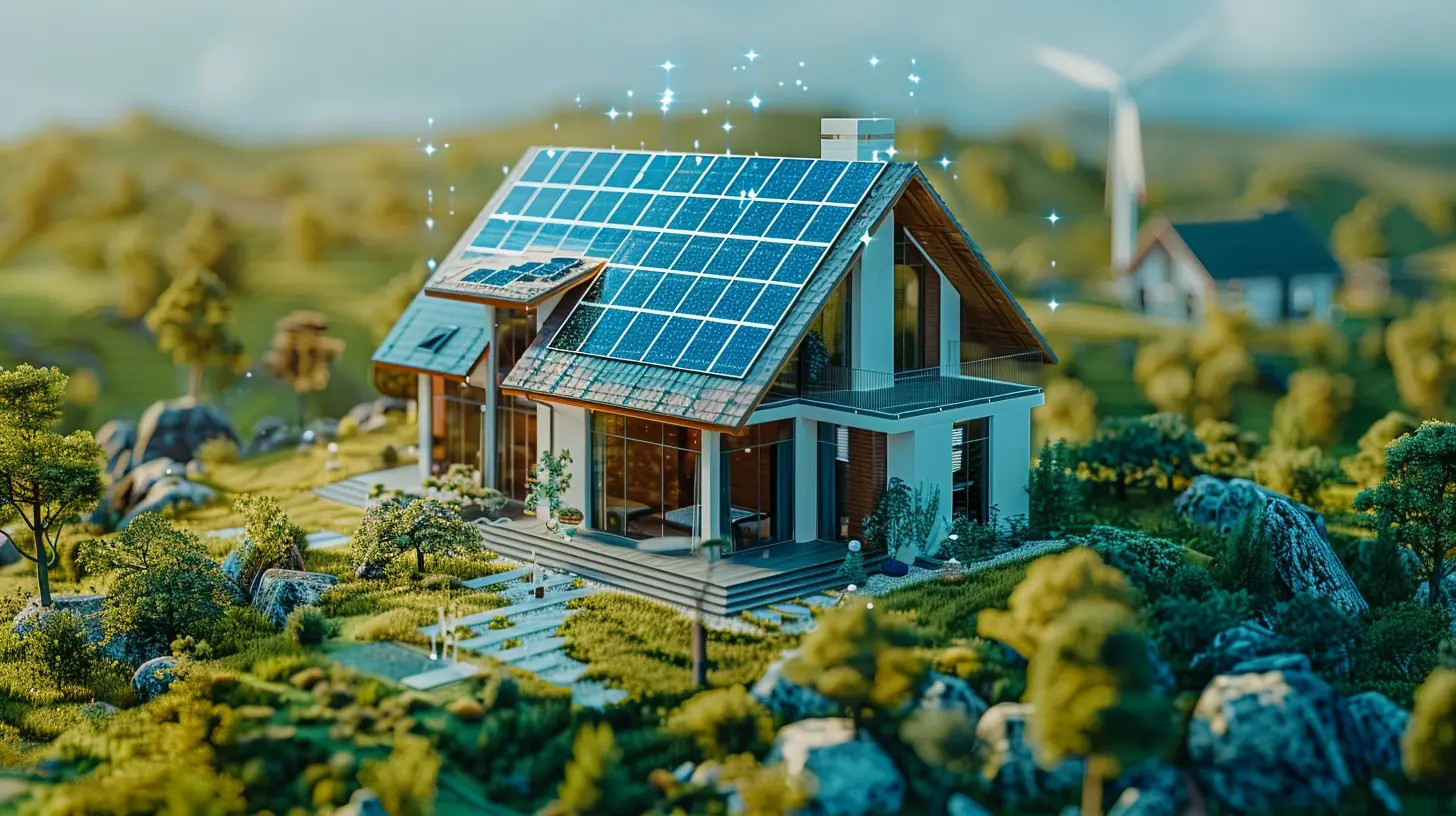
Smart Homes + Renewable Energy = A Greener Future
1. Optimized Energy Consumption
One of the biggest challenges of renewable energy is its fluctuating availability. Solar energy peaks during the day when demand is often lower, while wind energy can be unpredictable. Smart homes help balance this out by adapting energy usage based on availability.For example, a smart thermostat can adjust temperature settings depending on when solar panels are producing the most energy, reducing the need for grid electricity. Similarly, smart washing machines and dishwashers can be scheduled to run when energy production is at its highest, preventing waste and reducing costs.
2. Smart Energy Storage Solutions
Since renewable energy isn’t always available, energy storage becomes crucial. Smart homes integrate with advanced battery storage systems (like Tesla Powerwall) to store excess solar power during peak production hours. Later, when energy demand is high (or renewable sources aren’t generating enough power), the home seamlessly switches to stored energy instead of pulling from the grid.Even better? AI-driven smart homes can predict energy needs based on historical data and upcoming weather forecasts, ensuring minimal wastage and maximum efficiency.
3. Intelligent Energy Distribution
Smart home hubs act like energy managers, directing power to where it's needed most. Suppose the sun is shining bright, and your solar panels are generating more energy than expected. Instead of wasting that extra power, smart systems can automatically redirect it to charge an electric vehicle (EV), power home appliances, or store it in batteries.No more overflowing energy going back to the grid for little to no benefit!
4. Integration with Smart Grids
Smart homes don’t just work in isolation—they communicate with smart grids to optimize energy distribution. A smart grid is an advanced electricity network that uses real-time data to efficiently distribute power.- When renewable energy supply is high and demand is low, smart homes can store excess energy.
- When demand spikes, homes can sell stored power back to the grid, reducing strain on power plants and fossil fuel reliance.
This two-way energy exchange makes the entire electricity network more sustainable and resilient.
5. Automated Load Shifting
Ever heard of "load shifting"? It’s a fancy term for moving your energy-intensive activities to times when renewable energy is abundant. Smart appliances automatically adjust their operations based on energy availability.For example:
- Your water heater schedules itself to heat water when solar energy is at its peak.
- Electric vehicle chargers automatically charge your car when wind energy production is highest.
- Smart fridges lower their cooling power slightly during peak grid demand to conserve power.
The result? Lower electricity bills and a reduced carbon footprint!
6. AI-Powered Energy Predictions
Wouldn’t it be amazing if your house just “knew” how much energy you’ll need tomorrow? Well, with AI, it does! Smart home systems analyze past usage patterns, weather forecasts, and grid demands to predict future energy needs.This allows the home to plan energy consumption efficiently—charging batteries in advance, adjusting thermostat settings, and even alerting homeowners about potential energy-saving opportunities.
7. Reducing Carbon Footprint Effortlessly
The best part about smart homes is that they make sustainable living effortless. You don’t have to manually monitor energy usage or constantly tweak settings. The system does it for you, ensuring you consume energy responsibly without even thinking about it.By integrating smart technology with renewable energy, homeowners can significantly cut down on fossil fuel consumption, reduce their carbon footprint, and even save money in the long run.
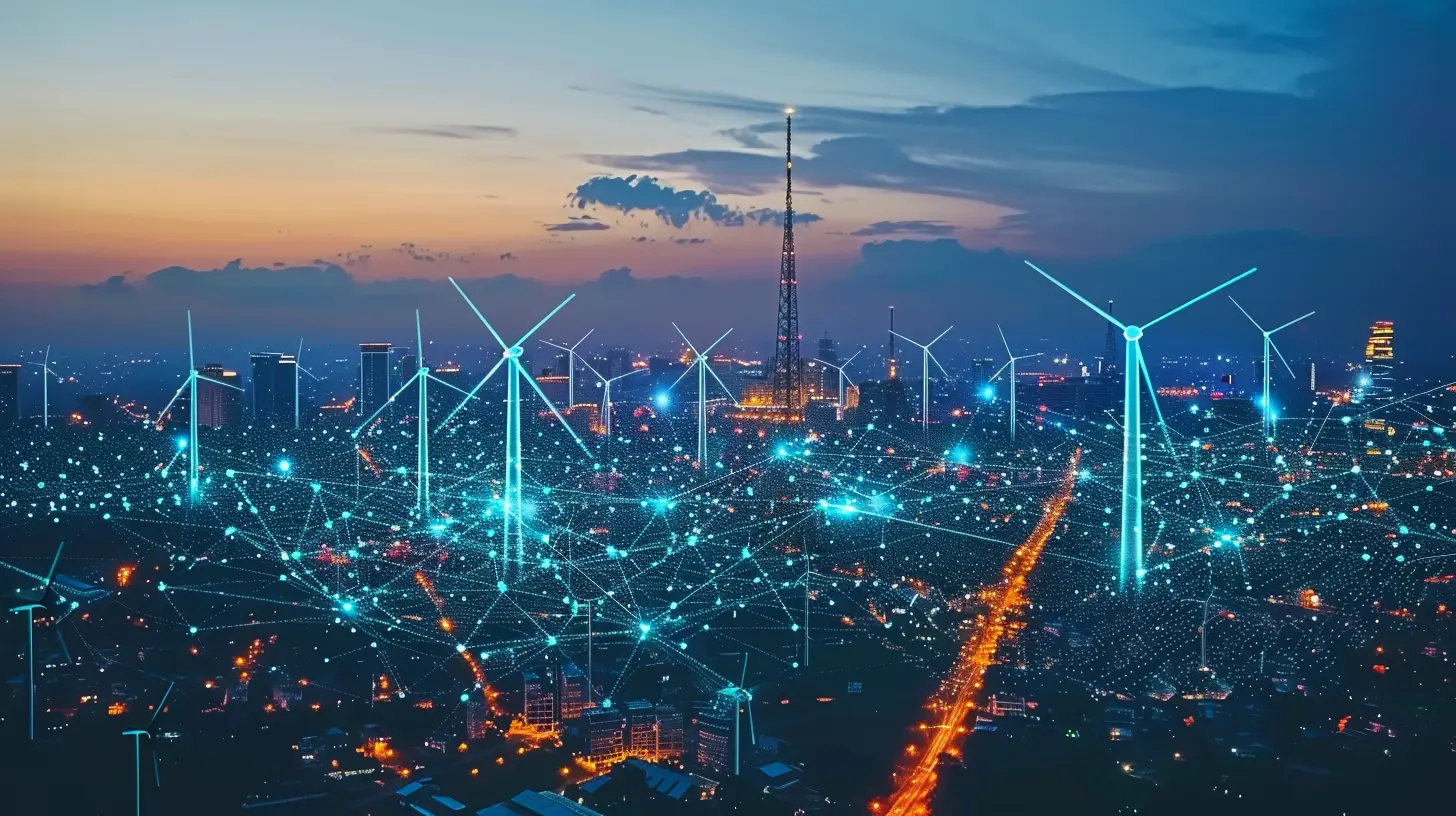
Smart Technologies Driving Green Homes
Let’s take a quick look at some innovative smart home technologies making all this possible:- Smart Thermostats (Nest, Ecobee): Adjust temperature settings based on energy availability and usage patterns.
- AI-Powered Energy Assistants: Help manage energy consumption efficiently.
- Home Battery Storage (Tesla Powerwall, LG Chem): Stores excess renewable energy for later use.
- Smart EV Chargers (ChargePoint, JuiceBox): Charge vehicles when solar or wind energy is optimal.
- Smart Appliances (Samsung, LG, Whirlpool): Operate automatically based on energy supply and demand.
- Solar Panel Monitoring Systems: Provide real-time insights into solar power generation and consumption.
Challenges and Solutions
Despite the many benefits, smart home energy management isn’t without its challenges.1. High Initial Costs
- Smart home devices and renewable energy systems require upfront investment.- Solution: Government incentives, tax credits, and dropping prices make it more affordable each year.
2. Technical Complexity
- Managing multiple smart devices can be overwhelming.- Solution: Centralized smart home hubs make management seamless.
3. Cybersecurity Concerns
- Connected devices pose potential security threats.- Solution: Regular software updates, encrypted data, and strong passwords help mitigate risks.
4. Energy Storage Limitations
- Battery technology is still evolving, limiting storage capacity.- Solution: Advances in battery technology and smart grid integrations help optimize usage.
The Future of Smart Homes & Renewable Energy
The future of energy-efficient living is bright! With continuous advancements in AI, IoT, and battery technology, smart homes will become even more intelligent and efficient. Imagine homes that predict energy outages, repair themselves, or even trade energy with neighboring houses!As more people adopt smart home technology, the shift toward a sustainable, low-carbon future becomes inevitable. Governments and organizations worldwide are making policies that encourage smart home adoption, and soon, living in an energy-efficient home could be the norm rather than the exception.
So, if you’re not already on board the smart home revolution, now’s the perfect time! Not only will you reduce your energy bills, but you’ll also contribute towards saving the planet—one smart device at a time!
all images in this post were generated using AI tools
Category:
Renewable EnergyAuthor:

Michael Robinson
Discussion
rate this article
1 comments
Kaitlyn Russell
Smart homes can optimize energy use, but reliance on technology may overshadow broader issues in renewable adoption.
May 26, 2026 at 11:48 AM