Top Accessories Every Digital Camera Enthusiast Should Own
29 July 2026
So, you've finally taken the plunge and grabbed that shiny digital camera you've been eyeing for months. Congratulations! But before you run off into the sunset with your DSLR or mirrorless marvel, let's talk about the real game-changers—the accessories that transform your camera from a fancy gadget to a creative powerhouse.
You see, having a killer camera is just the beginning. The real magic? It’s in the tools you pair it with. Think of your camera as Batman. It's strong, sleek, and powerful. But even Batman needed a utility belt. So buckle up, because we’re about to dive into all the must-haves for any digital camera enthusiast. Whether you're snapping landscapes or chasing squirrels in your backyard for the perfect action shot, these accessories make all the difference.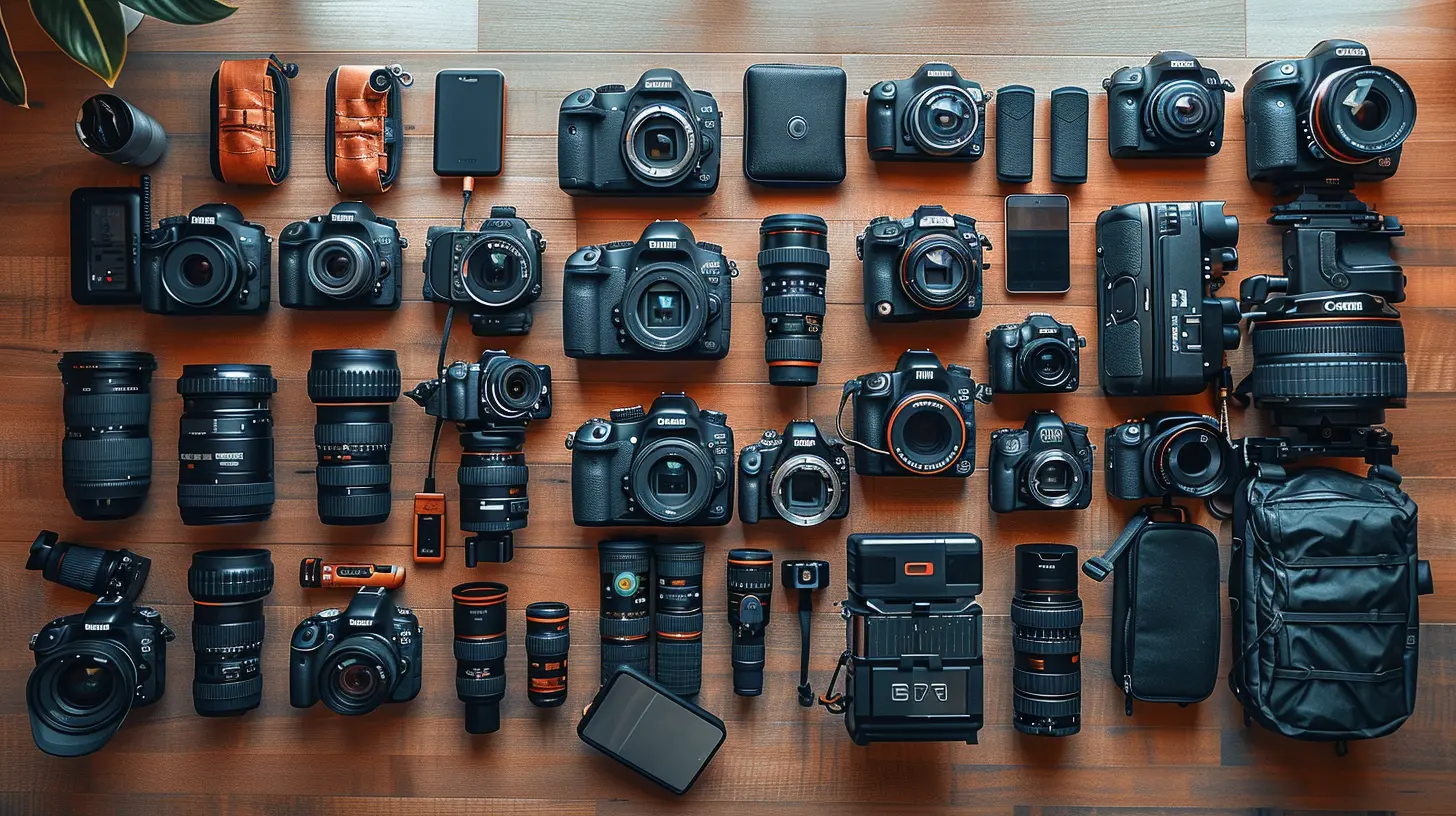
1. A Trusty Tripod – Your Camera's Best Friend
Let’s start with the most underrated sidekick: the humble tripod.You'd be surprised how many folks spend thousands on a camera and lenses, only to struggle with blurry night shots. A sturdy tripod keeps your camera steady, especially in low light situations when even a sneeze can ruin your photo.
Want silky waterfalls? Star trails? Epic long-exposure cityscapes? You need a tripod.
Quick Tip: Look for one that's lightweight (carbon fiber is your BFF), with a ball head for smooth adjustments. Don’t buy the $10 Amazon wobbly stick unless you want your camera face-planted on the pavement. Just... don’t.
2. Extra Batteries – Because Murphy’s Law is Real
There’s a universal truth every photographer learns the hard way—your battery always dies when you’re about to capture something incredible. Like Bigfoot eating a hotdog or your cat actually posing. That’s why extra batteries are non-negotiable.Keep a couple of spare batteries in your bag at all times. And make sure they’re fully charged—you don't want to be that person carrying around dead spares because you "thought they had juice."
Pro Tip: Buy batteries from reputable brands or directly from your camera manufacturer. Sketchy knockoffs might be cheaper, but they can overheat or damage your gear.
3. Memory Cards – The Unsung Heroes
Imagine you’re on a dream trip, and your memory card screams, “FULL.” Or worse—corrupted. Ouch.Always have several high-speed memory cards on hand. Look for ones with fast read/write speeds (UHS-II if your camera supports it) and lots of storage. And please, don’t toss them into your backpack like loose change—get a memory card case to keep things organized.
Pro Hack: Format your cards in-camera regularly. It clears old data that might be lurking and improves performance.
4. A Solid Camera Bag – Your Gear’s Fortress
If you think you can just stuff your $2,000 camera in a gym bag… please stop right now.A good camera bag isn't just about carrying your gear—it protects it from bumps, drops, dust, and weather. Choose a bag that matches your style. Backpack? Sling? Messenger? There’s something for everyone. Bonus points if it doesn’t scream “I’m carrying expensive gear—rob me!”
Look for customizable compartments, waterproofing, and easy access for when you're on the move.
5. Lens Filters – Sunglasses for Your Camera
Filters might seem old-school in this age of Photoshop, but real photographers know they’re pure gold.Here are the big three:
- UV Filters: Mostly used as lens protection these days. Think of them like screen protectors—for your precious glass.
- Polarizing Filters: Cut glare, reduce reflections, and make skies pop with drama. Great for landscape shots.
- ND Filters (Neutral Density): These are like sunglasses that let your camera shoot long exposures even in bright light. Hello, dreamy waterfalls in daylight.
Once you start using filters, you’ll wonder how you ever shot without them.
6. Remote Shutter Release – Hands-Free Magic
Ever touched your shutter button only to end up with a blurry shot because your hands decided to channel their inner earthquake?A remote shutter release fixes that. Whether it's wired or wireless, it lets you trigger your camera without physically touching it—ideal for long exposures, self-portraits, or sneaky wildlife shots where you just can't be nearby.
Some even have intervalometers built-in for time-lapse photography. Fancy, huh?
7. Lens Cleaning Kit – Keep It Clean, Folks
Nothing ruins a perfect shot like a stubborn smudge or that one annoying speck of dust.Get a proper lens cleaning kit with a blower, microfiber cloth, lens cleaning liquid, and a soft brush. Give your lenses the spa day they deserve. Just don’t use your shirt or breath—this isn’t a pair of sunglasses from the gas station.
8. External Flash or Speedlight – Find the Light
Built-in flashes are like fast food: convenient, but not exactly great. An external flash gives you control over your lighting and opens the door to creative lighting setups.A speedlight (a.k.a. external flash) allows you to bounce light off ceilings, walls, or use modifiers to soften shadows. Suddenly, your portraits go from "meh" to "wow."
Bonus Tip: Learn how to use it off-camera. Wireless flash triggers let you place your light anywhere. Now we're talking studio vibes on the go!
9. Camera Strap Upgrade – Move Over, Neck Pain
The neck strap that came with your camera? Meh. It’s basic, uncomfortable, and practically screams "rob me" with that huge brand logo. Upgrade it!Consider a cross-body sling strap for weight distribution or a wrist strap for minimal setups. There are even quick-release options if you're constantly swapping between handheld and tripod shooting.
Photography shouldn’t be a workout for your neck muscles.
10. External Microphone – For Video Shooters
If you’re dabbling in video (and who isn’t these days?), you’ll quickly find your camera’s built-in microphone sounds like it’s recording through a tin can.An external microphone—shotgun, lavalier, or even a wireless system—will drastically improve your audio. Trust me, your ears will thank you, and so will your audience.
11. Portable Light Panels – Control the Mood
Good light makes a good picture. Period.Portable LED light panels give you the power to shape your scene—whether you need a subtle glow or a full-on light show. Great for portraits, product shots, or dramatic effects.
And they’re adjustable, compact, and USB-chargeable. Basically, the Swiss Army knife of lighting.
12. Editing Software Subscription – Your Darkroom in the Digital Age
Editing doesn’t fix a bad photo, but it does elevate a good one to greatness.Programs like Adobe Lightroom, Photoshop, or Capture One are essential tools in your post-processing kit. You can tweak exposure, fix colors, remove distractions, and bring your artistic vision to life.
Don’t sleep on editing. It’s half the magic!
13. Reflectors – Bounce It Like Beckham
Don’t have money for professional lighting? A 5-in-1 reflector does wonders.It bounces light onto your subject, fills in harsh shadows, and makes eyes pop. It’s dirt cheap, folds up into a tiny pouch, and is better than begging the sun to be in the right spot.
14. Rain Cover – For The Brave Shooters
Rain, snow, dust—none of these should stop you from getting "the shot." A camera rain cover protects your gear while you keep shooting in bad weather.They’re like ponchos for your camera. And hey, some of the best photos happen in the worst weather. Embrace the chaos.
15. Camera Calibration Tools – For the Color Nerds
This one's for the pixel perfectionists.If you’re serious about colors—especially for commercial work—a color calibration tool like a color checker or monitor calibrator ensures what you see is what you get. No more guessing if those skin tones look weird or if that red t-shirt is actually magenta.
16. GPS or Geotagger – Never Forget Where You Shot That Photo
Ever scroll through your photos and forget where that breathtaking sunrise happened?A GPS receiver or app that geotags your shots saves the location data right into your photos. It’s perfect for travel photography and even helps when you're organizing photos later.
17. Wireless File Transmitter – Fast Transfers, No Cables
Don’t want to keep pulling out memory cards or plugging in USB cables?Many high-end cameras support wireless file transfer via Wi-Fi or Bluetooth. For the rest of us, Wi-Fi SD cards or external wireless transmitters get the job done. Shoot, review, and upload to your laptop or phone—real-time workflow made easy.
18. Backup Drive – Because Losing Photos Hurts
Let’s end on a practical (but critical) note: back up your photos. Always.External hard drives or SSDs are your insurance policy against card corruption, accidental deletions, or laptop crashes. Cloud storage is great too, but nothing beats the peace of mind of a physical backup.
Rule of thumb? If it doesn’t exist in at least two places, it doesn’t exist.
Wrapping It Up
Being a digital camera enthusiast isn't just about having a great camera—it's about building the ultimate ecosystem around it. These accessories? They're not luxury add-ons. They’re tools that help you be more creative, more consistent, and more confident with your photography.So pimp out your camera with the right gear. Trust me, once you do, your shots (and your sanity) will thank you.
Now, go out and make some magic. But first, check your battery.
all images in this post were generated using AI tools
Category:
Digital CamerasAuthor:

Michael Robinson