Understanding the Importance of Sensor Size in Digital Cameras
8 April 2026
So, you’re in the market for a new camera, huh? Or maybe you're just a photography nerd looking to flex your knowledge at the next camera club meeting. Either way, let’s talk about the one thing that truly separates a mediocre digital camera from a jaw-dropping, frame-worthy one—sensor size.
Yeah, yeah, megapixels get all the glory, but here’s the truth: sensor size matters more than megapixels ever will. That’s right! If camera specs were a high school popularity contest, sensor size would be the quarterback, and megapixels would be that one kid who insists his 300 Instagram filters make him a photographer.
Still not convinced? Sit back, grab a snack, and let's break it down.
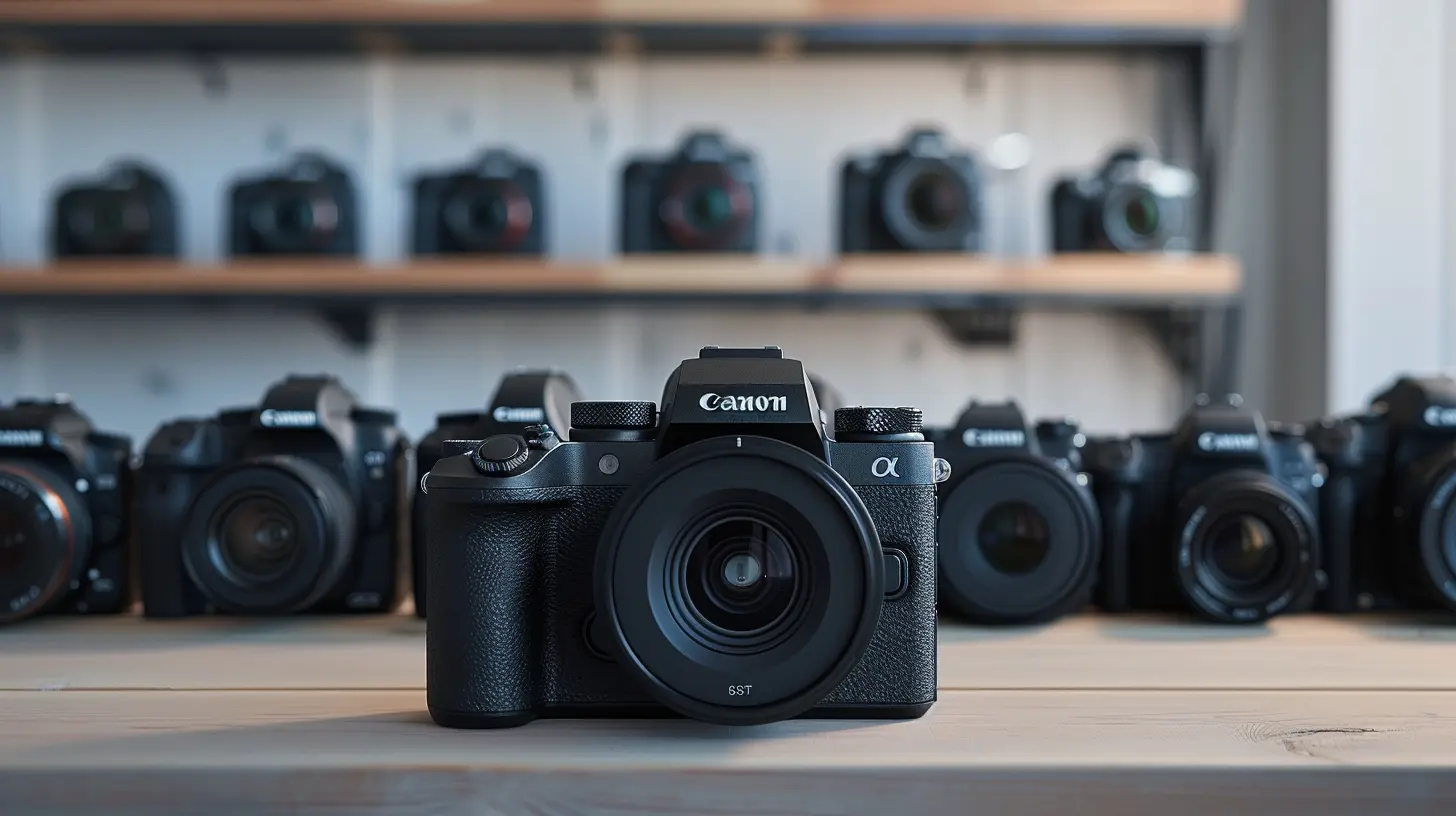
What the Heck is Sensor Size and Why Should You Care?
The sensor in your camera is kind of like the retina in your eyeball—it captures light and turns it into an image. But here’s the kicker: not all sensors are created equal. Some are bigger, some are smaller, and that difference can make or break your shots.Think of it as a bucket collecting rainwater. A bigger bucket (larger sensor) catches more rain (light), while a smaller one (tiny smartphone sensor) gets, well... barely enough to fill a shot glass. More light = better image quality.
Now, you might be thinking, “My phone camera has 108 megapixels! That must be better than a measly 24MP DSLR, right?” Oh, sweet summer child. Nope. That’s like comparing a kiddie pool to an Olympic swimming pool just because they both have water.
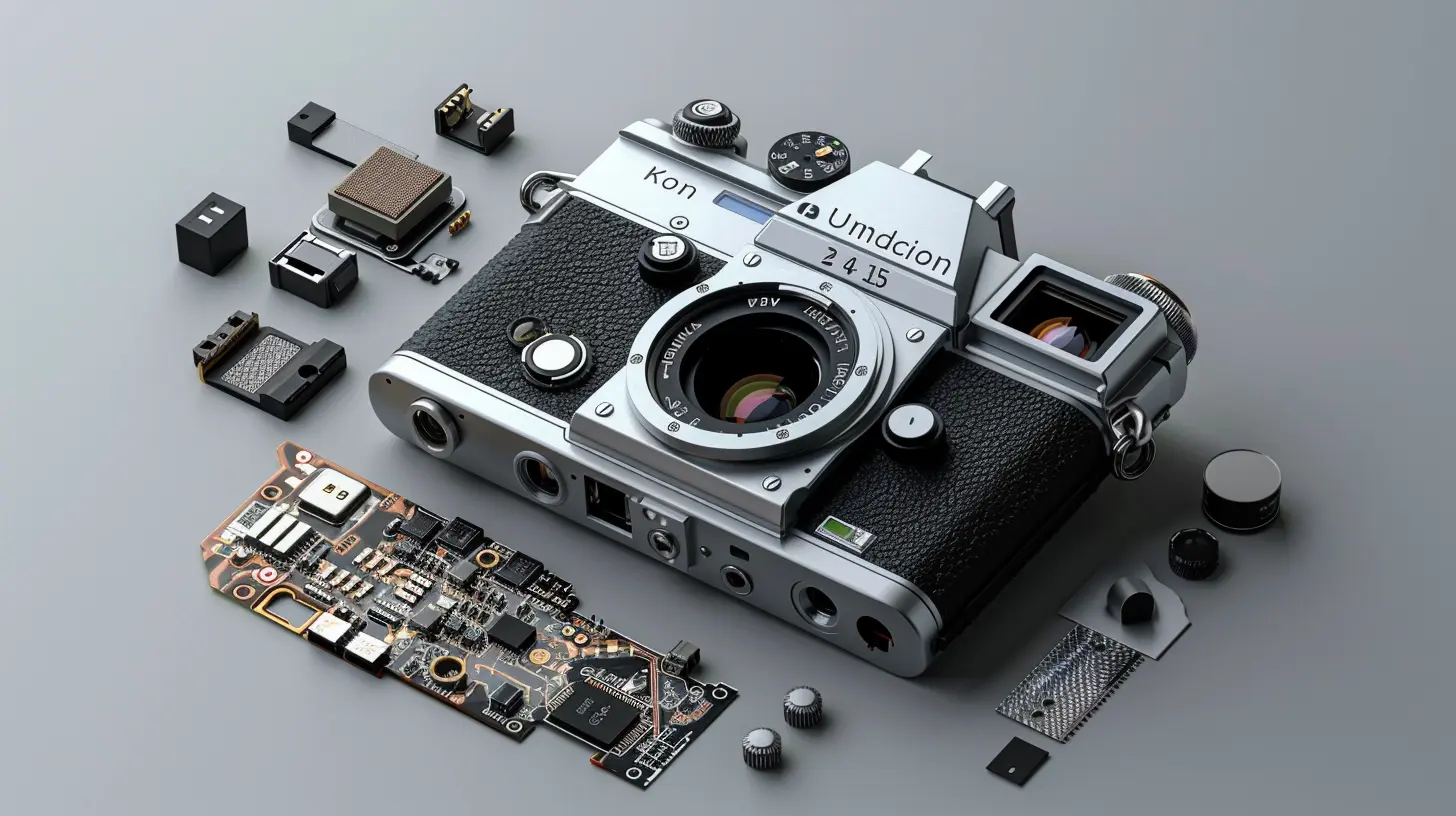
How Sensor Size Affects Image Quality
Let’s get into the juicy details. Here’s a rundown of what sensor size really influences in your photos:1. Low-Light Performance (A.K.A. Not Looking Like a Potato in the Dark)
Ever taken a photo at night and ended up with a grainy mess that looks like it was shot with a potato? That’s because smaller sensors struggle in low light.Bigger sensors capture more light, meaning less noise, clearer images, and shadows that don’t resemble a horror movie scene. So if you plan on shooting in dim cafés, night streets, or candlelit dinners to impress your Instagram followers, you want a bigger sensor.
2. Depth of Field (A.K.A. That Fancy Blurry Background Everyone Loves)
You know how professional portraits have that dreamy, buttery smooth background blur while your phone’s “portrait mode” looks like it was cut out with safety scissors? That’s because sensor size affects depth of field.Bigger sensors mean better subject isolation. If you want that cinematic, creamy bokeh that makes your subject pop, go full-frame or APS-C. Otherwise, enjoy your artificially blurred, slightly-questionable "portrait mode" that sometimes erases a subject's ears.
3. Dynamic Range (A.K.A. Keeping the Sky from Looking Like a Nuclear Explosion)
Ever snapped a photo of a beautiful sunset only to find either:- The sky is a blinding white mess
- The shadows are darker than your soul on a Monday morning
That’s because small sensors have limited dynamic range, meaning they can’t capture details in both bright and dark areas at the same time. Bigger sensors handle this like a champ, ensuring your photos have rich details without sacrificing the highlights or shadows.
4. Megapixels – The Big, Fat Lie
Alright, let's address the elephant in the room: megapixels. Camera companies love throwing around big numbers to impress the masses, but here’s the truth: megapixels don't matter if your sensor is garbage.A 12MP image from a full-frame camera will destroy a 108MP image from a smartphone any day of the week. Why? Because larger sensors house larger pixels, and larger pixels capture more detail, color, and light.
More megapixels on a tiny sensor just means more noise, more processing gimmicks, and less actual detail. It’s the equivalent of stuffing 20 people into a clown car—sure, they fit, but the quality of the ride? Absolute chaos.
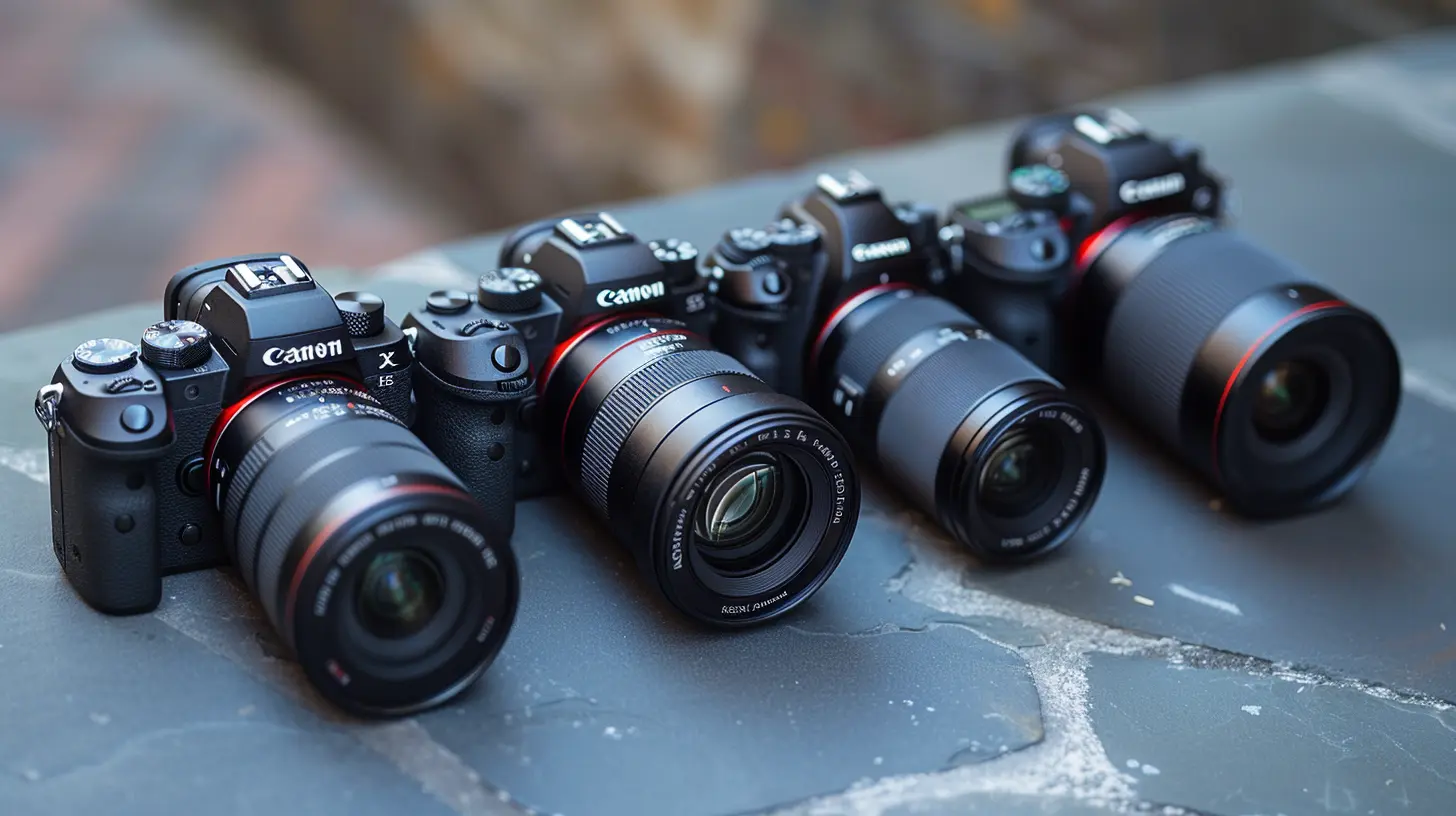
Common Sensor Sizes (And How Much They’ll Hurt Your Wallet)
Alright, let's break down the common sensor sizes and what they mean for your photography game (and your bank account).| Sensor Type | Approx. Size | Typical Cameras | Price Range |
|------------|-------------|-----------------|-------------|
| Full-Frame | 36mm x 24mm | DSLRs, Mirrorless (Pro-Level) | $$$ (Sell a kidney) |
| APS-C | 23.6mm x 15.6mm | Mid-range DSLRs & Mirrorless | $$ (Your wallet will cry, but not too much) |
| Micro Four Thirds | 17.3mm x 13mm | Mirrorless (Budget to Mid-Level) | $ (Decent but sacrifices some quality) |
| 1-Inch | 13.2mm x 8.8mm | High-end compacts like Sony RX100 | $ (Pocket-friendly but still limited) |
| Smartphone | Tiny (Like, really tiny) | iPhones, Androids | Cheapest (Aka, what 95% of the world uses) |
The Bigger, the Better? Not Always.
Now before you sell your car to fund a full-frame camera, bigger isn't always better for everyone.- Casual shooters? A smartphone or a 1-inch sensor compact camera is fine.
- Vloggers & hobbyists? APS-C or Micro Four Thirds is a sweet spot.
- Serious photographers? Full-frame will make your dreams come true.
- Wildlife & sports photographers? APS-C can actually be better because of the crop factor (extra reach).
So, choose based on what you actually need, not just what sounds cool on paper.
Final Thoughts: Stop Falling For Marketing Gimmicks
If there’s one thing I want you to take away from this, it's this: sensor size matters more than megapixels.Camera companies will keep throwing insane megapixel counts at you because they know most people don’t understand the sensor size game. They want you to think “bigger numbers = better photos”, but as you've learned, that’s just marketing garbage.
At the end of the day, a good photographer with a decent APS-C camera will still take better photos than a clueless person with a 108MP smartphone. Skills matter. Composition matters. And yes, sensor size matters.
So, next time someone brags about their phone’s insane megapixel count, just smile and nod—then pull out your DSLR and show them what a real camera can do.
all images in this post were generated using AI tools
Category:
Digital CamerasAuthor:

Michael Robinson
Discussion
rate this article
2 comments
Fleur Campbell
Understanding sensor size is crucial for photographers seeking optimal image quality. Larger sensors capture more light, resulting in better low-light performance and dynamic range. As technology evolves, recognizing these fundamentals can significantly enhance both the art and science of photography.
April 13, 2026 at 11:42 AM
Michael Robinson
Absolutely. Sensor size plays a key role in image quality, especially in challenging lighting situations. It's exciting to see how this knowledge can elevate our photography.
Simone McKinney
Sensor size significantly impacts image quality, depth of field, and low-light performance in photography.
April 11, 2026 at 12:36 PM
Michael Robinson
Absolutely! Sensor size is crucial as it influences image quality, depth of field, and performance in low-light conditions, making it a key factor in digital photography.