Virtual Reality and the Future of Online Shopping: A Game-Changer for Retail
16 February 2026
Shopping has come a long way from the days of bustling marketplaces and brick-and-mortar stores. With the rise of e-commerce, you can buy almost anything with a few clicks. But let’s be honest—online shopping still has its drawbacks. You can't try on clothes, inspect a product up close, or get that immersive shopping experience you'd find in a physical store.
Enter Virtual Reality (VR)—the game-changer that’s set to revolutionize the way we shop online. Imagine walking through a virtual mall, picking up products, trying them on, and even interacting with store assistants—all from your living room. It sounds futuristic, but the future is closer than you think. 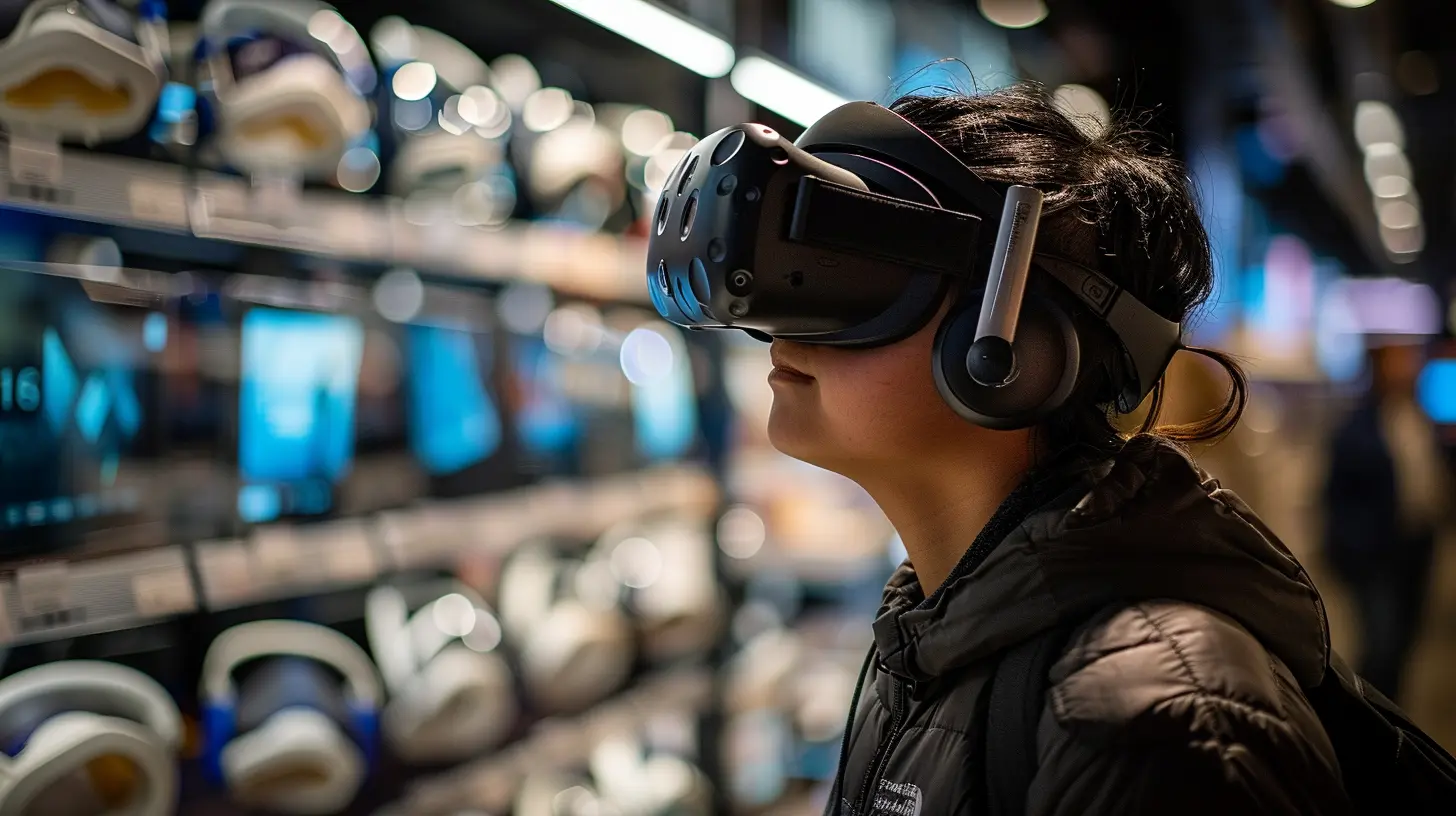
The Evolution of Shopping: From Physical Stores to Virtual Worlds
The Rise of E-Commerce
E-commerce changed the retail landscape forever. Platforms like Amazon, eBay, and Shopify made shopping incredibly convenient. You don’t have to leave your house, wait in long lines, or search endless aisles for the perfect product.But there’s a catch. Online shopping lacks the tactile experience—you can’t feel the fabric of a dress or judge how a couch might look in your living room. Many people hesitate to buy big-ticket items online because they can’t see them in person.
Enter Virtual Reality
Now, imagine walking into an online store—not as a website, but as a fully immersive 3D environment. With VR headsets like the Meta Quest, HTC Vive, or PlayStation VR, you could:- Walk through virtual aisles
- Pick up, rotate, and inspect products
- Try on clothes using a virtual avatar
- Get real-time assistance from AI-powered shop assistants
Sounds unreal, right? But businesses are already investing heavily in this technology. 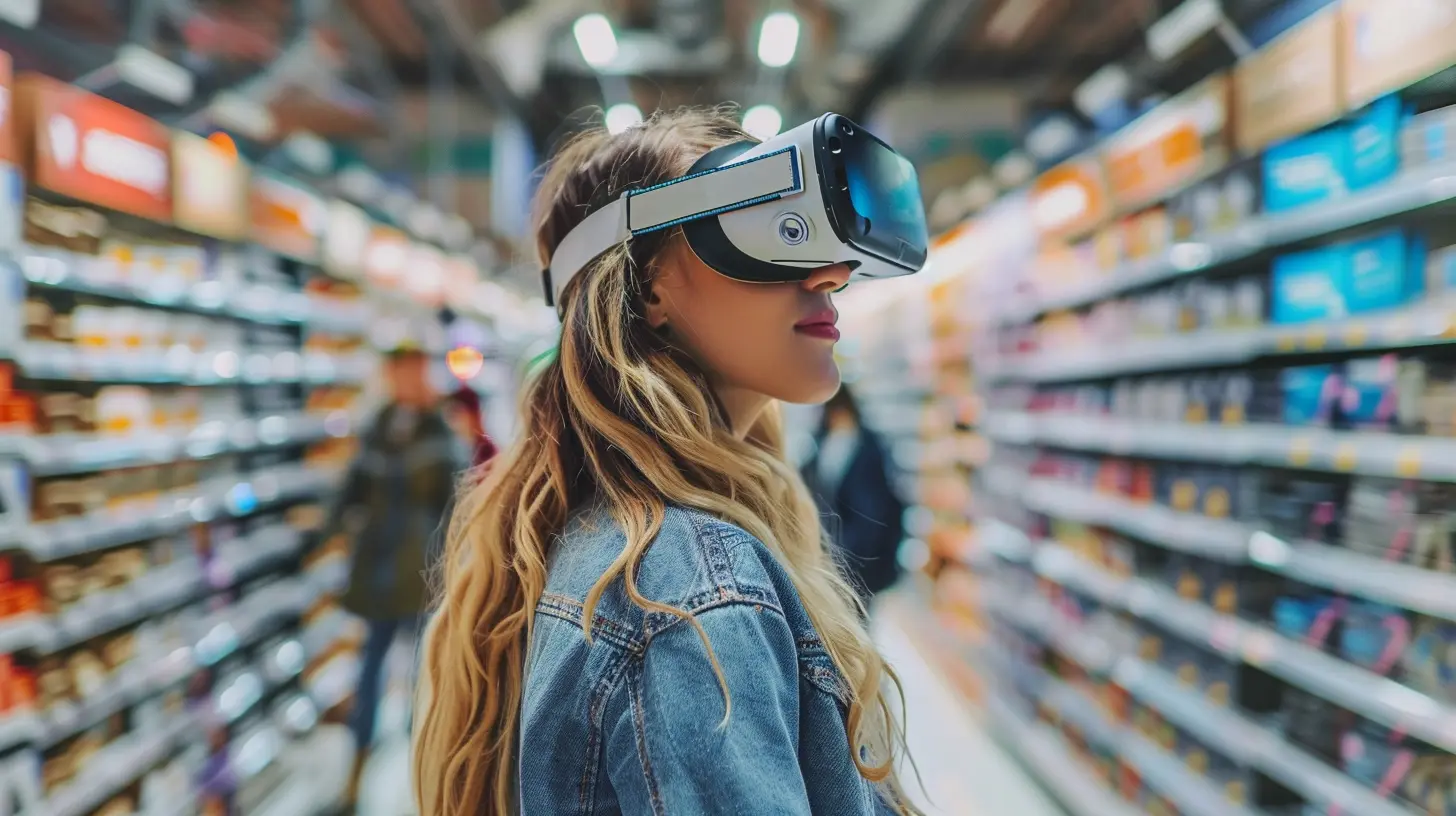
How Virtual Reality Enhances Online Shopping
1. Try Before You Buy
One of the biggest concerns with online shopping is uncertainty. Will the shoes fit? Will the sofa match your decor? VR solves this by allowing virtual try-ons.Companies like Nike and Sephora have started implementing augmented reality (AR) and VR experiences, letting customers try on shoes or makeup virtually. This reduces the chances of buying something that doesn’t meet expectations and, in turn, lowers return rates.
2. A More Engaging Shopping Experience
Scrolling through products on a website is convenient, but it’s also flat and impersonal. VR shopping, on the other hand, offers a real-life shopping feel without leaving home.Picture this: You put on your VR headset, enter a digital shopping mall, and browse through your favorite stores. You can see products in 3D, interact with other shoppers, and even receive personalized recommendations from AI-powered assistants.
3. Social Shopping – Shop with Friends in VR
Remember the fun of going to the mall with friends? VR brings that experience back!With VR technology, you and your friends (even if they live miles away) can meet up in a virtual store, chat in real-time, and shop together. This social aspect of shopping is something e-commerce has been missing—and it's about to make a comeback.
4. Immersive Product Demonstrations
For complex or big-ticket items, VR is a game-changer. Imagine shopping for a car online. Instead of just looking at pictures, you can step inside a virtual car showroom, sit in the driver’s seat, test different customization options, and even take it for a virtual test drive.Companies like Tesla and Audi are already leveraging VR to showcase their vehicles in a more immersive way.
5. Customizable Virtual Storefronts
Retailers can design unique, interactive virtual stores that offer a more engaging experience than traditional e-commerce sites. Instead of boring product listings, imagine walking into a luxurious boutique or a futuristic electronics store.For brands, this means higher customer engagement and better retention rates. For customers, it means a fun and immersive shopping journey. 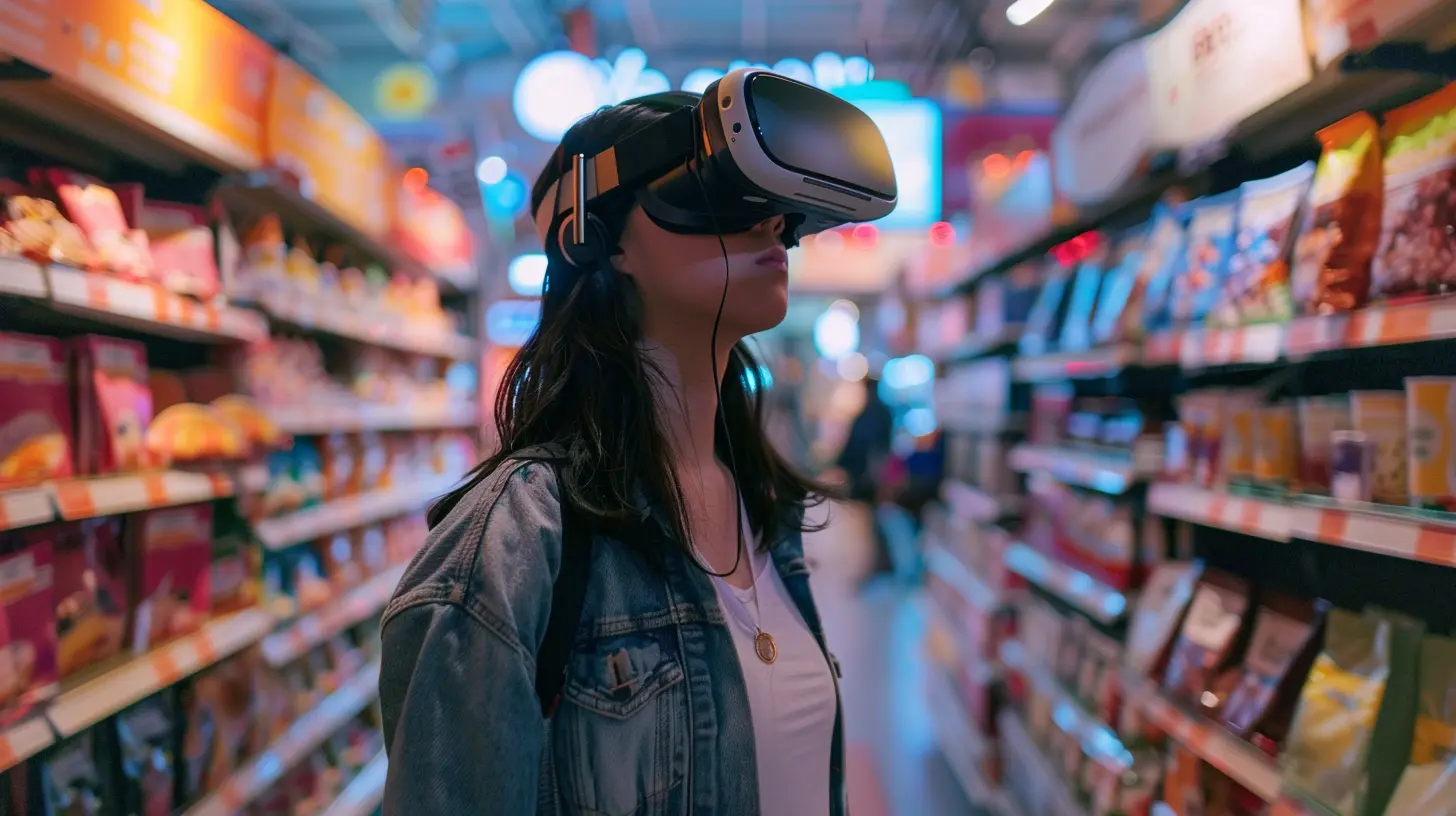
Challenges and Limitations of VR Shopping
Of course, as exciting as VR shopping sounds, there are still challenges to overcome:1. Cost of VR Hardware
VR headsets aren’t cheap. While prices have been dropping, not everyone owns a Meta Quest or HTC Vive. Retailers will need to find ways to make VR shopping accessible to a broader audience.2. Internet and Hardware Requirements
VR shopping requires fast internet speeds and powerful devices. If your connection is slow, your experience might be laggy and frustrating.3. Adoption Rate
Not everyone is eager to jump into VR shopping just yet. Many people are still getting used to online shopping itself! Retailers need to gradually educate and incentivize customers to try VR experiences.4. Security and Privacy Concerns
With more immersive shopping experiences come new security risks. Businesses will need to ensure that payment methods and personal data remain secure in virtual environments.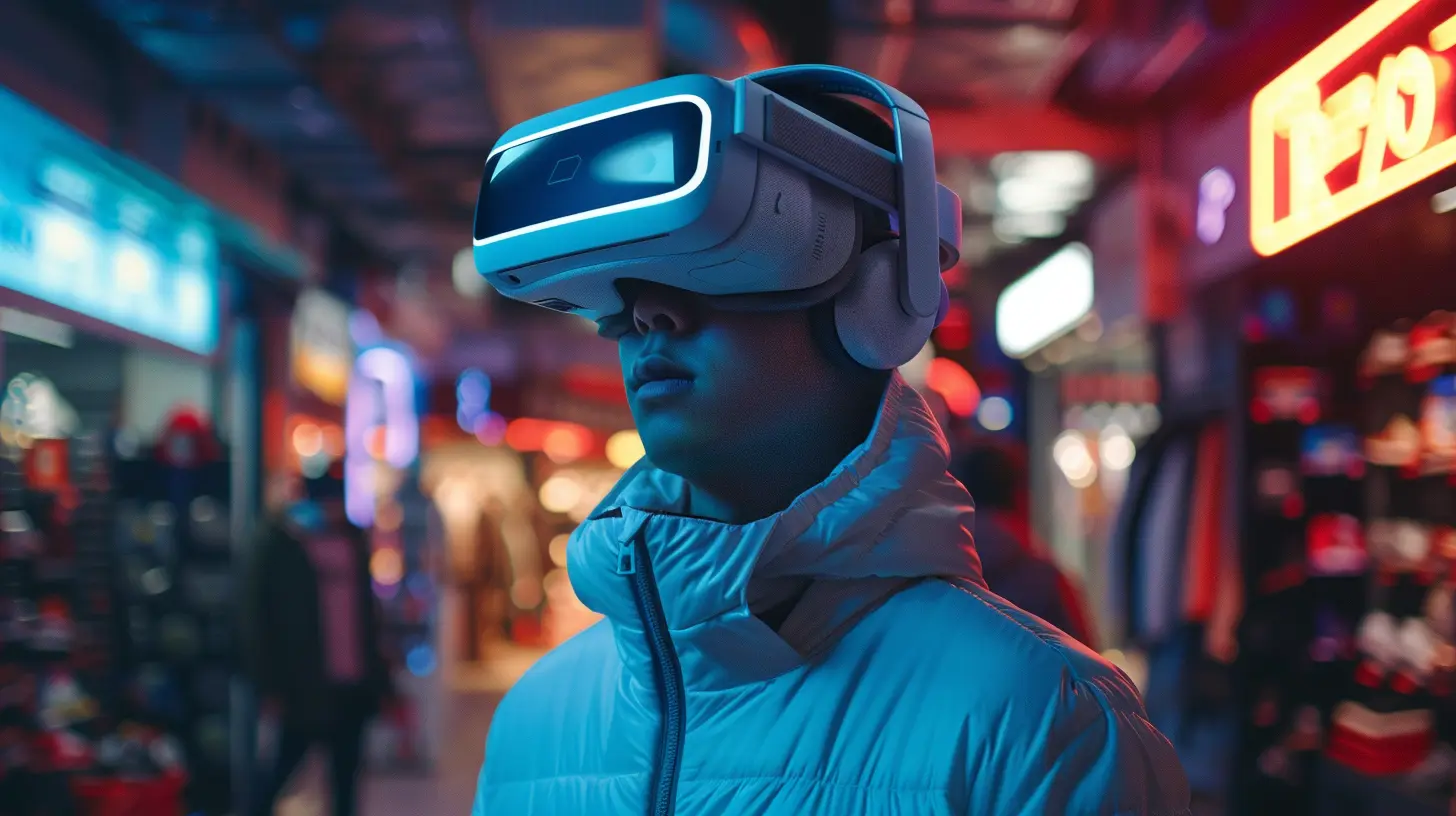
The Future of VR in Retail
Despite the challenges, VR is poised to become a massive disruptor in the retail space. Big brands and tech companies are already investing in VR shopping experiences, and as VR hardware gets cheaper and more accessible, more consumers will hop on board.VR + AR: The Perfect Shopping Duo
While VR creates full immersive experiences, augmented reality (AR) allows consumers to interact with virtual elements in their real world. Imagine using your phone or smart glasses to see how a sofa would look in your living room before buying it.Companies like IKEA, Apple, and Google are already integrating AR into their platforms, and in the future, a combination of VR and AR will blur the lines between physical and digital shopping.
Will Physical Stores Disappear?
Not necessarily. Instead, traditional stores might evolve into VR-powered showrooms, where customers can experience products in a blended digital-physical environment. Some brands might create hybrid stores, offering both physical and VR shopping experiences.Final Thoughts
Virtual Reality is about to reshape the online shopping industry in ways we never imagined. With technology accelerating at breakneck speeds, VR shopping isn’t just a trend—it’s the future.Imagine a world where you never have to guess if an item will fit, where shopping feels as exciting as a trip to the mall, and where you can browse, interact, and purchase seamlessly in a digital world.
That future is closer than ever. And trust me, it's going to be an exciting ride.
all images in this post were generated using AI tools
Category:
Virtual RealityAuthor:

Michael Robinson
Discussion
rate this article
2 comments
Joanna Sheppard
Oh sure, because who wouldn’t want to don a VR headset and trudge through a virtual mall to buy socks? Forget about the convenience of online shopping; let’s immerse ourselves in a digital world just to get a glimpse of those must-have sneakers. What a thrill!
March 18, 2026 at 12:12 PM
Annabelle Bowers
Virtual reality has the potential to revolutionize online shopping by creating immersive experiences that engage consumers like never before. As retailers embrace this technology, the blend of convenience and interaction could redefine how we perceive and enjoy the shopping journey.
February 18, 2026 at 3:56 AM
Michael Robinson
Thank you for your insightful comment! I completely agree—VR's immersive potential is set to transform the online shopping experience, making it more engaging and enjoyable for consumers.