Virtual Reality in Healthcare: Surgical Training and Beyond
11 May 2026
Virtual reality (VR) isn't just for gaming nerds and sci-fi lovers anymore. Nope, it's making serious waves in the medical world—especially in surgical training. Imagine surgeons practicing complex procedures in a risk-free, virtually simulated environment before they ever touch a real patient. Sounds like something out of a futuristic drama, right? But it's happening right now, and it's nothing short of game-changing.
In this article, we're diving deep into how VR is revolutionizing surgical training and where this tech is heading next. Buckle up, because the future of healthcare is looking pretty wild. 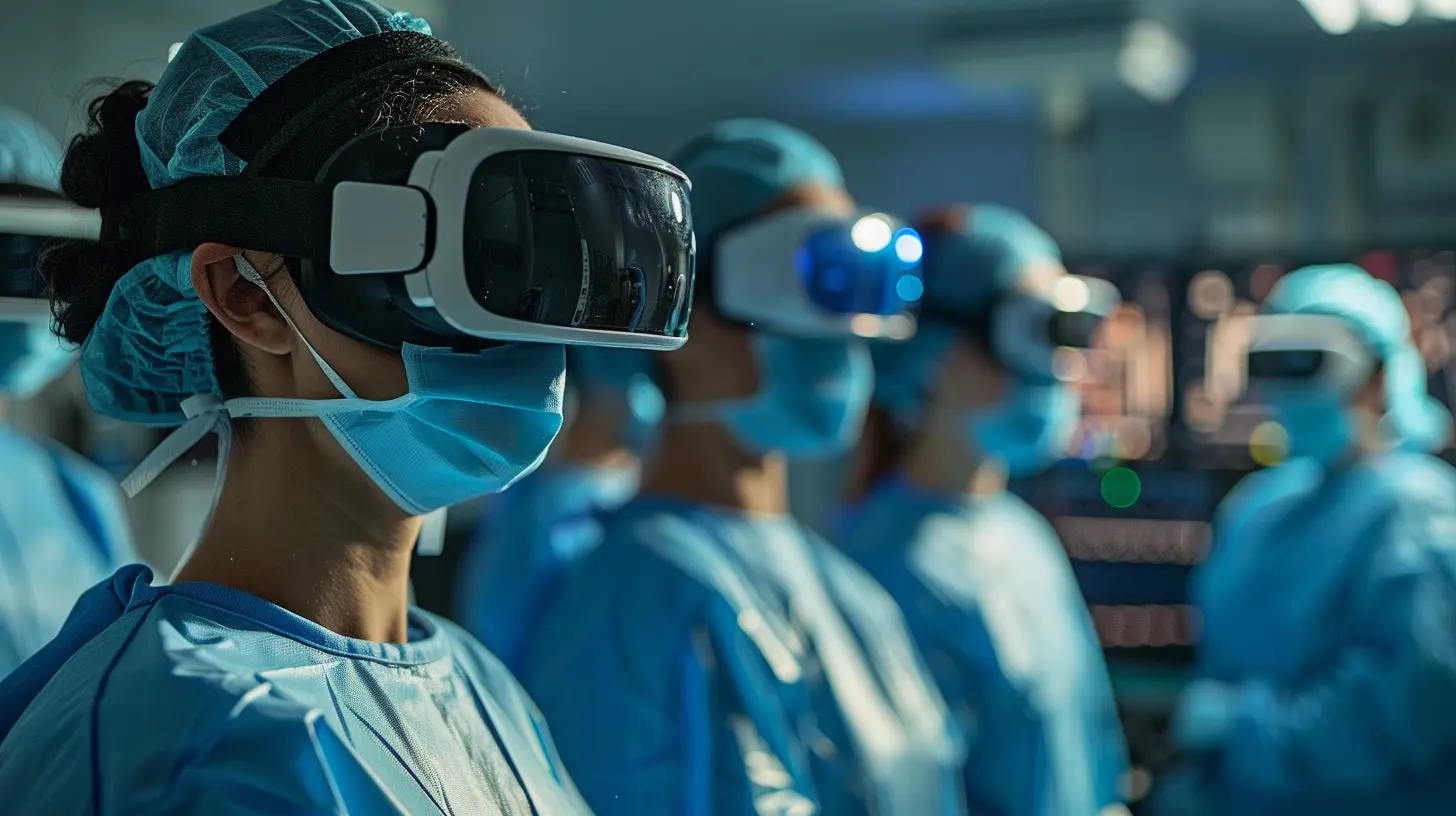
The Rise of VR in Healthcare
Once upon a time, surgeons learned by watching experienced doctors, practicing on cadavers, or, let's be honest, just getting hands-on with real patients as early as possible. While that method worked (kind of), it wasn’t exactly foolproof. Mistakes happened, and real people paid the price.Enter VR—where mistakes are part of the learning process, not life-threatening events. By using VR simulations, medical professionals can train in hyper-realistic environments, practicing difficult surgeries over and over until they've got them down to an art form.
But wait, there's more! VR isn’t just limited to surgical training. It’s also helping with patient care, medical education, and even mental health treatments. 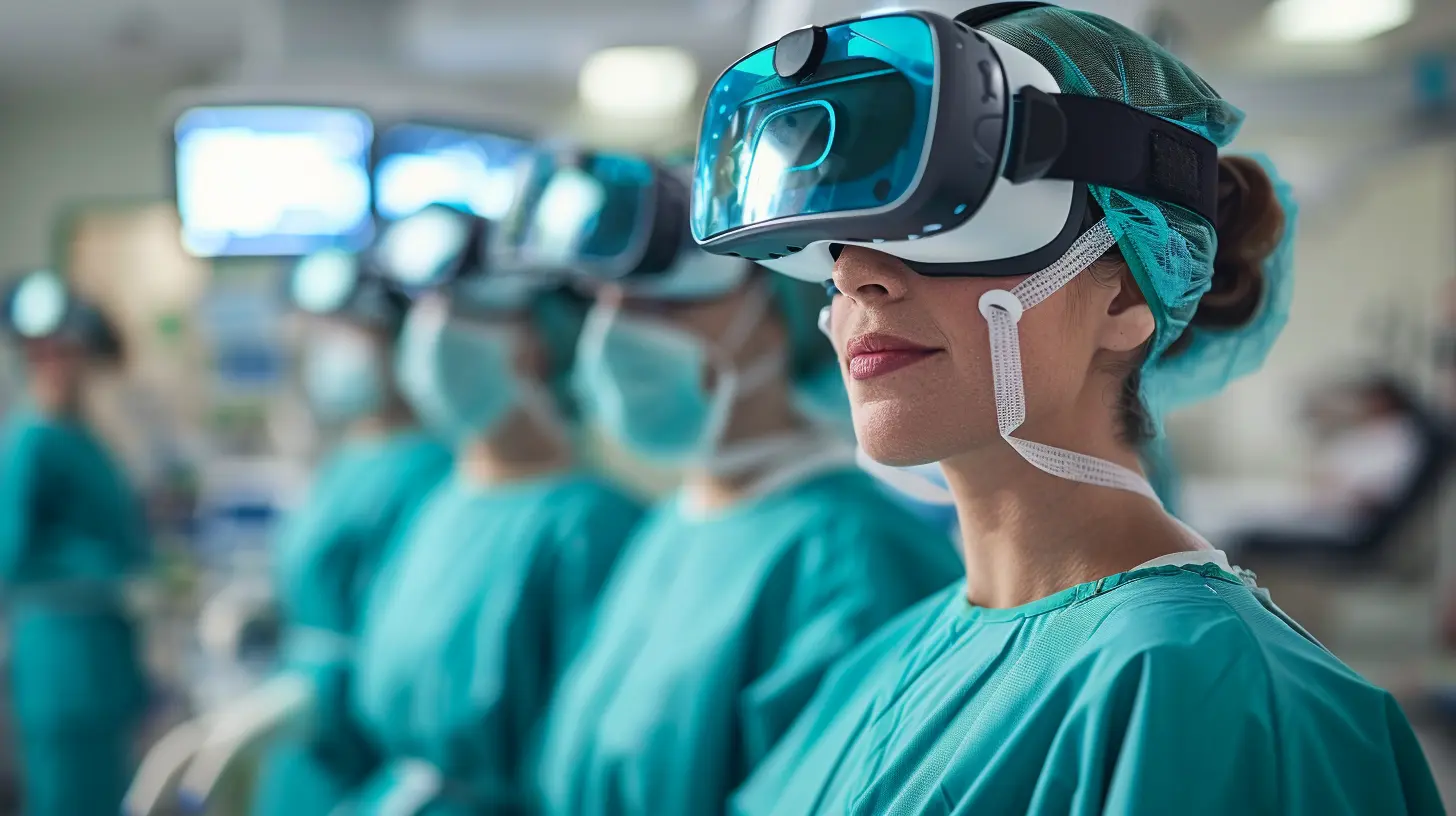
How VR is Changing Surgical Training
So, how exactly does VR make surgical training better? Let’s break it down:1. Hands-On Experience Without the Risk
Giving a scalpel to a newbie surgeon on a real patient? Yeah, that’s a nightmare waiting to happen. But in a VR world? No harm, no foul. With VR, trainees can make mistakes, learn from them, and perfect their techniques—without endangering lives. It’s like getting unlimited practice runs before game day.2. Realistic 3D Simulations
VR provides highly detailed, 3D-rendered versions of human anatomy. Trainees can navigate through blood vessels, organs, and tissues as if they were working on an actual body. This is way more effective than staring at textbooks or watching surgical videos.3. Immediate Feedback and Performance Analysis
Traditionally, trainees had to rely on an instructor’s feedback after a procedure. With VR, they get real-time insights on their precision, technique, and decision-making. The system can track errors, highlight areas for improvement, and even compare performance against expert standards. It’s like having a personal surgical coach 24/7.4. Training for Rare and Complex Procedures
Some surgeries are so rare that surgeons may only encounter them a handful of times in their careers. VR allows them to practice these rare procedures repeatedly, ensuring they’re fully prepared when the real deal comes along. No more crossing fingers and hoping for the best!5. Global Accessibility and Remote Learning
Not every medical student or professional has access to top-tier training facilities. VR breaks down those geographical barriers, bringing world-class surgical training to anyone with a headset and an internet connection. A surgeon in a rural hospital can now learn from the best minds in medicine without traveling thousands of miles.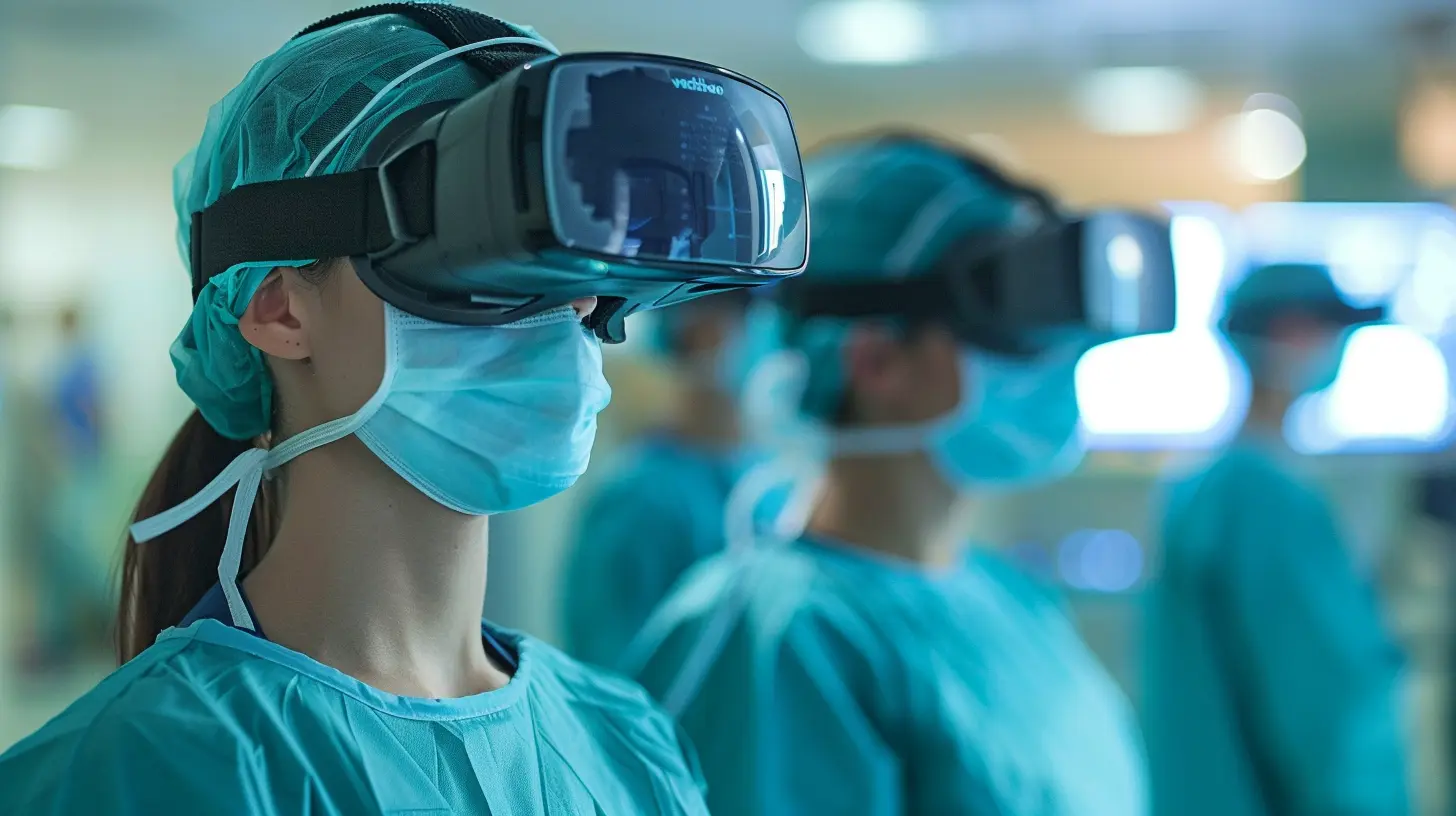
Beyond Surgical Training: Other Healthcare Applications of VR
Surgical training is just the tip of the iceberg. VR is making waves in several other areas of healthcare, too.1. Pain Management and Therapy
Forget the outdated idea of "toughing it out." VR is being used to help patients manage pain by immersing them in relaxing, engaging virtual environments. Burn victims, for example, experience significantly reduced pain when distracted by VR-based snow landscapes during treatment.2. Mental Health Treatments
Anxiety? PTSD? Phobias? VR is stepping in as a powerful tool for mental health professionals. Exposure therapy, where patients confront their fears in a controlled VR setting, has proven to be highly effective. Imagine gradually overcoming a fear of flying by experiencing virtual flights before stepping onto a real plane.3. Physical Rehabilitation and Motor Skills Recovery
Patients recovering from strokes or neurological disorders can use VR-based rehabilitation programs that make physical therapy interactive and engaging. Gamified exercises encourage movement and provide instant feedback, making recovery less of a chore.4. Medical Education and Patient Awareness
VR isn’t just for doctors and surgeons—patients also benefit. Complex medical conditions can be hard for patients to grasp, but with VR, doctors can show them 3D models of what's happening inside their bodies. A heart patient, for example, can "tour" their own blocked arteries in VR to better understand their condition.5. Emergency Response and Disaster Training
First responders and emergency teams are also leveraging VR for training. Simulated mass casualty events prepare medical professionals for real-life disasters without the logistical nightmares of large-scale training drills.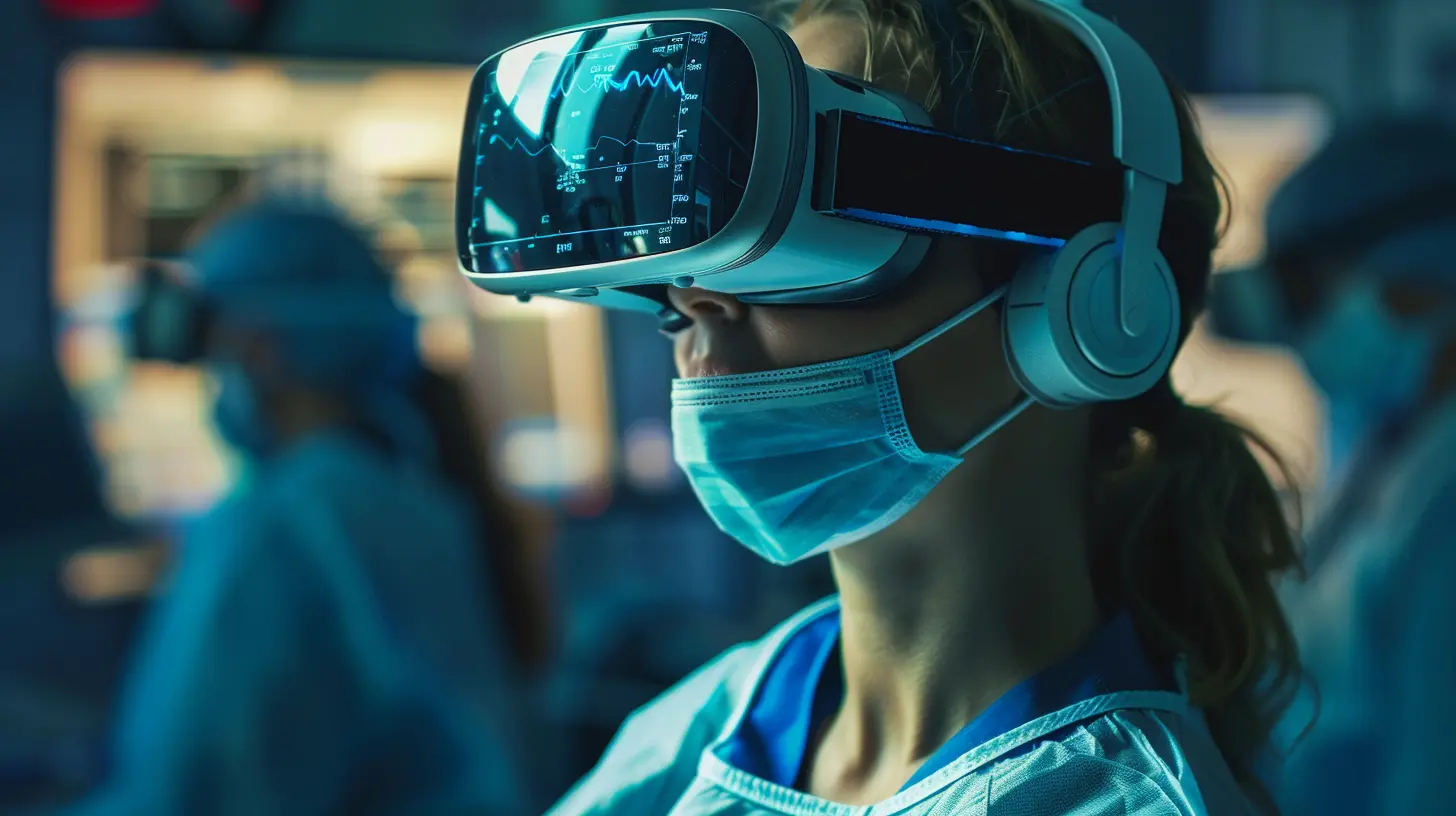
Challenges and Limitations of VR in Healthcare
Alright, let’s pump the brakes for a second. As amazing as VR is, it’s not without its challenges.1. Cost and Accessibility
High-quality VR systems don’t come cheap. While prices are dropping, many hospitals and training programs still find it difficult to invest in the necessary hardware and software.2. Motion Sickness and Fatigue
Not everyone’s brain plays nice with VR. Some users experience motion sickness or fatigue, limiting how long they can train in virtual environments.3. The Learning Curve
Even seasoned surgeons may struggle to adapt to VR-based training. It’s a new way of learning that requires time and effort to master.4. Technological Limitations
While VR has come a long way, it’s still not a perfect replacement for real-world experience. Tactile feedback (the "feel" of cutting tissue, for example) is still an area that needs improvement.The Future of VR in Healthcare
So, where do we go from here? The future of VR in healthcare is looking more advanced by the day. Here’s what’s on the horizon:- AI-Powered VR Training: Imagine a VR system that adapts to the user’s skill level and provides personalized training. Artificial intelligence (AI) is going to supercharge VR training, making it even smarter.
- Haptic Feedback Integration: Soon, VR will not only look realistic but feel realistic, too. Haptic gloves and suits will allow users to experience texture, pressure, and resistance.
- Wider Adoption in Medical Schools: More and more institutions are integrating VR into their medical programs, meaning future doctors will be trained in cutting-edge environments from day one.
- Remote VR Surgeries: With 5G technology and improved VR systems, remote surgeries where specialists guide procedures from across the globe could become routine.
Final Thoughts
Virtual reality is here to stay, and it’s flipping the healthcare industry on its head. From training the next generation of surgeons to easing patient pain and anxiety, VR is proving itself as a powerhouse in medicine. And while there are hurdles to overcome, one thing is clear—the future of healthcare is looking more virtual than ever.So, whether you’re a seasoned surgeon, a med student, or just a tech geek fascinated by the latest innovations, keep an eye on VR. It’s not just sci-fi anymore. It’s real, and it’s revolutionizing medicine one virtual scalpel at a time.
all images in this post were generated using AI tools
Category:
Virtual RealityAuthor:

Michael Robinson
Discussion
rate this article
2 comments
Fay McGowan
Virtual reality is transforming surgical training by offering realistic simulations that enhance learning and improve patient outcomes in healthcare.
July 23, 2026 at 2:49 AM
Tracie Roth
Virtual reality could redefine surgical training, enhancing precision and empathy.
May 13, 2026 at 3:14 AM
Michael Robinson
I completely agree. Virtual reality offers a unique way to practice skills and understand patient perspectives, which can truly elevate surgical training.