Wearable Devices and Fitness: Tracking Your Way to a Healthier Life
30 July 2026
Ever caught yourself wondering, "Am I actually moving enough during the day?" You're not alone. In a world that’s getting more virtual by the second, staying physically active can start to feel a bit... optional. That’s where wearable devices step in. These handy gadgets aren’t just for tech geeks anymore—they’re reshaping how we approach fitness and health.
Whether it's counting your steps, monitoring your heart rate, or nudging you to drink more water, wearable fitness devices are the modern-day wellness coaches we carry on our wrists. But what exactly makes them so effective? And how can they help YOU on your journey to a healthier life?
Let’s talk about it.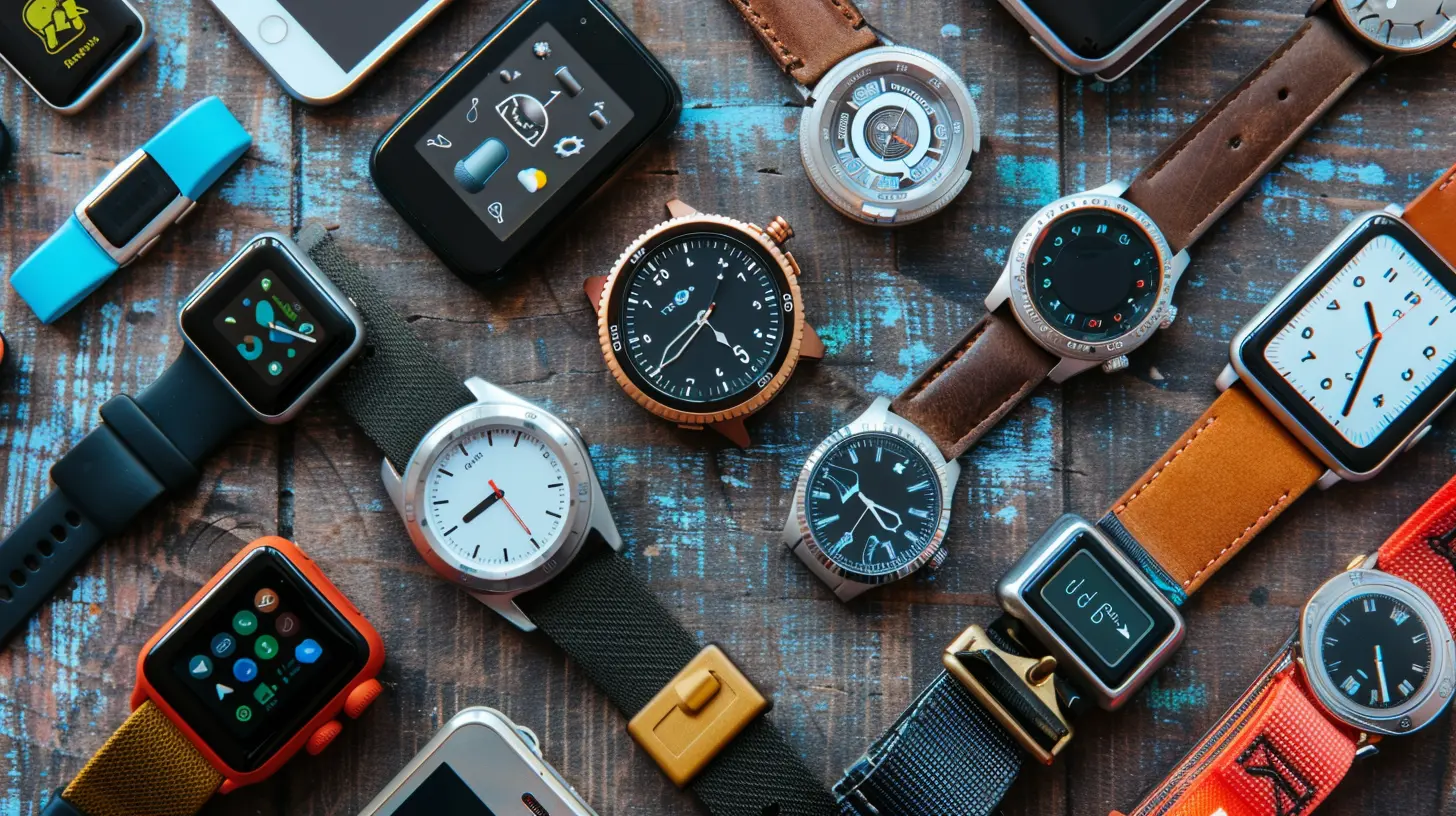
Why Wearables Are More Than Just Trendy Wrist Candy
Let’s be real. Wearable fitness devices look cool. With sleek designs and colorful displays, they’re definitely style-forward. But under all that aesthetic appeal is a bundle of powerful tech that’s tracking, analyzing, and motivating you every day.Think about it—your fitness tracker is basically a mini data center. It knows your heartbeat, your sleep patterns, your stress levels, and sometimes even your blood oxygen. That’s some Iron Man-level bio-monitoring!
But the real magic? It’s not just about having the data—it’s how these devices help you make sense of it.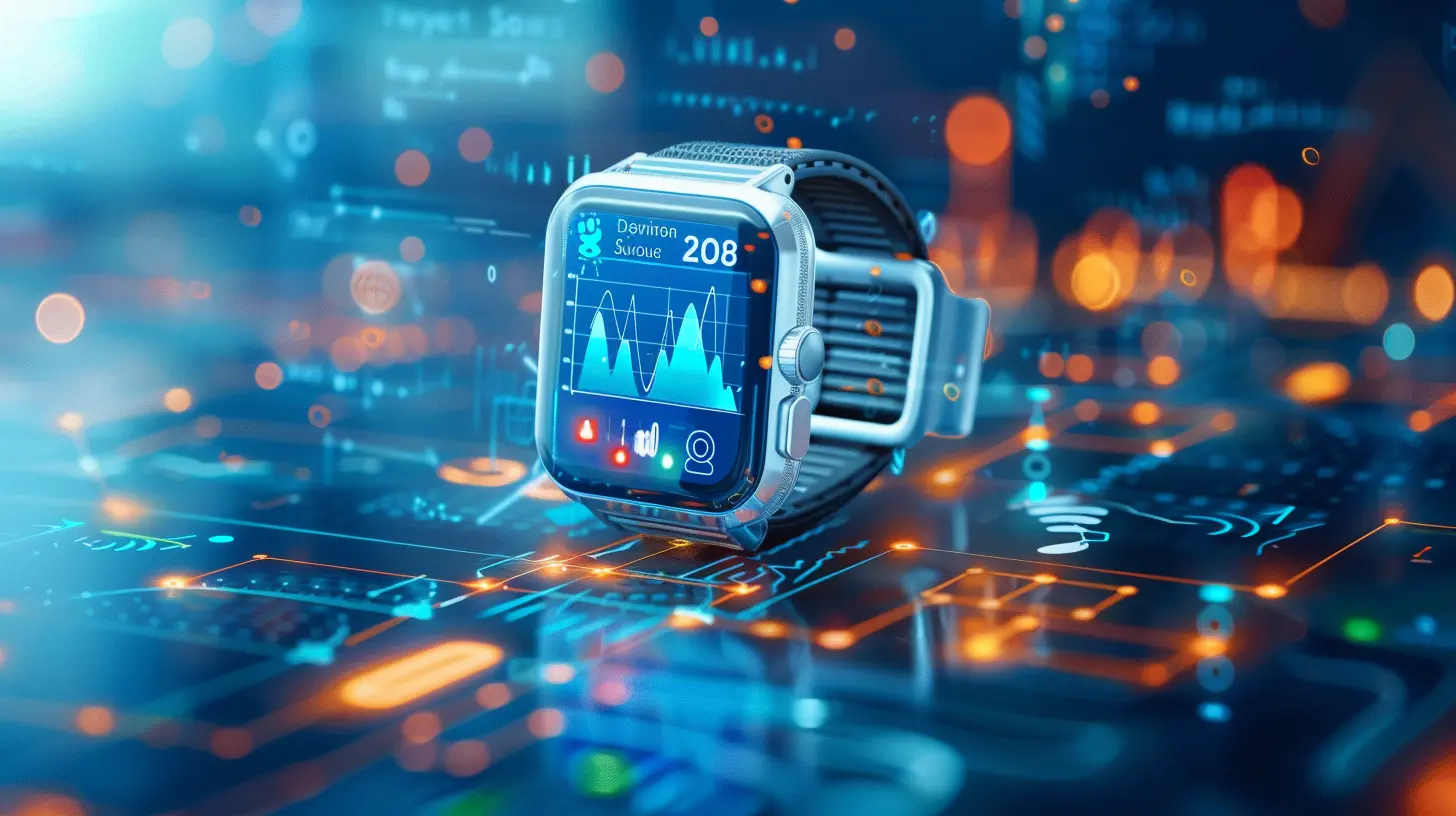
The Psychology Behind Fitness Tracking
Ever noticed how checking your steps or closing that activity ring feels a bit... satisfying? That’s not a coincidence.Wearables tap into basic psychological principles—like goal setting, feedback, and rewards. When you see that you're only 1,000 steps away from your daily goal, your brain gets a little dopamine hit that pushes you to get off the couch and move.
These tiny nudges might seem insignificant, but over time, they can lead to real, lasting behavior change. This is the art of "habit stacking"—adding small healthy habits into your daily routine without even realizing it.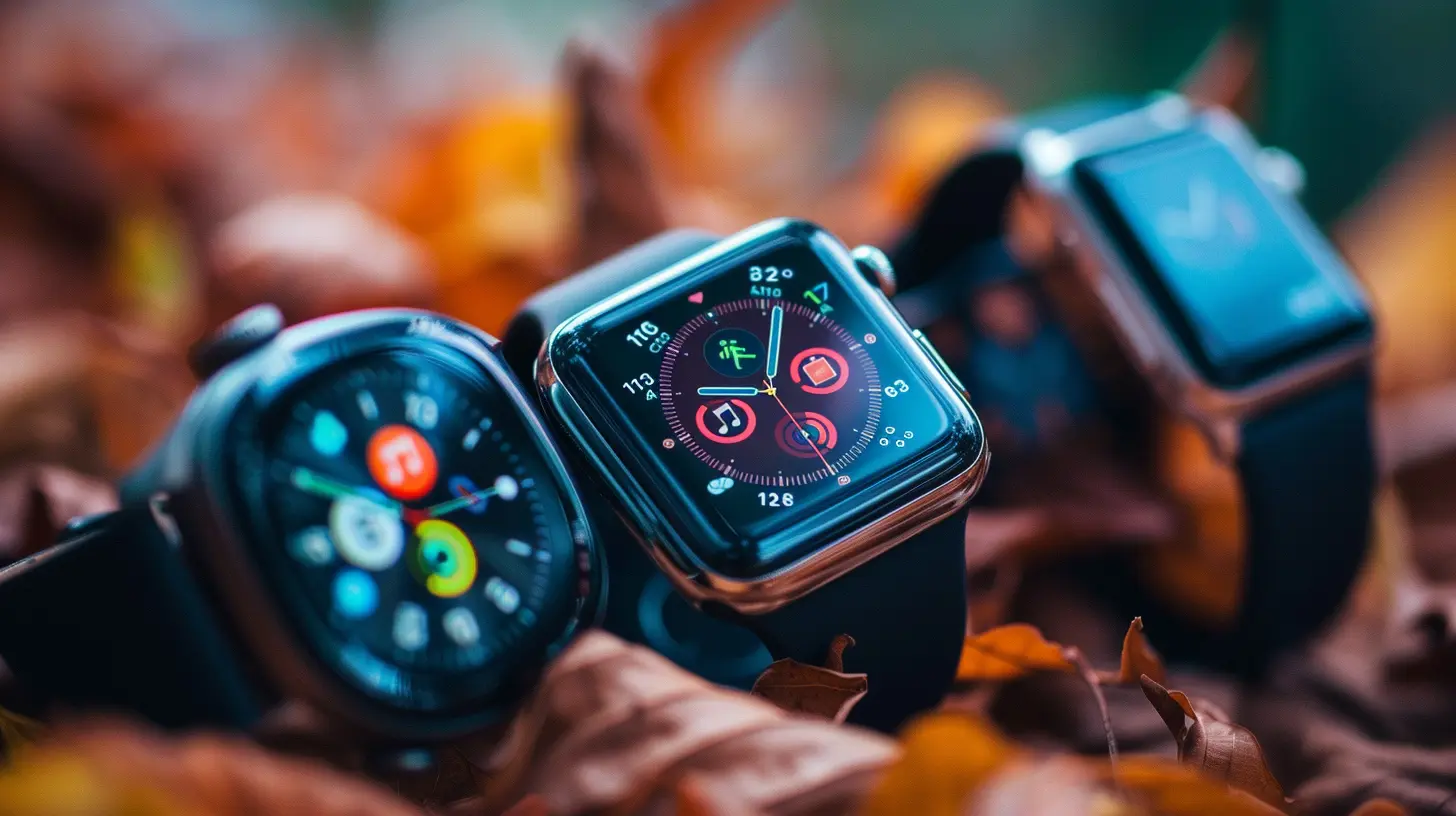
Top Benefits of Using Fitness Wearables
Okay, let’s break down how these devices actually help build a healthier lifestyle:1. Real-Time Feedback
Instant gratification isn't always a bad thing. Want to know if your heart rate is in the fat-burning zone? One glance at your wrist and boom—now you know. This helps you fine-tune your workouts on the fly.2. Goal Setting and Progress Tracking
Setting personalized goals (like 10,000 steps a day or 5 workouts a week) becomes way more effective when you can track your progress in real-time. It turns fitness into a game, and who doesn’t love leveling up?3. Accountability Boost
Let’s be honest—it's easier to skip a workout when no one's watching. But when your fitness tracker sends you a notification reminding you to get up and move? That guilt trip can be surprisingly effective.4. Better Sleep Insights
Wearables like Fitbit and Oura can monitor your sleep cycles, so you know if you're actually getting that coveted 8 hours. Poor sleep = poor recovery. Get your zzz’s right, and your health will thank you.5. Stress Management
Some high-end wearables track stress through heart rate variability (HRV). They'll gently prompt you to breathe deeply when stress levels spike. Honestly, in today’s hustle culture, that’s priceless.
Types of Wearable Devices to Consider
There’s no one-size-fits-all when it comes to wearables. Depending on your fitness goals and lifestyle, some devices might suit you better than others. Here's a quick rundown:➤ Smartwatches (Apple Watch, Samsung Galaxy Watch, etc.)
Best for: All-around health tracking + productivity featuresPerks: Call, text, apps, workouts, heart monitoring
Why it rocks: Seamless integration with your phone
➤ Fitness Bands (Fitbit Charge, Xiaomi Mi Band)
Best for: Simpler health tracking at a budget-friendly pricePerks: Step tracking, sleep analysis, heart rate monitoring
Why it rocks: Lightweight, long battery life, easy-to-use
➤ Advanced Trackers (Oura Ring, Whoop Strap)
Best for: Biohackers, athletes, and data nerdsPerks: Deep recovery and training insights, HRV, resting heart rate
Why it rocks: Granular data to optimize performance daily
➤ GPS Sports Watches (Garmin, Polar)
Best for: Runners, cyclists, and outdoor adventurersPerks: Route tracking, advanced fitness metrics
Why it rocks: Rugged, detailed, and perfect for endurance training
Wearables + Apps = Fitness Goldmine
The wearable itself is only part of the magic. Pair it with a powerful app and now you’ve got a full wellness system right in your pocket. Cool, right?These apps collect your data and turn it into easy-to-digest graphs, recommendations, and even personalized coaching. Some of the most popular include:
- Apple Health / Google Fit – Central hubs that pull data from your devices
- MyFitnessPal – Great for nutrition tracking and calorie counting
- Strava – Loved by runners and cyclists for social fitness tracking
- Headspace / Calm – Integrates with wearables for meditation and stress relief
Data is only useful if you understand how to use it. These apps break it all down and help you make smarter decisions.
Common Myths About Fitness Trackers (Debunked!)
Let’s bust a few myths that might be holding you back from trying a wearable:❌ “They’re only for gym rats or athletes.”
Not true. Whether you’re walking your dog, gardening, or chasing after your kids, wearables track all kinds of movement. It’s not about perfection—it’s about progress.❌ “They’re not accurate.”
Okay, they’re not surgical-grade, but they’re pretty darn close. Most wearables offer 90–95% accuracy for tracking steps, heart rate, and sleep. That’s more than enough to guide your fitness journey.❌ “They make me obsess over numbers.”
They can, if used incorrectly. But if you treat your wearable like a coach rather than a critic, it becomes an empowering tool, not a stressful one.Tips for Getting the Most Out of Your Fitness Wearable
If you’re ready to join the wearable fitness revolution, here are a few tips to maximize its impact:✔️ Set achievable goals – Start small. 5,000 steps a day is better than none.
✔️ Wear it consistently – You can’t improve what you don’t track.
✔️ Sync it with food and sleep apps – Get a holistic view of your health.
✔️ Celebrate small wins – Closed all your rings today? Treat yourself!
✔️ Ignore the occasional “bad day” – One off day won’t ruin your progress. Keep moving.
Real People, Real Results: Success Stories from Wearable Users
This part always blows me away. Scroll through Reddit or health forums, and you’ll find tons of stories about how people transformed their lives with the help of fitness wearables.Like the dad who lost 50 pounds just by walking more and monitoring his calorie intake. Or the college student who managed their anxiety better through guided breathing and sleep tracking. Or the grandma who learned how to control her heart rate after a health scare.
These aren’t just stories—they’re proof that technology, when used mindfully, has the power to change lives.
The Future of Wearables (Spoiler Alert: It's Insanely Cool)
Wearable tech is evolving fast. We’re talking patches that measure hydration, AI-driven coaching, real-time glucose monitoring for non-diabetics, and even augmented reality fitness glasses.Soon, your wearable won’t just tell you to go for a run—it’ll predict when you’re most energized, suggest the perfect workout for your current stress level, and maybe even coach you through it with real-time audio.
Let that sink in for a second. Your future fit self might owe a lot to the little device on your wrist today.
So… Are Wearables the Secret to a Healthier Life?
Here’s the honest truth: a fitness tracker alone won’t get you in shape. But it will give you the awareness, motivation, and tools to take control of your health. It’s like getting a nudge from your future self saying, “Hey—we’ve got goals to crush.”So if you're looking for that extra bit of accountability, motivation, or just a fun way to compete with your friends (hello, step challenges!), a wearable might just be your new best friend.
The road to a healthier life isn’t about perfection—it’s about consistency. And having a wearable device by your side (literally) makes that journey a whole lot smoother.
Ready to strap in and start moving?
Let’s go.
all images in this post were generated using AI tools
Category:
Wearable DevicesAuthor:

Michael Robinson