The Best Compact Digital Cameras for Street Photography
17 July 2026
There’s something magical about street photography—something raw, unscripted, and incredibly human. It’s like poetry captured in a frame, unfolding in real time. You’re not just pressing a shutter; you’re freezing a heartbeat of the city.
But let’s face it: lugging around a bulky DSLR or mirrorless camera can kill the vibe. That’s where compact digital cameras strut onto the stage, sleek and stealthy. Whether you're capturing a split-second smile or the shadow play of city lights at dusk, these tiny titans are your street-smart sidekicks.
So let’s dive in. Grab your coffee (or maybe your camera), and let’s talk about the very best compact digital cameras for street photography.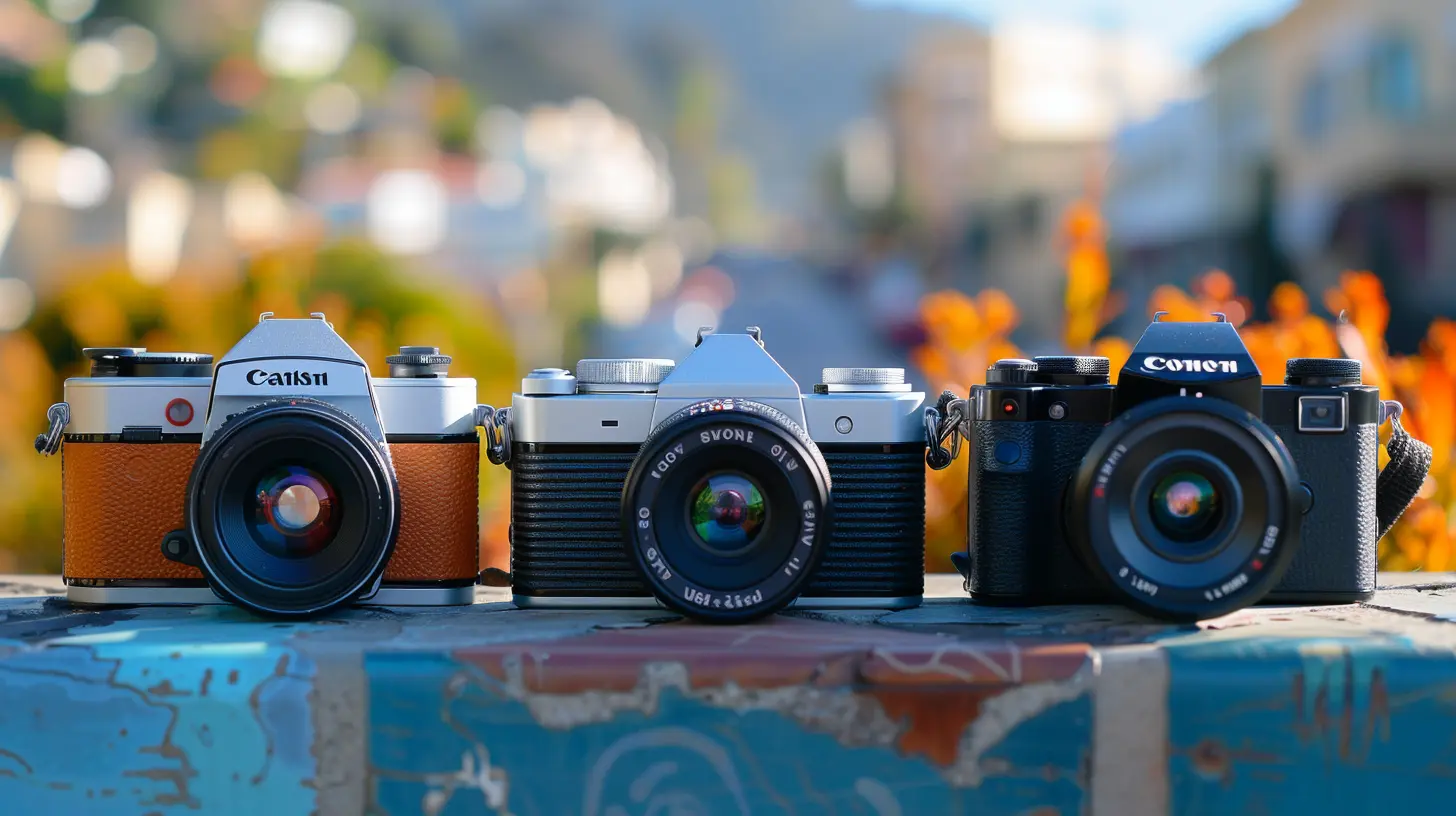
Why Go Compact for Street Photography?
Before we jump into the gear list, let’s set the scene. Why compact? What’s the big deal?Street photography is all about being invisible—blending into the background, moving freely, capturing life unposed. And compact cameras? They get it. They're like the ninja of the camera world.
- Lightweight – Your neck and shoulders will thank you after a day of walking city streets.
- Unobtrusive – A small camera draws less attention. You look more like a tourist than a photographer, and that’s a good thing.
- Fast & Ready – These cameras are built for speed. Quick autofocusing, responsive shutter, and minimal fiddling.
In a nutshell? Compact cameras don’t get in the way. They let you focus on the moment—on the story.
Key Features to Watch Out For
Now, not all compacts are created equal. Some are just glorified smartphone upgrades, while others pack a serious punch. Here’s what to keep an eye on:- Sensor Size – Bigger isn’t always better, but it usually is in photography. Look for 1-inch or APS-C sensors for rich detail and low-light magic.
- Fast Lens (Wide Aperture) – Something like f/2.8 or lower is gold. It lets in more light and gives that dreamy background blur (bokeh).
- Focal Length – Fixed lenses around 28mm or 35mm (full-frame equivalent) are ideal for street vibes. They’re wide enough to catch the scene but not so wide that you get distortion.
- Silent Shutter – Don’t scare off your subjects with a noisy click. Silence is stealth here.
- Manual Controls – Sometimes auto just doesn’t cut it. Dials and settings within reach can mean the difference between a snapshot and a masterpiece.
- Pocketability – If it can’t fit in your jacket pocket, it defeats the point. Portability is key.
The Best Compact Digital Cameras for Street Photography
Let’s unveil the heroes of the streets. These compact cameras are not only street-savvy, but they also ooze with soul.1. Ricoh GR III / GR IIIx
“The Cult Classic”Ever heard of a camera that almost has a cult following? That’s the Ricoh GR III—and the newer GR IIIx is just as beloved. It’s minimal, powerful, and dangerously addictive.
Specs to love:
- APS-C sensor in a palm-sized body
- Fixed 28mm lens (GR III), 40mm (GR IIIx)
- Stealthy as a whisper with silent shutter
- Snap focus for lightning-fast captures
- Built-in ND filter for sunny days
This camera is pure street. It fits in your pocket and disappears until you need it. The image quality? Crisp like winter air. And the snap focus feature? It’s like having reflexes faster than Spiderman.
Downside? No viewfinder. But hey, zone-focus and wide framing make it easy to shoot from the hip.
2. Fujifilm X100V
“The Timeless Charmer”If James Dean was a camera, he'd probably be the X100V. It's suave, retro-styled, and crazy talented behind the lens.
Why it rocks:
- APS-C X-Trans sensor (that Fuji magic)
- Hybrid viewfinder (optical + electronic)
- Fixed 23mm f/2 lens (35mm equivalent)
- Weather-sealed with optional filter
- Fuji’s film simulations (Velvia, Classic Chrome…)
The X100V brings style and substance in equal parts. The lens is tack-sharp, and Fuji’s JPEGs are gorgeous right out of camera. If you’re chasing mood and storytelling, this one sings like a jazz sax at midnight.
Noteworthy con? It’s slightly bulkier than pocketable. But honestly, you’ll want to show it off, not hide it.
3. Sony RX100 VII
“The Pocket Powerhouse”Sony’s RX100 series is like fitting a full orchestra inside a harmonica. The mark VII version? It’s creative genius in your back pocket.
What makes it shine:
- 1-inch stacked CMOS sensor
- 24-200mm zoom (yes, you read that right!)
- Eye-detection autofocus (even for animals!)
- 20 fps burst shooting
- Pop-up EVF
Its zoom flexibility makes it unique for street work. You can go wide or get intimate without moving an inch. It’s great for candids from afar or framing without being in your subject’s face.
Downside? Cost. It’s not cheap, but you get rocket-ship tech in a point-and-shoot body.
4. Leica Q2 / Q3
“The Luxury Legend”Alright, let’s address the elephant in the room—yes, it’s expensive. Like, eye-wateringly expensive. But the Leica Q2 and Q3? They're like using a grand piano when everyone else is playing a keyboard.
Why it’s elite:
- Full-frame sensor
- Gorgeous 28mm f/1.7 Summilux lens
- Insane image quality and tones
- Minimalist user interface
- Solid brass and magnesium body (built like a tank)
Leica’s shooting experience is… different. There’s a slowed-down, intentional vibe. It doesn’t just take pictures—it creates art. And if money’s no object? This could be your forever street camera.
The catch? The price tag. Let your wallet decide.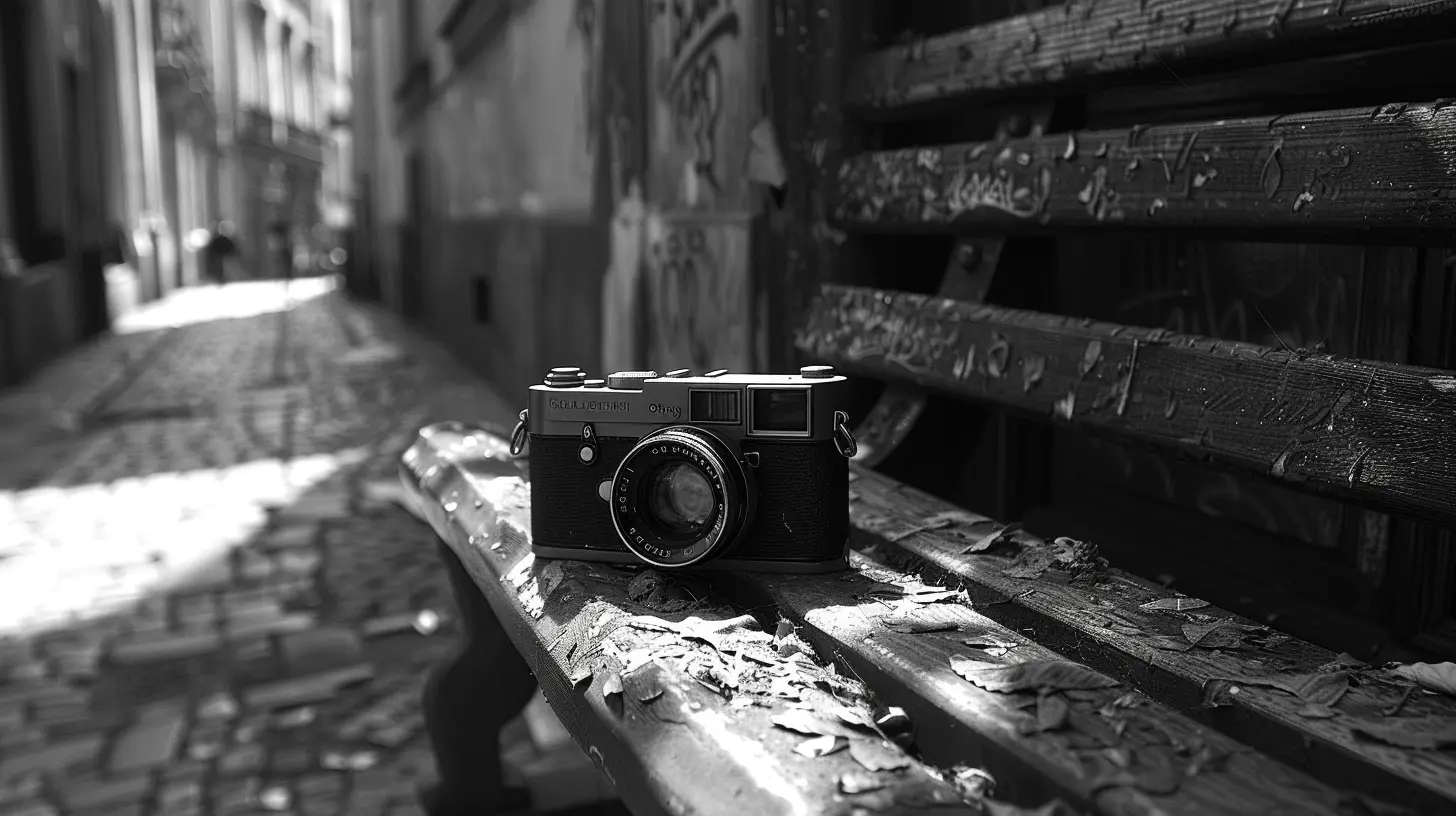
Honorable Mentions
Let’s give some love to a few others that almost made the top list:- Canon PowerShot G5 X Mark II – Great ergonomics, pop-up EVF, 1-inch sensor.
- Panasonic Lumix LX100 II – Micro Four Thirds sensor, manual controls, and solid IQ.
- Olympus PEN-F (used) – A beauty with soul and tons of retro charm.
Tips for Street Photography with a Compact Camera
Now that we’ve got your dream camera sorted, let’s talk about making the most of it. Because having the best gear means nothing if you don’t know how to wield it.1. Blend In Like a Local
Wear neutral clothes. Don’t fidget with your camera. Act casual. The less “photographer-y” you look, the more real moments you’ll capture.2. Shoot From the Hip
Literally. Hold the camera at waist level. Use zone or snap focus. It gives a more candid look and keeps people from noticing.3. Use Burst Mode (When It Fits)
Sometimes life happens in the blink of an eye. Burst mode can help you catch the perfect instance in a fast-moving scene.4. Tell a Story
Don’t just snap cool shots. Look for connections. Emotions. Juxtapositions. Photography isn’t about gear—it’s about seeing.5. Edit With Purpose
Shooting JPEG? Try subtle Fuji film sims. Shooting RAW? Use Lightroom or Capture One to bring out shadow detail, contrast, and mood. Your post-processing can define your style.Final Thoughts: The Streets Are Waiting
Street photography isn’t a technique—it’s a heartbeat. It’s the hum of neon lights on wet pavement, the hush of early-morning footsteps, the laughter echoing off alley walls. With the right compact camera, you don’t just observe the world. You participate in it.Whether you go full-on Fuji for the filmic feel, Ricoh for pure stealth, or Leica for legendary glass—you’re not just getting a device. You’re getting a companion. A little secret weapon to carry with you through the bustling unknown.
So get out there. The streets are alive with stories, and your camera is your pen.
all images in this post were generated using AI tools
Category:
Digital CamerasAuthor:

Michael Robinson