Wearable Devices in the Military: Enhancing Soldier Performance and Safety
24 July 2026
War has always been a battleground not just for soldiers but also for technology. From swords to rifles, from armor to exoskeletons—warfare has always evolved. But now, we’re in an age where the battlefield isn’t just a place of brute strength. It’s a domain where data rules, where technology can turn the tide of combat.
Enter wearable devices in the military—a game-changer that’s revolutionizing how soldiers fight, survive, and even return home safely. These futuristic tools aren’t just about looking cool; they’re about enhancing soldier performance, ensuring safety, and giving military forces an unmatched edge. 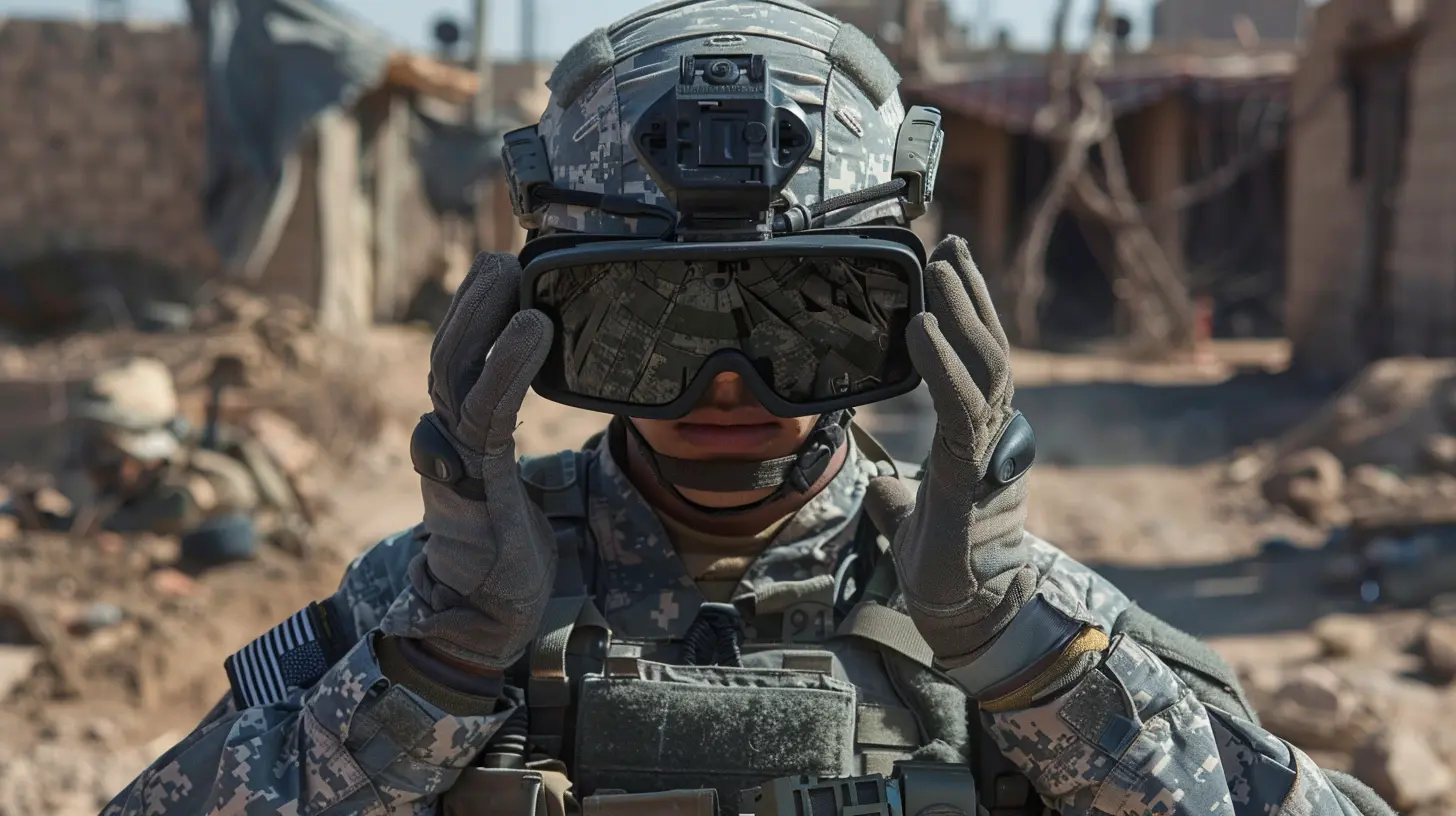
The Rise of Wearable Tech in Warfare
If you think wearables are just Fitbits and Apple Watches, think again. The military has taken this technology and transformed it into something straight out of a sci-fi movie. Imagine a world where soldiers move like Iron Man, where their uniforms can monitor life signs, and their helmets give them real-time battlefield intelligence.That future? It’s already here.
With advancements in AI, IoT (Internet of Things), and biometrics, the military is increasingly relying on smart wearables to enhance operations, reduce risks, and improve communication. But how exactly do these devices help? Let’s break it down. 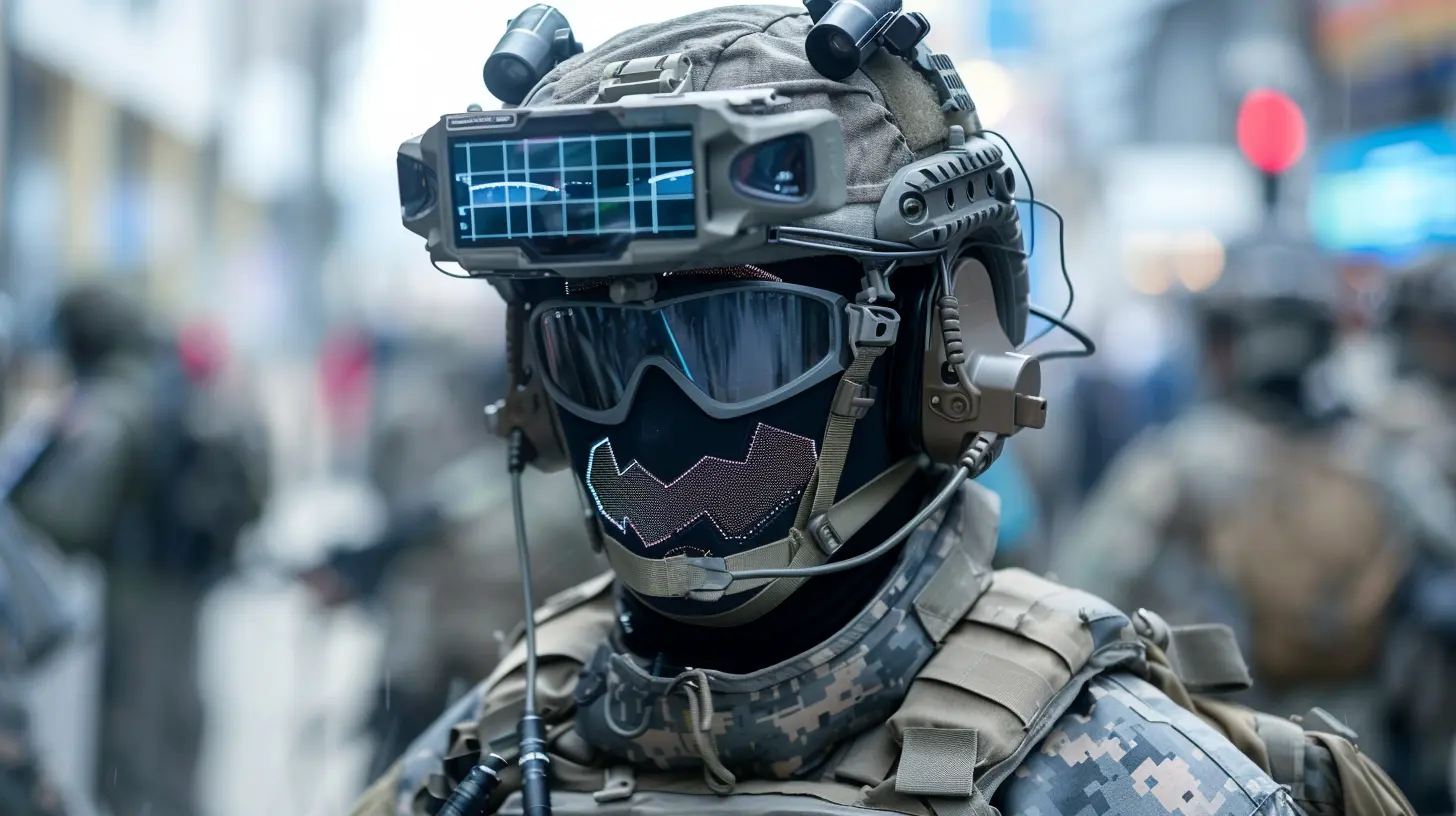
Enhancing Soldier Performance
A soldier’s mind and body are their most powerful weapons. But what if technology could sharpen them even further?Smart Helmets: A Soldier’s Command Center
Gone are the days when helmets were just about protecting the head. Today’s military helmets come integrated with augmented reality (AR), night vision, and real-time data feeds.- Heads-Up Displays (HUDs): Soldiers no longer need to look down at maps or screens. Their helmets project tactical data, GPS navigation, and even enemy positions right before their eyes.
- AI-Powered Communication: These helmets allow seamless communication between troops and command centers, ensuring everyone is in sync, even in chaotic war zones.
Think of it as having a general whispering commands directly into your ears while your eyes scan a digital map of the battlefield—no distractions, just pure focus.
Exoskeletons: Super Soldiers in the Making
Warfare is physically grueling. Soldiers carry heavy gear, weapons, supplies, and sometimes even wounded comrades. Enter military exoskeletons, robotic suits that amplify strength and endurance.- Lighter, Faster, Stronger: Exosuits reduce fatigue, allowing soldiers to march longer distances without exhaustion.
- Enhanced Load-Bearing Ability: Troops can carry more ammunition and medical supplies without straining their bodies.
- Injury Prevention: These suits provide additional support to joints and muscles, reducing the risk of injuries during intense combat.
This isn’t just sci-fi fantasy—it’s real, and it’s already being tested by defense forces worldwide.
Wearable Biometric Sensors: The Soldier's Guardian Angel
Imagine having a built-in medic that constantly monitors your heart rate, hydration levels, and stress levels. Biometric sensors embedded in uniforms or wristbands do just that.- Health Monitoring: If a soldier is dehydrated or experiencing extreme stress, commanders can intervene before it affects performance.
- Injury Detection: Some suits even detect injuries and automatically send distress signals to medics, ensuring fast response times.
- Predictive Analytics: AI-backed systems can analyze real-time vitals and predict when a soldier might be at risk of exhaustion or heatstroke.
It’s like your body having its own early warning system, ensuring that soldiers can push their limits without crossing dangerous thresholds. 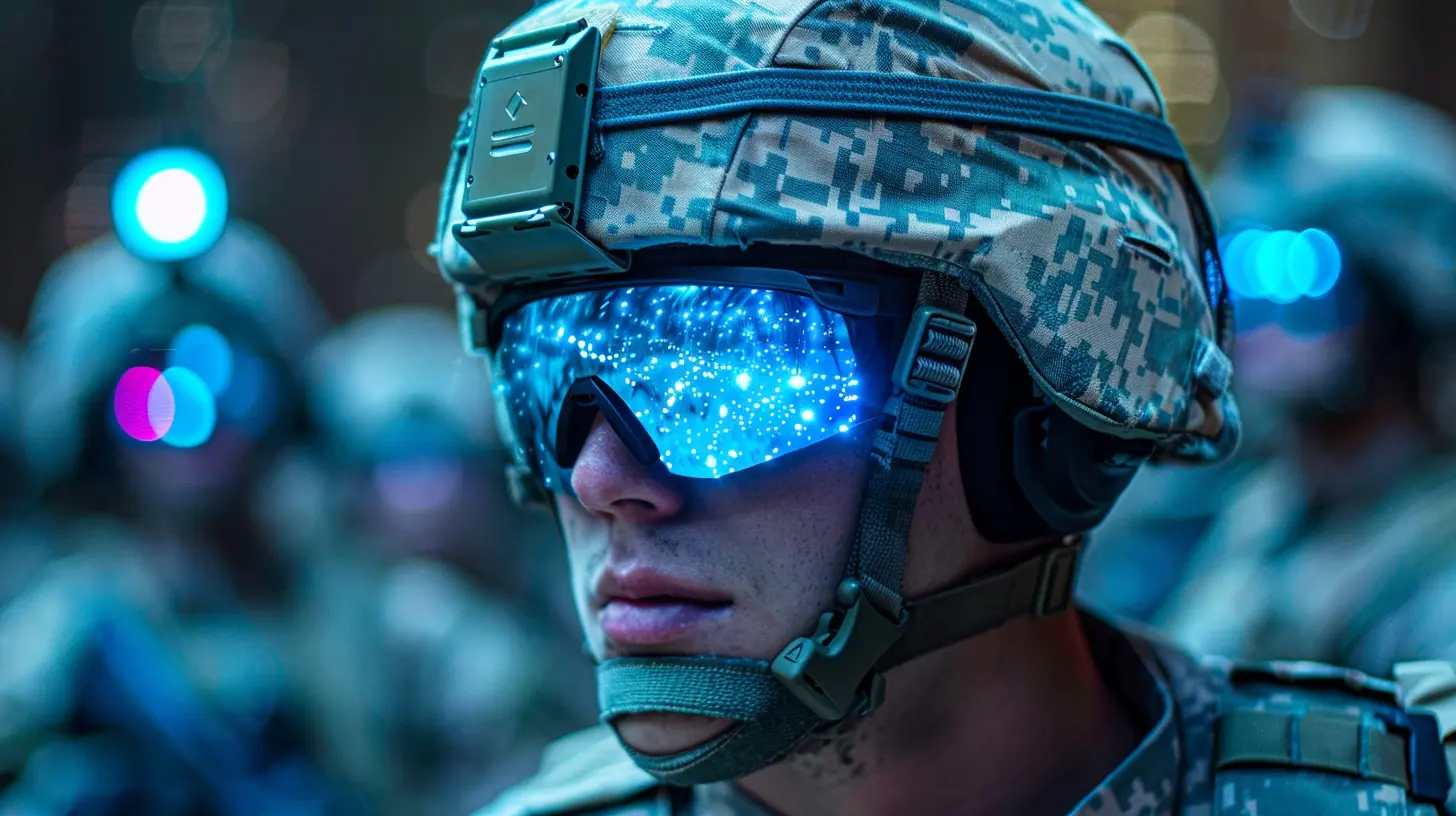
Elevating Safety & Survival in Combat
While performance is critical, nothing is more important than a soldier’s safety. The battlefield is unpredictable, but wearable tech is helping soldiers stay ahead of threats.Smart Body Armor: Beyond Bulletproof Protection
Traditional body armor stops bullets, but modern smart armor does so much more.- Dynamic Protection: Some armors change density upon impact, absorbing force more effectively than traditional Kevlar.
- Integrated Medical Response: Built-in sensors can detect the type of injury and administer pain relief or clotting agents if needed.
- Connected to Command Centers: If a soldier is hit, their armor instantly relays data to medics, indicating injury severity.
It’s like having a second skin that not only protects but also responds intelligently to threats.
Wearable Drones: Eyes in the Sky
Why risk a soldier’s life when you can send a drone instead? Wearable drone technology is empowering soldiers with real-time surveillance without exposing them to unnecessary danger.- Miniature Drones: Soldiers can launch small drones from their wrist or backpack to scan enemy positions.
- Infrared & Thermal Imaging: These drones provide night vision capabilities, spotting enemies hidden in the dark.
- Automated Threat Detection: AI algorithms help identify possible threats before engaging, improving decision-making.
Think of them as an extra set of eyes in the sky, constantly watching, analyzing, and protecting the troops on the ground.
Smart Gloves & Wearable Communication Devices
Communication can mean the difference between victory and disaster. Military forces now use smart gloves and e-textiles to ensure seamless coordination.- Touch-Based Commands: Soldiers can communicate through simple hand gestures using haptic-feedback gloves.
- Stealthy Comms: E-textiles (smart fabrics) allow troops to communicate silently via vibrations or electrical signals.
- Encrypted Messaging: Secure, real-time communication without the risk of interception.
In high-stakes missions, where silence is crucial, these tools ensure that messages are exchanged without a single sound. 
The Future of Military Wearables
We’re just scratching the surface of what’s possible. In the near future, we could see:- Brain-Computer Interfaces (BCIs): Imagine controlling drones or robotic suits just by thinking.
- Self-Healing Uniforms: Nano-fabric materials that repair themselves after taking damage.
- Adaptive Camouflage: Suits that change color or texture based on the environment, making soldiers nearly invisible.
The marriage of AI, nanotechnology, and IoT will continue pushing the boundaries of military wearables, making soldiers not just stronger, but smarter and safer.
Final Thoughts
Technology is reshaping warfare, and wearable devices in the military are at the forefront of this revolution. From biometric tracking to smart exoskeletons, these innovations aren’t just about making soldiers more effective—they’re about saving lives, keeping troops connected, and ensuring that every mission has the highest chance of success.As tech advances, one thing remains certain: the future of warfare isn’t just about who has the biggest guns, but who has the smartest soldiers.
all images in this post were generated using AI tools
Category:
Wearable DevicesAuthor:

Michael Robinson