Wearable Health Monitors: Detecting Illness Before Symptoms Appear
12 July 2026
Ever wished for a personal health detective, always keeping a watchful eye on your body, ready to sound the alarm before you even realize something's off? Well, thanks to wearable health monitors, that futuristic dream is now a reality. These tiny, tech-packed devices can track everything from heart rate to blood oxygen levels, all while blending seamlessly into our daily lives.
But here’s the juicy part—these gadgets don’t just monitor your vitals; they can predict potential illnesses before you even start feeling sick. Sounds like something straight out of a sci-fi thriller, right? Let’s dive into the fascinating world of wearable health monitors and how they’re revolutionizing early disease detection.

The Rise of Wearable Health Technology
Just a decade ago, fitness trackers were glorified step counters. Fast forward to today, and they’re borderline medical-grade devices that can detect irregular heartbeats, oxygen saturation dips, and even stress levels.Companies like Apple, Fitbit, and Garmin are leading the charge, while new players continue to shake up the industry with increasingly advanced biometrics. And let’s not forget smart rings and even smart clothing—because apparently, your shirt can now tell you when to take a break!
With AI and machine learning in the mix, these wearables aren’t just passively collecting data. They’re analyzing it, making sense of it, and in some cases, even predicting health issues before they become serious problems.
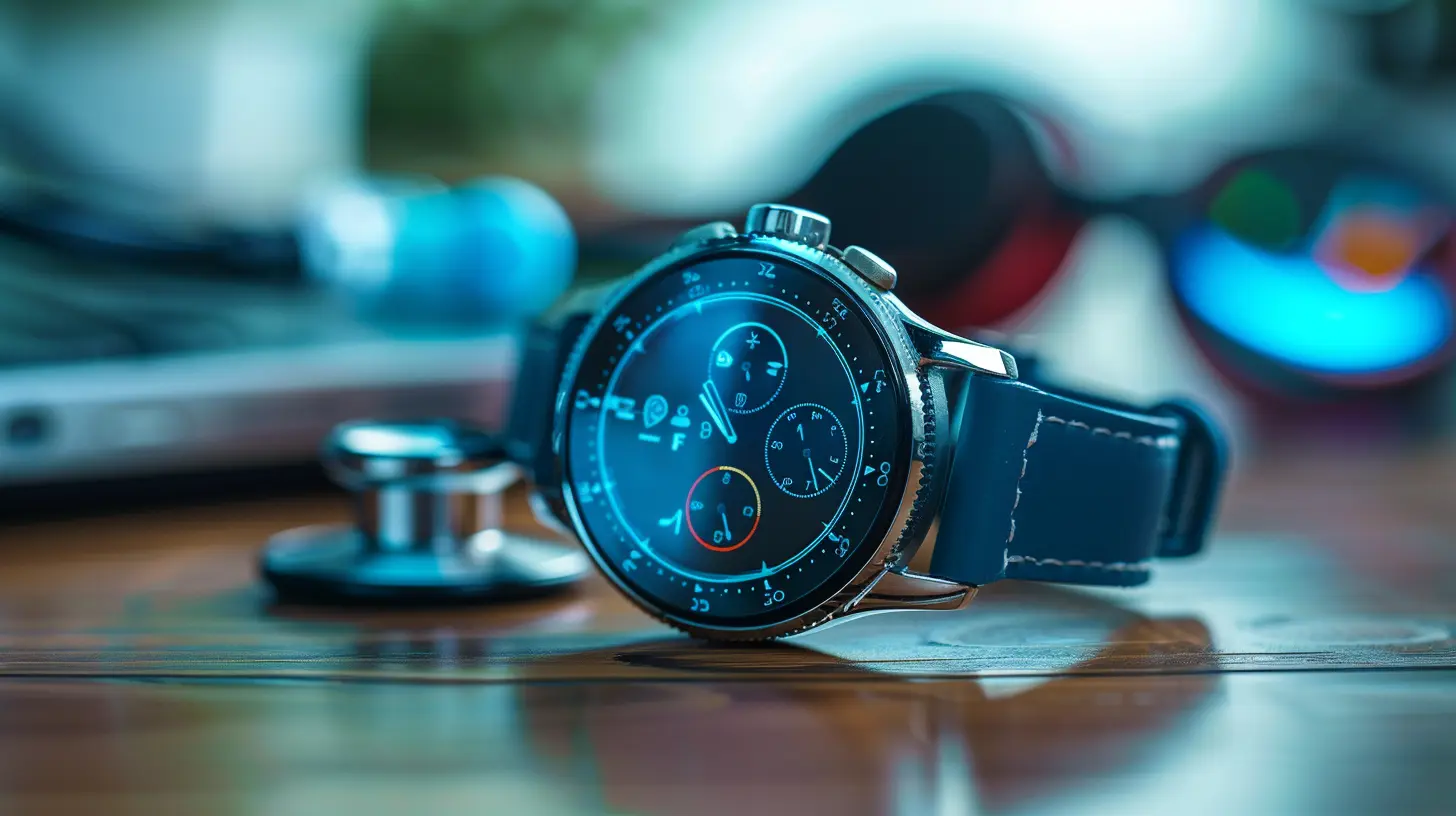
How Wearables Detect Illness Before Symptoms Appear
So, how do these nifty devices manage to act like a crystal ball for your health? It all comes down to data—loads and loads of data.Wearable health monitors constantly measure key physiological markers, including:
- Heart rate variability (HRV) – Stress, fatigue, or even infections can cause noticeable changes.
- Blood oxygen levels (SpO2) – Low readings could hint at respiratory issues or early-stage infections.
- Body temperature – A subtle fever could be an early sign of an immune response.
- Sleep patterns – Poor sleep quality can indicate stress, illness, or underlying conditions.
- Electrodermal activity – Sweat gland activity can reveal stress levels and body temperature shifts.
By tracking these metrics over time, wearables can spot subtle deviations from your baseline that might indicate something’s brewing before you even feel unwell.
Real-World Examples of Early Disease Detection
Still skeptical? Let’s look at how wearables have already changed the game for early illness detection:1. Detecting COVID-19 Before Symptoms Appeared
During the pandemic, researchers discovered that smartwatches could detect COVID-19 days before symptoms showed up. A study found that changes in heart rate and oxygen levels could serve as an early warning sign, giving users a heads-up before they even felt sick.2. Identifying Irregular Heart Conditions
Apple Watch’s ECG feature has already saved lives by alerting users to irregular heart rhythms, often linked to conditions like atrial fibrillation (AFib). Many users have reported that this feature led them to seek medical attention before a potentially serious event occurred.3. Predicting Stress and Burnout
Wearables like the Oura Ring and Fitbit Sense track stress by analyzing heart rate variability. If stress metrics start trending in the wrong direction, they can nudge users to prioritize rest before burnout sets in.
The Role of AI and Big Data in Health Monitoring
The real magic happens when AI jumps into the equation. With millions of users generating data daily, AI-driven algorithms can identify patterns that even trained medical professionals might miss.Imagine a wearable device that notices your resting heart rate creeping up over a few weeks, paired with subtle drops in your SpO2 levels. While you might brush it off as stress or lack of sleep, AI-powered analytics could flag this as a potential sign of an underlying illness—prompting you to check in with your doctor before things escalate.
With machine learning constantly improving, these devices will only get better at spotting red flags before they become full-blown health crises.
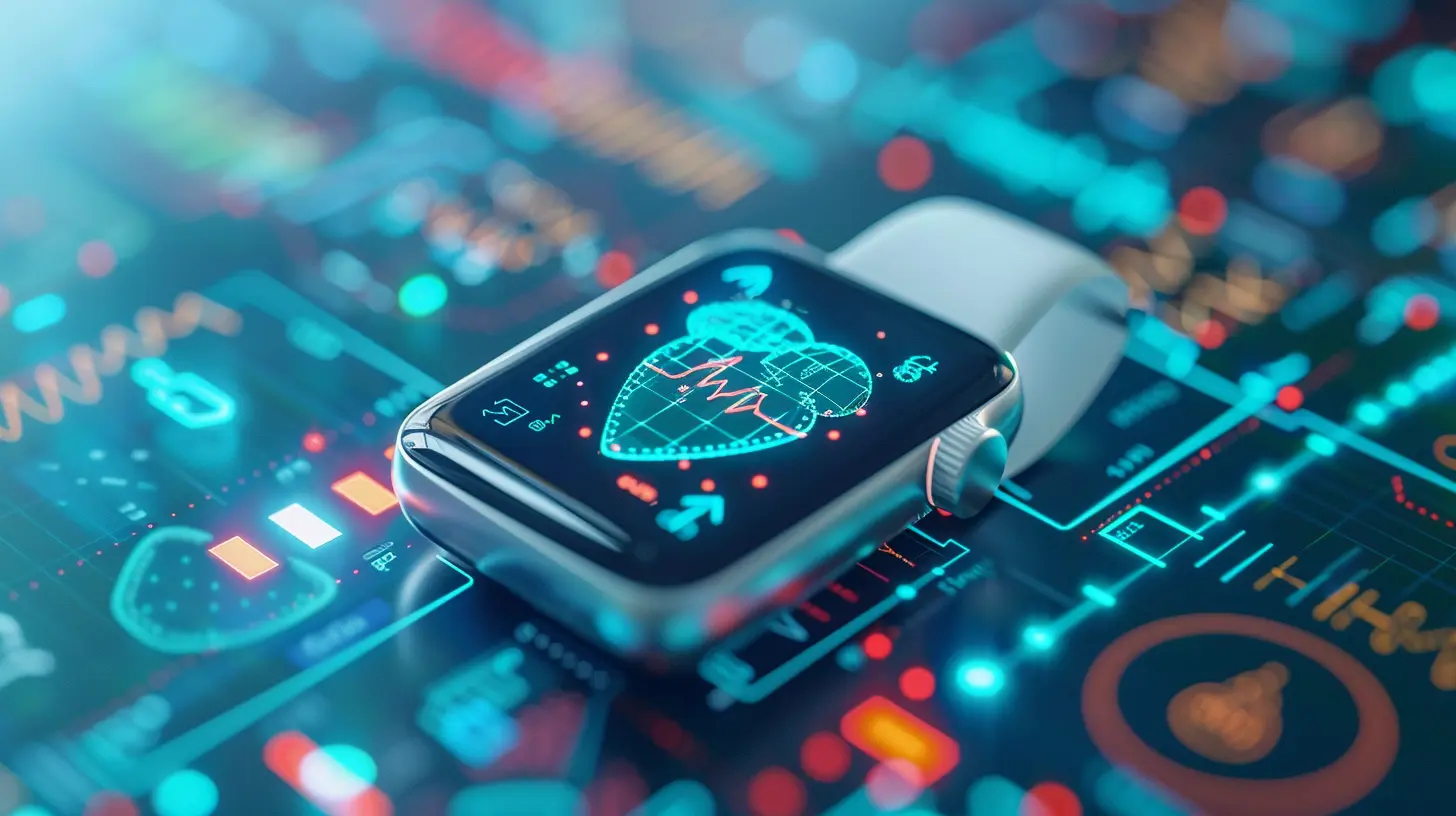
Potential Downsides: Is There a Catch?
Of course, no technology is perfect, and wearable health monitors are no exception. Here are a few challenges they still face:1. False Positives and Unnecessary Panic
Sometimes, these devices might generate false alarms, causing unnecessary anxiety. Not every irregular heartbeat means a heart attack is imminent!2. Data Privacy Concerns
Let’s be real—your wearable knows a lot about you. From your sleep habits to your stress levels, that’s valuable (and sensitive) data. The question is, who else has access to it? Data security and privacy remain key concerns in the wearables industry.3. Over-Reliance on Technology
There’s nothing wrong with letting technology lend a helping hand, but it shouldn’t replace professional medical advice. Just because your smartwatch didn’t flag anything doesn’t mean you should ignore symptoms altogether.The Future of Wearable Health Monitors
So, what’s next for wearable health tech? If current trends continue, we can expect even more impressive features:- Continuous glucose monitoring for non-diabetics – So you’ll know exactly when that extra slice of cake might not be a great idea.
- Hydration tracking – Because who doesn’t need a reminder to drink more water?
- Early detection of neurological diseases – AI-powered analysis of movement and speech patterns could help detect early signs of Parkinson’s or Alzheimer’s.
- Integration with telemedicine – Imagine your wearable sending real-time data to your doctor before a virtual appointment.
The possibilities are endless, and as technology continues evolving, wearable health monitors could become as essential as smartphones—if they aren’t already.
Conclusion
Wearable health monitors are more than just stylish accessories; they’re powerful tools that offer a glimpse into your body’s inner workings. By tracking and analyzing real-time data, these devices can detect signs of illness before you even notice symptoms.While they’re not magic crystal balls (yet), they’re a massive step toward a future where healthcare is more preventive than reactive. So, whether it’s a smartwatch, fitness band, or even a smart ring, these little gadgets are proving to be lifesavers—literally.
Now, if only they could remind us where we left our keys
all images in this post were generated using AI tools
Category:
Wearable DevicesAuthor:

Michael Robinson