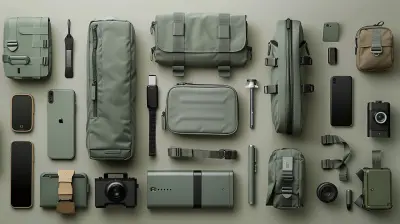
Wearable Technology and Privacy: Balancing Innovation with Protection
5 August 2026
Wearable technology is no longer just a futuristic concept—it’s part of our daily lives. From smartwatches and fitness trackers to AR glasses and smart clothing, wearables have burst onto the scene, offering new and exciting ways to interact with the world. They monitor our health, help us stay connected, and even make our lives more convenient. But as the use of wearable tech grows, so do the concerns about privacy. It’s a bit like letting a stranger into your home: while they might be helping you organize things, they’re also snooping around your personal space.
So, how do we enjoy the benefits of wearable tech without sacrificing our privacy? That’s the million-dollar question. Let’s dive into how wearable technology has evolved, the privacy challenges it presents, and how we can strike a balance between innovation and protection.
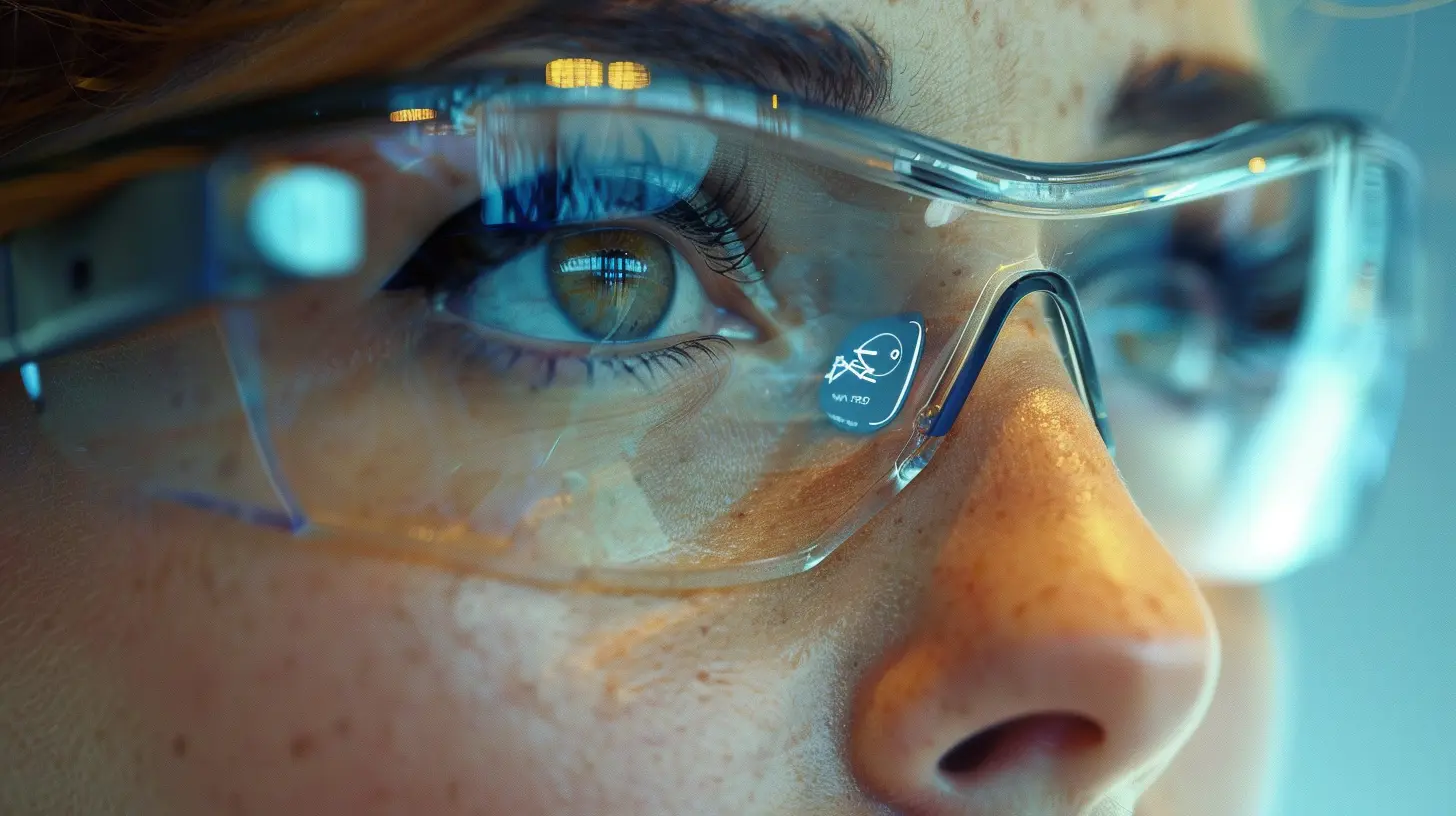
The Rise of Wearable Technology
Wearables have been around for much longer than you might think. Believe it or not, the first wearable device was a wristwatch, invented in the 1500s. Fast forward to today, and we have gadgets like the Apple Watch, Fitbit, and Google Glass, which offer us a much more sophisticated experience than simply telling time.These devices are designed to enhance our lives in some way—whether it’s tracking our steps, monitoring our heart rate, or even providing real-time notifications from our phones. Wearables are becoming more integrated into our daily routines, and they’re only getting smarter.
But here’s the thing: with more intelligence comes more data. And with more data comes the question of privacy. When you’re wearing a gadget that’s constantly collecting information about you, where does all that data go? Who has access to it? And more importantly, how is it being used?
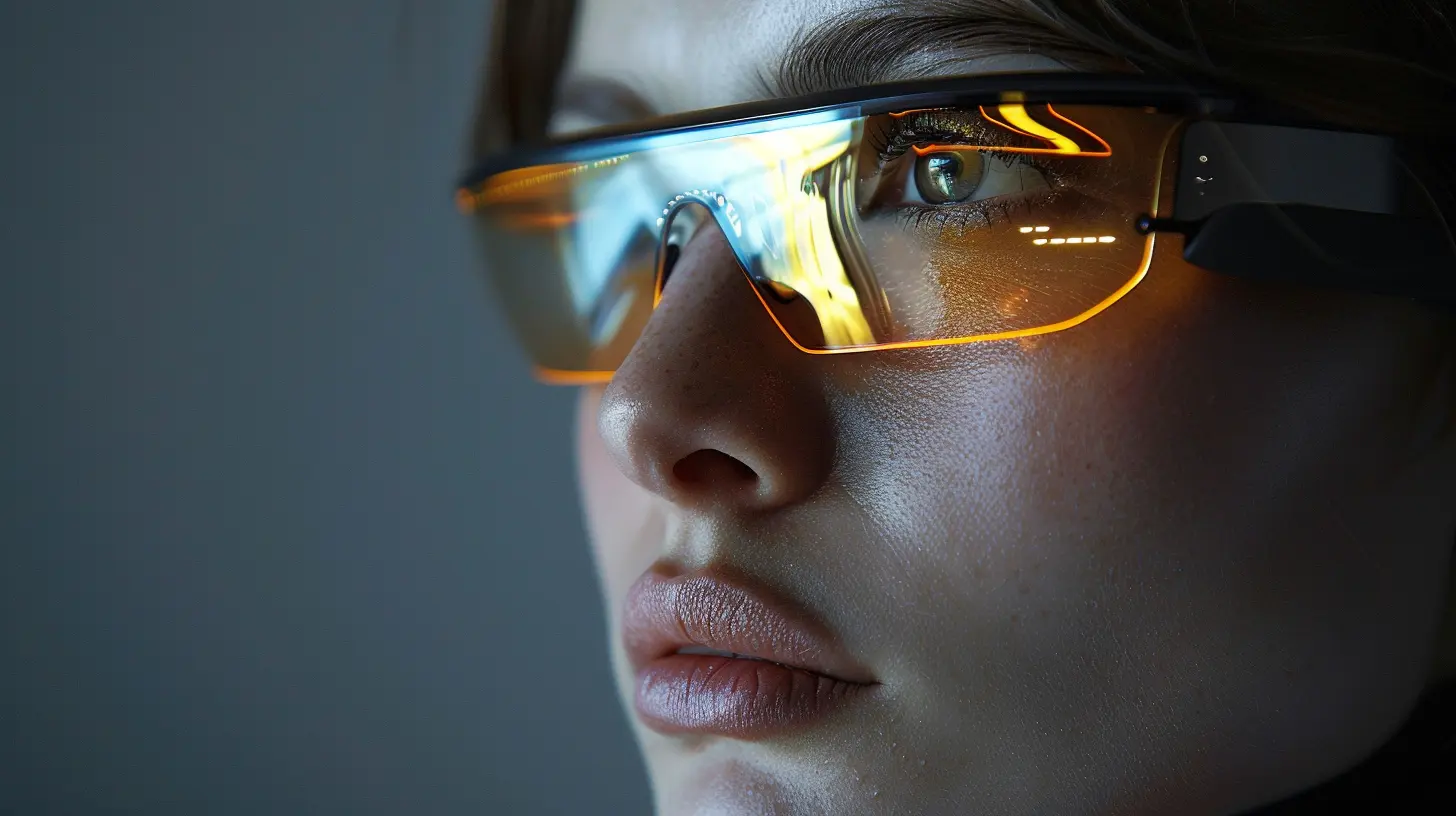
What Data Do Wearables Collect?
To answer the privacy question, we first need to understand what kind of data wearables are collecting. Spoiler alert: it’s a lot.Most wearables collect personal data related to your health and fitness. For example, a fitness tracker might monitor your steps, heart rate, sleep patterns, and even how many calories you’ve burned. That’s already a lot of sensitive information, but many wearables take it a step further. Smartwatches can track your location, send and receive messages, and even make payments.
Think about it—these devices are gathering a treasure trove of data about you, from your daily habits to biometric details. This data is incredibly valuable—not just to you, but to companies, advertisers, and even hackers.
Now, here comes the tricky part: while this data helps you improve your fitness goals or stay organized, it also raises some big red flags about your privacy.

Privacy Concerns with Wearable Tech
When you’re wearing a device that’s constantly collecting information about you, privacy can feel like it’s slipping through your fingers. And it’s not just a feeling—it’s a reality. Here are some of the biggest privacy concerns with wearable technology:1. Data Collection Without Consent
Many users don’t fully understand what kind of data their wearables are collecting, let alone how it’s being used. Some devices might be gathering more information than you’re aware of, and that data could be shared with third parties without your direct consent. It’s kind of like agreeing to have a roommate, only to find out they’ve been inviting over strangers without telling you.
2. Inadequate Security Measures
Wearables are often not as secure as we might think. While manufacturers do implement security protocols, they’re not always foolproof. Weak encryption or outdated software can make these devices more vulnerable to hacking. Imagine someone being able to track your movements or access your health data—it’s not a comfortable thought.3. Tracking and Location Sharing
Many wearables, especially smartwatches and fitness trackers, use GPS to provide location-based services. While this can be incredibly useful for navigation or finding your phone, it also means companies (and potentially hackers) can track your every move. It’s like carrying around a personal GPS tag that broadcasts your location to the world.4. Third-Party Data Sharing
Let’s face it: companies love data. The more they know about you, the better they can target you with ads, products, and services. Many wearable tech companies share your data with third-party advertisers or partners to improve their marketing efforts. While this might seem harmless at first, it raises concerns about who exactly has access to your data and how they’re using it.5. Health Data Vulnerability
Wearables that monitor your health—such as heart rate monitors or sleep trackers—are collecting some of the most sensitive data you can imagine. This information could potentially be used against you, whether it’s by insurance companies, employers, or even bad actors looking to exploit your vulnerability.
How Can We Balance Innovation with Privacy?
So, where do we go from here? Do we ditch our wearables and go back to the days of pocket watches and pedometers? Not necessarily. The key to solving the privacy puzzle lies in finding a balance between innovation and protection.Here’s how we can work towards that goal:
1. Stronger Data Encryption
Encryption is like locking your data in a safe. The stronger the lock, the harder it is for someone to break in. Wearable tech companies need to implement stronger encryption protocols to ensure that the data collected by these devices is secure. This means using advanced encryption methods and regularly updating software to protect against vulnerabilities.2. Transparency and Consent
Wearable tech companies need to be more transparent about the data they’re collecting and how it’s being used. Ever notice how we’re always scrolling through those long, boring privacy policies? It’s time to make those more user-friendly. Users should be given clear, easy-to-understand explanations of what data is being collected, why it’s being collected, and who it’s being shared with. And most importantly, they should be given a choice in the matter.3. User Control Over Data
Imagine if you could control your data like flipping a light switch. That’s the kind of control users should have over the information their wearables collect. Users should be able to choose what data gets collected, who it’s shared with, and how long it’s stored. Wearable tech companies should give users clear and accessible options for managing their privacy settings.4. Stricter Privacy Regulations
Governments and regulatory bodies need to step in and create stronger privacy laws for wearable tech. As it stands, the regulations haven’t quite caught up with the pace of innovation. By implementing stricter guidelines and holding companies accountable, we can create an environment where privacy is a top priority, not an afterthought.5. Privacy-Focused Wearables
Believe it or not, some companies are already working on wearables that prioritize privacy. These devices are designed with privacy in mind from the ground up, incorporating features like local data storage (so your information doesn’t get sent to the cloud) and enhanced security protocols. In the future, we may see more wearables that strike the perfect balance between innovation and privacy protection.The Future of Wearable Tech and Privacy
Wearable technology isn’t going anywhere. In fact, it’s only going to become more advanced and integrated into our lives. But as wearables continue to evolve, we need to ensure that privacy keeps pace with innovation.The future of wearable tech will likely include devices that are smarter, more personalized, and even more connected. But with that advancement comes the responsibility to protect the privacy of users. If companies, regulators, and consumers work together, we can create a future where wearables enhance our lives without compromising our personal data.
At the end of the day, it’s all about balance—finding that sweet spot where technology can thrive without putting our privacy at risk. Wearable tech has the potential to revolutionize the way we live, but only if we approach it with a thoughtful eye towards security and privacy.
Conclusion
Wearable technology is exciting, no doubt about it. It’s like having a personal assistant strapped to your wrist or sewn into your clothes. However, with great power comes great responsibility—or in this case, with great convenience comes great privacy concerns. The challenge is to find a way to enjoy the perks of wearable tech while also keeping our personal data safe.By improving data encryption, being transparent, giving users control, and implementing stricter regulations, we can strike the perfect balance between innovation and protection. After all, no one wants to feel like their smartwatch is watching them back.
So, let’s embrace the future of wearable technology—but let’s not forget to protect our privacy along the way.
all images in this post were generated using AI tools
Category:
Wearable DevicesAuthor:

Michael Robinson
Discussion
rate this article
1 comments
Kristen Soto
Great article! It's vital to consider privacy as wearable tech evolves. Finding that balance between innovation and user protection will shape our future in exciting ways. Keep it up!
August 5, 2026 at 4:05 AM