Blockchain and the Art World: NFTs and Digital Ownership
11 December 2025
The art world is no stranger to transformation. From cave paintings to the Renaissance to digital art, every major shift has moved creativity forward. But now, we’re witnessing something revolutionary—something that’s not just changing how art is made, but how it’s owned, valued, and experienced. Enter: blockchain and NFTs.
Yes, you’ve probably heard the buzzwords flying around—“blockchain,” “non-fungible tokens,” “decentralization”—and maybe you're wondering if it’s all just hype. Well, we’re here to go deep (but not too technical) into how blockchain is shaking up the art world and giving creators a whole new canvas to work with.
Let’s break it down, one pixel at a time.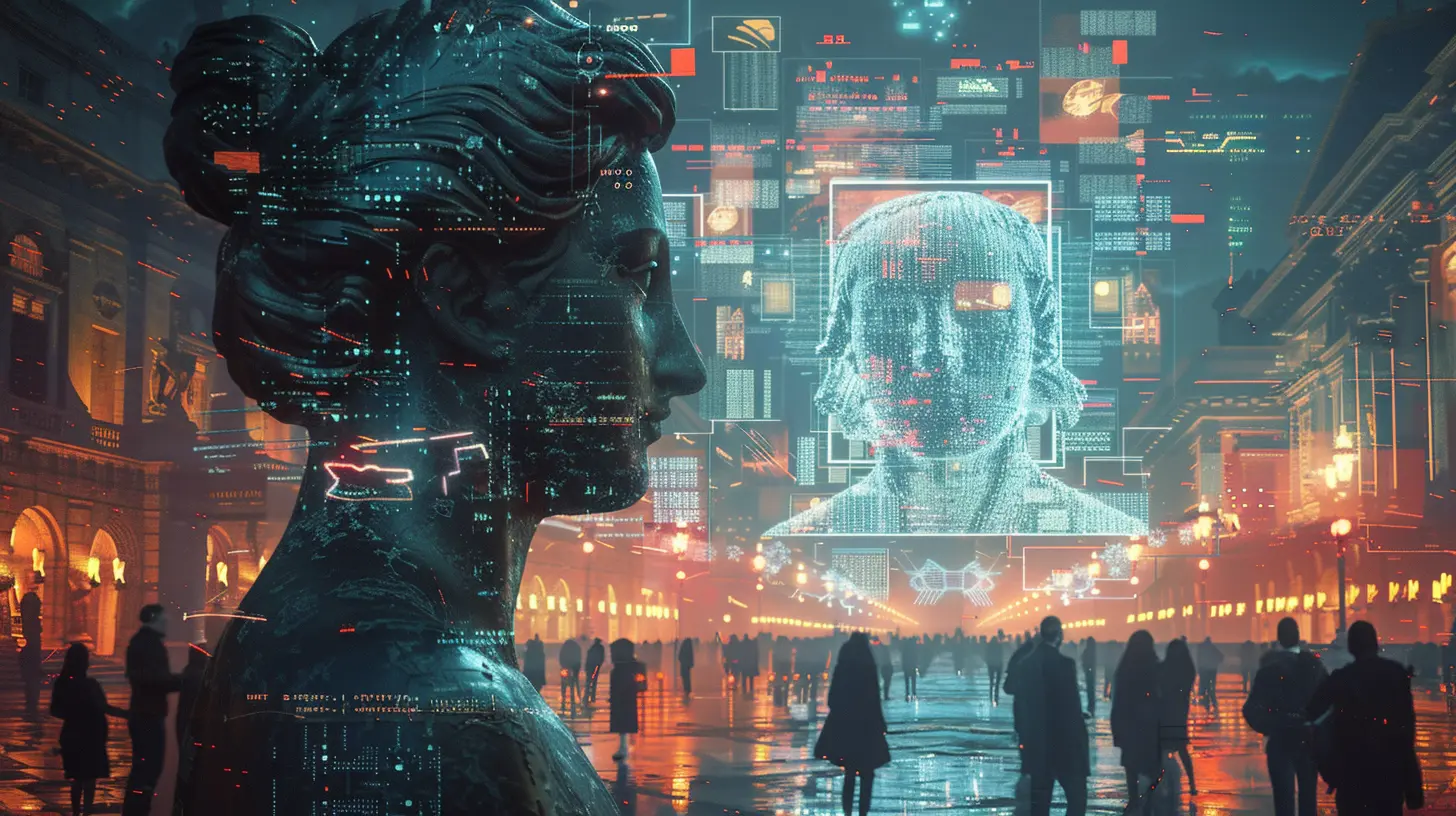
What Is Blockchain and How Does It Work?
Think of blockchain like a digital ledger or diary that anyone can read but nobody can erase or tamper with. It’s a decentralized system, which means no single person or organization has control over it, making it incredibly secure and transparent.Every time a transaction is made—like someone buying a piece of digital art—it’s recorded in a block. That block is linked (or chained) to the previous block, forming an unbreakable line of history. This ensures authenticity, ownership, and provenance, especially in the art world where these factors mean everything.
Pretty cool, right?
NFTs: More Than Just Digital Hype
So, What Exactly Is an NFT?
NFT stands for “Non-Fungible Token.” That’s just a fancy way of saying it’s a unique digital item that can’t be swapped for something else on a one-to-one basis.For example, one Bitcoin equals one Bitcoin. They’re fungible—completely interchangeable. But an NFT? That’s like a one-of-a-kind trading card. You can’t just swap it for another; it has its own unique value.
When artists mint (create) their artworks as NFTs, they’re essentially giving them a digital certificate of authenticity that lives on the blockchain.
Why Are NFTs a Game Changer for Artists?
Before NFTs, digital art faced a major problem: anyone could copy it. Screenshots, downloads, right-click-save—you name it. It was hard for digital artists to claim ownership or get paid fairly for their work.Now? NFTs have flipped the script.
- Artists can sell their work directly to buyers without a middleman.
- They can earn royalties every time their art is resold—automatically.
- Provenance is clear, making forgeries nearly impossible.
- Global reach becomes easy—your next buyer could be across the world.
This is digital ownership, on steroids.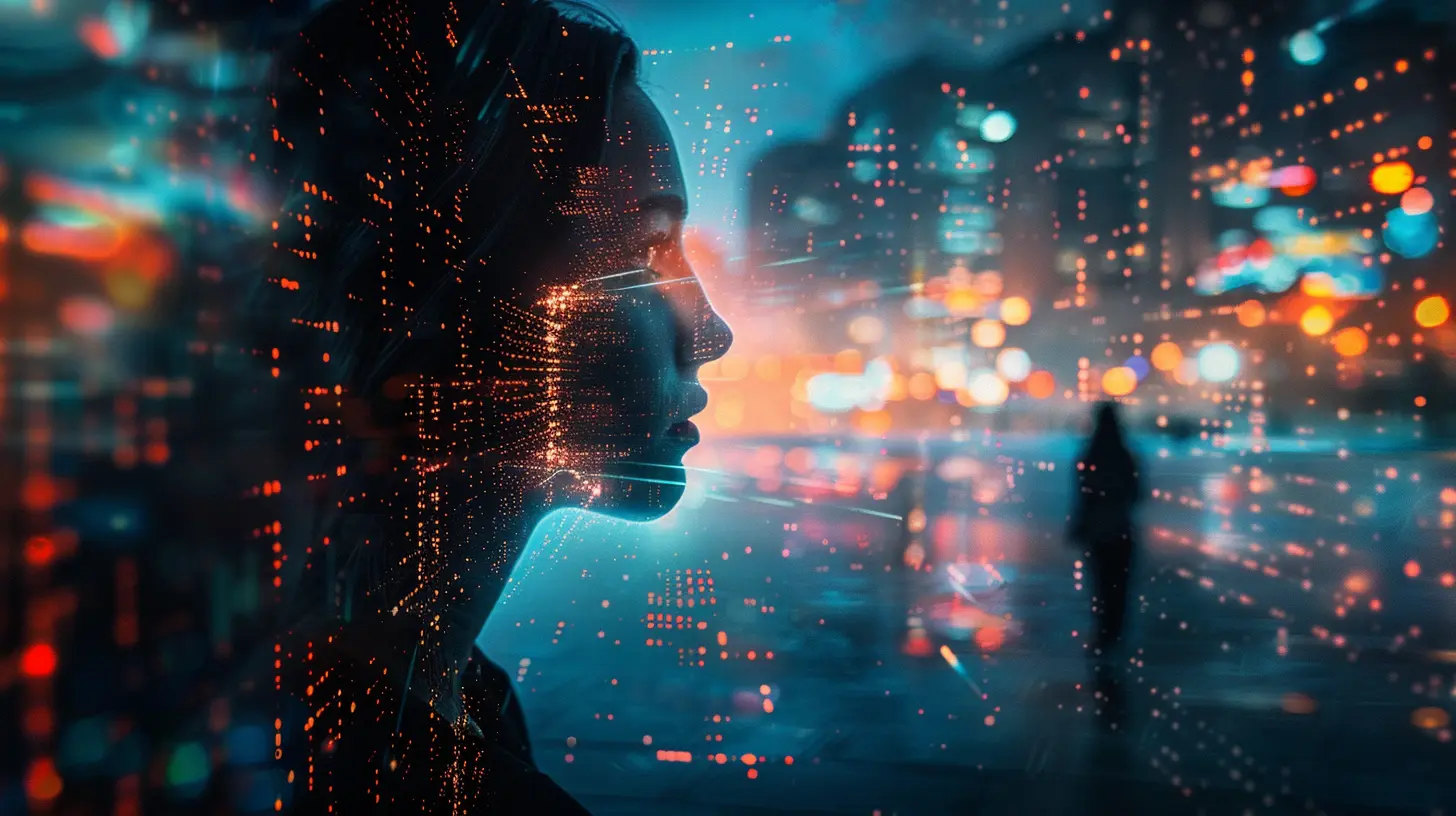
The Democratization of the Art World
One of the most exciting aspects of blockchain tech is how it's leveling the playing field. Traditional art spaces—galleries, auction houses, critics—often act as gatekeepers, deciding who gets in and who doesn’t.But with NFTs and blockchain?
Anyone with a wallet and Wi-Fi can participate. Whether you’re a high school student experimenting with digital sketches or a seasoned illustrator, you now have direct access to collectors and fans. You don’t need a big-name gallery or an art degree to make waves.
This is where the idea of "Web3 Art" thrives—decentralized, democratized, and driven by community.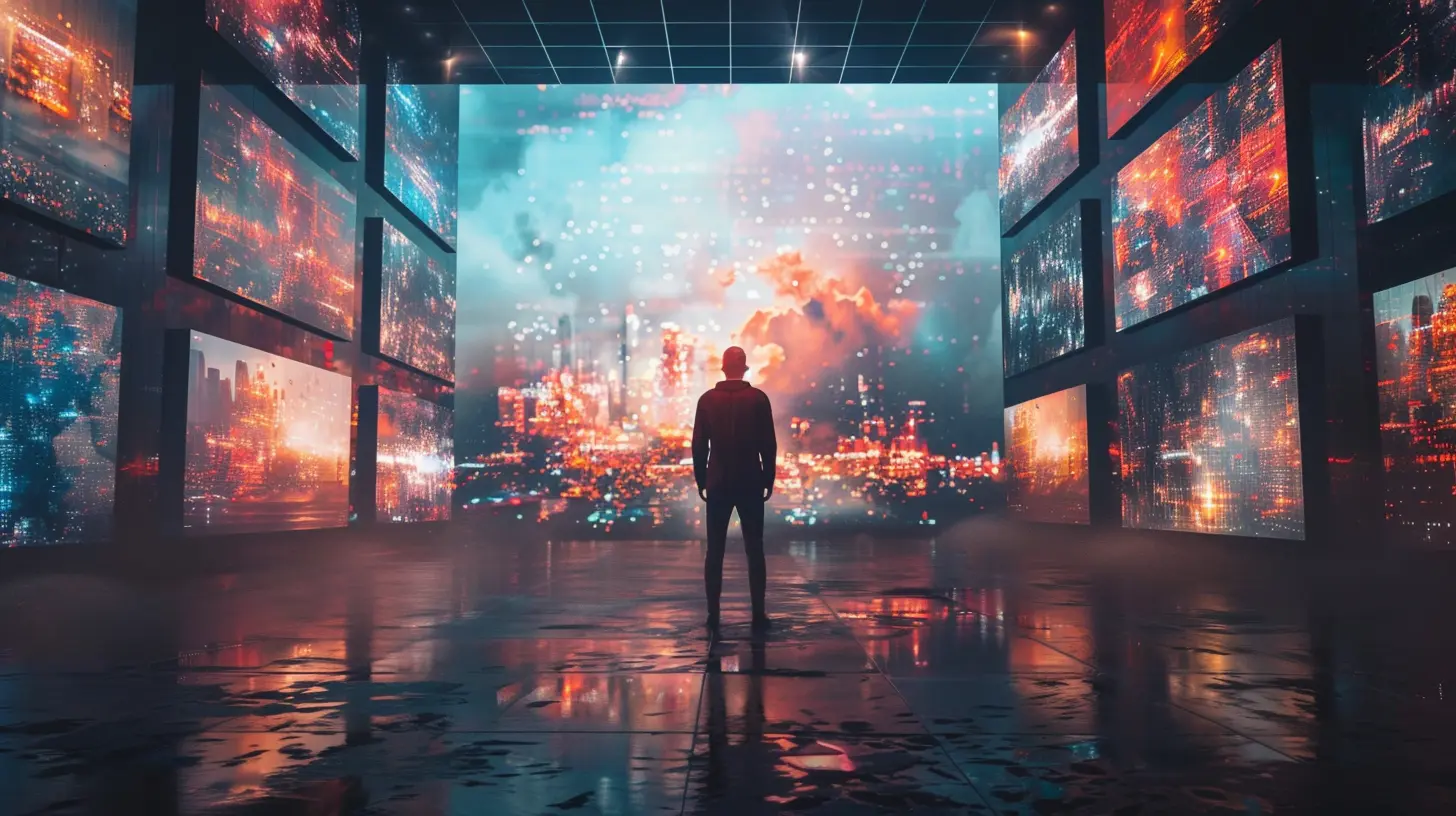
Reimagining Art Ownership
From Physical to Digital
Traditionally, owning art meant having it physically—hanging on your wall, stored in a museum, or locked in a vault. But now, owning art can mean holding a digital token in your crypto wallet that represents authenticity and ownership.Some might ask, “But why would I pay for something I can’t touch?”
Fair question.
But think about it. You can't physically touch a song on Spotify or a movie on Netflix, but they still carry value. Digital art is no different. It lives and breathes in the same digital world we spend more and more of our lives in.
Fractional Ownership: Shared Masterpieces
Blockchain also introduces fractional ownership. Imagine owning a piece of a digital Monet with 1,000 other art lovers. You’re no longer priced out of the market. You become part of a collective investment and cultural experience.That’s not just new—it’s revolutionary.
Real-World Examples of Blockchain in Art
Let’s bring theory into reality. Here are a few mind-blowing examples where blockchain tech has already made waves in the art world.Beeple’s $69 Million Sale
In March 2021, digital artist Beeple sold an NFT of his work “Everydays: The First 5000 Days” for $69 million. That moment wasn’t just record-breaking—it was history-making. Digital art officially entered the big leagues.CryptoPunks & Bored Apes
These pixelated characters and quirky apes are more than just profile pics. They’re status symbols, digital collectibles, and serious investments—with some selling for millions. They’ve spawned communities, merchandise, and even real-world meetups.Art Blocks
This is where generative art meets blockchain. Artists write code, and each minting creates a unique piece of art based on that code. It’s art and algorithm beautifully blended—and collectors are loving it.The Role of Smart Contracts
Smart contracts are self-executing contracts built on blockchain. They’re like vending machines for rules—once conditions are met, they auto-execute.For artists, this means:
- Royalties are built right into the NFT.
- Every resale triggers a payout.
- There's no need to chase down collectors or hire a legal team.
This automation is lifting a huge burden off artists’ shoulders and giving them more control over their work’s future.
Challenges and Criticisms (And Why They’re Being Solved)
Let’s be real: no technology is perfect. Blockchain and NFTs do face hurdles, so let’s tackle them head-on.1. ⚡ Environmental Concerns
You’ve probably heard that NFTs use a lot of energy. And you’re not wrong—at least, not with the older systems like Ethereum was using (Proof of Work). But things are changing fast.- Ethereum has moved to Proof of Stake, cutting its energy use by 99%.
- Eco-friendly blockchains like Tezos and Solana are booming.
- Artists and platforms are choosing green alternatives.
So yes, it was a problem. But it's being solved—quickly.
2. ❓ Market Volatility
NFT prices can be wild. One day a piece is worth $10,000, and tomorrow $100. It’s the nature of emerging markets. Think of it like the early internet days—chaotic but full of potential.3. 🎭 Artistic Integrity
Some critics argue that NFTs commercialize art too much. But let’s flip the script. Isn’t art about expression and connection? If NFTs give artists more freedom, more reach, and more empowerment—how is that a bad thing?It all comes down to how it’s used. Like any tool, it’s the intention behind it that matters.
The Future of NFTs and Digital Ownership in Art
We’re just scratching the surface here. The future? It’s brimming with possibility.Augmented and Virtual Reality Galleries
Imagine walking through a virtual gallery in the metaverse, wearing your VR headset, and admiring NFT art from around the globe. It's not just coming—it’s already here.Virtual real estate is being used to host digital art shows. Artists are creating immersive art experiences that blend sound, movement, and interactivity.
Cultural Preservation
NFTs can help preserve cultural artifacts and stories that might otherwise be lost. Indigenous communities are beginning to use NFTs to tell their stories, protect their creations, and even support themselves financially.Education and Awareness
Blockchain isn’t just for tech-savvy folks anymore. More educational institutions, museums, and galleries are embracing blockchain literacy and integrating it into their programs. The more we understand it, the more responsibly we can harness it.Why This Matters—Not Just for Artists, But for All of Us
This isn't just a tech trend. It's a cultural shift.We're redefining what it means to create, own, and value. Anyone with a smartphone and a vision can be part of this global movement. Whether you're an artist, a collector, or just someone who loves the thrill of innovation, you're invited.
So don’t sit on the sidelines. Get curious. Dive in. The next Picasso may not hold a paintbrush, but a stylus—and their canvas? The blockchain.
Final Thoughts
Blockchain and the art world are building something beautiful together. It's not just about digital files. It's about ownership, empowerment, and a worldwide creative renaissance.NFTs aren’t just passing fads. They're bridges—connecting artists with audiences, creativity with technology, and expression with innovation.
Whether you're an artist dreaming big, a collector seeking the next masterpiece, or someone just wondering what all the fuss is about—there’s a place for you in this bold new world.
So, are you ready to be part of the artistic revolution?
all images in this post were generated using AI tools
Category:
Blockchain TechnologyAuthor:
Michael Robinson
Discussion
rate this article
2 comments
Gianna Kirkpatrick
NFTs redefine ownership in the art world, blending creativity with technology; a revolutionary shift toward digital authenticity.
December 22, 2025 at 3:59 AM
Michael Robinson
I appreciate your perspective. NFTs indeed bring a fresh approach to ownership, merging art and technology in exciting ways.
Orionyx McNair
Exciting insights on NFTs and digital ownership!
December 11, 2025 at 5:46 AM
Michael Robinson
Thank you! I'm glad you found the insights exciting!