Why Manual Focus Can Improve Your Photography Skills
25 December 2025
You’ve probably heard of photographers boasting about their gear—mirrorless cameras, lenses with insane apertures, and autofocus systems that can track a squirrel doing backflips in the dark. Impressive stuff, right? But here's the thing: sometimes, all that tech gets in the way of actually learning photography. Hear me out.
If you're serious about sharpening your photo game, it might be time to take the scenic route—welcome to the world of manual focus. It may sound intimidating, even a little old-school, but dialing in your shots manually isn't just some nostalgic throwback for film nerds. In fact, it could be the game-changer your photography journey needs.
Let’s break it down together, shall we?
Auto Isn’t Always Awesome: The Case Against Autofocus
Modern autofocus is fast, smart, and incredibly accurate—most of the time. But like that friend who thinks they know what you want at a restaurant, autofocus can sometimes miss the mark. It picks the wrong subject, hunts endlessly in low light, or just... gives up.When your camera decides to lock focus on your subject’s nose instead of their eyes, or keeps snapping to the tree behind your model, you know you’ve got a problem. And it's frustrating, right?
That’s where manual focus steps in like a wise old mentor. Slower? Sure. But a whole lot more precise.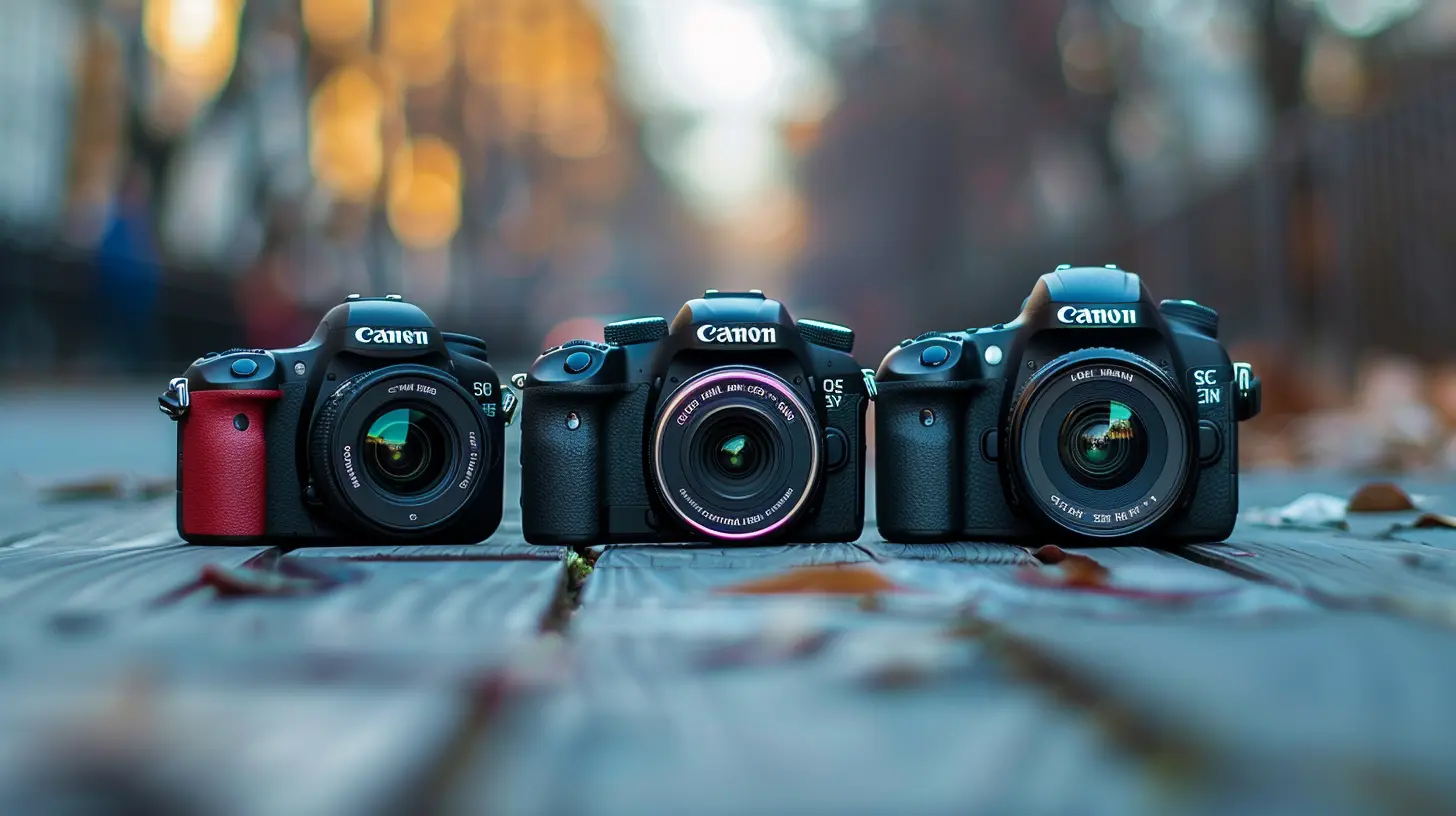
Slowing Down = Seeing More
Let’s get a little philosophical for a second. Manual focus forces you to slow down. And slowing down means... you start paying attention.You’re not just snapping away hoping something turns out okay. You're thinking about composition, light, background distractions, and—most importantly—what exactly you want in focus.
It’s like cooking from scratch instead of microwaving a frozen dinner. More time and effort? Yep. But the result? Infinitely more satisfying.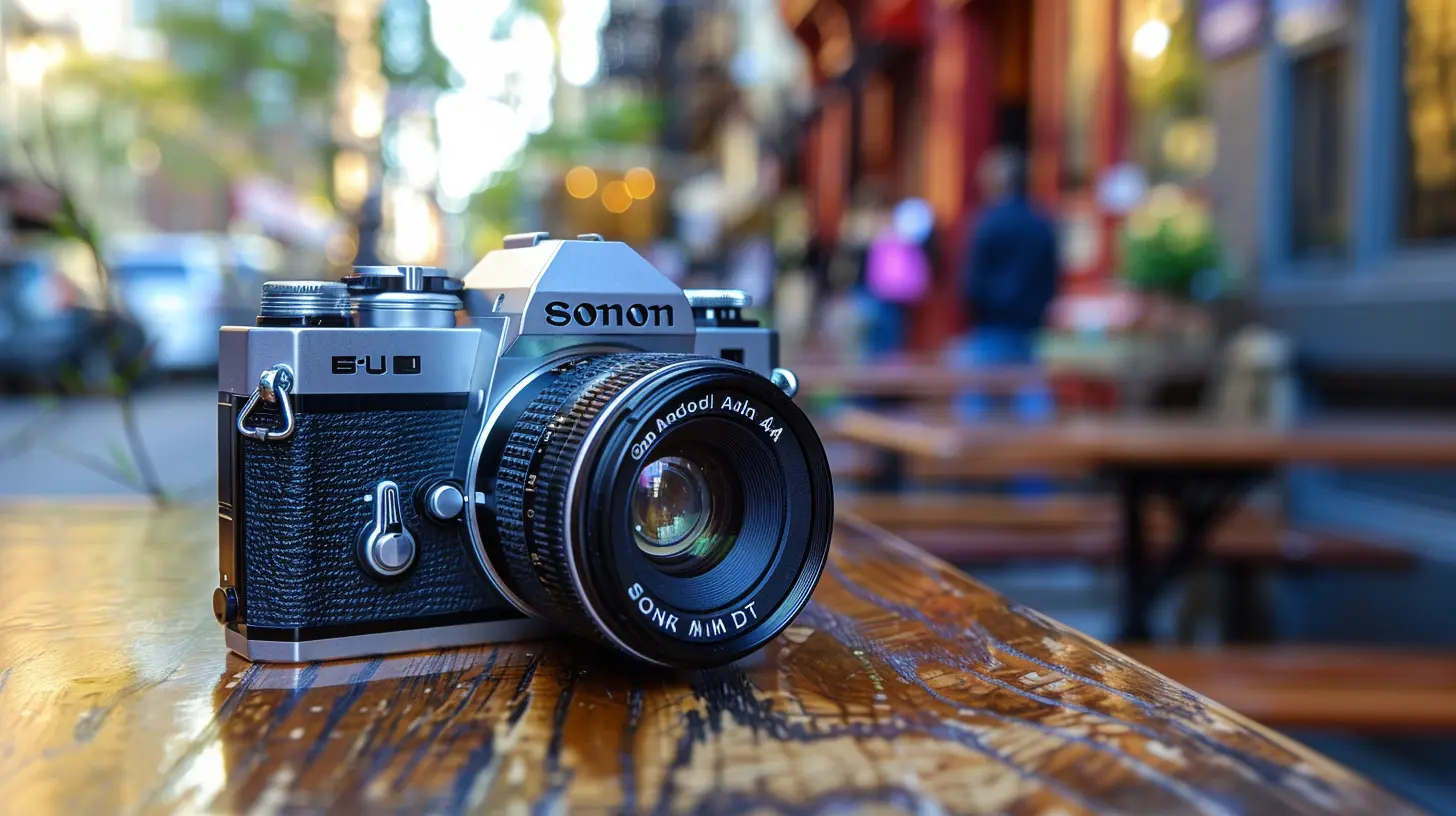
You Learn Exactly Where to Focus—And Why That Matters
Ever looked at a photo and felt like something was... off? Maybe the composition was good, colors were decent, but it just didn’t have that pop. Odds are the focal point wasn’t where it needed to be.With manual focus, you decide where the eye should go. Not your camera. You’re in control.
Learning to place the focus exactly where you want teaches you a lot about visual storytelling. Want your viewer to connect emotionally with your subject? Focus on the eyes. Want to add mystery or abstraction? Let that detail in the background take center stage.
Once you master this, even your simplest shots start to speak volumes.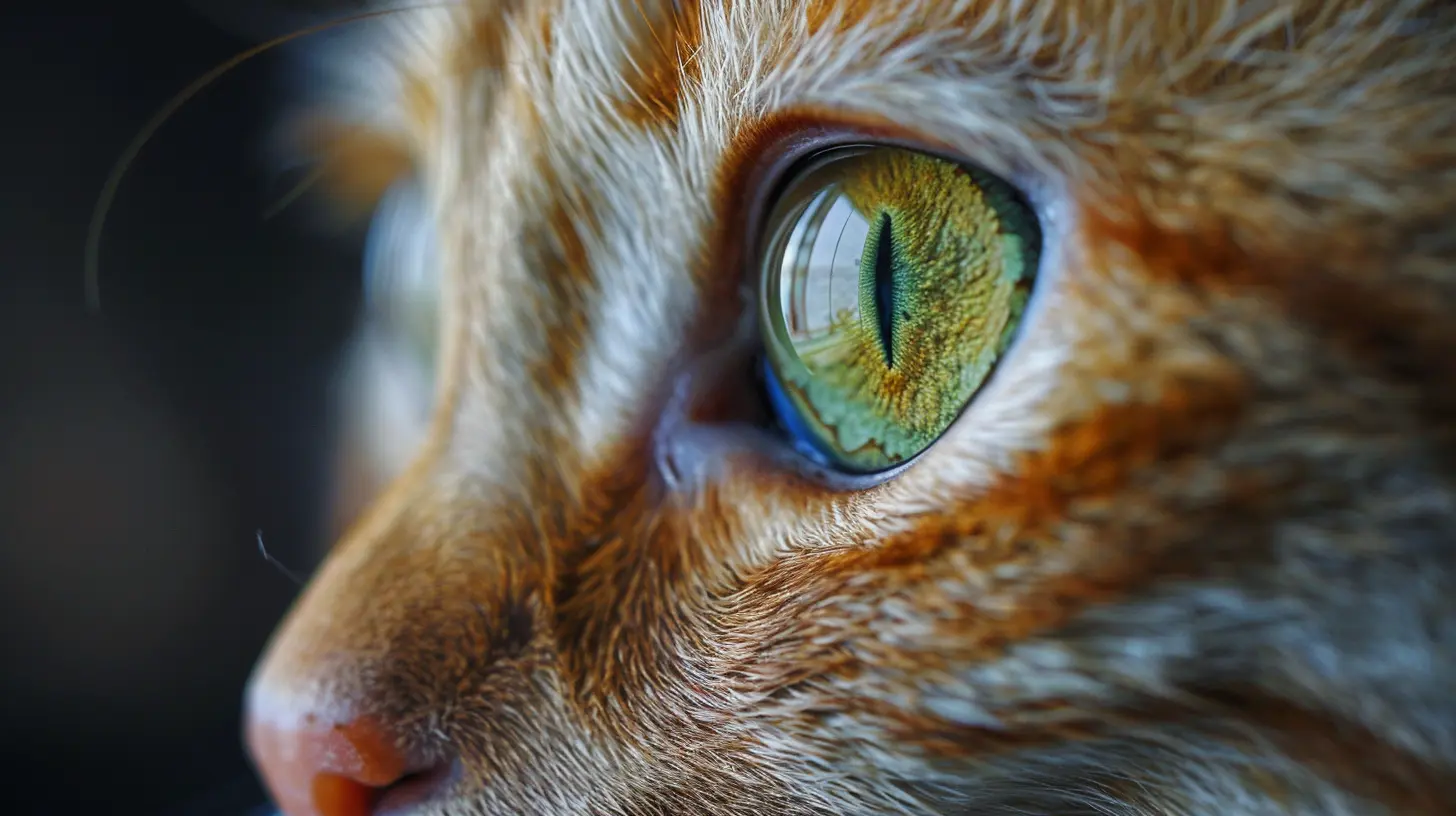
Low Light? Manual Focus for the Win
Let’s talk about a situation that frustrates almost every photographer: low light. In dim conditions, autofocus often flounders like a fish out of water. It hunts, it hesitates, and sometimes it just gives up.But manual focus? It doesn’t care if the sun’s gone to bed. You can still use your eyes to lock onto that perfect point. Add in tools like focus peaking or magnification (which many cameras include), and suddenly, low light isn’t the enemy anymore.
So if you’re into night photography, astrophotography, or shooting moody candle-lit scenes—manual focus becomes your best buddy.
The Art of Precision: Macro and Product Photography
Getting up close and personal with your subject? Autofocus can be finicky when shooting macro shots or detailed product photography. At such close distances, even the tiniest shift in focus makes a huge difference.Manual focus lets you fine-tune those microscopic details, ensuring the exact feature you want—like a bug’s eye or a droplet on a petal—is crisp and clear.
Trust me, once you nail that razor-thin depth of field in a macro shot, you'll never want to go back.
Practice Makes Perfect: Training Your Eye
Switching to manual focus is like giving your visual muscles a workout. At first, it’s clunky. You’ll miss shots. Your friends might judge your throwback technique. But push through.You’ll start to notice how different lenses render focus. You’ll get better at judging distances, reading depth, and using available light. Over time, you’ll start nailing focus faster and with more confidence.
And when you go back to autofocus? You’ll use it smarter. You'll know where to place that focus point and when to switch to manual for tricky shots.
Manual Focus + Vintage Lenses = Magic
Here’s a fun perk of manual focusing: vintage lenses. There’s a whole world of character-rich, affordable, manual-focus-only lenses out there that work beautifully with modern digital cameras.Not only do these lenses offer unique color rendering and dreamy bokeh, but they also force you to slow down and shoot with intention.
It’s like swapping your smartphone for a typewriter just to feel the creative spark again.
Portraits That Speak Volumes
Ever wondered why some portraits feel alive while others fall flat? It's often about connection—and focus.With manual focus, you're not relying on your camera to guess where you’re aiming. You're choosing to focus on your subject’s eyes, catching that exact moment when their expression changes. This means your portraits capture genuine emotion, not just technically correct sharpness.
And when paired with a shallow depth of field? Manual focus helps you isolate your subject like a spotlight in a dark theater. Intimate, powerful portraits are suddenly within reach.
Landscapes That Feel Alive
You might think autofocus rocks for landscapes, right? Set it to infinity and you're good to go?Not always.
When composing landscape shots, especially with foreground interest, it's crucial to think about depth. Manual focus lets you control where sharpness starts and ends. You can use techniques like hyperfocal distance focusing to get both your wildflowers and distant mountains in tack-sharp glory.
It’s these subtle decisions that take your landscapes from “nice” to “frame it and hang it.”
Manual Focus in Video: Smooth As Silk
Cinematographers hate autofocus. Why? Because it’s jerky. It hunts. It breathes. Nothing ruins a beautiful cinematic shot like a focus shift that wasn't supposed to happen.Manual focus is the go-to for controlled, smooth, and intentional focus pulls in video work. Whether you're filming an interview or a short film, mastering manual focus gives your footage the polished, professional touch that autofocus simply can’t match.
Tools That Help: Focus Peaking, Magnification, and More
Modern cameras haven’t abandoned manual focus—far from it. Most give you amazing tools that make manual focusing a breeze:- Focus Peaking: Highlights the parts of your image that are in focus with a colored outline.
- Magnification: Zooms into your image in live view so you can fine-tune focus with insane precision.
- Split-Screen or Rangefinder Assist: Some cameras simulate old-school focusing methods to help you line things up just right.
Using these tools, even beginners can master manual focus on digital systems relatively quickly.
When Should You Use Manual Focus?
You don't need to go full manual all the time (unless you're into that sort of thing). But there are times when switching from auto to manual makes a lot of sense:- Low light situations
- Subjects with no contrast (like white objects against a white background)
- Shooting through glass or fences
- Macro or extreme close-ups
- Creative or abstract photography
- Portraiture with shallow depth of field
- Scenes requiring precise focus planes (think landscapes or architectural shots)
Put simply: when accuracy is key, manual focus wins.
Quick Tips for Mastering Manual Focus
Ready to give manual focus a shot? Here are a few quick tips to get you going:1. Use the Viewfinder or Live View: Choose whichever gives you better control and visibility.
2. Start with Stationary Subjects: Don’t try to focus on your dog mid-zoom.
3. Use Focus Peaking & Magnification: If your camera has them—even better!
4. Practice with Prime Lenses: They're usually sharper and more forgiving while you learn.
5. Experiment with Vintage Glass: Find cheap but fun manual lenses to play around with.
6. Work in Good Light First: Make it easy until you’ve built your confidence.
Manual Focus Isn’t Just About Gear—It’s About Growth
At this point, you’ve probably gathered that manual focus isn’t just a setting on your camera. It’s a mindset shift. It’s a way of engaging more intentionally with your art.Think of it like switching from cruise control to driving stick. More work? Yes. More control and connection? Absolutely.
So next time you pick up your camera, maybe flick the switch to manual. It might just teach you more than any lens upgrade ever could.
Final Thoughts: It’s Not Just About the Shot—It’s About the Process
Let’s be honest—manual focus can feel like going back to the stone age. In a world full of automation, it feels almost rebellious. But that’s what makes it powerful.You’re choosing to slow down. To observe. To learn. Manual focus helps you connect with your subject and your gear in a deeper way, and that connection often shows in your final image.
Even if you end up going back to autofocus most of the time, the lessons manual focus teaches will stick with you. You’ll be more precise, more thoughtful, and more capable of creating images that really mean something.
So go ahead—twist that focus ring and see what happens.
all images in this post were generated using AI tools
Category:
Digital CamerasAuthor:

Michael Robinson
Discussion
rate this article
2 comments
Azurael Horne
Embracing manual focus cultivates patience and intention in photography, transforming each shot into a deliberate act of creativity. It challenges us to connect deeply with our subjects.
January 30, 2026 at 5:58 AM
Michael Robinson
Absolutely! Manual focus really encourages us to slow down and engage more with our subjects. It turns each shot into a thoughtful process that enhances creativity.
Kian McKellar
This is a fascinating perspective! Embracing manual focus seems like a great way to deepen one's connection with photography. It encourages mindfulness and enhances understanding of composition and subject interaction. I'm excited to experiment with manual focus and see how it transforms my shots!
December 30, 2025 at 1:35 PM
Michael Robinson
Thank you! I'm thrilled to hear you're excited about experimenting with manual focus. It's a powerful way to deepen your photography skills and creativity. Enjoy the journey!