Bridging real human movement with digital technology
May 26, 2026 - 23:11
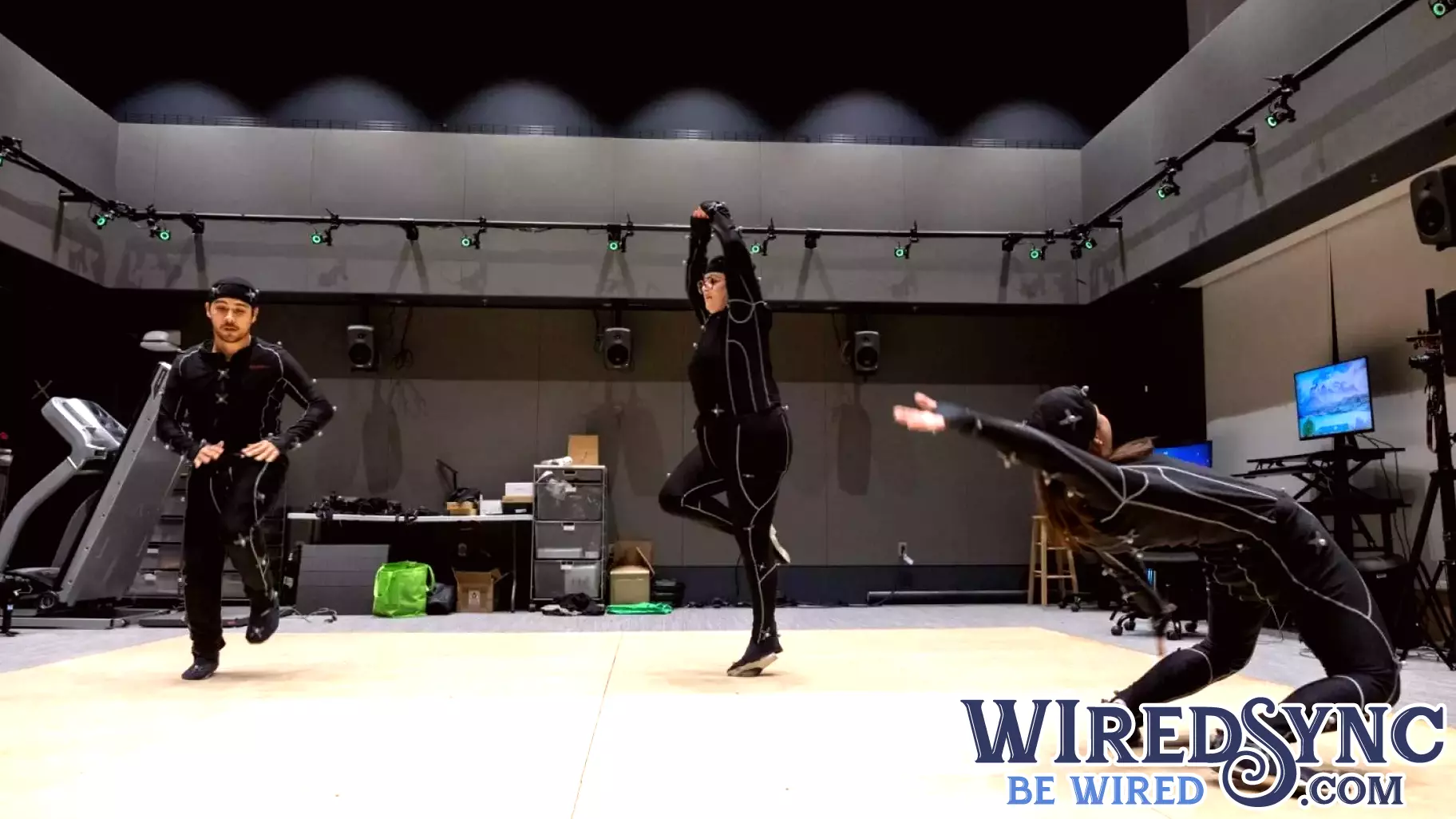
A new collaboration between MIT and Emerson College is reshaping how students learn virtual production by focusing on the connection between real human motion and digital tools. The MIT.nano Immersion Lab, a facility designed to explore how people interact with immersive environments, is now serving as a classroom for Emerson students studying film, media, and performance.
Instead of relying solely on green screens or pre-rendered animation, the program uses motion capture, volumetric video, and real-time rendering to capture an actor's movements and translate them directly into digital scenes. Students learn how subtle gestures, posture, and even breathing can influence a virtual character or environment. The goal is to make digital production feel more organic and less mechanical.
Faculty from both institutions say the partnership bridges a gap between technical engineering and artistic storytelling. Emerson students get access to MIT's advanced sensors and visualization tools, while MIT researchers gain insight into how performers and directors think about movement and narrative.
The Immersion Lab itself is a flexible space equipped with dozens of cameras, depth sensors, and a large LED wall that can display interactive 3D environments. For students, the experience is hands-on from day one. They are not just watching demonstrations; they are stepping into the lab, wearing motion capture suits, and seeing their own movements become part of a digital world in real time.
This approach, according to instructors, prepares students for a film and gaming industry that increasingly demands familiarity with virtual production techniques. Shows like "The Mandalorian" have popularized the use of massive LED volumes and real-time rendering, but the MIT-Emerson program emphasizes the human element behind the technology. It is not just about the hardware. It is about understanding how a performer's body language drives the story.
The collaboration also opens doors for research into how digital tools can enhance live performance, dance, and even therapy. By treating the human body as the primary input device, the lab is exploring new ways to blend physical and digital realities. For now, the focus remains on teaching the next generation of creators to think beyond the screen and back to the person in front of it.
MORE NEWS

July 11, 2026 - 01:15
Rackspace Technology (RXT) Rebounds 22% After Brutal WeekA brutal stretch for Rackspace Technology ended with a sharp rebound on Friday, as shares surged 22% following a week that saw the stock get hammered by bad news and investor panic. The bounce came...

July 10, 2026 - 01:46
City of Rochester rolls out new technology for garbage and recycling pickupThe City of Rochester has introduced new technology aimed at modernizing its waste collection services. The system is designed to improve the efficiency and reliability of garbage and recycling...

July 9, 2026 - 04:43
Villa Hills Family Suspects Tech-Savvy Thieves Stole Car From DrivewayA family in Villa Hills is convinced that criminals used advanced technology to steal their vehicle right from their own driveway, without ever touching the keys. The theft occurred late Tuesday...

July 8, 2026 - 22:09
SpaceX is racing toward orbital data centers. Here are ways to play this emerging technologySpaceX is accelerating plans to deploy data centers in low-Earth orbit, a move that could reshape how cloud computing and artificial intelligence workloads are handled. The company, already...