Groundbreaking Quantum Technology to Transform Gastrointestinal Cancer Care
April 8, 2025 - 09:51
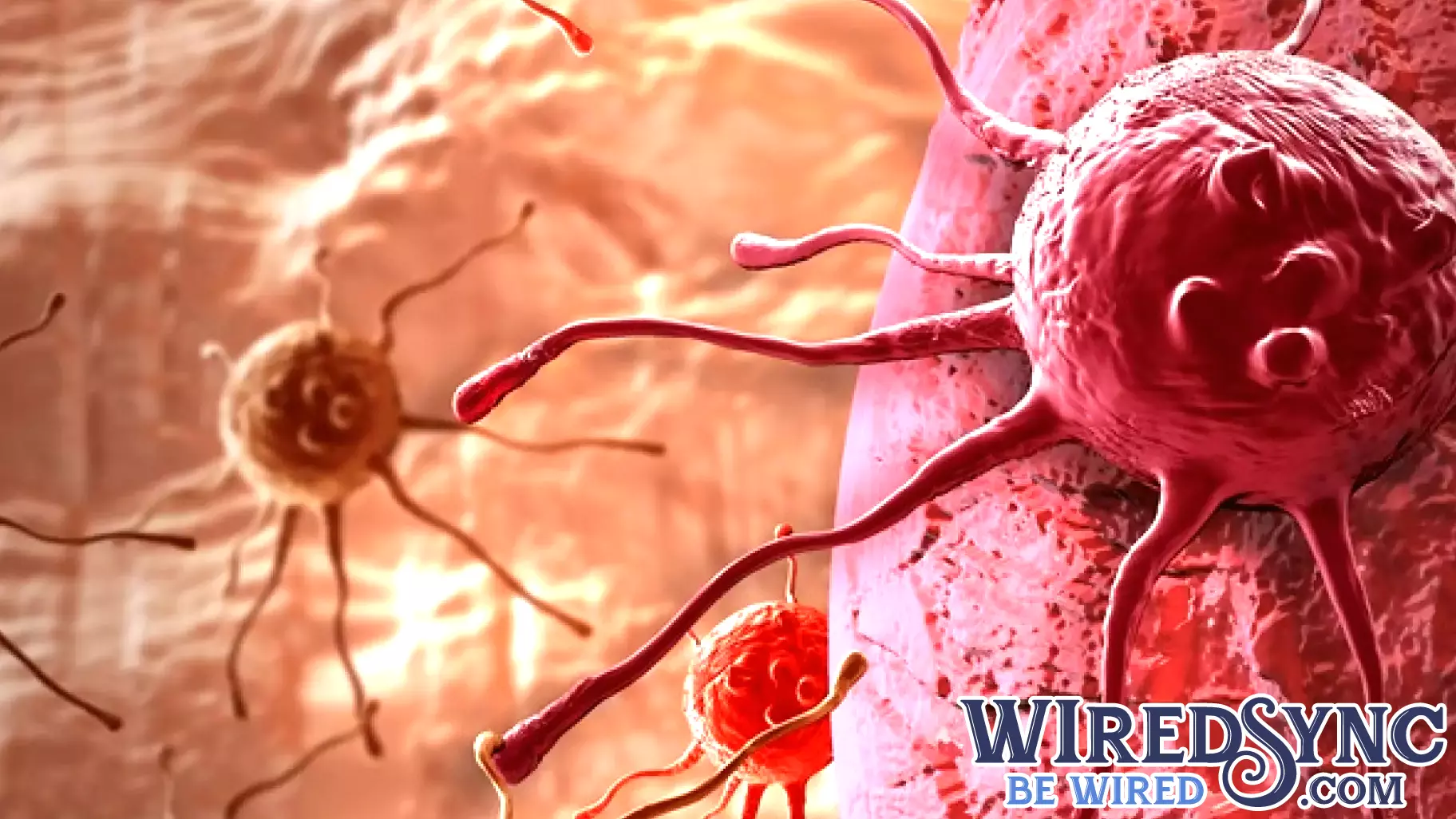
Innovative technology emerging from Australia promises to revolutionize the detection and treatment of gastrointestinal cancers. This cutting-edge advancement focuses on enabling precise, minimally invasive surgical procedures, which could significantly improve patient outcomes. By utilizing quantum technology, medical professionals will be able to identify cancerous cells with remarkable accuracy, allowing for earlier diagnosis and intervention.
The implications of this technology extend beyond just detection; it also enhances the treatment process. With the ability to perform surgeries that are less invasive, patients may experience reduced recovery times and lower risks of complications. This transformation in gastrointestinal cancer care could lead to a paradigm shift in how these conditions are managed, ultimately saving lives and improving the quality of life for countless individuals affected by cancer.
As research and development continue, the medical community eagerly anticipates the potential benefits of this technology, which may soon become a standard in the fight against gastrointestinal cancers.
MORE NEWS
August 20, 2026 - 03:19
STC’s Business, Public Safety and Technology Faculty Mobilize to Prepare Students for an AI-Driven FutureFaculty across South Texas College`s Division of Business, Public Safety and Technology are joining forces to make sure students do not get left behind as artificial intelligence reshapes the...

August 19, 2026 - 04:25
Integrating Technology in the Classroom Must Be Handled With Caution and PragmatismSchool systems across the country are moving forward with digital learning tools, but the push to modernize classrooms is meeting a wave of caution from educators and administrators. At the 2026...

August 18, 2026 - 09:22
OMSI hosts Portland Festival of Cinema, Animation & Technology this weekA week-long showcase of independent filmmaking and digital innovation kicks off this summer at the Oregon Museum of Science and Industry. The Portland Festival of Cinema, Animation and Technology...
August 17, 2026 - 17:39
CACI Selected to Strengthen and Modernize Technology Architectures for U.S. Space Force GuardiansRESTON, Va., August 17, 2026 - CACI International has secured a new contract with the U.S. Space Force to deliver technology upgrades aimed at defending national interests against emerging...