Jakarta's Ban on iPhone 16 and Google Pixel Sparks Discontent Among Tech Enthusiasts
January 1, 2025 - 08:17
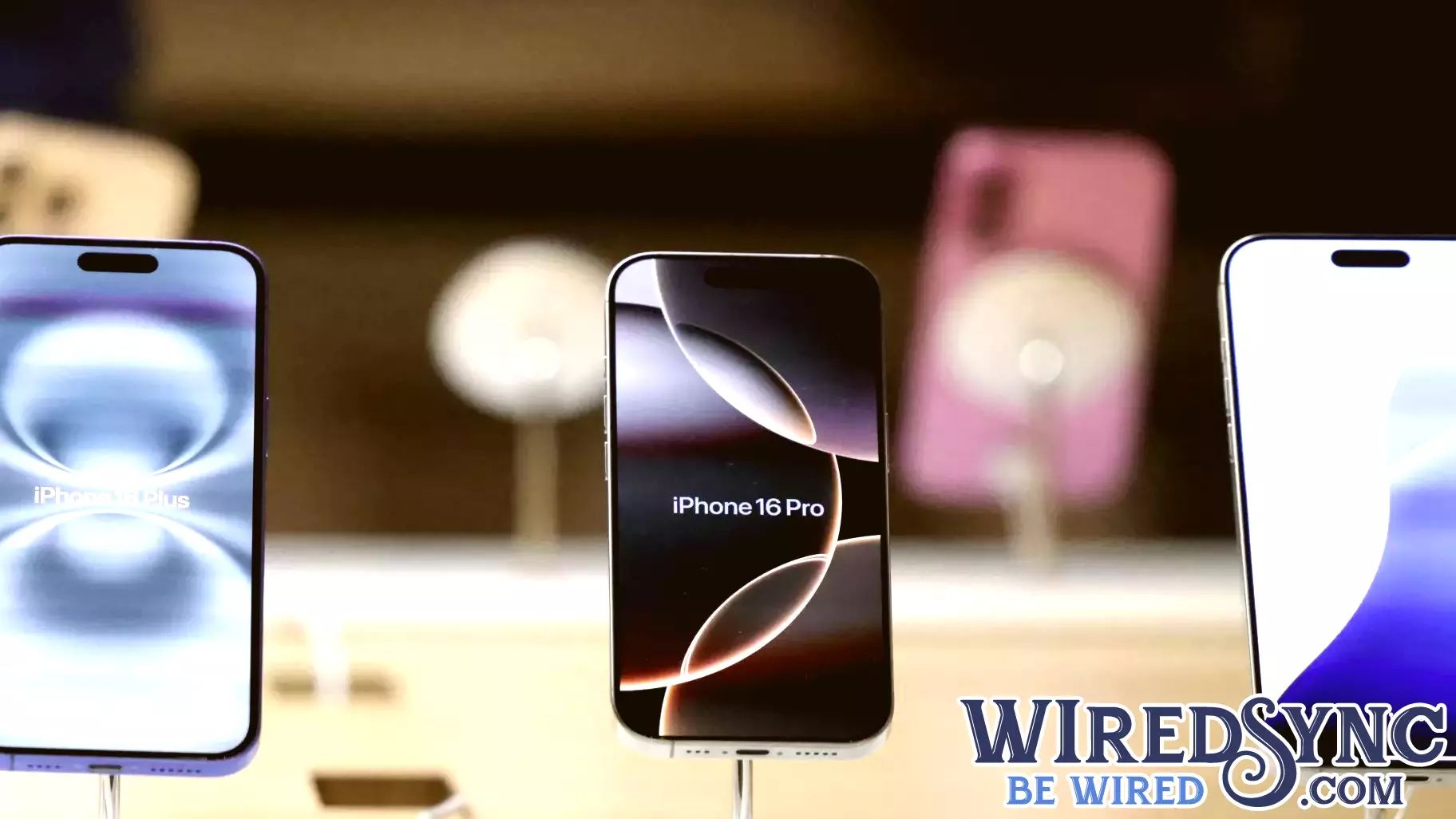
In a surprising move, the Indonesian government has imposed a ban on the sale of the newly released iPhone 16 and Google Pixel smartphones. This decision stems from regulations mandating that all mobile devices sold in the country must incorporate a certain percentage of local components. The aim of this policy is to bolster the domestic tech industry and promote local manufacturing.
However, the ban has left many tech fans in Jakarta and beyond feeling frustrated and disappointed. Enthusiasts were eagerly anticipating the latest features and innovations that these flagship devices promise to deliver. The restriction not only limits consumer choice but also raises concerns about the potential impact on the local market, where many rely on global brands for cutting-edge technology.
As discussions continue around the implications of these regulations, the tech community in Indonesia is left questioning the balance between fostering local industry and providing access to the latest advancements in mobile technology.
MORE NEWS

August 20, 2026 - 03:19
STC’s Business, Public Safety and Technology Faculty Mobilize to Prepare Students for an AI-Driven FutureFaculty across South Texas College`s Division of Business, Public Safety and Technology are joining forces to make sure students do not get left behind as artificial intelligence reshapes the...

August 19, 2026 - 04:25
Integrating Technology in the Classroom Must Be Handled With Caution and PragmatismSchool systems across the country are moving forward with digital learning tools, but the push to modernize classrooms is meeting a wave of caution from educators and administrators. At the 2026...

August 18, 2026 - 09:22
OMSI hosts Portland Festival of Cinema, Animation & Technology this weekA week-long showcase of independent filmmaking and digital innovation kicks off this summer at the Oregon Museum of Science and Industry. The Portland Festival of Cinema, Animation and Technology...
August 17, 2026 - 17:39
CACI Selected to Strengthen and Modernize Technology Architectures for U.S. Space Force GuardiansRESTON, Va., August 17, 2026 - CACI International has secured a new contract with the U.S. Space Force to deliver technology upgrades aimed at defending national interests against emerging...