Why the Constitution could hamper deepfake laws
January 23, 2026 - 01:11
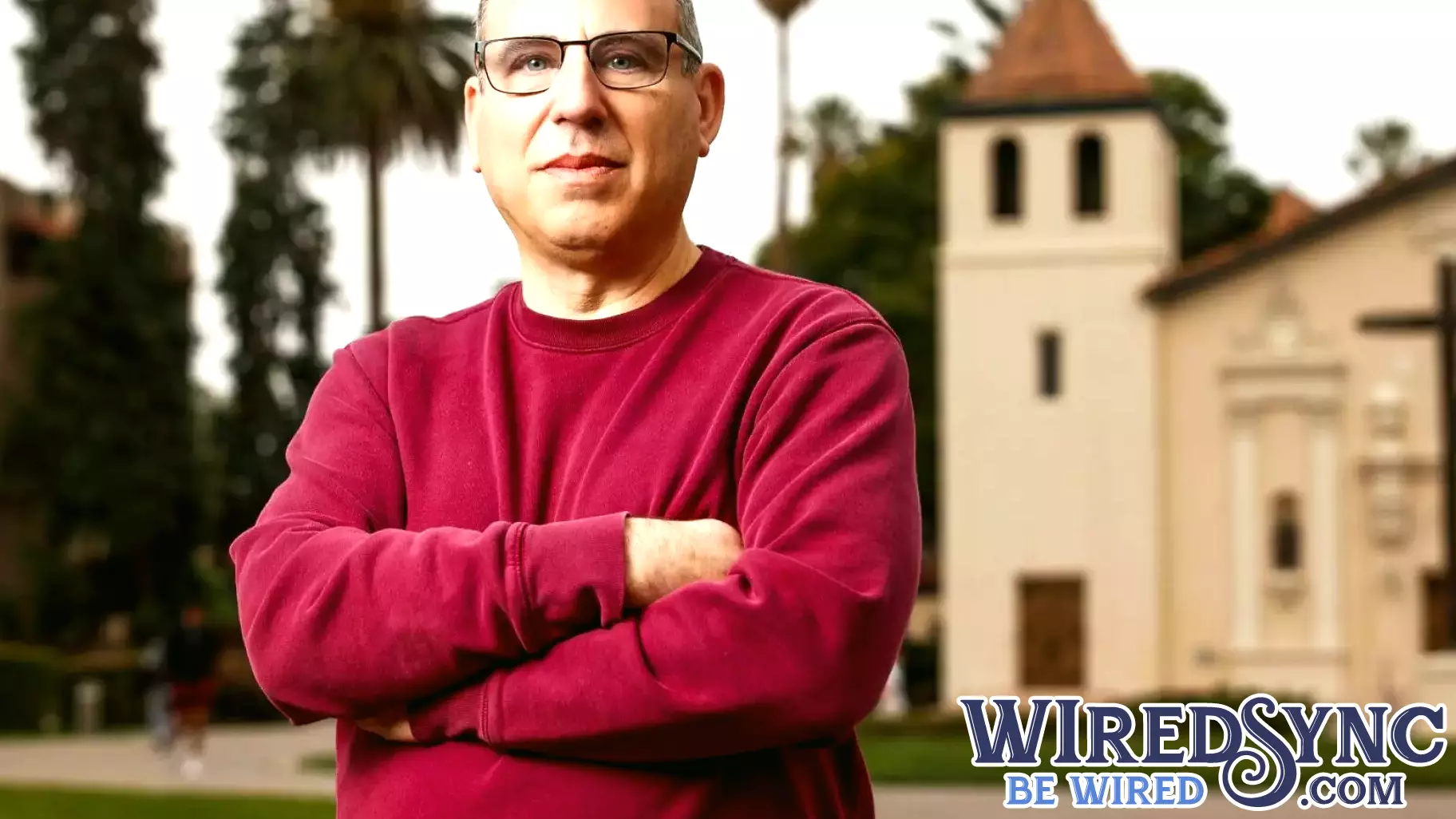
The recent circulation of AI-generated, explicit images of public figures like X's chatbot "Grok" has ignited public outrage and renewed calls for regulation. However, legal experts warn that crafting laws to ban such deepfakes faces a formidable obstacle: the U.S. Constitution.
While widely condemned as offensive and harmful, these fabricated images exist in a complex legal gray area. The First Amendment's robust protection of free speech, even when unsavory, creates a high bar for any government restriction. Potential laws must carefully navigate protections for parody, satire, and commentary to avoid being struck down in court.
Furthermore, the legal landscape is complicated by existing precedents. Past Supreme Court rulings have often extended protections to distasteful or false speech, emphasizing that the government cannot be the arbiter of truth. Any new statute targeting deepfakes would need to be narrowly tailored to address specific, provable harms like defamation or targeted harassment, rather than banning categories of content outright.
This creates a significant challenge for lawmakers. The public demand for action against non-consensual, AI-generated imagery is clear, but any legislative response must be precisely engineered to survive constitutional scrutiny. The path forward requires balancing the urgent need to protect individuals from digital exploitation with the foundational principles of free expression enshrined in American law.
MORE NEWS

July 22, 2026 - 08:55
New Mexico makes progress to become quantum technology hubNew Mexico is pouring millions of dollars into its bid to become a leading center for quantum technology, and state officials say the effort is showing real results. Quantum technology, which uses...

July 21, 2026 - 18:54
Special Delivery: Drone Technology in Our StateLouisiana is positioning itself as a leader in welcoming new and emerging technologies. From Waymos learning the streets of New Orleans, to space satellites delivering high speed internet to rural...
July 21, 2026 - 10:02
AI Predicts Subway Door Accidents with 97% Accuracy Using Single Camera FrameA new artificial intelligence system promises to prevent subway door entrapment accidents by predicting risky passenger behavior before it happens. The technology analyzes a single frame from...

July 20, 2026 - 23:48
Netflix exec: All employees should aspire to 'AI fluency'Netflix`s chief technology officer, Elizabeth Stone, has made it clear that understanding artificial intelligence is no longer optional for anyone working at the streaming giant. In a recent...