AI Chatbots as Health Assistants: What to Expect in 2027
20 April 2026
The year is 2027, and the world of healthcare has undergone a transformative shift. Artificial Intelligence (AI) chatbots have emerged as essential health assistants, revolutionizing the way we interact with our health systems. But what does this mean for you, the everyday user? Let’s take a stroll down this futuristic lane, exploring the potential of AI chatbots in healthcare and what you can expect in the coming years.
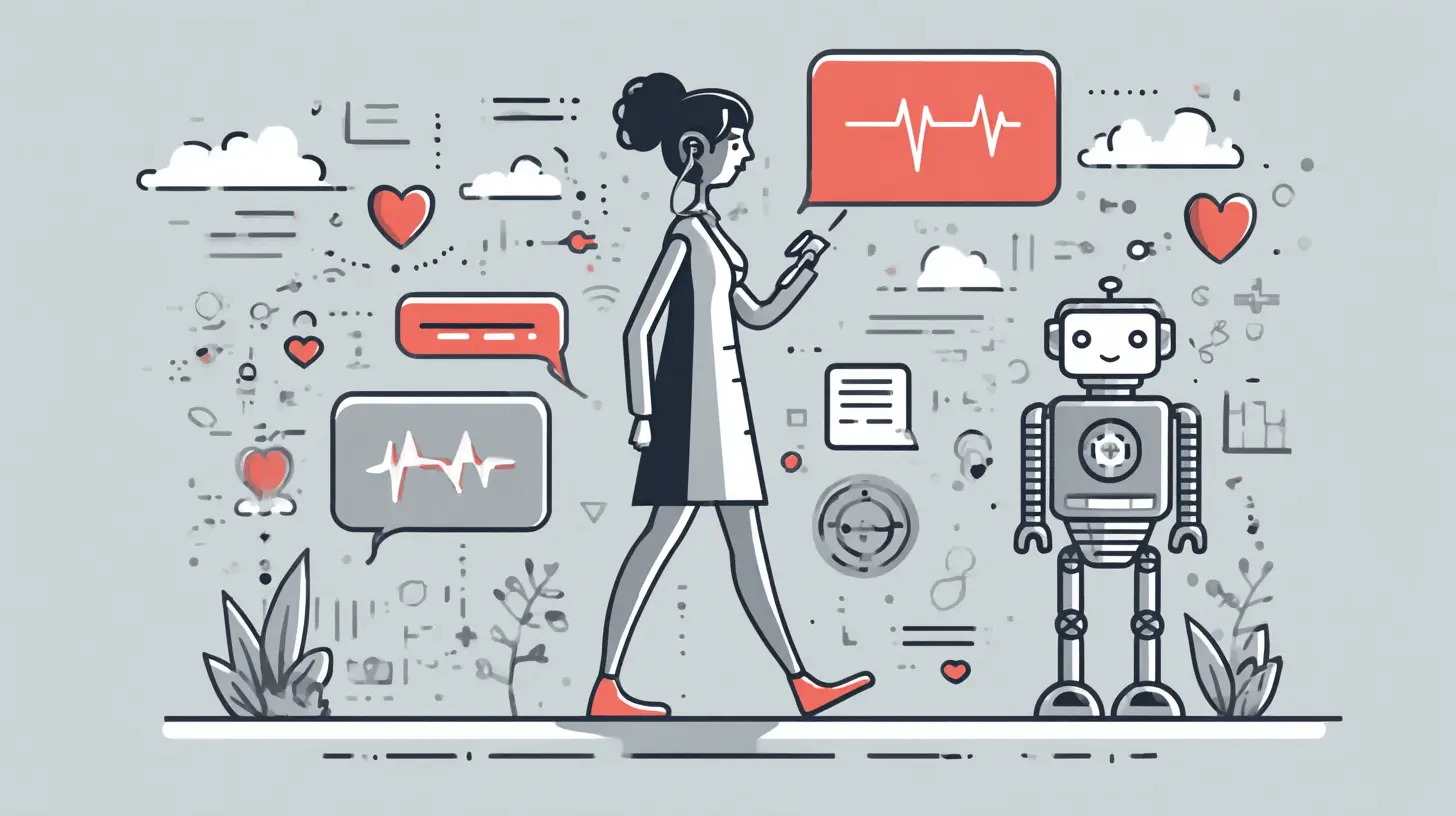
The Rise of AI in Healthcare
A Quick Glance at AI’s Journey
Before we dive into the specifics of chatbots, let’s take a moment to appreciate how we arrived at this point. Just a decade ago, the concept of AI in healthcare was more of a science fiction fantasy than a reality. From diagnosing diseases to predicting patient outcomes, AI technologies have gradually seeped into various facets of healthcare. And now, with chatbots at the forefront, we’re stepping into a new realm of convenience.Why Chatbots?
So, why the fuss over chatbots? Imagine having a friendly, knowledgeable assistant available 24/7, ready to answer your health queries. That’s the beauty of AI chatbots. They provide instant responses, guide you through symptoms, and even help schedule appointments. Plus, they can do this without the fatigue or limitations that human assistants might face. Sounds appealing, right?
The Role of AI Chatbots in Healthcare
1. Symptom Assessment
AI chatbots will play a crucial role in symptom assessment. Picture this: you wake up feeling under the weather and aren’t sure if you need to see a doctor. Instead of Googling your symptoms and spiraling into panic, you can chat with an AI-powered health assistant. They’ll ask you questions about your symptoms, analyze your responses, and provide appropriate guidance. It's like having a mini-doctor in your pocket!How It Works
These chatbots use advanced algorithms and machine learning to evaluate your symptoms. They’re trained on vast datasets, allowing them to recognize patterns and make educated guesses about potential health issues. While they won’t replace a real doctor, they can offer valuable preliminary insights, helping you decide on your next steps.2. Medication Management
One of the most significant challenges in healthcare is medication adherence. Many people forget to take their medications, leading to complications and worsening health conditions. Enter the AI chatbot. In 2027, these digital companions will remind you when to take your meds, track your prescriptions, and even provide information on possible side effects.Personalization at Its Best
Imagine your chatbot sending you a gentle nudge in the morning, reminding you to take your blood pressure medication while also offering tips on lifestyle changes that could improve your condition. This personalized approach could lead to better health outcomes and a more engaged patient experience.3. Mental Health Support
In a world where mental health awareness is growing, chatbots are stepping in to lend a helping hand. They provide immediate support, offering resources and coping strategies right when you need them. Whether you’re feeling anxious or depressed, having a chat with your AI assistant can be a comforting experience.A Safe Space to Talk
Think of these chatbots as your non-judgmental friend who’s always there to listen. While they can’t replace professional therapy, they can offer support and resources to help you manage your mental well-being. Plus, they’re available anytime — no appointments necessary!4. Health Education
Education is vital in maintaining a healthy lifestyle, and AI chatbots are stepping up to the plate. They can provide you with tailored health information, answer questions about diseases, and even debunk common health myths.Empowering Users
Imagine having a health encyclopedia that fits in your pocket! Whether you want to understand the latest nutrition trends or need advice on exercise, your chatbot can give you reliable information, empowering you to make informed decisions about your health.
Challenges on the Horizon
Data Privacy Concerns
As AI chatbots become increasingly integrated into our healthcare systems, the question of data privacy looms large. How can we ensure that our personal health information remains secure?The Balancing Act
While AI has the potential to revolutionize healthcare, it’s essential to strike a balance between innovation and privacy. By 2027, we hope to see robust regulations that protect patient data while allowing for the development of effective AI solutions.The Human Touch
Another challenge lies in maintaining the human touch. While chatbots are fantastic for immediate assistance, they lack the empathy and emotional connection that human healthcare professionals provide.Bridging the Gap
The key will be finding ways to integrate AI chatbots without losing the compassion that comes from human interaction. A hybrid model, where chatbots handle routine queries while humans address more complex issues, could be the answer.
The Future of AI Chatbots in Healthcare
1. Enhanced Personalization
In 2027, expect AI chatbots to become even more personalized. By utilizing data from wearables, telehealth visits, and user history, these assistants will tailor their responses to your specific needs. This level of customization will enhance patient engagement and promote better health outcomes.2. Improved Interoperability
As healthcare systems continue to evolve, interoperability will become a buzzword. In the future, chatbots will seamlessly connect with various health systems, allowing for smoother communication between patients and providers. Have you ever felt frustrated trying to navigate different patient portals? This future could alleviate that headache.3. Integration with Virtual Reality (VR)
Imagine discussing your health concerns with a chatbot in a virtual reality setting! In 2027, we might see AI chatbots integrated with VR platforms, offering immersive experiences that can make health consultations more engaging and informative.Conclusion: A Healthier Future Awaits
As we look ahead to 2027, it’s clear that AI chatbots will play a pivotal role in transforming healthcare as we know it. By enhancing patient engagement, providing personalized support, and ensuring easy access to health information, these digital assistants are set to make a positive impact on our lives.So, the next time you think about your health, remember that a friendly AI chatbot could be just a message away, ready to assist you on your journey toward better health.
all images in this post were generated using AI tools
Category:
Tech In HealthcareAuthor:

Michael Robinson
Discussion
rate this article
2 comments
Sabrina McClain
As AI chatbots evolve, expect them to enhance personalized healthcare by providing real-time support, symptom analysis, and medication reminders, ultimately improving patient outcomes and access to medical information by 2027.
April 28, 2026 at 12:36 PM
Michael Robinson
Absolutely! The integration of AI chatbots in healthcare could revolutionize patient interactions and streamline access to vital information. Exciting times ahead.
Kian McAdoo
Exciting insights! Looking forward to seeing how AI transforms healthcare!
April 22, 2026 at 2:36 AM
Michael Robinson
Thanks for the enthusiasm! AI's potential in healthcare is truly thrilling, and I can't wait to see what the future holds.