AI Tools That Will Transform Multimedia Production by 2026
19 April 2026
The world of multimedia production is on the verge of a seismic shift. As we look towards 2026, artificial intelligence (AI) is set to revolutionize how we create, edit, and distribute multimedia content. Whether you're a seasoned filmmaker, a budding YouTuber, or a marketer, the tools powered by AI promise not only to enhance creativity but also streamline the entire production process. So, buckle up! We're about to dive deep into the transformative power of AI tools in multimedia production.
Understanding the Current Landscape of Multimedia Production
Before we jump into the specifics of AI tools, let’s take a moment to understand where we stand today. Multimedia production encompasses a wide array of formats including videos, podcasts, graphics, and interactive content. Traditionally, this process has relied heavily on human creativity, technical skills, and often, a hefty budget.Think about it: how many times have you spent hours perfecting a video edit or struggling with sound quality? The truth is, while we’ve made incredible advancements in technology, the labor-intensive aspects of production can be a massive bottleneck.
The Rise of AI: A Game Changer for Creatives
Imagine having a reliable assistant who never tires, works 24/7, and can elevate your work to a whole new level. That’s what AI tools promise to be for multimedia creators. By 2026, we can expect these tools to not just augment our capabilities but redefine the entire production workflow.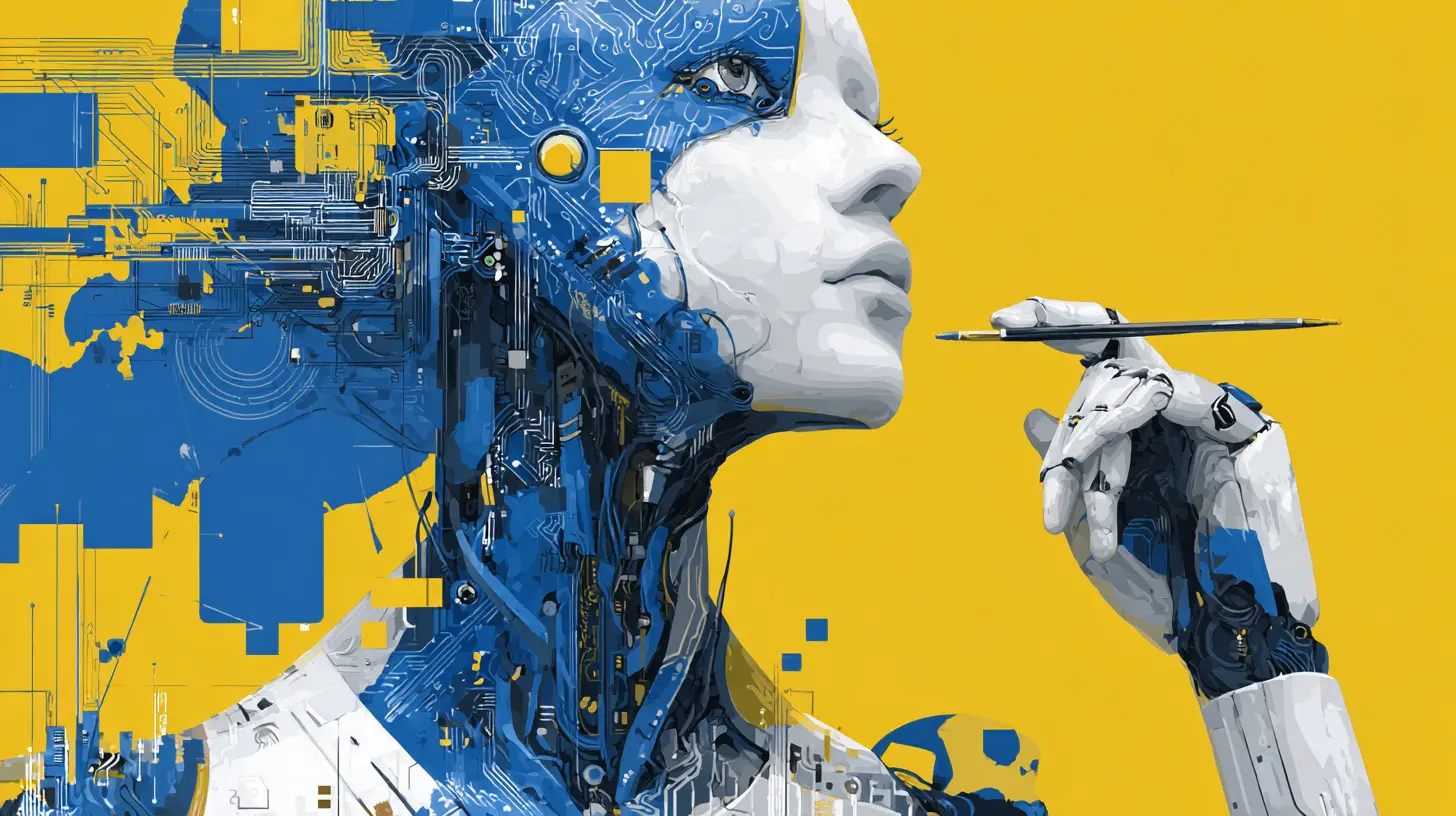
1. AI in Video Editing
Video editing has always been a labor of love, but what if you could reduce editing time from hours to mere minutes? Enter AI-powered video editing tools. These tools can analyze footage, recognize patterns, and even suggest edits.Smart Editing Features
Consider tools like Adobe Premiere Pro with its AI-driven feature called Adobe Sensei. This technology can automate mundane tasks like color correction and audio balancing, allowing editors to focus on the creative aspects. Plus, AI can help create highlight reels from hours of footage, saving you time and effort.But it doesn’t stop there! Imagine an AI that can learn your editing style. Over time, it could start making edits that align with your personal touch. Isn’t that mind-blowing?
2. Content Generation and Scriptwriting
Writing scripts for videos or podcasts can be daunting, especially when you’re trying to engage your audience. AI writing assistants are becoming increasingly sophisticated, capable of generating compelling narratives based on keywords or themes you provide.Tools to Watch
- Jarvis: This AI tool can produce high-quality content and is already being used by marketers and creators alike.- ChatGPT: It’s not just for conversation! You can get help brainstorming ideas, structuring scripts, or even generating dialogue that feels authentic.
Imagine having a brainstorming buddy who never runs out of ideas and can help you refine your voice. That’s the future of multimedia content creation.
3. Voiceovers and Audio Production
Gone are the days of hiring voice actors for every project. AI-generated voice technology has made significant strides in recent years, and by 2026, it could be commonplace for creators to use AI for voiceovers and audio production.The Sound of AI
Tools like Descript are now offering features where you can edit audio as easily as you edit text. You can remove filler words, adjust pacing, and even generate voiceovers in different styles and tones.What’s exciting is the capability to create entirely new voices that can match your brand’s tone. You could even have a voice that evolves with your projects, giving you a unique auditory identity.
4. Graphic Design and Visual Effects
Graphic design often requires a particular artistic flair, but what if AI could assist in this realm too? AI-driven design tools can help both seasoned designers and novices create visually stunning graphics without breaking a sweat.Revolutionizing Design
Platforms like Canva are integrating AI features that suggest layouts, color schemes, and even image selections that fit the desired aesthetic.Let’s not forget about visual effects (VFX). With AI, the time it takes to create complex VFX can be significantly reduced. Imagine AI suggesting the best effects based on the mood and tone of your video. It’s like having a digital artist at your fingertips!
5. Social Media Management and Distribution
Creating multimedia content is just one piece of the puzzle. Distributing that content effectively can often feel like trying to solve a Rubik’s cube blindfolded. This is where AI can help by analyzing audience data and optimizing posting schedules.Smart Distribution Tools
Consider tools like Buffer or Hootsuite, which are already using AI to recommend the best times to post or the types of content that will engage your audience the most.By 2026, we can expect AI to create a seamless integration between content creation and distribution, ensuring that your work gets the visibility it deserves.
6. Personalization and Audience Engagement
Personalization is key in today’s content landscape. Audiences crave content that speaks to them directly. AI can analyze user behavior and preferences to tailor multimedia content in real-time.Enhancing Engagement
Imagine an AI tool that adjusts the narrative of your video based on who’s watching it. It could suggest different cuts or even customize the script to resonate better with specific demographics. Talk about a tailored experience!7. Overcoming Creative Blocks
Every creator knows that dreaded feeling of creative block. The good news? AI can help combat that! Tools are being developed that can prompt you with ideas, themes, or even visual styles, helping to spark your creativity when you need it the most.Inspiration at Your Fingertips
Consider AI platforms like Artbreeder, which allows you to mix and match images to create new visuals. This kind of experimentation can lead to breakthrough ideas you might not have considered otherwise.8. Ethical Considerations and Challenges
While the benefits of AI in multimedia production are immense, it’s essential to acknowledge the ethical considerations that come with it. As we integrate AI deeper into our creative processes, questions about originality, copyright, and the role of human creators will arise.Navigating the Ethical Landscape
How do we ensure that AI-generated content is authentic and doesn’t infringe on the creativity of human artists? As creators, we must find a balance between leveraging AI and maintaining our unique voices.9. Preparing for the Future
As we approach 2026, it’s vital for creators to stay informed and adaptable. AI tools are evolving rapidly, and those who embrace these changes will likely find themselves at the forefront of the multimedia production landscape.Embrace the Change
So, how can you prepare? Start by experimenting with existing tools. Find out what resonates with your workflow and enhances your creativity. Don’t be afraid to step outside of your comfort zone.Conclusion
The landscape of multimedia production is changing, and AI is leading the charge. From simplifying video editing to generating engaging scripts and even personalizing audience experiences, the tools at our disposal will empower creators like never before.As we head towards 2026, it’s clear that those who adapt to these innovations will thrive. So, are you ready to embrace the future of multimedia production? It’s going to be an exciting ride!
all images in this post were generated using AI tools
Category:
Multimedia ProductionAuthor:

Michael Robinson
Discussion
rate this article
2 comments
Niva Clarke
AI tools will revolutionize multimedia efficiency and creativity.
April 26, 2026 at 10:14 AM
Michael Robinson
Absolutely! The potential of AI in multimedia is immense, and we're only beginning to see its impact on creativity and efficiency. Exciting times ahead!
Mandy McGivern
Great insights! Exciting to see how AI is revolutionizing multimedia production. It’ll be fascinating to witness the creative possibilities that emerge by 2026. Can't wait to see what innovative tools come next!
April 26, 2026 at 4:02 AM
Michael Robinson
Thanks for your enthusiasm! The next few years will definitely bring some amazing tools and creativity in multimedia production. Exciting times ahead!