How Virtual Reality is Empowering Remote Work in the Digital Age
4 December 2025
Let’s be real—remote work isn’t just a trend. It’s a full-blown revolution. But while working from home has been freeing in so many ways, it still comes with its fair share of challenges: feeling isolated, miscommunication, struggling with collaboration, endless Zoom fatigue... we’ve all been there.
Now, enter Virtual Reality (VR). Yep, that thing you thought was only for playing video games or exploring fantasy worlds is starting to completely reshape how we work from anywhere. It's no longer just about lounging in pajamas while firing off emails. VR is helping us step into virtual offices, brainstorm with colleagues across the globe, attend life-like meetings, and even present in front of virtual crowds. Wild, right?
Let’s dive into how VR is empowering remote work in the digital age—and why this technology might just be the secret sauce to making remote work feel a whole lot more human.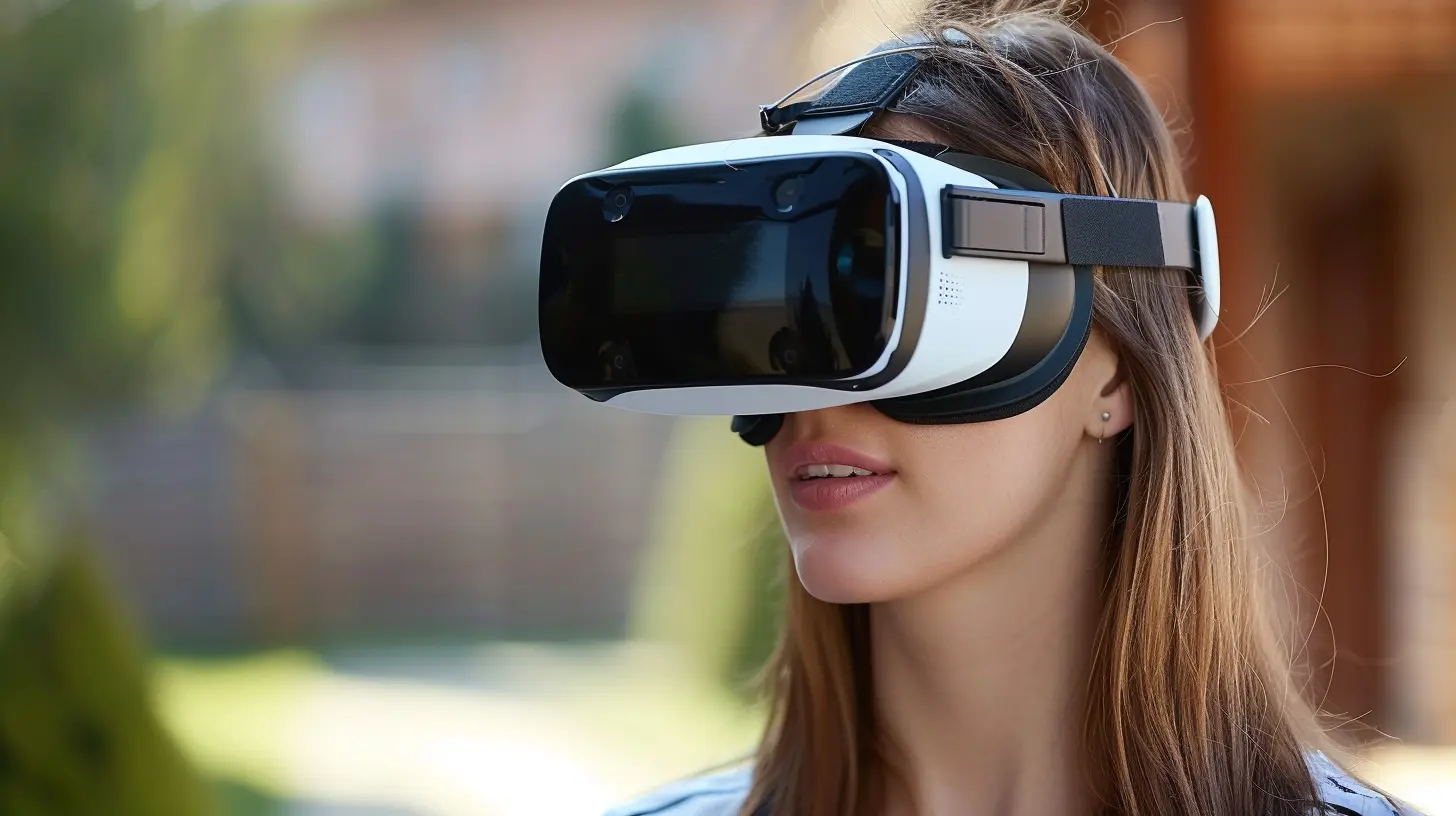
The Rise of Remote Work: A Quick Look Back
Before we dig into the techy side of things, let’s rewind a bit.Remote work used to be a rare perk—something only a few companies offered. Fast forward to 2020, and boom, the pandemic accelerated a worldwide shift. Suddenly, millions were working from bedrooms, kitchens, and occasionally, closets. Employers realized that people could actually be productive outside of the office, and workers loved the flexibility.
But as the months dragged on, new challenges popped up. Collaboration started to feel clunky. Communication lost that natural flow. And many employees began to feel disconnected. That’s where VR steps in—not to replace what we had, but to improve what we’ve built.
So, What Exactly Is Virtual Reality?
In simple terms, Virtual Reality is a computer-generated environment that you can explore and interact with in a seemingly real or physical way using specialized equipment like VR headsets and motion controllers.Think of it like this: instead of staring at your coworkers through a Brady-Bunch-style video call grid, you “enter” a shared virtual workspace. You’re represented by avatars, you can walk around, point at things, use whiteboards, high-five a teammate halfway across the globe—basically, you show up in the digital world just like you would in a real office.
And no, it’s not science fiction anymore. This is happening right now… and it’s transforming the workplace at lightning speed.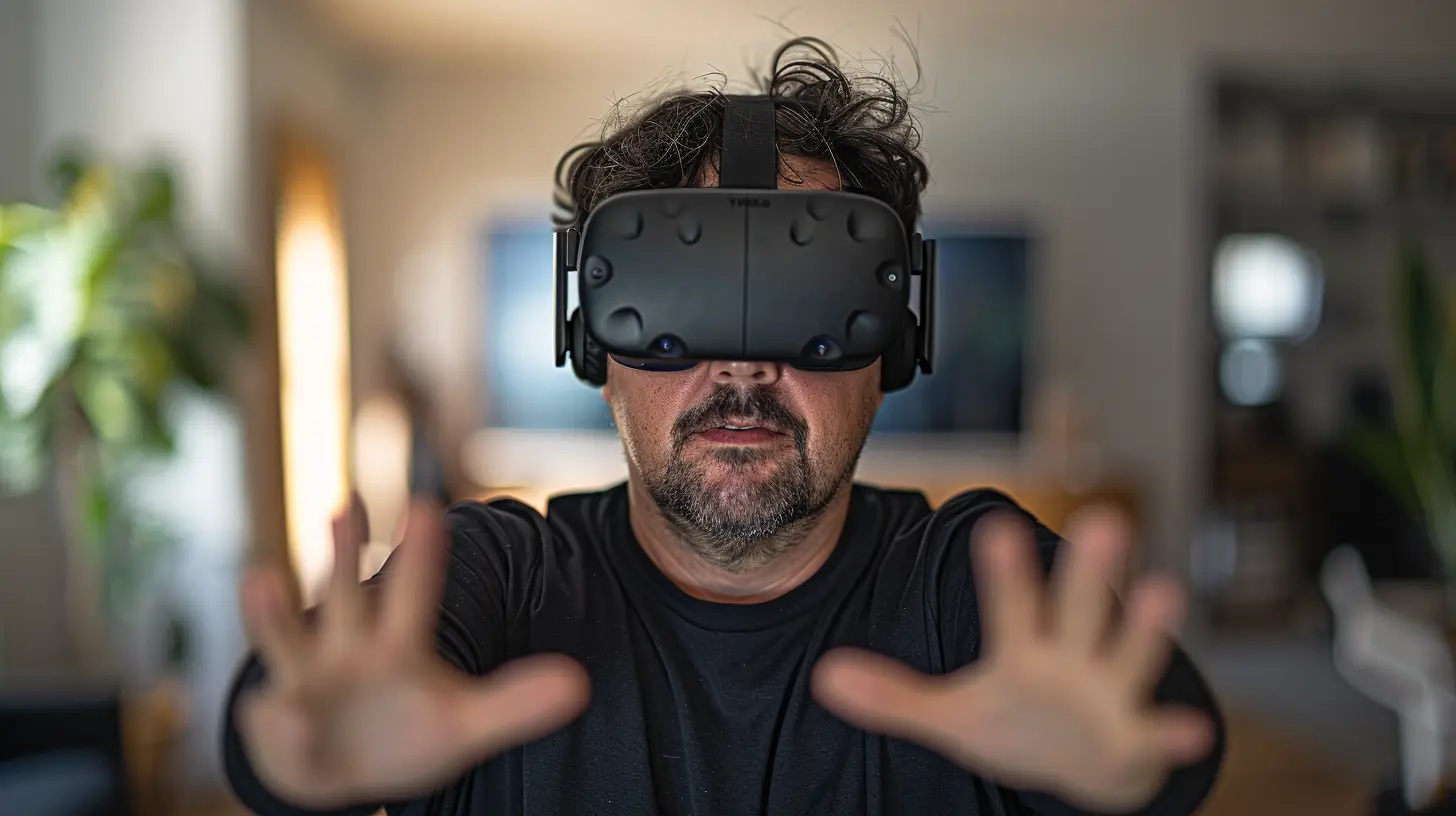
Bridging the Gap: Why VR Is a Game-Changer for Remote Work
1. Real-Time Collaboration that Feels Natural
You know how collaboration in video calls can feel... stiff? You're muted, someone's talking over someone else, and if you try to brainstorm, it's a nightmare. VR flips that dynamic.In a VR office, you can sit "next to" your coworker, chat in real-time, and bounce ideas off each other naturally. You can walk up to a whiteboard and sketch some quick notes. This 3D space mimics a real-world setup so well, it almost tricks your brain into forgetting you're still at home in your slippers.
2. Immersive Meetings with Real Presence
Presence is key in any conversation. In regular video calls, you get faces in boxes. In VR, you get spatial audio (where the person’s voice comes from their virtual location), eye contact, body language, and real-time gestures. These small details make meetings feel much more authentic and engaging.And because you’re immersed, you're less likely to multitask or get distracted—bye, open Slack chats and sneaky email reading.
3. Breaking Down Global Barriers
Got team members in New York, London, and Tokyo? No problem. In VR, everyone can gather in the same virtual space in seconds. No flights, no jet lag, no time lost.This global accessibility doesn’t just save money—it fosters better inclusivity and collaboration. Everyone gets a seat at the virtual table.
4. Enhanced Creativity and Innovation
Creativity thrives when people can interact, visually communicate, and build together. Traditional remote tools can stifle that spark. But VR reignites it.Need to design a product mockup together? You can co-create 3D models in real-time. Want to brainstorm? Jump into a virtual creative studio where you scribble, model, and build your ideas—just like in person, but maybe even better.
5. Training and Onboarding Like Never Before
Training remote employees has always been tricky. Reading manuals or watching videos just doesn’t cut it. With VR, you can walk new hires through a fully interactive training experience.Imagine onboarding a new warehouse staff member by letting them explore a replica of the warehouse in VR. They learn hands-on, without risk. It’s faster, cheaper, and way more effective.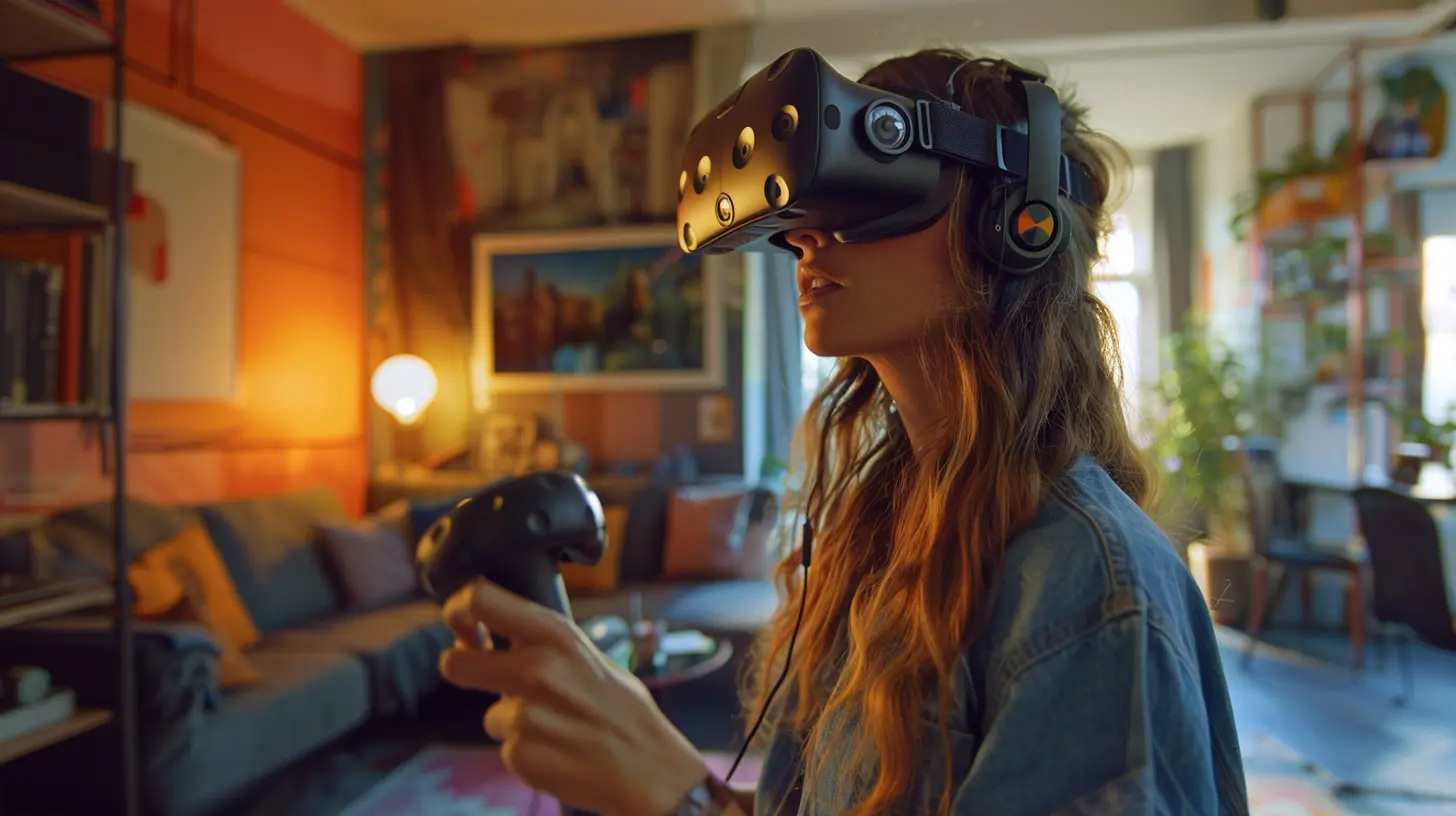
Top VR Platforms Powering Remote Work
There’s no shortage of VR tools helping teams stay connected and productive. Here are a few making waves right now:- Meta Horizon Workrooms – A collaborative workspace for VR meetings, offering whiteboards, video integration, and avatar interactions.
- Spatial – Tailored more for creative industries, allowing for stunning 3D presentations and teamwork.
- Glue – Focuses on team collaboration with virtual whiteboards, post-it notes, and immersive breakout rooms.
- Engage – Popular in education and business, letting teams build custom environments for events, meetings, and training.
- Mozilla Hubs – An open-source VR platform that’s great for lightweight meetups and doesn’t demand expensive hardware.
Each platform has its strengths, and there's a growing eco-system, meaning teams can choose the one that fits their workflow best.
Hardware: What You Need to Jump into VR
Alright, let’s talk gear. If you’re gonna hop into the metaverse, you need the right tools.- Headsets: Devices like the Meta Quest 2, HTC Vive, or Valve Index offer immersive experiences with motion tracking and spatial audio.
- Controllers: These let you interact with your digital environment—grab objects, draw on whiteboards, type on virtual keyboards.
- PC or Standalone Setup: Some headsets are plug-and-play, while others need a powerful PC. Thankfully, standalone VR headsets are getting better and more affordable.
Worried about cost? Don’t be. The prices are dropping, and companies are starting to provide VR kits as part of remote work packages.
Real-World Examples: Companies Making It Happen
You might be wondering, “Okay, but who’s actually doing this stuff?”Plenty of big names are already on board:
- Accenture equipped over 60,000 employees with VR headsets for virtual training and collaboration.
- Microsoft is integrating its Teams app with Mesh, a mixed-reality platform that adds holograms and avatars for richer remote experiences.
- PwC used VR to train employees and found students learned four times faster and were 3.75 times more emotionally connected.
And these are just the tip of the iceberg. Startups, schools, non-profits—they’re all exploring VR to enhance remote interactions.
Challenges of VR in the Remote Work World
Now, let’s keep it real—VR isn’t perfect. There are a few bumps in the road:- Cost and Accessibility: Not everyone can afford a headset yet.
- Tech Learning Curve: Some employees might find it intimidating to navigate VR platforms.
- Motion Sickness: Yup, it's a thing for some people, but newer hardware is reducing this issue significantly.
- Battery Life and Setup: VR gear can be a little needy—you’ll want to make sure things are charged and connected properly.
Still, these obstacles are shrinking fast. As the tech gets sleeker, cheaper, and easier to use, VR’s potential in remote work will only grow.
The Future of Work: What’s Next for VR?
We’re just scratching the surface. The future of remote work isn’t about choosing between physical or remote—it’s about blending the best of both worlds. Hybrid offices. Digital twins of real spaces. Real-time collaboration with AI-powered avatars.Imagine walking into a virtual HQ that mirrors your actual corporate HQ. Attending a company-wide meeting with thousands of participants, all "present" in the same space. Or using VR wearables to track productivity, encourage better posture, or even reduce stress via calming environments.
And VR won’t be working alone. Combined with Augmented Reality (AR), Artificial Intelligence (AI), and 5G, we’re talking about a fully immersive, highly personalized remote work experience that rivals—and maybe even surpasses—traditional office life.
Final Thoughts: Is VR the Cure for Remote Work Woes?
Absolutely. While it won’t solve every problem, Virtual Reality is reshaping how we connect, collaborate, and create in a digital world. It brings back the nuance and human touch that often gets lost in remote communication.The tools exist. The platforms are maturing. The demand is skyrocketing. If you’re a business leader, employee, or freelancer—now’s the time to pay attention. The way we work is evolving, and VR is leading the charge.
So don’t just watch from the sidelines. Strap on that headset—and step into the future of work.
all images in this post were generated using AI tools
Category:
Virtual RealityAuthor:

Michael Robinson
Discussion
rate this article
2 comments
Aaron McFarlane
Virtual reality is transforming remote work by fostering collaboration and connection, bridging physical distances, and enhancing productivity. Embracing this technology can reshape our understanding of teamwork in the digital age.
December 12, 2025 at 1:44 PM
Michael Robinson
Absolutely! Virtual reality is indeed revolutionizing remote work, enabling seamless collaboration and redefining teamwork for a more connected and productive digital landscape.
Aleta McVeigh
This article effectively highlights the transformative role of virtual reality in enhancing remote work experiences. By bridging communication gaps and fostering collaboration, VR is not just a novelty but a powerful tool that can reshape how we connect and work in a digital landscape.
December 4, 2025 at 11:57 AM
Michael Robinson
Thank you for your thoughtful comment! I'm glad you found the article highlights the significant impact of virtual reality on remote work and collaboration.