Exploring the Latest Features in Mirrorless Cameras
5 February 2026
Mirrorless cameras have taken the photography world by storm. Whether you're a seasoned pro or someone who's just breaking into the world of photography, you’ve probably heard about these compact wonders. These aren't just trimmed-down versions of DSLRs — they’re fully loaded, cutting-edge tools that are changing how we capture the world.
So, what’s all the fuss about? Why are photographers ditching the mirror in favor of the latest mirrorless systems? That’s exactly what we’re diving into. From blazing-fast autofocus to AI-powered smart features, we’re unpacking everything that’s hot and new in the mirrorless camera scene.
Let’s get clicking, shall we?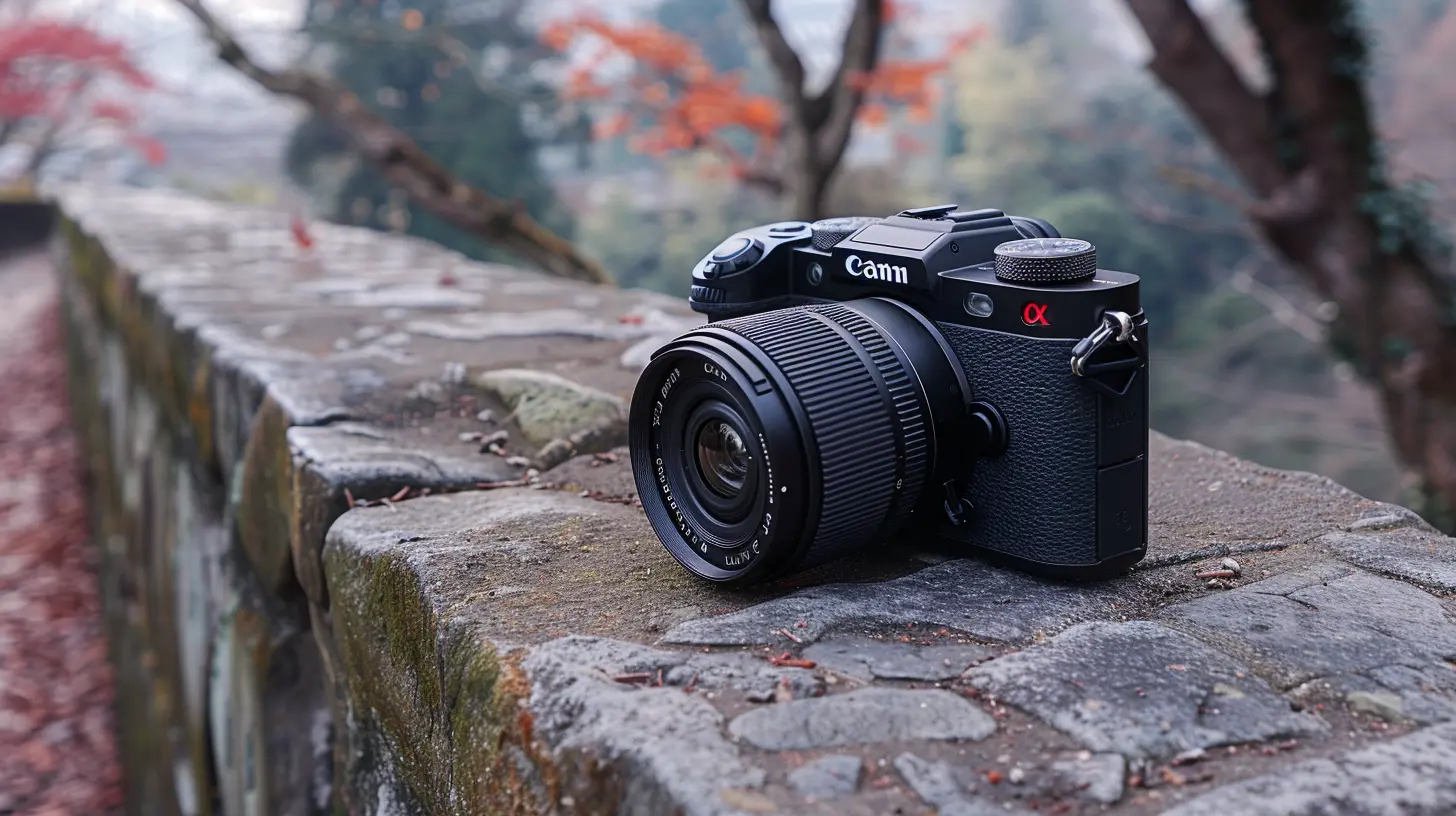
Why Mirrorless Cameras Are Stealing the Spotlight
Let’s kick things off with the big picture.Traditional DSLR cameras use a mirror mechanism to reflect light from the lens up into an optical viewfinder. It’s old-school, mechanical, and reliable — sure. But it also makes the camera bulky, heavy, and somewhat sluggish when it comes to high-speed shooting.
Enter mirrorless cameras. These slick machines ditch the mirror entirely and use an electronic viewfinder (EVF) instead. This makes the entire system lighter, faster, and way more versatile. And with recent tech advancements, they’re now not just matching DSLRs in performance — they’re often beating them.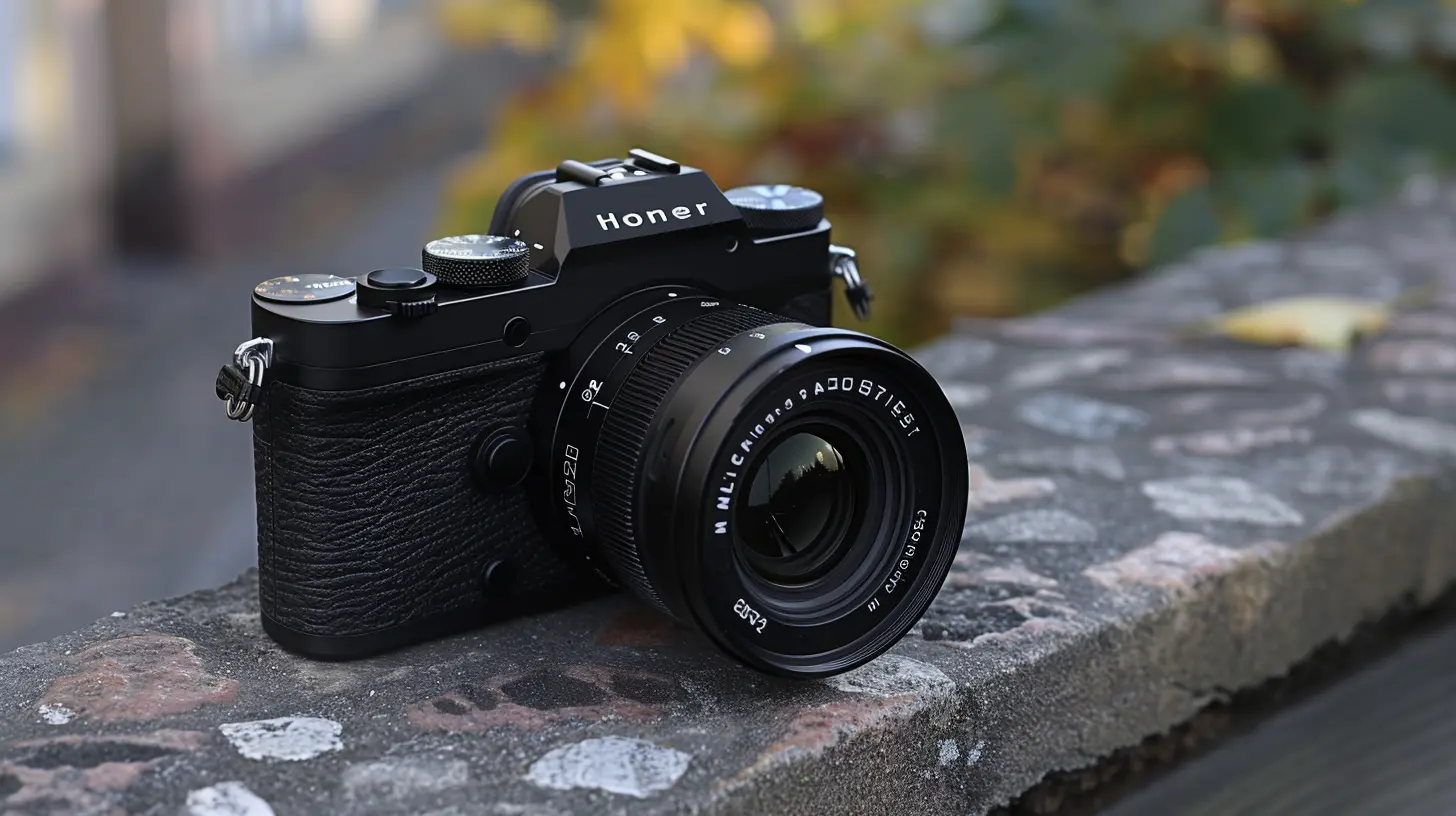
1. Next-Gen Autofocus: It’s Like Having a Brain Inside
The autofocus (AF) capabilities in today’s mirrorless cameras are absolutely insane — in a good way.Eye AF & Face Detection
Modern mirrorless cameras use AI-driven Eye AF to lock focus on a subject’s eye — even when they’re moving. Portrait photographers, rejoice! You don’t have to lose a killer shot because someone blinked or turned their head.Some of the latest models can even distinguish between human and animal eyes. Yep, your camera can now track your dog’s eye across the park — no joke.
Real-Time Tracking
It gets even better. These systems offer real-time tracking across the entire frame, not just fixed AF points. That means your subject stays sharp, no matter where it moves in the viewfinder. Whether you’re shooting a skateboarder mid-flip or a bride walking down the aisle, your camera’s on it like white on rice.
2. Image Stabilization: Say Goodbye to Blurry Shots
In the past, if you wanted image stabilization, you’d have to rely on lenses that had it built-in. Now? Many mirrorless cameras come with in-body image stabilization (IBIS). It’s like having a shock absorber inside your camera.We’re talking up to 8 stops of stabilization in some models — that’s huge. You can shoot handheld in low light or capture smooth video footage without needing a gimbal. It’s game-changing, especially for travel and street photographers who want to pack light.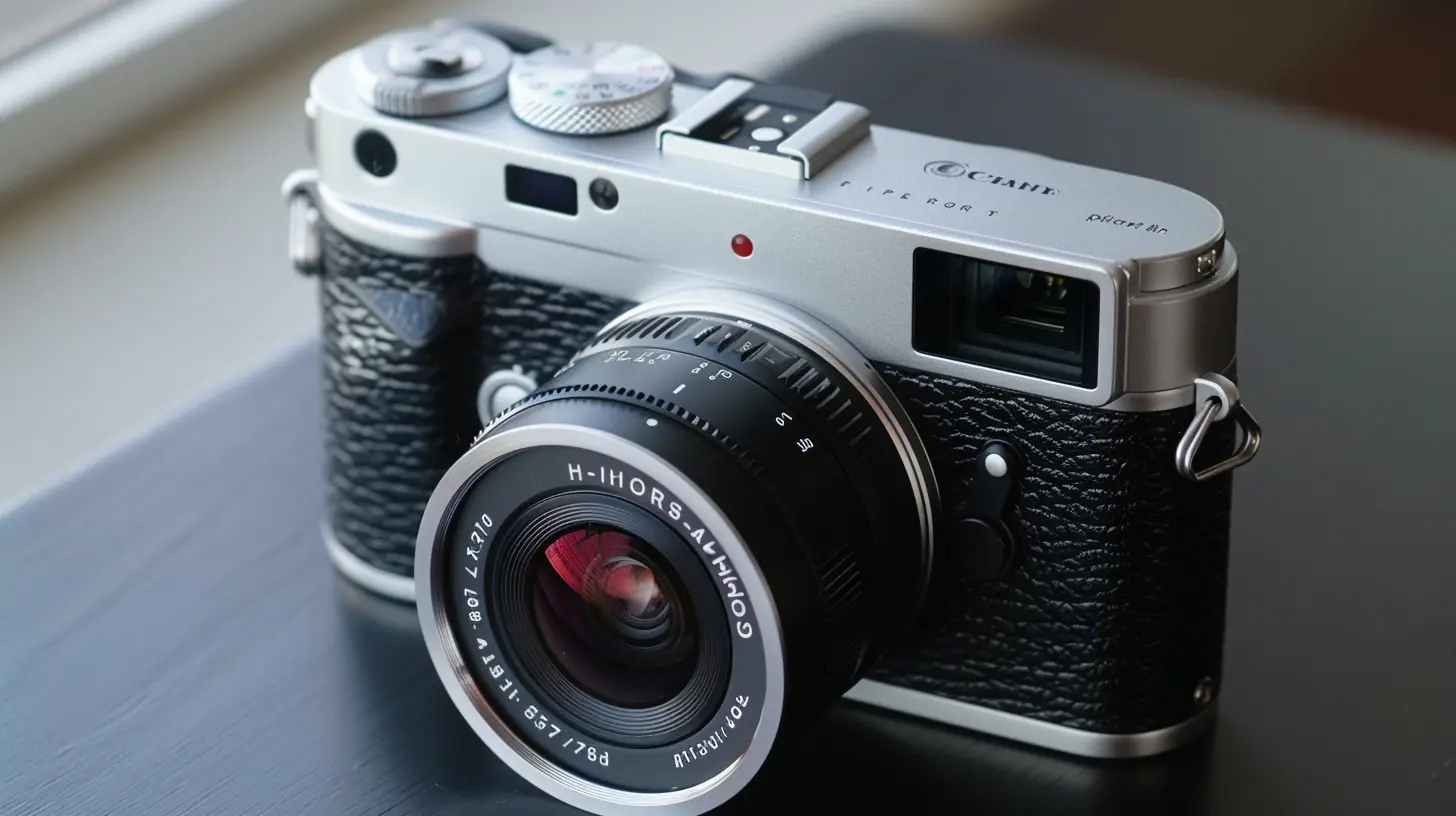
3. High-Speed Shooting: Blink and You Might Miss It
Mirrorless cameras are now speed demons.Thanks to their electronic shutters and lack of mechanical parts, these cameras can shoot at insane burst rates — 20, 30, even 60+ frames per second in some cases. That’s faster than your eye can blink.
For sports, wildlife, or any fast-paced action, this is pure gold. You can capture the exact moment a bird takes flight or a soccer player scores the winning goal — with zero lag.
Oh, and did I mention silent shooting? That’s right. Mirrorless cameras can shoot silently, which is perfect for weddings, wildlife, and other sensitive environments.
4. Electronic Viewfinders: What You See Is What You Get
Remember how frustrating it was to take a picture, only to realize the exposure was all wrong?That’s a thing of the past with EVFs in mirrorless cameras. These viewfinders show you the exact result you’ll get before you press the shutter. You’re essentially previewing your final shot in real-time — exposure, white balance, depth of field, everything.
And modern EVFs are no joke. With ultra-high resolutions and fast refresh rates, they’re buttery smooth and crystal clear. It's like upgrading from VHS to 4K.
5. Compact Yet Powerful: Small Body, Big Features
Size really does matter — especially when you're lugging around a camera all day.Mirrorless cameras are significantly smaller and lighter than their DSLR counterparts. But make no mistake — they don’t skimp on power. Inside these smaller bodies, you’ll find full-frame sensors, dual card slots, and more dials and customization than you can shake a stick at.
This form factor makes them ideal for travel, street photographers, vloggers, and anyone who values portability without compromising on image quality.
6. Video Capabilities: A Filmmaker’s Dream
Mirrorless cameras aren't just for stills anymore. They’re now some of the most capable video tools on the market.4K, 6K, and Even 8K Video
Most new models support 4K video recording, but some high-end ones go all the way to 6K and 8K. That’s cinema-grade resolution, folks.Log Profiles & 10-bit Color
Serious about color grading? Many mirrorless cameras now offer internal 10-bit recording and support for log color profiles. This gives filmmakers a ton of flexibility in post-production.Built-In Mic Inputs and Articulating Screens
Vloggers love mirrorless cameras for their combination of compact size, flip-out screens, and excellent in-body mics. You don’t need a full crew to create pro-level videos anymore — just a good mirrorless camera and a compelling story.7. Connectivity & Smart Features: Built for the 21st Century
You no longer have to fumble with SD card readers or clunky software to get your photos off your camera.Modern mirrorless cameras are Wi-Fi and Bluetooth-enabled, making it a breeze to transfer images to your phone or laptop. Some even support direct uploads to cloud services and FTP servers.
Want to control your camera remotely? There’s an app for that. You can tweak settings, see a live preview, and trigger the shutter right from your phone.
And some cameras now offer firmware updates via the app — because who has time to plug in cables?
8. AI & Computational Photography: The Future Is Now
Artificial intelligence isn’t just for sci-fi movies anymore. It’s baked right into modern mirrorless cameras.From subject detection to scene recognition, these cameras can intelligently adjust settings on the fly. Some models even feature built-in noise reduction and HDR processing — in the camera, before you even touch a computer.
You could almost say your camera is “thinking” for you. It’s not replacing photography skills, but it’s sure making it easier to get amazing results without a steep learning curve.
9. Lens Ecosystem: More Choices Than Ever
One of the early criticisms of mirrorless cameras was the lack of lenses. Not anymore.All major manufacturers (Sony, Canon, Nikon, Fujifilm, Panasonic) have poured massive R&D into mirrorless lenses. From ultra-wide primes to telephoto zooms, the lens options are now vast and high quality.
Plus, most brands offer adapters that let you use your DSLR lenses on your mirrorless camera. So you can bring your old glass along for the ride.
10. Battery Life & Heat Control: Big Improvements
Let’s be honest — early mirrorless cameras were power hogs, and overheating was a real issue.But not anymore. The latest models are more efficient, with extended battery life that rivals DSLRs. Dual battery grips and USB charging give you multiple ways to keep shooting all day long.
And when it comes to heat? Advanced cooling systems and smarter electronics mean you can now record long 4K sessions without turning your camera into a toaster.
Final Thoughts: Should You Switch to a Mirrorless Camera?
So... is it time to go mirrorless?If you're into speed, portability, and cutting-edge tech — then yeah, absolutely.
Mirrorless cameras are no longer the new kids on the block. They’ve matured into powerful, pro-level machines that cater to everyone — from hobbyists to Hollywood directors. Whether you're shooting portraits, sports, wildlife, vlogs, or cinematic video, there’s a mirrorless system that can match your style.
And with new features being rolled out all the time, it’s clear that the future of photography is mirrorless.
So ask yourself: are you ready to leave the mirror behind?
all images in this post were generated using AI tools
Category:
Digital CamerasAuthor:

Michael Robinson
Discussion
rate this article
2 comments
Oliver Harris
Mirrorless magic: redefining photography one feature at a time!
March 5, 2026 at 12:59 PM
Michael Robinson
Thank you! Mirrorless cameras truly are transforming the photography landscape with their innovative features.
Raven McCabe
Great overview of the latest mirrorless camera features! I appreciate how you highlighted the impact on photography quality. A comparison of specific models would be helpful for readers considering upgrades!
February 10, 2026 at 4:54 AM
Michael Robinson
Thank you for your feedback! I’ll definitely consider including model comparisons in future articles to assist readers in their upgrade decisions.