Floating Wind Farms: Tapping into Offshore Energy Potential
1 August 2026
When we think of renewable energy, our minds often jump to solar panels dotting rooftops or wind turbines standing tall on land. But what if I told you that some of the most promising wind energy is out at sea? Enter floating wind farms—an innovative solution that harnesses the power of offshore winds, offering a game-changing path toward sustainable energy. Curious about how it all works? Let’s dive right in.
What Are Floating Wind Farms?
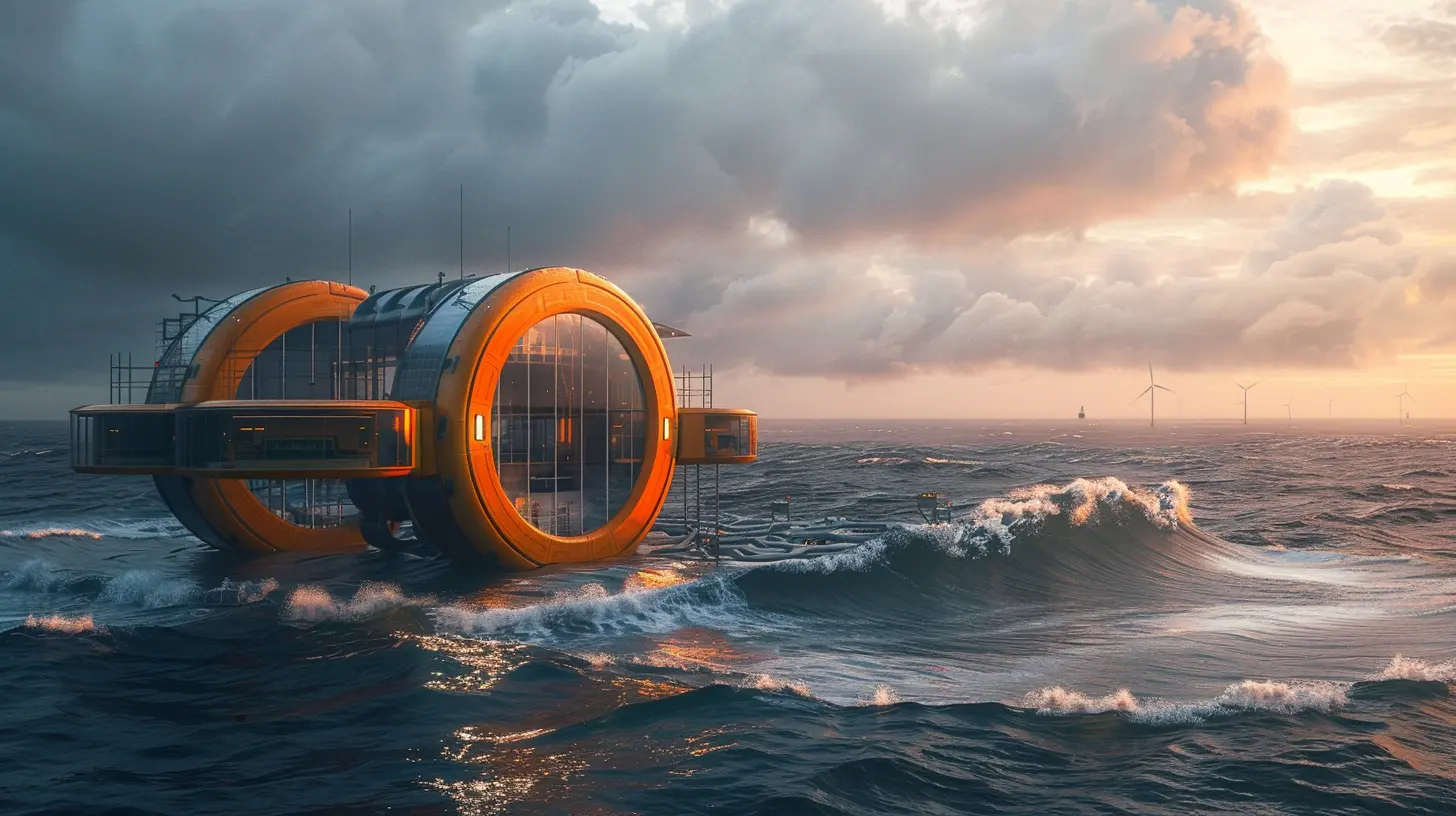
Before we get too deep into the technical weeds, let’s take a moment to clarify what a floating wind farm actually is. Unlike conventional wind farms, which anchor turbines to the seabed, floating wind farms are, well, exactly what they sound like—wind turbines that float on the ocean’s surface. They’re tethered to the seabed using mooring systems, but the turbines themselves rest on floating platforms that allow them to operate in much deeper waters.Why Go Offshore?
You might be thinking, "Why bother going out to sea when we can just put turbines on land?" That’s a fair question. The answer lies in the wind itself. Offshore winds tend to be stronger and more consistent than their onshore counterparts, which means they can generate more electricity. Plus, by positioning turbines far from the coast, floating wind farms avoid some of the common complaints about land-based turbines, like noise and visual impact. Essentially, we're tapping into a far greater, less intrusive energy source.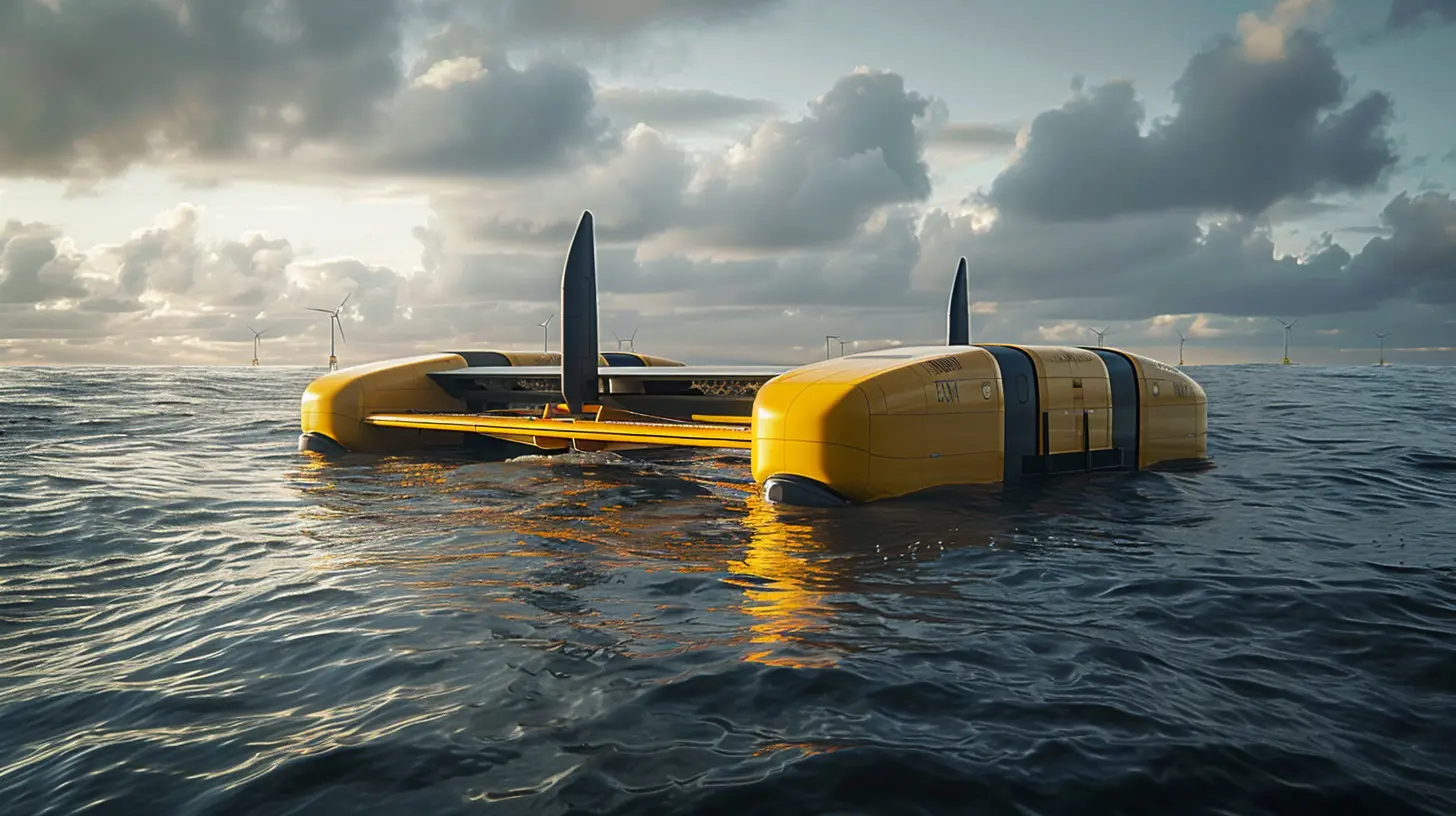
How Do Floating Wind Farms Work?
Now, let’s break it down. Imagine a floating wind turbine as a huge, futuristic windmill that’s been set adrift in the middle of the ocean. Here’s how the process works, step by step:1. The Floating Platform: The turbine sits atop a floating platform, which could be made of steel or concrete. Designs vary, but common types include spar-buoy platforms, semi-submersible platforms, and tension leg platforms. These structures are designed to remain stable even in rough sea conditions.
2. Mooring System: The platform is anchored to the seabed using mooring lines, which may be chains, wires, or synthetic ropes. These lines keep the turbine in place, allowing it to float without drifting away.
3. The Turbine: The wind turbine itself works just like an onshore one, with blades that spin when the wind blows, converting kinetic energy into mechanical energy. This mechanical energy is then converted into electrical energy via a generator.
4. Power Transmission: The electricity generated is transported back to shore through underwater cables. From there, it enters the grid and is distributed to homes and businesses.
Floating vs. Fixed-Bottom Wind Farms
You might be wondering how floating wind farms compare to their fixed-bottom cousins—those turbines anchored directly to the seabed. The biggest advantage of floating turbines is their ability to operate in much deeper waters, where fixed-bottom turbines simply can’t go. In waters deeper than about 60 meters (roughly 200 feet), it's not feasible to install traditional turbines. Floating turbines, on the other hand, can be installed in waters as deep as 1,000 meters or more, unlocking vast areas of the ocean for renewable energy generation.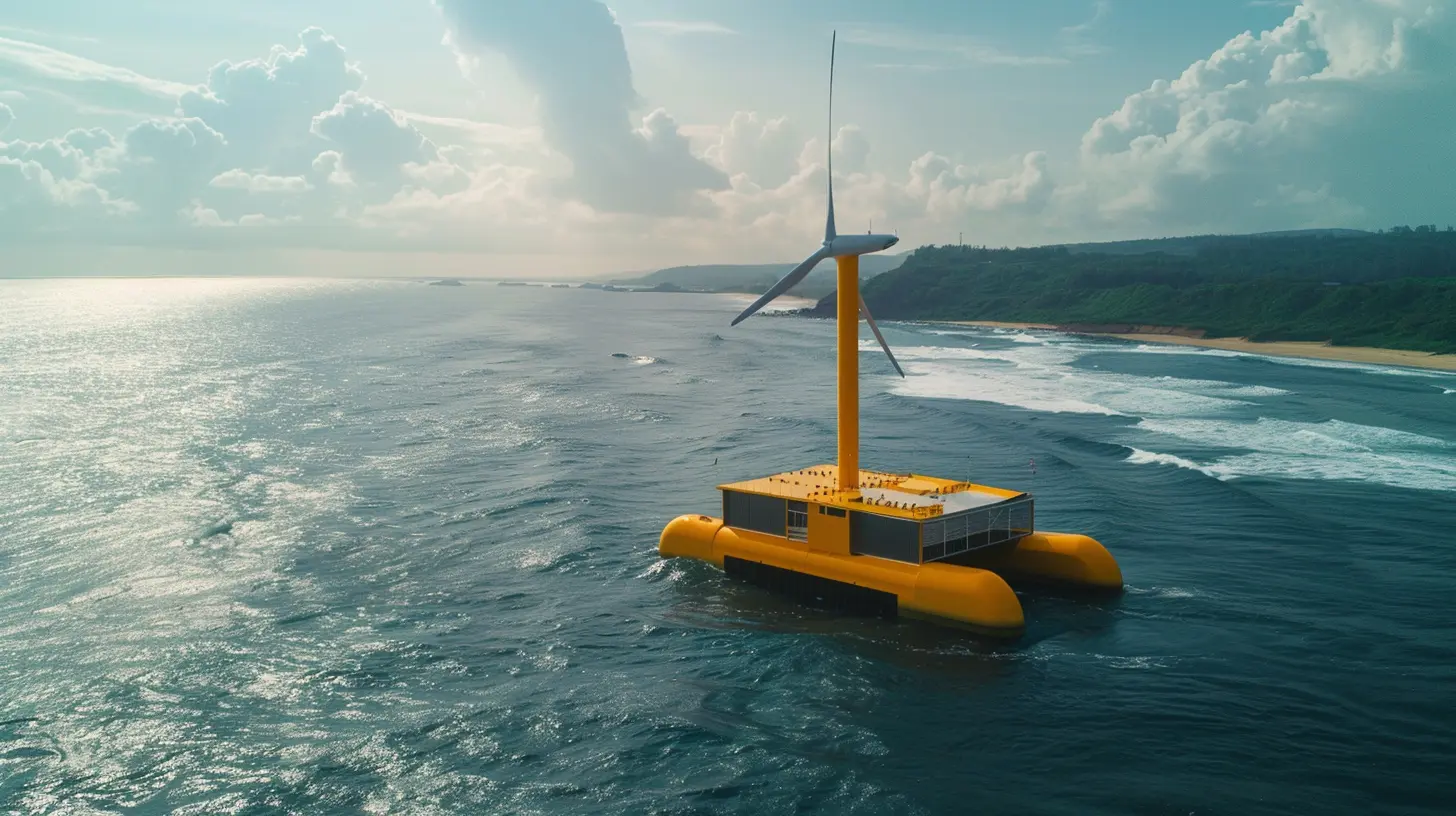
The Growing Need for Clean Energy
We’re living in an era where the demand for clean, renewable energy is skyrocketing. Climate change continues to be a pressing global issue, and governments worldwide are setting ambitious targets to reduce carbon emissions. Floating wind farms could play a crucial role in meeting these goals.Offshore Wind Potential
According to the International Energy Agency (IEA), offshore wind has the potential to meet more than 18 times the current global electricity demand. That’s a mind-boggling figure, right? While fixed-bottom offshore wind farms are already contributing to this goal, floating wind farms could significantly expand the areas where we can install turbines, especially in regions with deep coastal waters.Why Floating Wind Farms Matter
Floating wind farms can unlock energy potential in places where traditional offshore wind farms simply can’t reach. For example, countries like Japan, Norway, and the United States have deep coastal waters that make fixed-bottom turbines impractical. Floating wind technology could allow these nations to tap into their offshore wind resources, paving the way for a cleaner, greener future.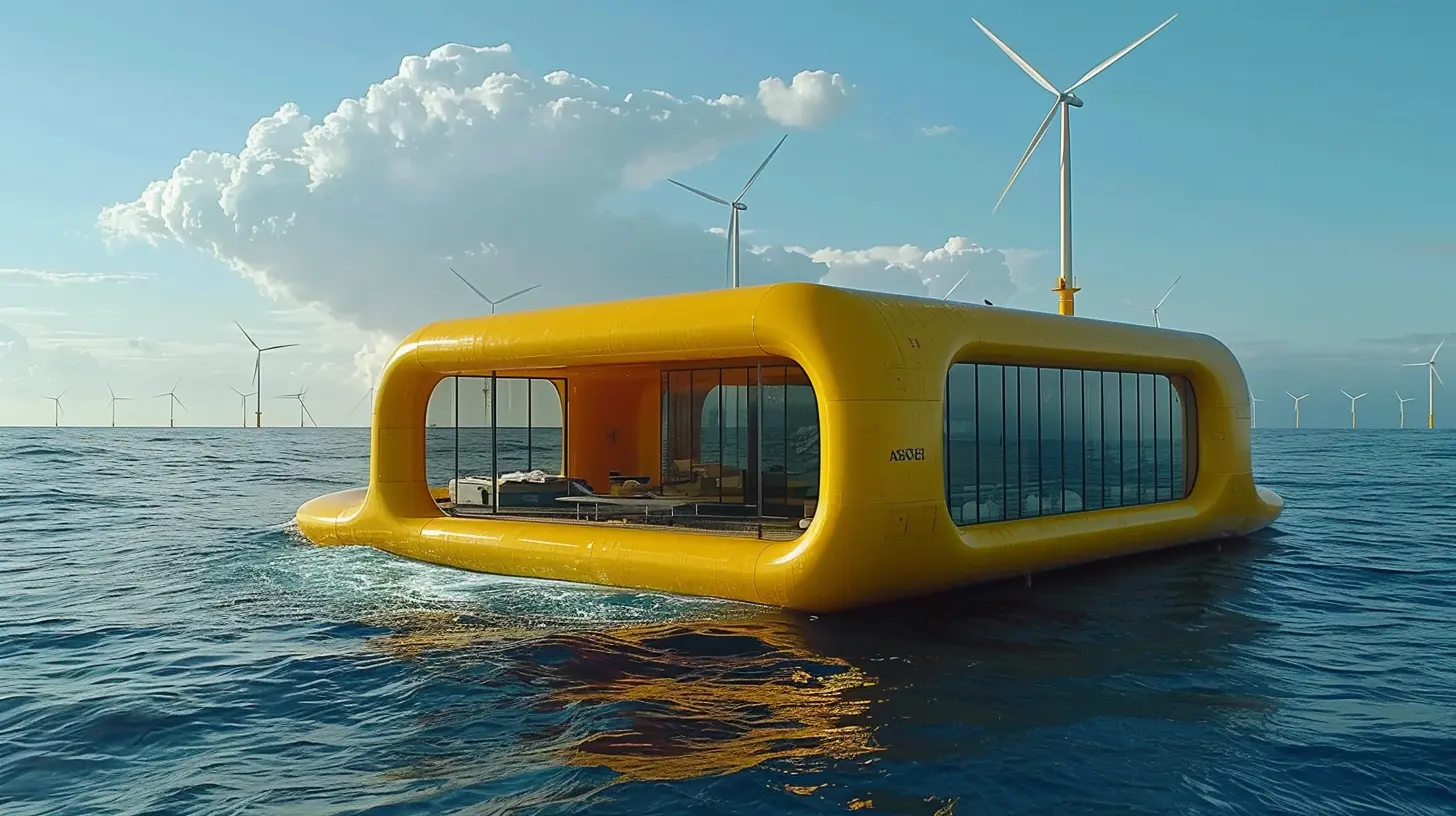
Challenges of Floating Wind Farms
No new technology comes without its challenges, and floating wind farms are no exception. Here are some of the key hurdles that need to be overcome:1. Cost
Floating wind farms are currently more expensive to build and maintain than fixed-bottom offshore wind farms or onshore wind farms. Why? Well, the technology is still in its early stages, and floating structures are more complex to design and install. However, costs are expected to fall as the technology matures and economies of scale kick in—just like what we’ve seen with solar panels and traditional wind turbines.2. Harsh Ocean Conditions
The ocean isn't exactly a gentle place. Waves, winds, and saltwater corrosion can all take a toll on floating platforms and turbines. Engineers need to design structures that can withstand these harsh conditions while still operating efficiently.3. Infrastructure Needs
Floating wind farms require specialized infrastructure, both onshore and offshore. For example, deep-water ports are needed to assemble and deploy the massive floating turbines. Additionally, robust undersea cable networks are necessary to transmit electricity back to shore.4. Environmental Impact
While floating wind farms are a green technology, they do have some environmental impacts. For example, the mooring systems and cables used to anchor the turbines can affect marine life. However, many experts believe that the overall environmental benefits of floating wind farms far outweigh these concerns, especially when compared to the devastating impacts of fossil fuel extraction and use.The Future of Floating Wind Farms
Despite the challenges, the future of floating wind farms looks incredibly promising. As technology advances and costs come down, we can expect to see more of these farms popping up in deep waters around the world. In fact, several floating wind farms are already in operation or under development.Notable Projects
One of the most well-known floating wind farms is the Hywind Scotland project, which was developed by the Norwegian energy company Equinor. Launched in 2017, Hywind Scotland is the world’s first commercial floating wind farm, and it’s been a huge success. The project has demonstrated that floating wind farms can operate reliably and efficiently, even in challenging ocean conditions.Another exciting project is Kincardine Offshore Wind, located off the coast of Scotland. When fully operational, it will be the largest floating wind farm in the world, with a capacity of 50 MW.
Global Expansion
Countries all over the world are starting to explore floating wind technology. In Japan, for example, the government is investing heavily in floating wind farms as part of its plan to transition away from nuclear power. Meanwhile, in the United States, floating wind farms could play a key role in the country's clean energy future, particularly along the West Coast, where the waters are too deep for fixed-bottom turbines.
The Benefits of Floating Wind Farms
Let’s wrap it up by highlighting some of the key benefits of floating wind farms:1. More Access to Wind Resources: Floating wind farms enable us to tap into wind resources in deep waters, where traditional turbines can’t go.
2. Reduced Visual Impact: By positioning turbines far offshore, floating wind farms minimize the visual and noise impact on coastal communities.
3. Scalable Potential: As the technology matures and costs come down, floating wind farms have the potential to scale up and play a significant role in the global energy transition.
4. Job Creation: The development and operation of floating wind farms can create thousands of jobs, from engineering and construction to maintenance and operations.
5. Environmental Benefits: By providing a clean, renewable source of energy, floating wind farms help reduce our reliance on fossil fuels, leading to fewer greenhouse gas emissions and a healthier planet.
Final Thoughts
Floating wind farms represent a cutting-edge solution to one of the most pressing challenges of our time: how to meet growing energy demands while reducing our impact on the environment. While there are still hurdles to overcome, the potential benefits of floating wind technology are enormous. With continued innovation and investment, floating wind farms could play a pivotal role in the global transition to clean, renewable energy.all images in this post were generated using AI tools
Category:
Renewable EnergyAuthor:

Michael Robinson