How Virtual Reality Is Revolutionizing Mental Health Treatment by 2027
22 April 2026
The future is here, and it’s wearing a VR headset! That’s right, virtual reality (VR) is no longer just a tool for gamers or a fun gimmick; it's stepping into the world of mental health in a big way. By 2027, we’re going to see some truly transformative changes in how we treat mental health issues. So, grab your favorite snack, get comfy, and let’s dive deep into this fascinating realm of technology and wellbeing!
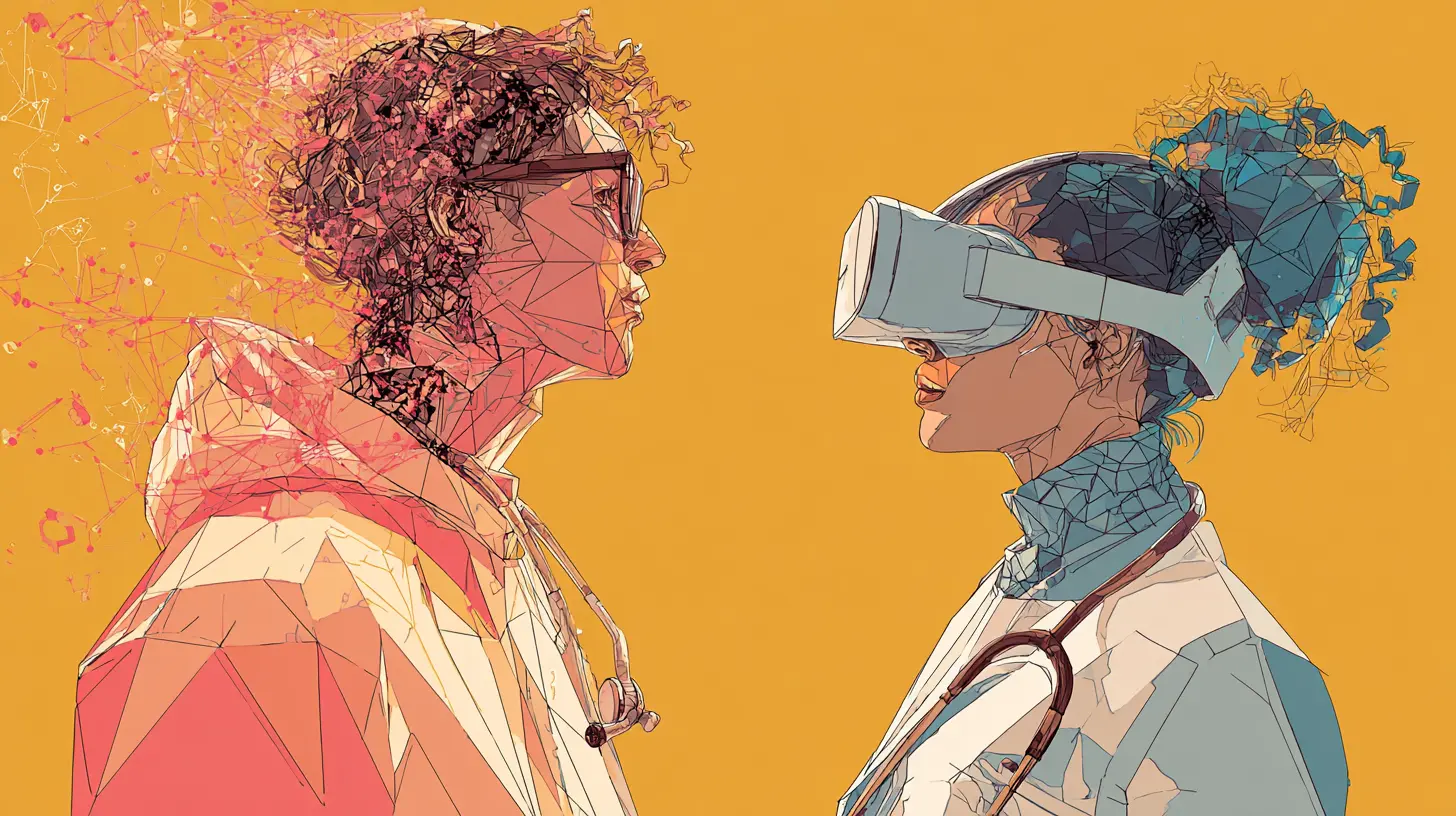
A New Era of Therapy
What is Virtual Reality?
Before we start getting into the nitty-gritty of how VR is changing mental health treatment, let's take a moment to understand what virtual reality actually is. If you think of VR as a door to another world, you’re halfway there! This technology immerses users in a computer-generated environment, creating experiences that can feel very real. Whether you're exploring a serene landscape or facing your fears, VR offers a unique way to engage with scenarios that might be too challenging in real life.Why Mental Health Needs a Revolution
Mental health is a critical aspect of our overall wellbeing, yet it has often been neglected or stigmatized. Traditional therapies can be effective, but they’re not always accessible or sufficient for everyone. With rising rates of anxiety, depression, and PTSD, it’s clear that we need innovative solutions. So, how does VR fit into this picture?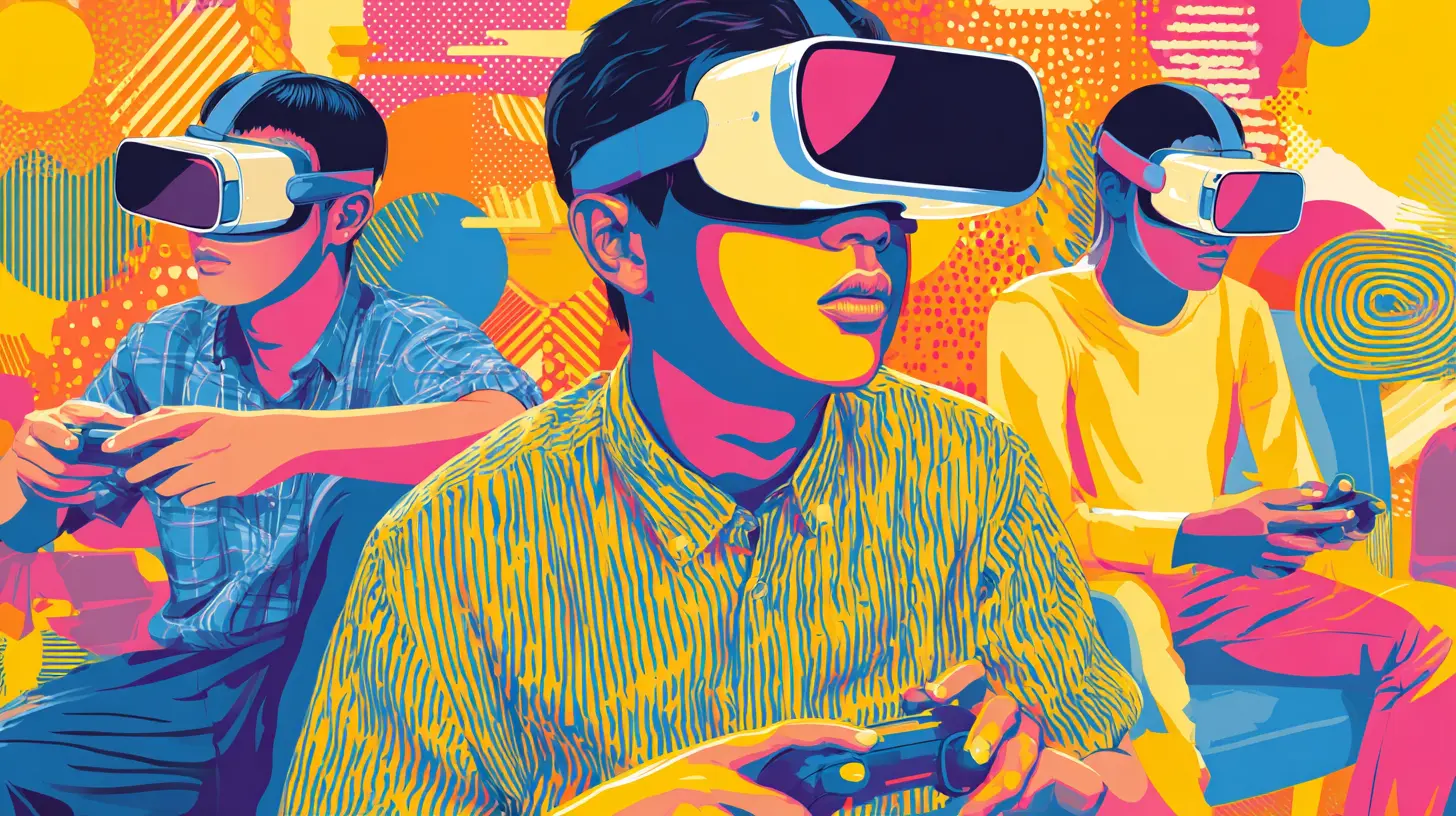
What Makes VR So Special?
Immersive Experience
One of the most significant advantages of VR is its immersive quality. Imagine being able to confront your fears in a controlled environment. For instance, individuals with social anxiety can practice conversations in a virtual café, gradually building their confidence without the pressure of real-world scrutiny. It’s like training wheels for the mind!Customizable Environments
VR allows for tailored experiences. Therapists can design specific scenarios that cater to their patients' unique needs. Are you struggling with phobias? You can face your fears in a safe setting. Want to relax? How about a peaceful beach at sunset? The possibilities are endless!Real-Time Feedback
Another remarkable aspect of VR is its ability to provide immediate feedback. During sessions, therapists can monitor a patient’s physiological responses through biometric sensors. This data can reveal how the individual is responding to the experience, allowing for timely adjustments to the therapy being administered.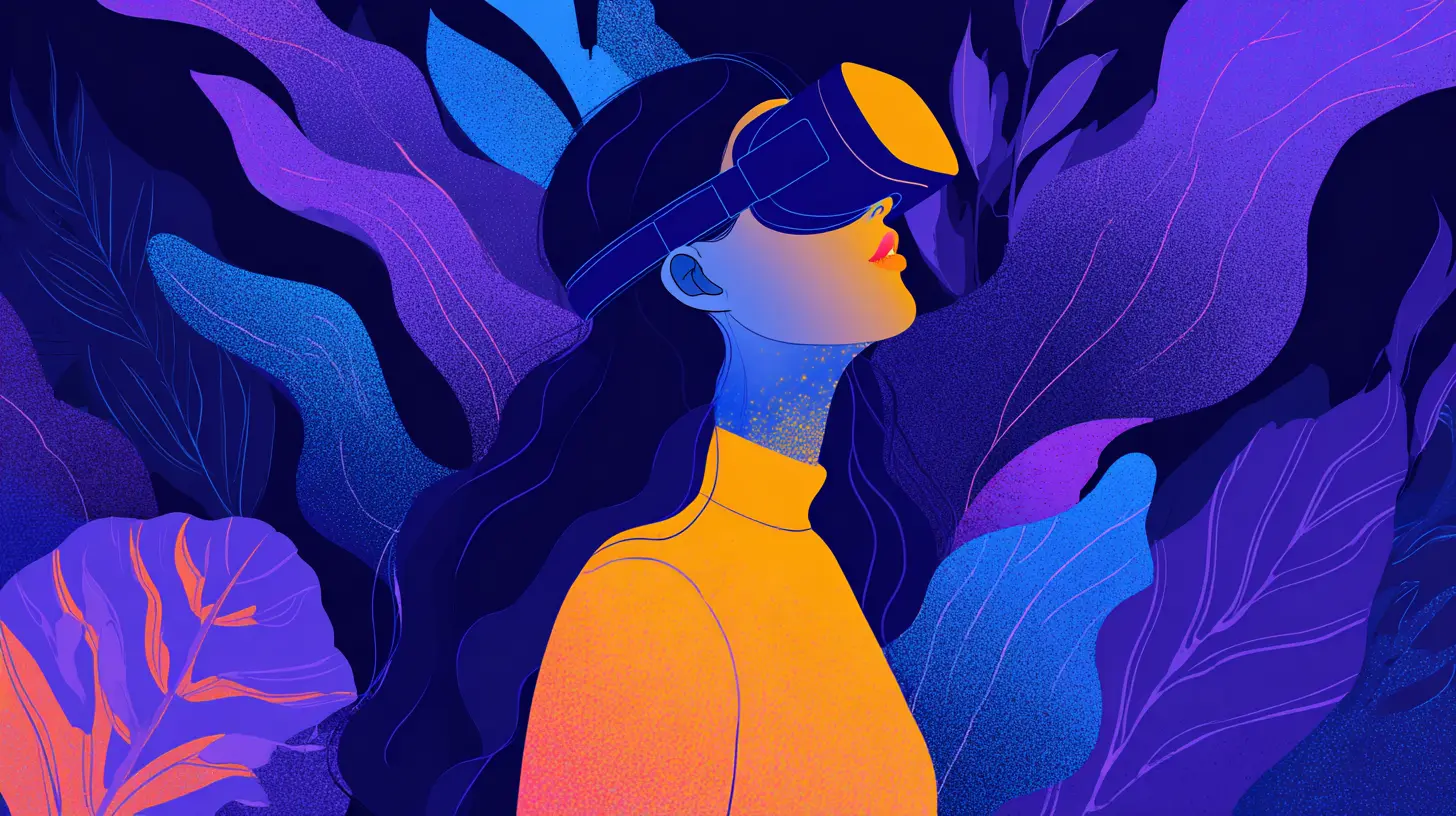
How VR Is Being Used in Mental Health Treatment
Exposure Therapy
Think of exposure therapy as a sort of mental workout. It helps individuals confront their fears in a safe space, and VR takes this concept to another level. Patients can gradually face their anxieties—whether it’s flying, public speaking, or even spiders—by "stepping into" their fears through VR.Stress Relief and Mindfulness
Feeling overwhelmed? VR can transport you to a tranquil forest or a serene beach, complete with soothing sounds and calming visuals. This allows individuals to practice mindfulness and relaxation techniques in an immersive setting. It’s like having a mini-vacation for your mind, right when you need it most!Cognitive Behavioral Therapy (CBT)
CBT is all about changing negative thought patterns, and guess what? VR can enhance this process. With VR, therapists can simulate real-life situations where patients can practice their new thought patterns and coping mechanisms. Imagine rehearsing social skills or positive affirmations while immersed in a virtual environment!Group Therapy
Group therapy can be intimidating, but VR makes it easier to connect with others. Imagine being in a virtual room with people who understand what you’re going through, even if they’re miles away. This technology breaks down geographical barriers and allows for more inclusive support systems.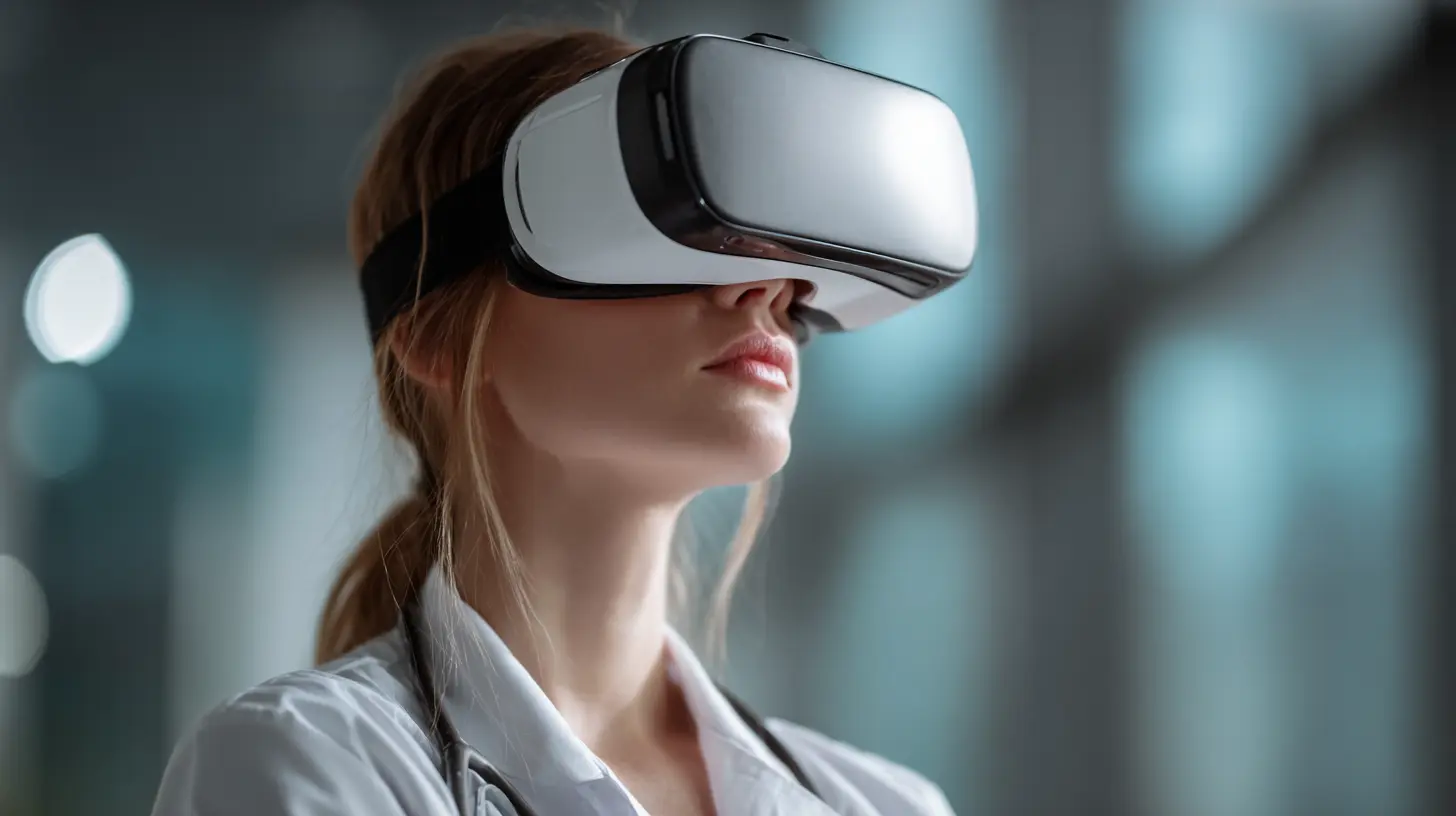
The Science Behind VR and Mental Health
Research-Based Benefits
While VR might sound like sci-fi magic, there’s a lot of research backing its efficacy in mental health treatment. Studies have shown that VR exposure therapy can significantly reduce symptoms of anxiety and PTSD. The immersive nature of VR helps patients engage more deeply with their therapy, leading to better outcomes.Neuroplasticity and VR
Ever heard of neuroplasticity? It’s the brain's ability to adapt and change. VR can aid in rewiring our brains by providing new experiences and challenges. For instance, by repeatedly confronting fears in a virtual setting, we can help our brains form new, healthier associations. It’s like giving your brain a gentle nudge towards positivity!The Future of VR in Mental Health Treatment
Accessibility
By 2027, one of the most significant changes we’ll see is increased accessibility. With the rise of affordable VR headsets and software, mental health treatment will become more inclusive. Imagine someone in a remote area having access to the same therapeutic experiences as someone in a big city. This democratization of mental health care is a game-changer.Integration with AI
Artificial intelligence (AI) is already being integrated into various fields, and mental health is no exception. By 2027, we can expect smarter virtual environments that adapt in real-time to a patient’s needs. Picture AI-driven simulations that adjust based on your heart rate or emotional state. It’s like having a personalized therapist available 24/7!Virtual Reality Support Groups
Support groups offer invaluable connections, and VR can take them to the next level. By forming virtual support groups, individuals can share their experiences in a safe, judgment-free zone. This sense of community can be incredibly healing, especially for those who feel isolated in their struggles.Ongoing Research and Development
As the field of VR evolves, we can expect continued research into its applications for mental health. Developers and mental health professionals will collaborate to create new programs that are evidence-based and tailored to specific conditions. Think of it as a constantly evolving toolkit for therapy!Ethical Considerations
With great power comes great responsibility. As VR becomes more integrated into mental health treatment, ethical considerations will be critical. Ensuring patient privacy, consent, and the safe use of technology will be paramount. It’s essential to have guidelines that protect both patients and practitioners.
Challenges on the Horizon
Technology Limitations
While the potential for VR in mental health is immense, we can’t ignore the challenges. Technology can sometimes be finicky—glitches or hardware issues might disrupt a session. However, with advancements, these issues will likely diminish over time.Stigma and Acceptance
Despite the growing interest in VR therapy, there’s still a stigma surrounding mental health treatment in general. Some people might be skeptical about using technology for such a personal issue. Overcoming this stigma will require education and awareness, showcasing the real benefits of VR.Cost and Accessibility
While VR technology is becoming more affordable, there can still be significant costs involved in setting up therapy programs. However, as demand increases and technology advances, we can hope for more budget-friendly solutions that make mental health care accessible to everyone.Conclusion: Embracing the Future of Mental Health
So, what does the future hold? By 2027, virtual reality is set to revolutionize mental health treatment in ways we can hardly imagine. With its immersive experiences, customizable environments, and potential for real-time feedback, VR offers a unique approach that traditional methods simply can’t match.The future is bright for mental health treatment, and VR is at the forefront of this exciting change. With continued research, innovative applications, and a focus on accessibility, we can look forward to a world where mental health care is as engaging and effective as it is compassionate.
Are you ready to embrace this new era of therapy? Because it seems like the virtual world might just be the key to unlocking a healthier, happier future!
all images in this post were generated using AI tools
Category:
Tech In HealthcareAuthor:

Michael Robinson
Discussion
rate this article
2 comments
Mercy McQuiston
Great read! It's inspiring to see VR creating such accessible, immersive tools for therapy. This glimpse into 2027 feels both hopeful and grounded in real progress. Excited to see how this technology continues to break down barriers to mental health support for so many people.
April 30, 2026 at 4:04 AM
Michael Robinson
Thanks for your thoughts! I'm glad you found it inspiring. The potential of VR in mental health is truly exciting, and I'm eager to see its impact in the coming years.
Beatrix Schultz
Great insights on the potential of VR in mental health! It's inspiring to see technology bridging gaps in treatment. Looking forward to seeing how this evolves by 2027. Thank you!
April 24, 2026 at 4:37 AM