The Promise and Challenges of Personalized Health Apps in 2026
29 April 2026
Let’s cut the crap: your phone knows more about your body than your doctor does. By 2026, that statement isn’t hyperbole—it’s a cold, hard fact. We’re living through a revolution where health apps aren’t just step counters or calorie trackers anymore. They’re becoming hyper-personalized, AI-driven, data-hungry beasts that promise to turn your smartphone into a pocket-sized physician. But here’s the rub: with great personalization comes great responsibility—and a truckload of challenges that could make or break the entire industry.
So, what does 2026 actually look like for personalized health apps? Are we finally getting the tailored wellness solutions we’ve been promised for a decade, or is this just another tech bubble ready to pop? Grab your smartwatch, strap in, and let’s dissect the promise, the pitfalls, and the ugly truth.
The Promise: Your Body, Your Code
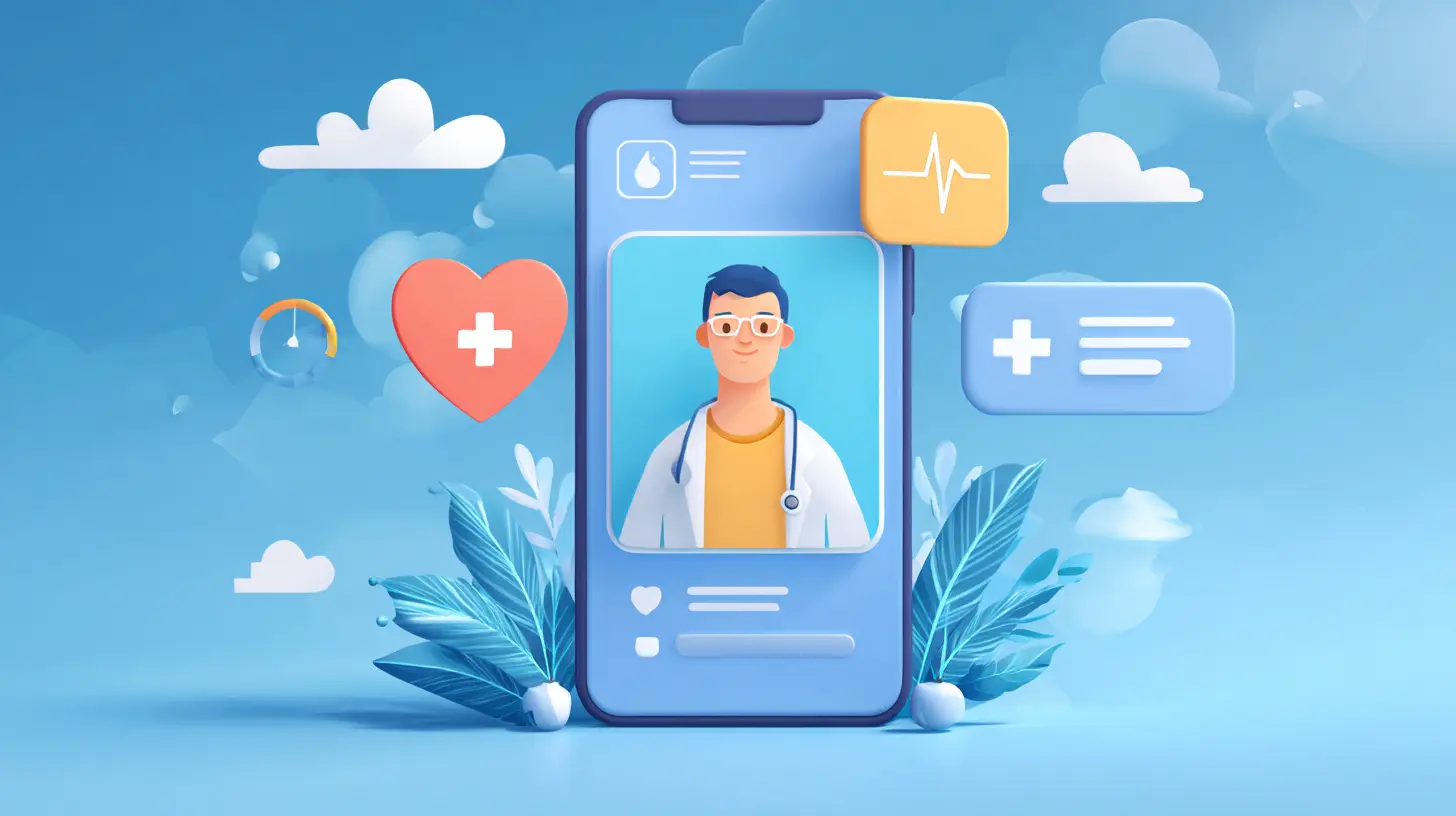
Imagine this: you wake up at 6:47 AM, and your health app already knows your cortisol levels are elevated because your sleep data showed three hours of restless tossing. It suggests a 10-minute breathing exercise, adjusts your caffeine intake recommendation for the day, and reminds you to hydrate because your urine color sensor (yes, that’s a thing now) flagged slight dehydration. That’s not sci-fi—that’s 2026.The core promise of personalized health apps is simple: one-size-fits-all medicine is dead. We’ve been force-fed generic advice for too long. “Eat 2,000 calories a day.” “Exercise 30 minutes daily.” “Drink eight glasses of water.” Bullshit. Your body isn’t a template. It’s a unique, chaotic system influenced by genetics, microbiome, stress levels, sleep patterns, and even the air quality in your neighborhood.
By 2026, apps are leveraging three game-changing technologies to deliver on this promise:
1. Real-Time Biometric Integration
Gone are the days of manual logging. Wearables like smart rings, continuous glucose monitors (CGMs), and even smart tattoos now stream data seamlessly. Your app doesn’t wait for you to type “I feel tired”—it knows because your heart rate variability (HRV) dropped 12% overnight. This isn’t passive tracking; it’s predictive intervention. Think of it as a co-pilot for your biology.2. AI-Driven Hyper-Personalization
Machine learning models in 2026 are no longer just analyzing averages. They’re building a digital twin of you. Your app learns that after a high-sodium meal, your blood pressure spikes exactly 90 minutes later—but only if you’re stressed. It adapts its recommendations in real-time, not based on generic guidelines, but on your specific cause-and-effect relationships. It’s like having a personal trainer who actually remembers your knee injury from 2018.3. Genomic and Microbiome Integration
This is where it gets wild. Some premium apps now let you upload your 23andMe data or gut microbiome analysis. Suddenly, your app knows you have a MTHFR mutation that affects folate metabolism, or that your gut lacks Lactobacillus reuteri (linked to mood regulation). It customizes supplement suggestions and meal plans down to the molecular level. Your DNA becomes a user manual.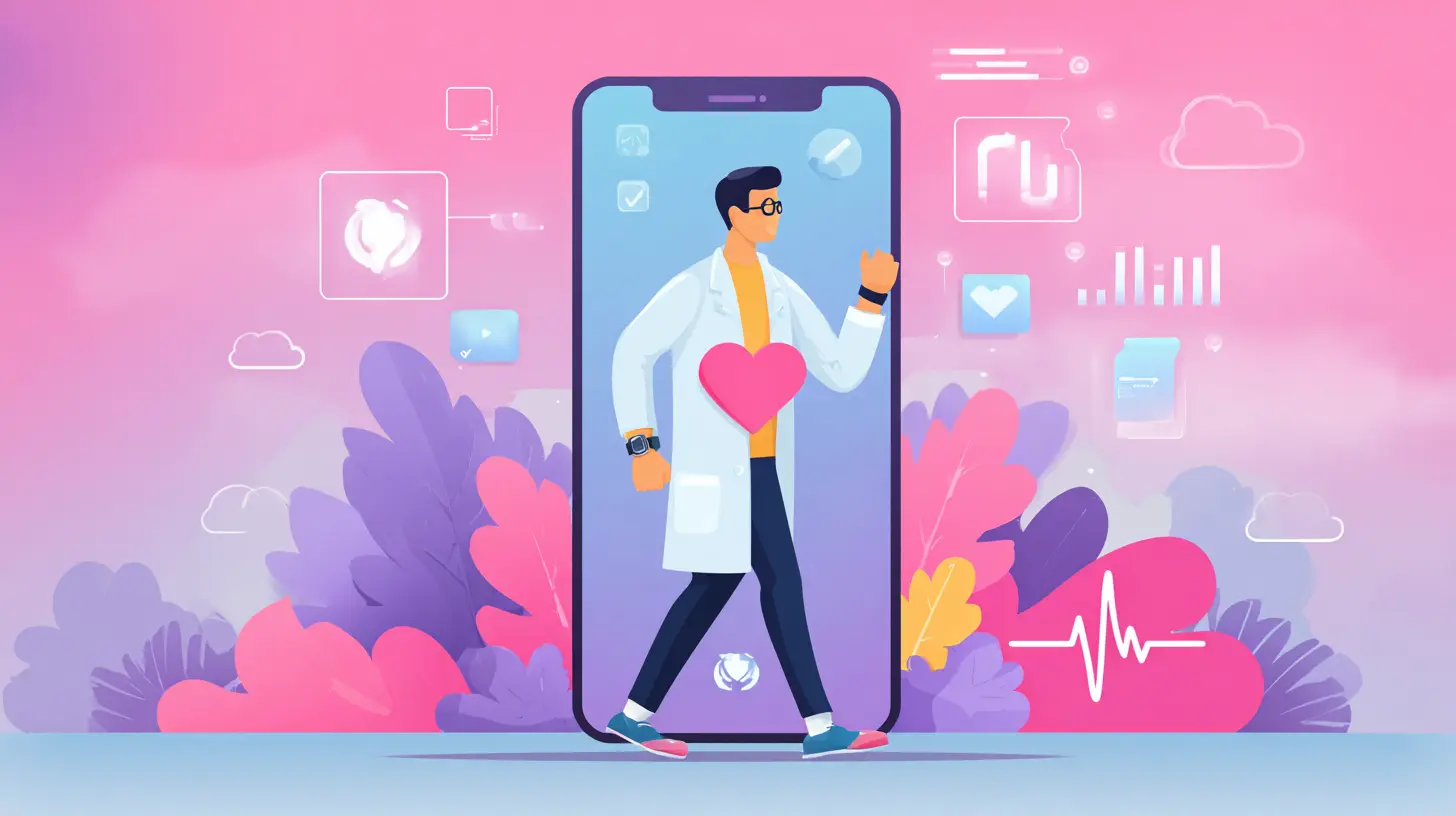
The Unapologetic Benefits: Why You Should Care
Let’s be real—why does this matter for you, the average person drowning in notifications? Because personalized health apps in 2026 are saving lives, not just steps.- Chronic Disease Management: Diabetes patients are using closed-loop systems where CGMs talk directly to insulin pumps via apps, mimicking a healthy pancreas. No more guessing games.
- Mental Health on Demand: Apps now detect early signs of depression through voice pattern analysis (slower speech, flatter tone) and offer cognitive behavioral therapy (CBT) exercises before you even realize you’re spiraling.
- Fertility and Hormonal Health: Women are tracking ovulation with 99% accuracy using temperature and LH surge data, while men’s apps flag low testosterone based on sleep and muscle recovery metrics.
- Longevity Optimization: Want to live to 100? Apps analyze your biological age via epigenetic clocks and recommend lifestyle tweaks—from cold exposure to specific peptides—that push your “clock” backward.
The promise isn’t hype; it’s happening. But here’s where we pivot to the elephant in the room.
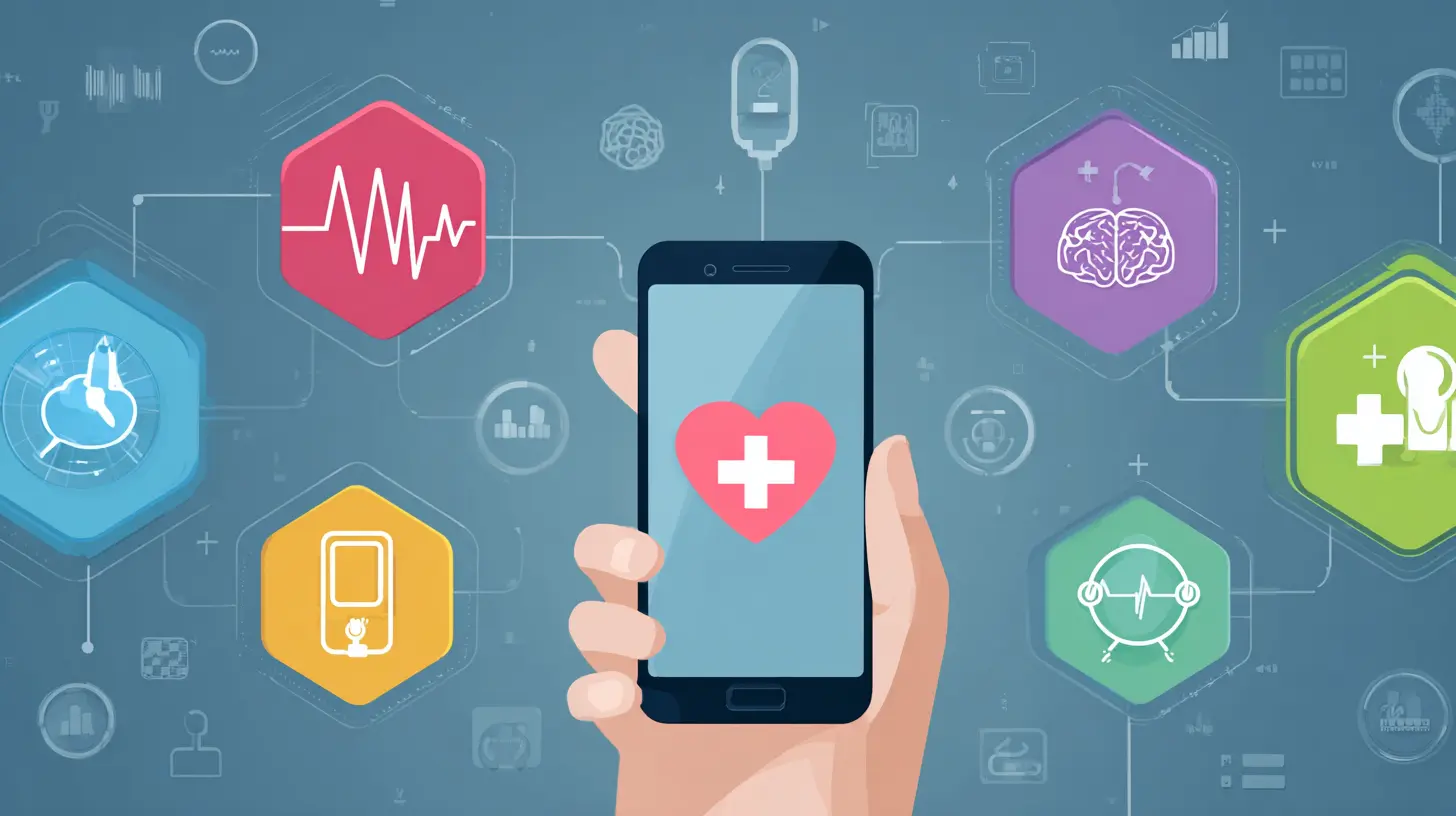
The Challenges: Where the Rubber Meets the Road (and Burns)
Let’s not sugarcoat it. Personalized health apps in 2026 are still a hot mess in many ways. For every life-saving feature, there’s a data breach waiting to happen, a false alarm that sends you into a panic, or a subscription fee that makes your wallet cry.1. Data Privacy: You Are the Product
Here’s the uncomfortable truth: your health data is the most valuable asset you own—and you’re giving it away for free. By 2026, health app companies are mining your biometrics to sell to insurers, employers, and pharmaceutical giants. Remember that time your app detected an irregular heartbeat? That data point could raise your health insurance premium next year. Your app knows you better than your spouse, and it’s not loyal.Worse, security is still a joke. Ransomware attacks on health app servers have doubled since 2024. Hackers aren’t after your credit card; they’re after your genetic code. Once your DNA is leaked, you can’t change it like a password. It’s permanent, and it can be used to discriminate against you, your kids, and your grandkids.
2. The Accuracy Trap: When Algorithms Lie
Personalization is only as good as the data feeding it. And in 2026, data quality is all over the place. Your smartwatch might claim your blood oxygen is 94% (normal), but it could be off by 5% because you have dark skin or tattoos. Continuous glucose monitors can be thrown off by acetaminophen. Voice analysis for mental health? It might flag you as depressed when you’re just tired.The result is over-diagnosis and under-diagnosis. You get alerts for “atrial fibrillation” when you were just running up stairs. Meanwhile, a real issue—like a slow-growing thyroid tumor—goes unnoticed because the app wasn’t trained on your demographic. Algorithms are only as good as their training data, and most datasets are still white, male, and wealthy.
3. The Burnout Factor: App Fatigue
Let’s be honest: how many health apps have you downloaded and abandoned? By 2026, the average user has 12 health apps on their phone, but only uses 2 regularly. The promise of personalization becomes a burden. You’re expected to log meals, sync devices, answer daily questionnaires, and review dashboards. It’s like having a second job—except this one reminds you that you’re dying slowly.The apps that survive are the ones that fade into the background. But most are still screaming for your attention. “You haven’t meditated today!” “Your sleep score dropped!” “Your friend took 10,000 steps—why haven’t you?” It’s guilt-tripping disguised as health coaching.
4. The Cost Barrier: Health for the Wealthy
Personalization is expensive. A good CGM setup costs $300/month. Full genomic sequencing? $1,000. Premium AI coaching? Another $50/month. By 2026, the gap between “personalized health” and “generic health” is a class divide. Rich people get real-time, predictive, molecular-level care. Everyone else gets a free step counter with ads for weight loss supplements.This isn’t just unfair—it’s dangerous. If personalized health apps only serve the top 10%, we’ll see health outcomes diverge even further. The rich will live longer, healthier lives while the poor are left with outdated advice from 2010. Health equity is the silent casualty of this revolution.
5. Regulation: The Wild West
The FDA has caught up—sort of. By 2026, apps that make medical claims need approval. But the loopholes are massive. “Wellness” apps can do almost anything without oversight. Want to claim your app “improves energy” when it’s actually placebo? Go ahead. Want to sell a “personalized supplement pack” based on a 5-question quiz? No problem.Doctors are also in a bind. Patients walk into clinics waving app-generated diagnoses, and physicians have to spend half the appointment explaining why the app is wrong. The trust between patient and doctor is eroding, replaced by blind faith in algorithms.
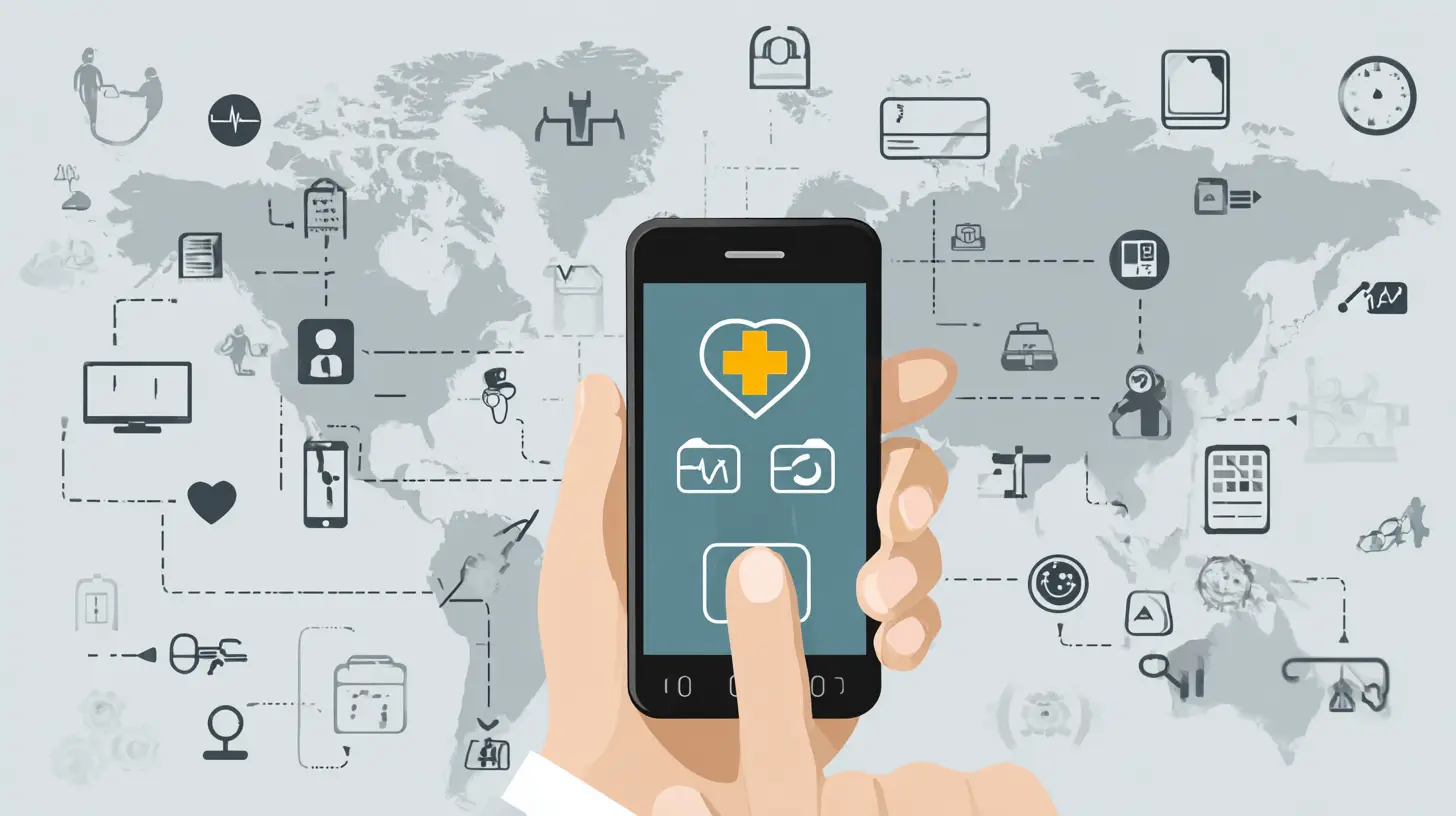
The Uncomfortable Middle Ground
So, what’s the verdict for 2026? Are personalized health apps a miracle or a mirage?The truth is both. They’re a double-edged sword—and we’re still learning how to hold the handle without cutting ourselves.
On one hand, I’ve seen people reverse prediabetes using app-guided CGMs. I’ve watched friends manage anxiety with biofeedback apps that actually work. The potential is undeniable. On the other hand, I’ve seen people become hypochondriacs because their app flagged every minor anomaly as a crisis. I’ve seen data sold to insurance companies without consent. I’ve seen brilliant apps fail because they couldn’t monetize without selling out.
The key is critical engagement. Don’t treat your health app as a doctor—treat it as a smart assistant that sometimes hallucinates. Use it for trends, not absolutes. Cross-reference its suggestions with your actual feelings. And for the love of all that is holy, read the privacy policy. (Yes, it’s boring. Yes, it matters.)
What 2027 Needs to Fix
Looking ahead, the industry needs three urgent changes:1. Open Standards for Data Portability: Your health data should follow you, not be locked inside a single app ecosystem. If you ditch App A, your 3 years of biometrics should transfer to App B seamlessly. GDPR tried this; the US is still lagging.
2. Algorithmic Audits: Third-party teams should audit health app algorithms for bias and accuracy—and publish the results publicly. No more black-box decisions that affect your health without accountability.
3. Affordable Baseline Personalization: Governments and employers need to subsidize basic personalization for everyone. A CGM for a diabetic shouldn’t be a luxury; it should be a right. Otherwise, we’re building a two-tier health system.
The Bottom Line
Personalized health apps in 2026 are like a Ferrari with no brakes. They’re fast, sleek, and can get you to your destination faster than anything else—but you’d better know how to steer, because a crash will hurt like hell.The promise is real: your phone can now be a co-pilot for your biology, offering insights that were once reserved for elite athletes and billionaires. But the challenges are equally real: privacy nightmares, accuracy issues, burnout, and inequality threaten to turn this revolution into a dystopian mess.
So, here’s my unapologetic advice: use these apps, but stay skeptical. Let them nudge you, but don’t let them define you. Your body is the most complex system in the universe—no algorithm can fully understand it yet. But for the first time in history, we have tools that come close. The question is whether we can wield them wisely, or whether we’ll drown in our own data.
The choice, as always, is yours. Your app just told you to drink water. Maybe listen to it. But don’t let it tell you who you are.
all images in this post were generated using AI tools
Category:
Tech In HealthcareAuthor:

Michael Robinson
Discussion
rate this article
2 comments
Pia Abbott
Personalized health apps hold immense potential to transform how we manage our health. However, they also raise concerns about data privacy and accessibility. As we advance toward 2026, finding the balance between innovation and ethical use will be crucial for ensuring these tools genuinely benefit everyone.
June 3, 2026 at 4:28 AM
Michael Robinson
You raise important points. Balancing innovation with privacy and accessibility will be key to maximizing the benefits of personalized health apps. It's a challenging but necessary journey.
Wyatt McNeal
Personalized health apps in 2026 hold immense potential to revolutionize individual care, but they also raise critical questions about data privacy, equity in access, and the reliability of algorithms. Balancing innovation with ethical responsibility will be essential to fully realize their benefits for diverse populations.
May 3, 2026 at 4:01 AM
Michael Robinson
You raise important points. It's crucial that as we innovate, we prioritize privacy, equity, and algorithm reliability to ensure these apps benefit everyone.