Green Hydrogen: A Game-Changer for Renewable Energy Storage
8 June 2026
Let’s face it—renewable energy is blowing up. Everywhere you look, there’s a wind turbine on the horizon or a solar panel soaking up the sun. But there’s still one big issue no one can ignore: energy storage. When the wind doesn’t blow or the sun decides to take a day off, we’re left scratching our heads wondering, “Where did all the clean power go?”
Well, buckle up because green hydrogen might just be the superhero we didn’t know we needed. It’s clean, it’s powerful, and, best of all, it’s got some serious potential to turn the energy world on its head.
In this article, we’re diving deep into why green hydrogen could be the ultimate solution to storing renewable energy—and how it’s shaking up the game like never before.
What Exactly Is Green Hydrogen?
Okay, first things first. Let’s break down what green hydrogen actually is. You’ve probably heard of hydrogen being used as fuel. It’s the most abundant element in the universe—kind of a big deal. But not all hydrogen is created equal.Green hydrogen is produced through a process called electrolysis. This is where electricity is used to split water (H₂O) into hydrogen (H₂) and oxygen (O₂). When this electricity comes from renewable sources like wind or solar, voilà—you’ve got green hydrogen.
No carbon emissions. No environmental guilt. Just clean fuel.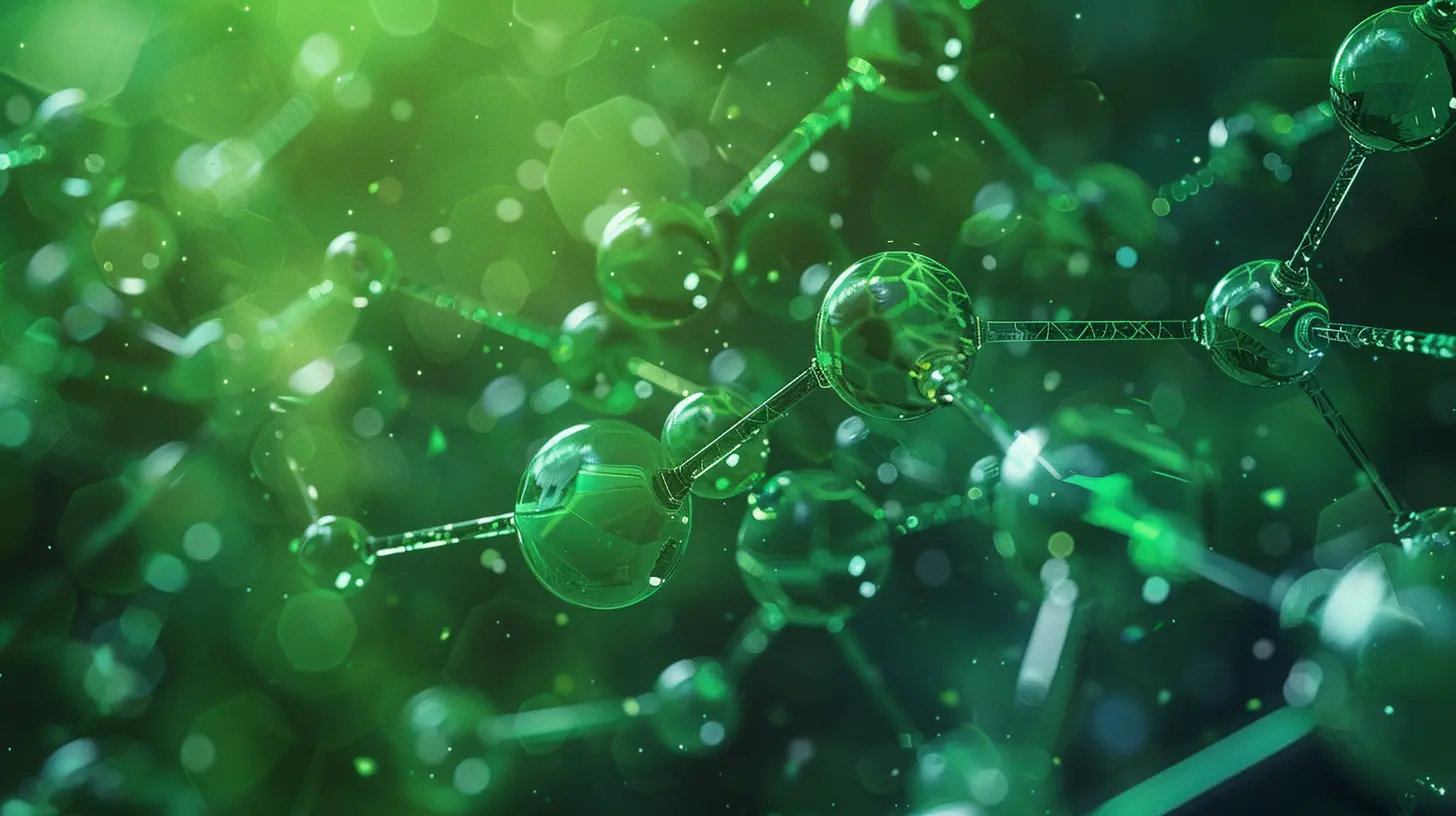
Why Is Energy Storage Such a Big Deal?
You might be wondering, "Why can’t we just use batteries?" And that’s a fair question.While lithium-ion batteries work great for short-term energy storage—say, a few hours—they fall short when we need to store power for days, weeks, or even seasons. Batteries also degrade over time, they’re expensive, and, let’s be honest, mining for lithium isn’t the most eco-friendly process out there.
That’s where green hydrogen steps in with a cape and a can-do attitude. It stores massive amounts of energy and doesn’t deteriorate over time. Unlike electricity in a battery, hydrogen can be stashed away for those rainy days—literally.
How Green Hydrogen Works in Energy Storage
Think of renewable energy like water coming from a firehose. When the sun is shining or the wind is howling, we have more energy than we know what to do with. Instead of letting it go to waste, we can use that excess power to create green hydrogen through electrolysis.Here’s a quick step-by-step on how this works:
1. Use renewable electricity to split water into hydrogen and oxygen through electrolysis.
2. Store the hydrogen in pressurized tanks or underground.
3. Convert it back into electricity using fuel cells or turbines when energy is needed.
Boom. Problem solved.
But here’s the kicker—it’s not just about electricity. Hydrogen can also be used directly as a fuel for vehicles, heating, and even industrial processes. Talk about versatility!
Benefits of Green Hydrogen for Renewable Energy Storage
Let’s break it down even further. Why should we be excited about green hydrogen? Here’s what it brings to the table:1. Completely Clean
There are no smoke and mirrors here. When you burn hydrogen or use it in a fuel cell, the only byproduct is water vapor. No carbon dioxide, no methane—just clean, breathable air.2. Long-Term Storage
Unlike batteries, hydrogen doesn’t lose its charge over time. You can store it for weeks, months, or even full seasons without degradation. That’s a huge win for grid stability.3. Huge Energy Density
Hydrogen has a high energy-to-weight ratio. It can store a lot more energy per unit of weight than batteries. That makes it especially handy for transportation and heavy industries.4. Grid Balancing
Ever heard of grid balancing? It’s the art of making sure energy supply equals demand. Green hydrogen can absorb excess energy during peak production and feed it back during high demand or low production periods. Pretty neat, right?5. Decarbonizing Tough Sectors
Green hydrogen can go where electricity can’t. Think aviation, shipping, steelmaking, and heavy-duty transport. These industries are hard to electrify, but hydrogen? It's game for the challenge.Real-World Applications: Where Green Hydrogen Shines
It’s not just theory—green hydrogen is already making waves. Here are a few real-world examples showing its promise:1. Hydrogen-Powered Trains in Germany
Germany introduced the world’s first fleet of hydrogen-powered trains. They’re quiet, clean, and a step up from diesel engines. Who said green energy can’t be stylish?2. Hydrogen Blending in Natural Gas Pipelines
Some utility companies are blending hydrogen with natural gas to cut down emissions. It’s like sneaking veggies into a kid’s meal—better for you, and you barely notice the difference.3. Industrial Use in Steel Production
Heavy industries like steelmaking are using hydrogen to reduce carbon emissions. This could be a game-changer since the sector is one of the top global polluters.Challenges Standing in the Way
Of course, it’s not all sunshine and rainbows. Green hydrogen does have some hurdles to jump over:1. Cost
Right now, green hydrogen is more expensive than fossil fuel-derived (gray) hydrogen. Electrolysis isn’t cheap, and renewable energy still isn’t completely free. But costs are dropping fast.2. Infrastructure
We’ll need new pipelines, storage systems, and fuel stations to support widespread hydrogen adoption. It’s like switching from gas to EVs—you need charging stations…or in this case, hydrogen refueling ones.3. Energy Efficiency
Electrolysis + storage + conversion back to electricity = energy loss. Some argue it’s not efficient compared to batteries. But again, hydrogen plays the long game, especially where other solutions fall short.The Future Looks Bright (and Green)
So, where are we headed?Green hydrogen is gaining traction worldwide. Countries like Japan, Australia, Germany, and the U.S. are pouring billions into hydrogen strategies. Green hydrogen hubs are popping up, and companies are investing in hydrogen trucks, buses, planes—you name it.
Even better? As renewable energy grows, we’ll have more and more clean electricity to create even more green hydrogen. That’s the beauty of it—it scales with the renewables it supports.
Green Hydrogen vs. Lithium-Ion Batteries
Let’s compare apples to apples. Here’s a simplified breakdown of how green hydrogen stacks up against your classic lithium-ion battery:| Feature | Green Hydrogen | Lithium-Ion Batteries |
|------------------------|----------------------------------------|----------------------------------|
| Energy Density | Very High | Medium |
| Storage Duration | Long-term (months/seasonal) | Short to mid-term (hours-days) |
| Environmental Impact | Minimal (if renewably produced) | Depends on mining/processing |
| Cost (Current) | High (but falling) | Moderate |
| Efficiency | Lower (~30-40%) | Higher (~85-90%) |
| Scalability | Excellent for large-scale | Better for localized systems |
Each has its moment in the spotlight, but when it comes to long-term, flexible, and clean energy storage—hydrogen has the upper hand.
Final Thoughts: Are We Ready for the Hydrogen Revolution?
So, is green hydrogen the ultimate solution for our renewable energy storage problem? Not quite yet—but it’s getting there.Think of it like planting a seed. We’re watering it with innovation, nurturing it with investment, and watching it grow. It’s not a silver bullet, but it’s one heck of a powerful tool in our clean energy toolbox.
And honestly, the timing couldn’t be better. With climate change breathing down our necks and fossil fuels on the outs, green hydrogen gives us a chance to store the clean power we generate and use it when it matters most.
So yeah, green hydrogen? Definitely a game-changer.
all images in this post were generated using AI tools
Category:
Renewable EnergyAuthor:

Michael Robinson
Discussion
rate this article
1 comments
Aiden McFarlane
Green hydrogen is truly exciting! It has the potential to transform our energy landscape and promote a sustainable future. Can't wait to see how it develops... Let's embrace this change!
June 12, 2026 at 3:27 AM