How Green Tech is Revolutionizing E-Mobility for Cities
18 January 2026
Let’s face it—our cities are getting smarter, cleaner, and more efficient—and green tech is playing a massive role in that transformation, especially when it comes to how we move around. The days of gas-guzzling, smoke-belching vehicles ruling the roads are numbered. Instead, e-mobility, powered by green technology, is taking the driver’s seat—literally.
So, what’s the big deal with green tech and e-mobility? And how exactly is it shaping the future of transportation in urban areas? Buckle up! You're about to take a deep dive into how sustainability and innovation are cruising hand-in-hand through the streets of tomorrow’s cities.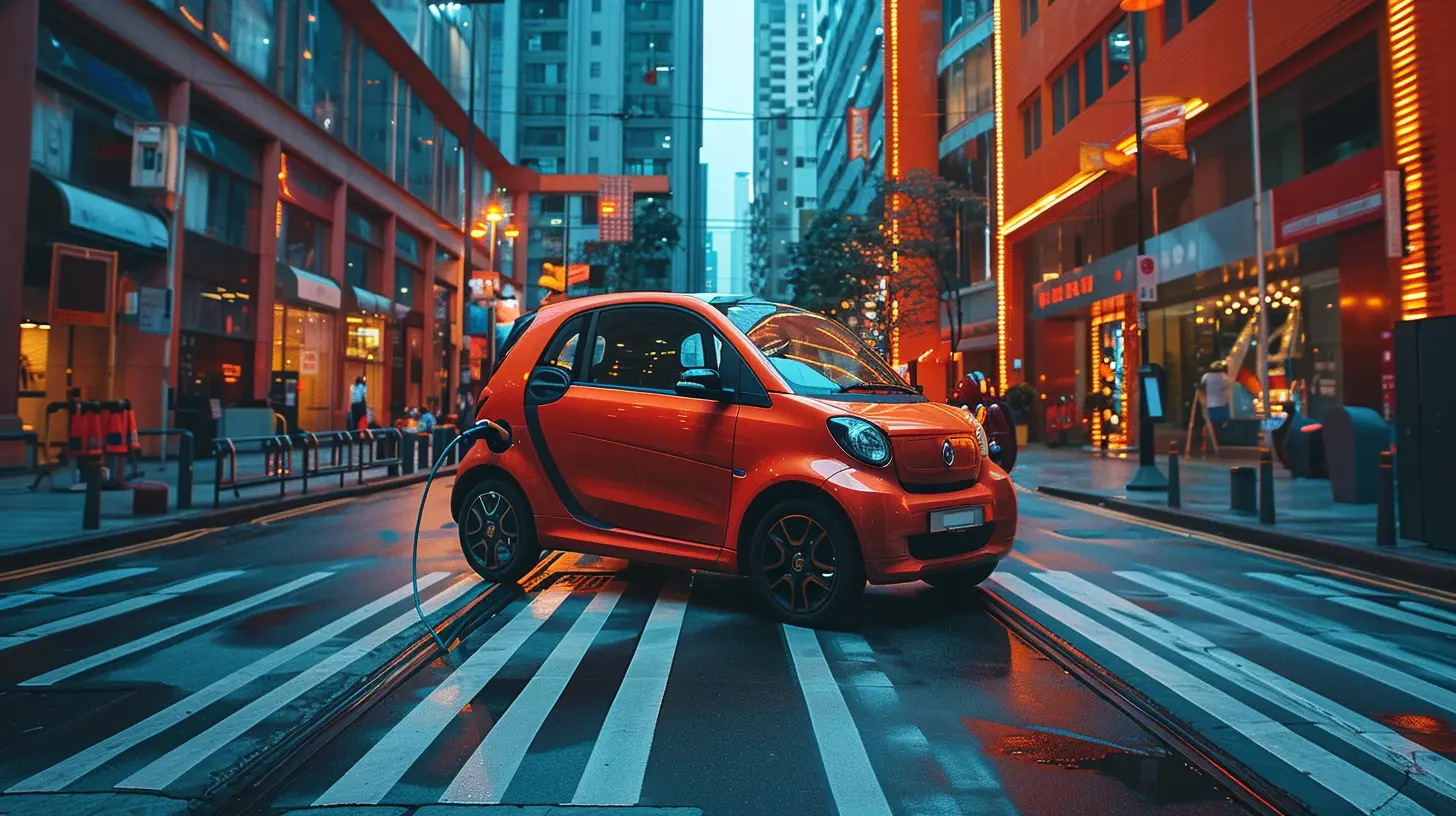
What Is E-Mobility, Anyway?
Before we go full throttle, let’s break it down. E-mobility, or electric mobility, refers to the use of electric-powered vehicles, including electric cars (EVs), bikes, scooters, buses, and even trucks. This isn't just about swapping engines—it's about reimagining urban life with a healthier, greener, and more efficient approach to getting around.Now, slap the term "green tech" in front of that movement, and you've got a whole ecosystem that’s not only cutting emissions but also redefining city planning, energy distribution, and how we think about transportation as a service.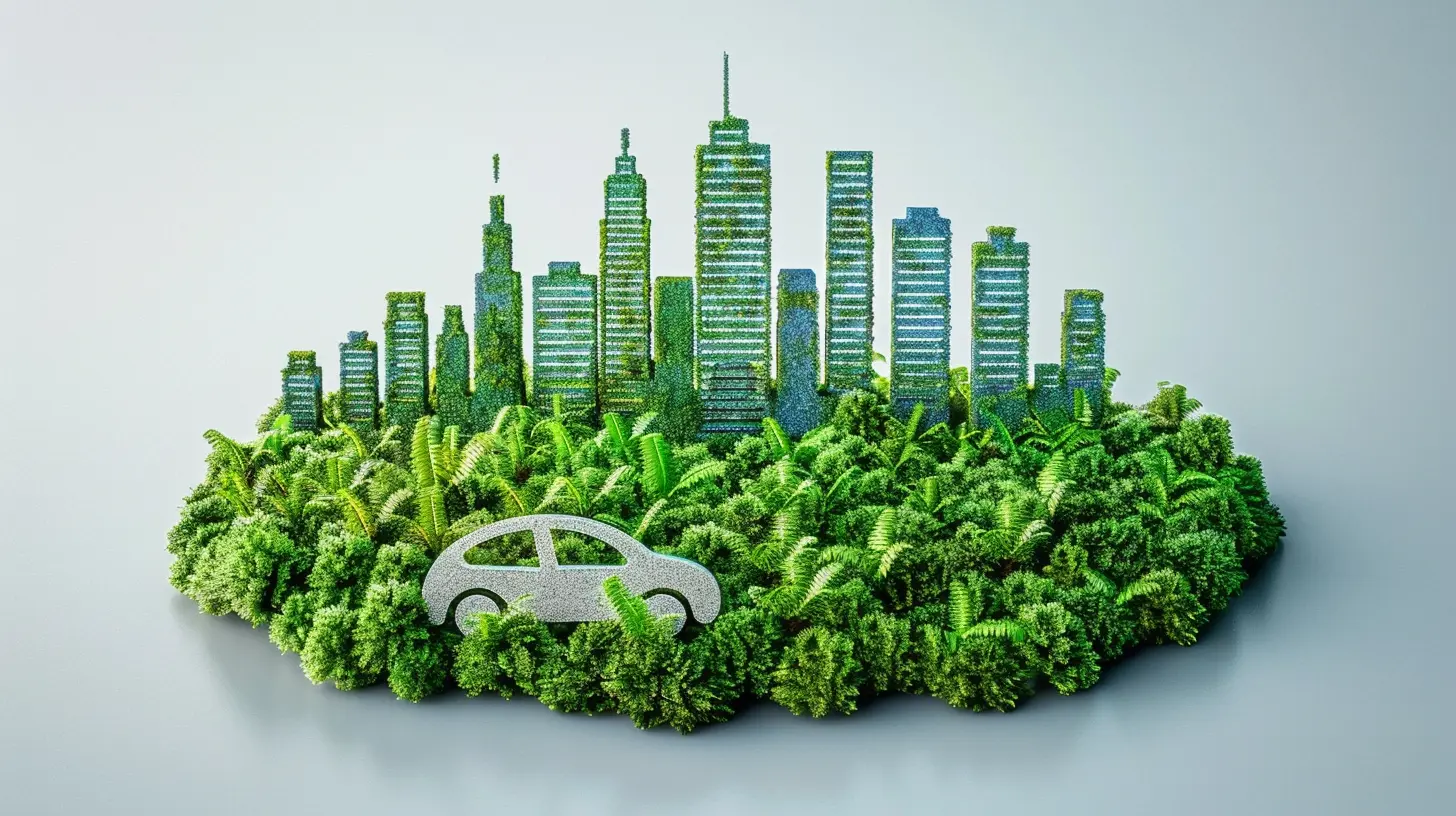
Why Are Cities Embracing Green E-Mobility?
We’re talking smog-filled skies getting clearer, traffic noise shrinking, and energy consumption moving toward renewables. Cities are on a mission to reduce their carbon footprints, and e-mobility provides a golden opportunity to do just that.Here's what’s pushing this shift:
- Climate change concerns
- Air quality regulations
- Rising fuel costs
- Urban population growth
- Government incentives
Pretty compelling reasons, huh? But there’s more under the hood.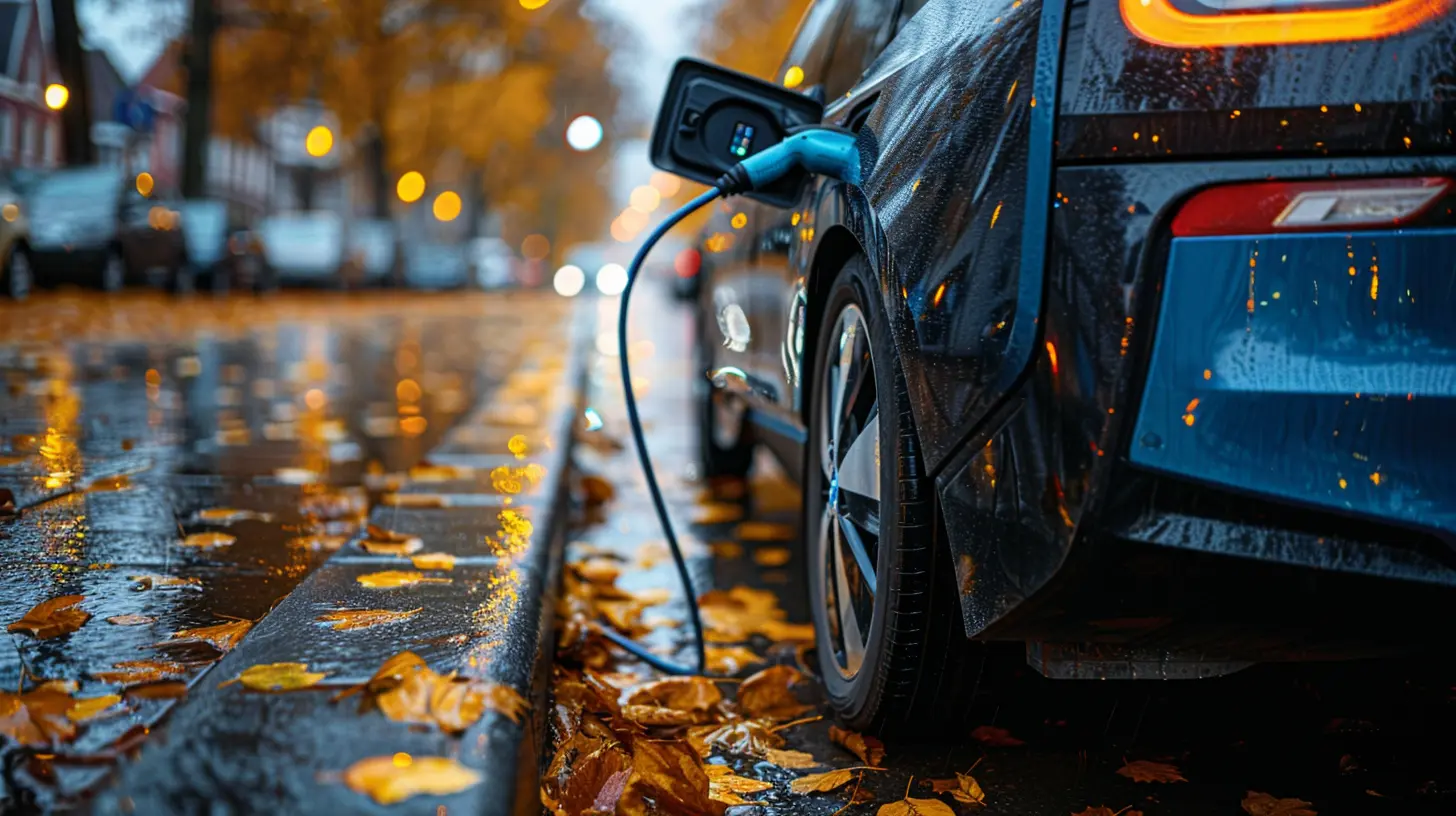
The Core Green Technologies Driving E-Mobility
Let’s look under that electric hood and see what green innovations are making this revolution possible.1. High-Efficiency Electric Motors
These aren’t your granddad’s car engines. Modern electric motors are quieter, smoother, and way more efficient than internal combustion engines (ICEs). They're also easier to maintain—fewer moving parts means fewer things to break.2. Battery Technology: The Heart of the System
Batteries, particularly lithium-ion batteries, have leveled up big time. They’re more powerful, last longer, and charge faster than ever before. We're also seeing promising developments in solid-state batteries and even sodium-ion alternatives, which could shake things up in the near future.3. Renewable Charging Infrastructure
Here’s where green tech really flexes. Solar-powered EV charging stations? Wind-integrated grids? Yup, they’re real—and increasing fast. Charging your ride with clean energy ensures that e-mobility doesn't just move emissions from tailpipes to power plants.4. Smart Grids and Energy Storage
Smart grids manage electricity demand and optimize distribution, which is crucial when thousands of EVs are plugging in daily. Paired with large-scale energy storage systems, cities can ensure a stable, green power supply even when the sun isn’t shining or the wind isn’t blowing.5. Sustainable Manufacturing Practices
Creating a green product starts before the first wheel turns. Manufacturers are shifting toward using recycled materials, renewable energy in production, and circular economy models that prioritize reuse and minimal waste.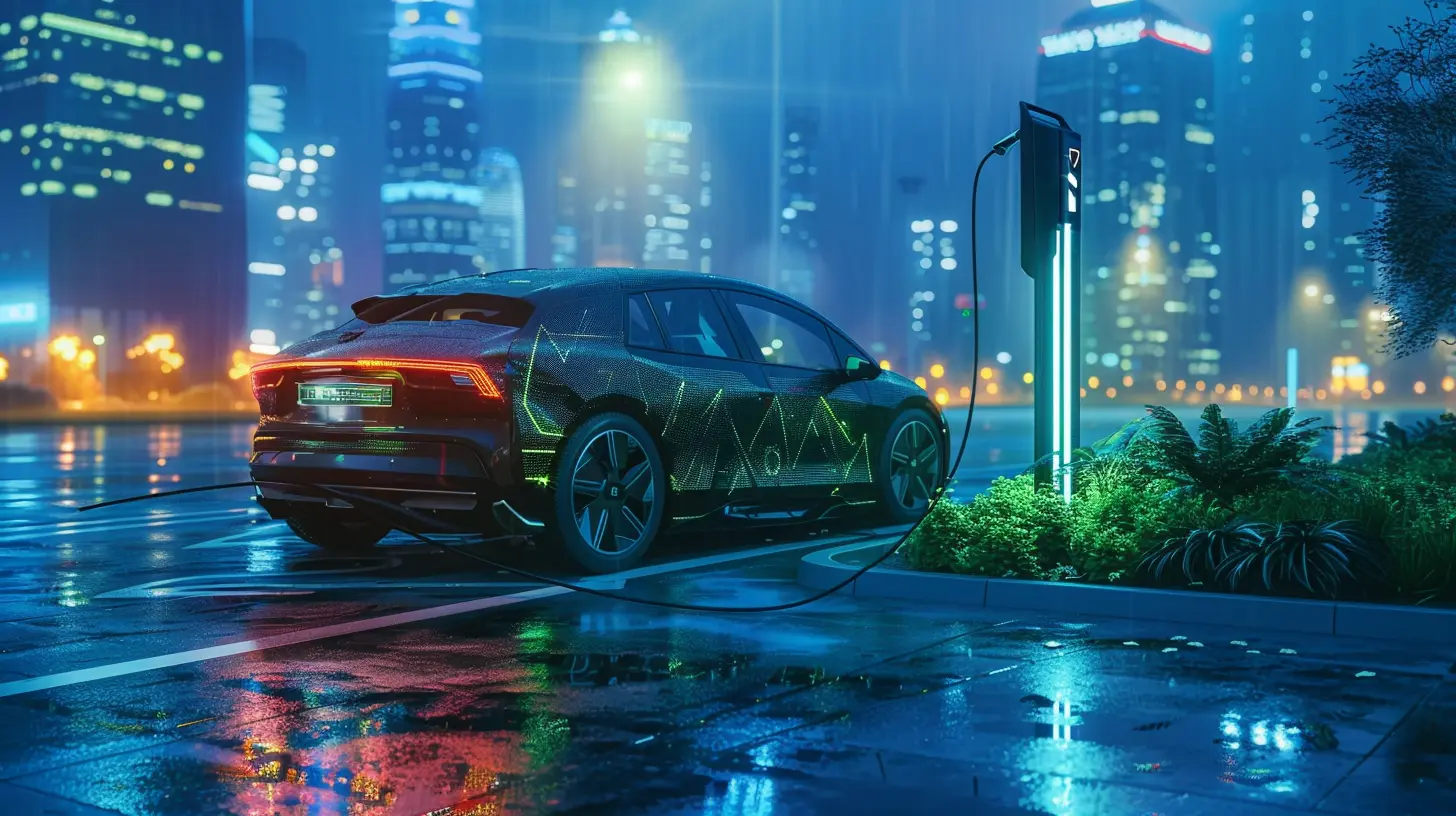
Public Transport + E-Mobility = Urban Game-Changer
Picture this: a fleet of electric buses gliding through the streets, making almost no noise, emitting zero fumes, and charging up at solar-powered stations. That’s not a sci-fi movie—that's happening in cities like Oslo, Shenzhen, and Amsterdam right now.And it doesn't stop there.
- Electric trams and trains are reducing strain on fossil fuels.
- E-bike sharing programs are cutting demand for short car trips.
- Autonomous electric shuttles are being trialed for last-mile connectivity.
It’s a complete makeover that's making cities more livable and far less reliant on privately owned vehicles.
The Role of IoT in Boosting Green E-Mobility
Let’s geek out for a second. The Internet of Things (IoT) isn’t just for fridges that tell you you’re out of milk. In smart transportation, IoT is the silent brain pulling all the strings.- Monitoring traffic patterns
- Locating nearby charging stations
- Predicting battery wear and performance
- Managing fleet logistics in real-time
Thanks to IoT, both public and private e-mobility systems are becoming more efficient, responsive, and user-friendly.
Green Tech’s Impact on Urban Air Quality
Here’s a breath of fresh air—literally. According to numerous environmental studies, transportation emissions account for a significant portion of urban air pollution. By transitioning to EVs and improving charging infrastructure with renewable energy, cities are seeing:- Lower nitrogen oxide (NOx) levels
- Reductions in particulate matter (PM2.5)
- Noticeable improvements in public health
Let’s be real—who doesn’t want to breathe easier while biking to work?
E-Mobility and the Circular Economy: A Perfect Pair
Green tech doesn’t stop when the wheels stop spinning. The lifecycle of electric vehicles is being readdressed with circular economy principles. That means:- Battery recycling and repurposing
- Vehicle part refurbishment
- Use of biodegradable materials
- Upcycled components in new vehicles
Think of it like the Tesla of ecosystems—efficient, closed-looped, and constantly evolving.
Cities Leading the Green E-Mobility Revolution
Some cities are really killing it in this space, and they’re worth shouting out:- Amsterdam: With an impressive network of e-bike highways and EV charging points, the Dutch capital is an e-mobility playground.
- Oslo: Aiming to be car-free, Oslo is investing heavily in e-buses and sustainable urban planning.
- Shenzhen: The entire bus fleet is electric. Yup, all 16,000+ of them.
- San Francisco: Integrating electric ride-sharing and autonomous EV pilots into the mix.
Each of these cities is proving that green transportation isn’t a dream—it’s a decision.
Challenges on the Road Ahead
Of course, no revolution is without roadblocks. Some of the key challenges include:- Infrastructure gaps: Many regions still lack proper EV charging networks.
- High upfront costs: EVs and green tech are still pricey for many consumers.
- Battery disposal: If not managed properly, batteries can pose serious environmental concerns.
- Grid pressure: More EVs mean more load on city power grids.
But here’s the thing: innovation loves a good challenge. And the more we push forward, the more solutions emerge.
The Future of Urban Mobility: Where Are We Headed?
Fast forward ten years. What might cities look like?- AI-powered, electric autonomous taxis
- Zero-emissions zones
- Hyperloops and e-planes for intercity travel
- Decentralized energy systems powering smart transport
It’s not a question of if—it’s when. And green tech will be the engine driving this next chapter of urban evolution.
How You Can Join the Movement
You don’t have to be a tech mogul or a city planner to make a difference. Here's how you can be part of the green e-mobility buzz:- Choose electric: Opt for an EV or e-bike for your daily commute.
- Support clean energy: Power your home or vehicle with renewables.
- Spread the word: Encourage friends and family to make sustainable transport choices.
- Vote smart: Back policies and leaders who prioritize green urban infrastructure.
Every action helps steer the world in a cleaner direction.
Final Thoughts
Green tech and e-mobility aren’t just trendy buzzwords. They’re the keys to rewiring our cities for a more sustainable, efficient, and healthier future. From batteries to buses and solar-charged scooters, this revolution is already underway. The only question left is—are you coming for the ride?Let’s electrify the future, one city at a time.
all images in this post were generated using AI tools
Category:
Green TechnologyAuthor:

Michael Robinson
Discussion
rate this article
2 comments
Sophie McGrath
Great insights! I appreciate how you highlighted the impact of green tech on urban e-mobility. Excited to see future innovations!
February 18, 2026 at 3:56 AM
Michael Robinson
Thank you! I'm glad you found the insights valuable. Exciting innovations are definitely on the horizon!
Gisela Bass
Is our future powered by greens? Unseen forces drive this tech revolution forward.
January 21, 2026 at 5:47 AM
Michael Robinson
Absolutely! The shift towards green technology is not just essential for sustainability; it's also transforming urban mobility in exciting ways.