Harnessing Solar Power: The Future of Renewable Energy
3 January 2026
Have you ever looked up at the sun and thought, “Wow, that giant fireball could power my house someday”? Well, guess what—it already can. Solar energy has gone from a futuristic fantasy to a full-blown reality, and it's not slowing down. Whether you're a tech geek, an eco-warrior, or someone just trying to cut down on your electric bill, solar power is something you need to keep an eye on.
In this article, we’re going to dive deep into the world of solar energy—what it is, how it works, why it matters, and how you can plug into this game-changing source of power. So let’s get started, shall we?
☀️ What is Solar Power, Really?
Alright, let’s strip it down to the basics.Solar power is energy that we get from the sun. You know, that huge nuclear reactor floating 93 million miles away from Earth? It emits these tiny packets of light called photons, and when those photons hit a solar panel, they shake things up at the molecular level and generate electricity. It’s kind of like magic, except it's just physics doing its thing.
But the best part? That energy is free. No drilling. No burning. No emissions. Just pure, clean power from the sky.
🧠 How Does Solar Power Actually Work?
Let’s keep it simple and skip the science textbook.Most solar panels are made up of photovoltaic (PV) cells. These cells are sandwiched between layers of semiconductive materials—typically silicon. When sunlight hits these cells, it kicks electrons into motion. These electrons create a flow of electricity—a direct current (DC). An inverter then converts that DC power into alternating current (AC), which is what your toaster, fridge, and Wi-Fi router actually use.
And voilà! You've turned sunlight into breakfast and memes. Pretty cool, right?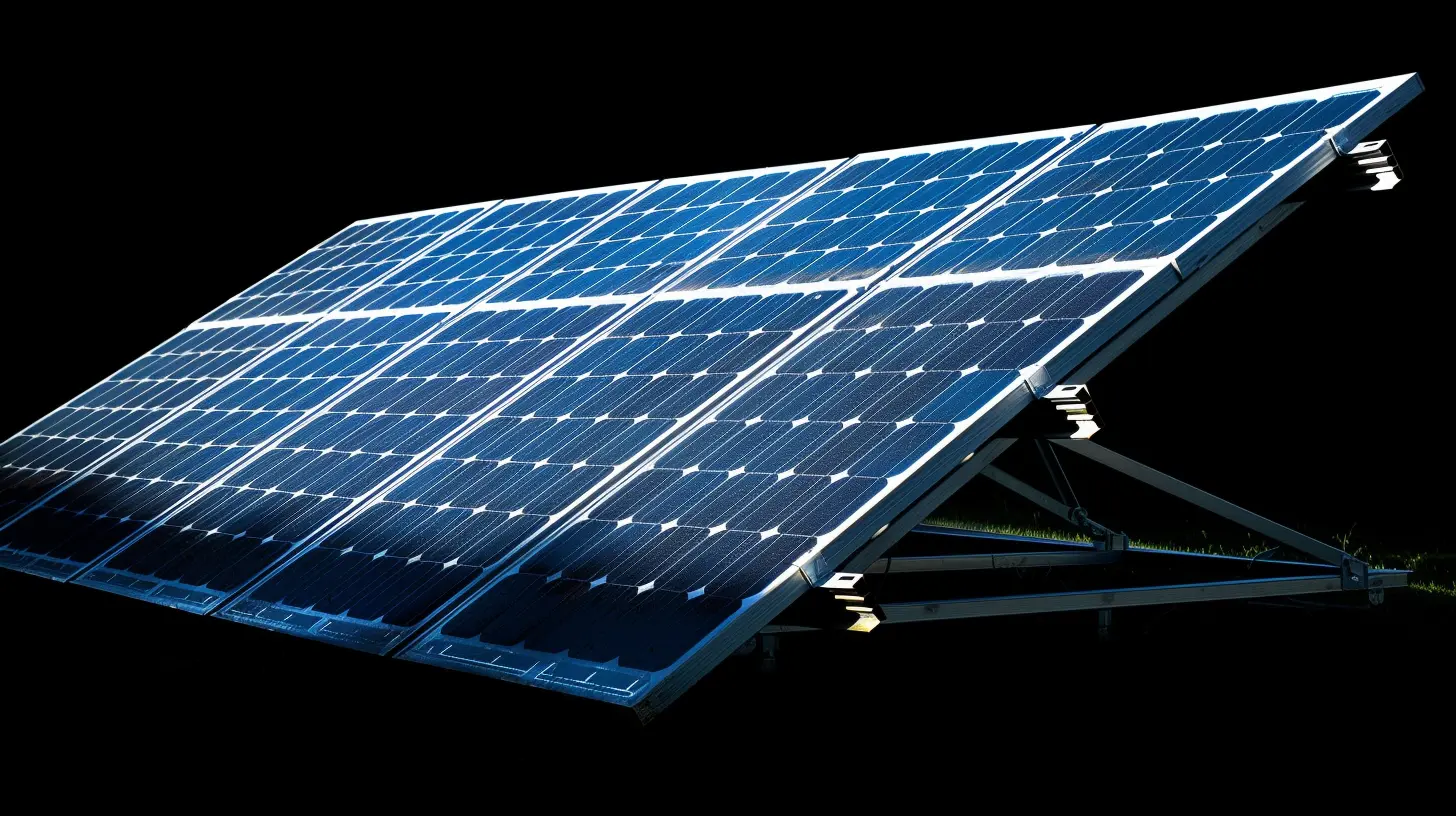
🌍 Why Is Solar Energy the Future?
So, why all the hype around solar power? It’s more than just a trend—it’s a necessity.1. Climate Crisis? Solar Has Our Back
The planet’s heating up, glaciers are melting, and weather’s going bonkers. Burning fossil fuels is the main culprit, and the world knows it. Solar energy offers a genuinely clean alternative. It doesn’t produce greenhouse gases. It doesn’t pollute the air or water. It's just clean energy from the sun.2. Infinite Supply
Unlike coal or oil, the sun isn’t going anywhere anytime soon. We’re talking about 5 billion more years of steady solar output. That’s a lifetime supply of energy waiting to be tapped into, no mining required.3. Lower Bills, Baby!
Who doesn’t love saving money? Installing solar panels means you’re generating your own electricity, which usually means lower utility bills. In some places, you can even sell your extra power back to the grid for a profit. That’s right—your roof can literally make you money.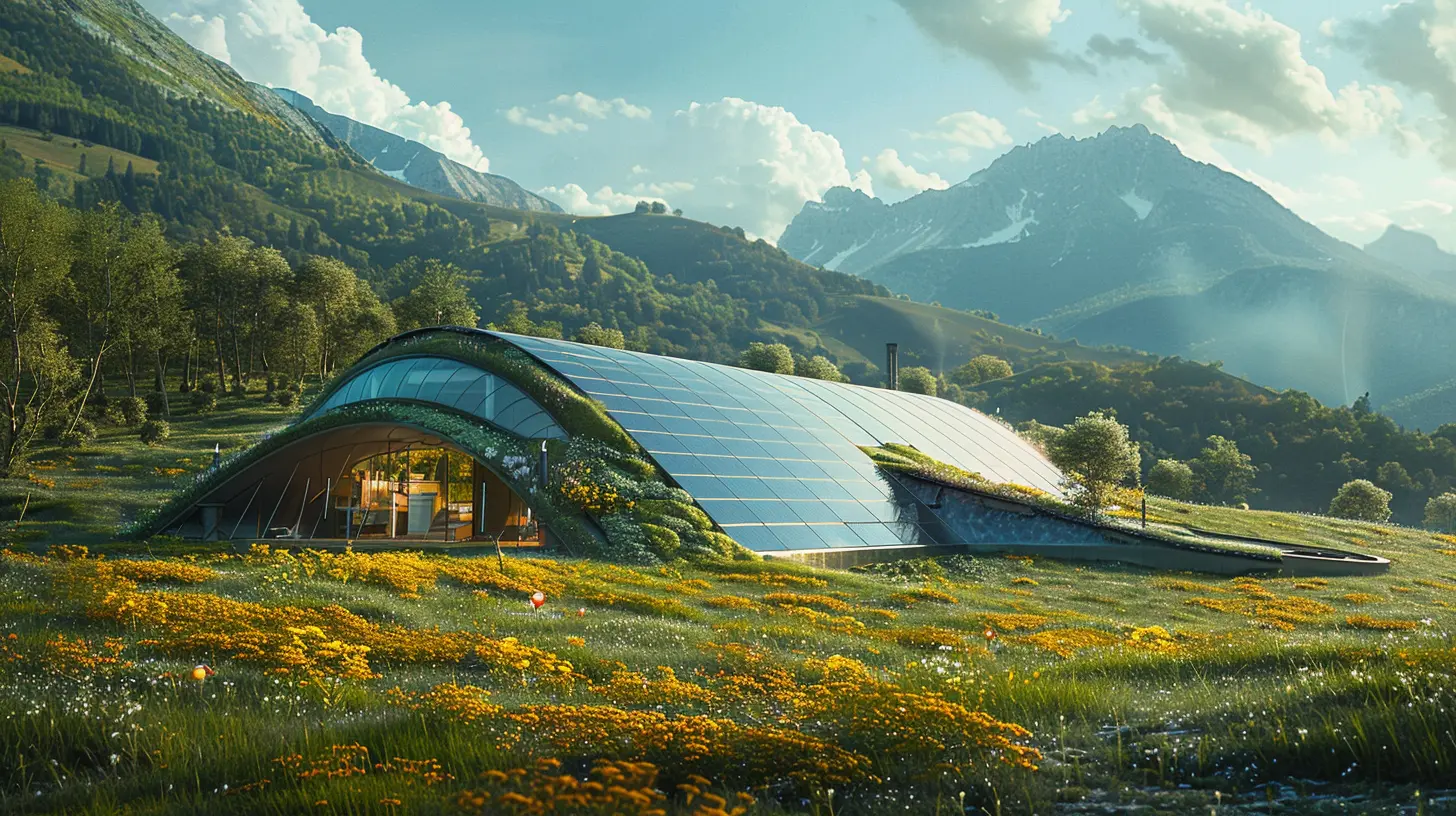
💼 The Solar Industry Is Booming
Solar isn’t just for hippies anymore. It’s big business.Governments around the world are investing heavily in solar infrastructure. Giant solar farms are popping up in deserts, fields, and even floating on lakes. The cost of solar panel systems has dropped more than 70% in the past decade. And jobs in the solar industry? Skyrocketing.
According to the International Renewable Energy Agency (IRENA), the solar sector employs millions worldwide—and that number keeps growing faster than a sunflower in July.
So if you're looking to cash in on a career with a future, solar might be your golden ticket.
🏠 Solar for Homeowners: A Smart Move
Thinking about going solar at home? You’re not alone.More and more homeowners are making the switch. And it's not just about saving the environment—it's about savings, plain and simple. Thanks to government incentives, tax credits, and more affordable technology, installing solar panels has never been easier.
Here's what you can expect:
- Installation Costs: Upfront costs can seem steep, but federal and local incentives can slash these dramatically.
- Tax Breaks: The U.S. federal solar tax credit can save you up to 30% of your installation costs.
- Increased Home Value: Homes with solar systems sell faster and at higher prices. Buyers love energy efficiency.
- Energy Independence: No more sweating over rising energy prices. You're generating your own power.
Isn’t that kind of freedom priceless?
⚡ Types of Solar Technology: Not Just Panels
Solar doesn’t stop at those shiny panels on your neighbor’s roof. There’s more going on behind the scenes.1. Photovoltaic (PV) Panels
These are the most common. They convert sunlight directly into electricity. You’ll see them on rooftops, in parking lots, and in massive solar farms.2. Concentrated Solar Power (CSP)
This is the sci-fi version of solar. CSP uses mirrors or lenses to focus sunlight into a small area, generating intense heat to drive turbines and produce electricity. It’s usually used at large-scale solar plants.3. Solar Thermal Systems
They don’t generate electricity, but they’re great for heating water or air for homes, pools, or industrial use. Think of it as sun-powered hot water on demand.4. Perovskite Cells & Emerging Tech
The future is looking even brighter with new solar materials like perovskite, which could make solar panels cheaper, more efficient, and flexible (literally—imagine solar wallpaper, anyone?).🌐 Solar Power Around the World
Solar energy doesn’t care where you live—it shines on just about everyone.- China
Leading the pack, China is the world’s biggest producer and consumer of solar power. They've got solar farms so massive you can see them from space.- United States
From California rooftops to Arizona deserts, the U.S. is ramping up solar capacity fast. Thanks to federal incentives and state-level support, adoption is soaring.- India
With tons of sunny days and high energy demand, India is a solar hot spot in the making. Programs like “Solar India” are putting panels in even the most rural corners of the country.- Europe
Countries like Germany and Spain were early adopters, setting global benchmarks for solar integration. They’ve proven that even cloudier climates can go solar.⚖️ The Solar Debate: Is It All Sunny?
Let’s keep it real—not everything about solar is sunshine and rainbows.- Intermittency
The sun doesn’t shine 24/7 (unless you live at the North Pole in summer). That means solar can’t deliver power all the time unless you’ve got a way to store it.- Energy Storage
Batteries are getting better, but storing solar energy for night use or cloudy days is still pricey. Tesla Powerwalls and similar tech are promising but not cheap—yet.- Space Requirements
Big solar farms need a lot of land. Not every region has the space, so rooftop systems or urban integration become crucial.But here’s the thing: these challenges aren’t deal-breakers. They're speed bumps on a road that’s already well-paved. With better tech and smarter planning, solar keeps getting more practical.
🔋 The Role of Battery Storage
Okay, let’s talk batteries.You generate all this sunlight during the day, but what happens at night? That’s where energy storage comes in. Think of batteries as your solar system’s pantry—stocking up on power during the day so you can snack on it later.
Modern batteries like lithium-ion packs are getting cheaper, stronger, and longer-lasting. Some systems even let you go completely off-grid. Now that’s real independence.
And you know what seals the deal? A combo of solar panels and storage can act like a personal power plant for your home or business. Backup during blackouts? Check. Lower reliance on the grid? Double-check.
🚗 Solar and Electric Vehicles: A Match Made in Heaven
If you’ve got an electric car, solar power is basically the peanut butter to your jelly.Charging your EV with solar energy takes clean transportation to the next level. You aren’t just cutting gas expenses—you’re crushing your carbon footprint.
Some EV manufacturers are even exploring solar roofs on cars. Imagine your car charging itself as it sits in a sunny parking lot. The future is riding up fast, and it’s running on sunlight.
💡 Tips for Going Solar
Ready to make the leap? Here’s a quick list to get you on the right track:1. Get a Solar Audit: Find out how much sun your roof gets and how much energy you use.
2. Compare Installers: Don’t just say yes to the first quote. Shop around.
3. Understand Warranties: Panels can last 25+ years. Make sure you're covered.
4. Check Incentives: From tax breaks to rebates, there’s free money waiting.
5. Monitor Your System: Use apps to track your solar performance and savings. It’s addictive.
📈 The Bright Future of Solar Power
Here’s the bottom line—solar isn’t a fad. It’s not a Silicon Valley experiment. It's the cornerstone of our energy future.Governments are backing it. Tech is accelerating it. Consumers are embracing it. The sun, quite literally, is rising on a new era of power.
So whether you're interested for the environment, for economics, or just to geek out over cutting-edge tech, solar isn’t just a good idea—it’s the smartest investment under the sun.
And you know what’s even better? The sun shows up every single day—no bill, no contract, just limitless potential. Time to start harnessing it, don’t you think?
all images in this post were generated using AI tools
Category:
Renewable EnergyAuthor:

Michael Robinson
Discussion
rate this article
2 comments
Opal McVicar
Great article! Harnessing solar power is indeed a game changer for our energy future. Excited to see how technology continues to innovate in this space!
February 2, 2026 at 11:53 AM
Michael Robinson
Thanks for your feedback! I share your excitement about the potential of solar technology to transform our energy landscape.
Maya Perry
This article brilliantly captures the transformative potential of solar energy in sustainable development, emphasizing its role in combating climate change and fostering innovation.
January 5, 2026 at 8:12 PM
Michael Robinson
Thank you for your insightful comment! I'm glad you found the article highlights the importance of solar energy in sustainable development and climate action.