How Esports Teams Use Data to Gain a Competitive Edge
7 July 2026
Welcome to the pixelated colosseum, where digital gladiators battle it out—not with swords, but with lightning-fast reflexes, absurdly precise mouse flicks, and yes, mountains of data. If you thought esports was all about twitchy fingers and yelling into microphones, you’re only half right. Because behind every headshot, pentakill, and 9000 APM (actions per minute for the uninitiated), there’s a spreadsheet crying tears of joy.
So, buckle up as we dive head-first into the wonderful, analytical chaos of how esports teams are basically turning into mathletes with better fashion sense. Spoiler alert: They’re not just smashing buttons—they’re doing it with data.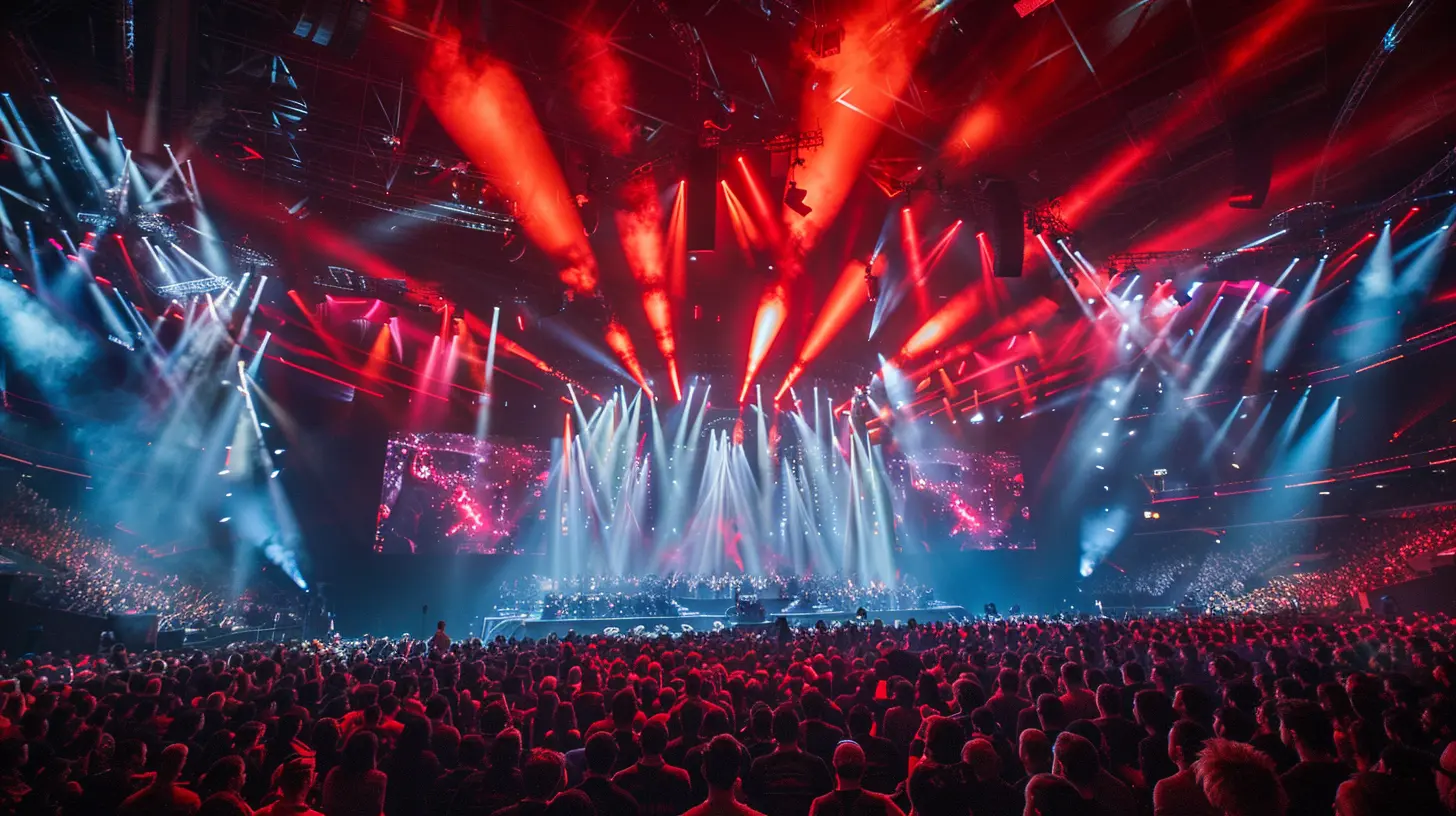
The Myth: Esports Is Just “Playing Games”
Let’s kill this myth right off the bat. You might think that esports athletes are just kids in hoodies yelling “LET’S GOOOO” into webcams while sipping energy drinks and playing for hours. Sure, that’s part of it. But behind those dramatic clutches and flashy plays lie terabytes of data being crunched harder than a bag of Doritos during a LAN party.We're talking tracking eye movement, reaction time, optimal in-game economy usage, enemy behavior prediction, and even—get this—emotional stability metrics. That’s right! Teams now monitor how tilted (read: irrationally angry) a player is. Imagine your coach coming up to you and saying, “Yeah, your K/D ratio is fine, but according to our sentiment analysis, you're emotionally constipated—take a lap.”
Analytics: The Secret MVP
1. In-Game Performance Tracking
Think of data analysts on esports teams like the team’s version of Gandalf. They might not wield magic wands, but they can conjure performance charts with wizard-like precision.Top-tier teams like Team Liquid or T1 don’t just replay matches and look for “mistakes.” They use software that breaks down every single action—where the player clicked, when they rotated on the map, how fast they reacted to visual stimuli.
You know that clutch 1v3 moment? Yeah, the analyst knows your exact DPI, reaction time, and even which enemy you aimed at first, second, and third. Optimal pathing? Check. Cooldown usage efficiency? You betcha.
Tracking software like Aim Lab, Mobalytics, and tools with names only a coder’s mother could love, are transforming how esports teams prepare. Just like NFL teams use video footage and stat sheets, esports teams dissect their gameplay tighter than a CSI crime scene.
2. Data-Driven Draft Strategies
Everyone loves a spicy pick during champion select or draft phase. But behind those wild card choices? Cold, hard data.Esports teams are now relying on pick/ban statistics, historical win rates, meta trends, and opponent habits to plan their drafts. Imagine having years’ worth of game data to tell you, “Hey, Player X always panics when facing Champion Y after minute 25, especially if his jungler is feeding.”
Analysts stack data on enemy tendencies like a deck of Uno cards—waiting for the right time to hit them with the “Reverse + Draw Four” strategy.
3. Heat Maps and Movement Tracking
I know, I know—heat maps sound like something you use to find a tropical beach. But in the world of esports, they’re the breadcrumbs of brilliance.These colorful little beauties show where players are spending most of their time on the map, where fights break out, where resources are being hogged—you name it.
Coaches and analysts use this information to tweak team movement, adjust lane presence, and punish predictable rotations. “Oh, they always huddle around Baron at 20 minutes like it’s a campfire? Let’s set a trap.” Boom. Strategy.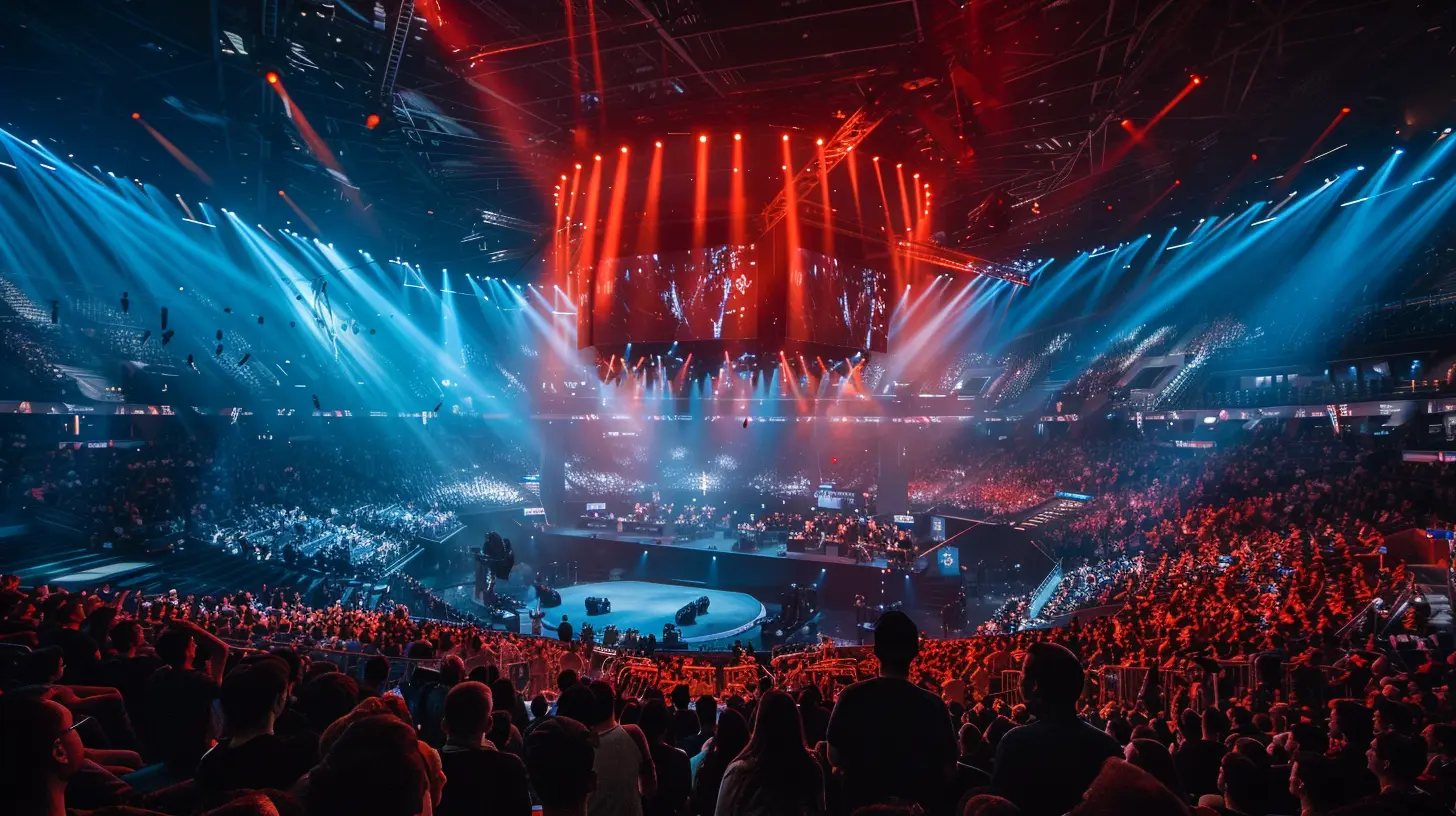
Beyond the Game: Health, Sleep, and Emotional Data
Yes, we’ve reached the part where it gets weirdly wholesome.4. Physical and Mental Wellness Data
Gone are the days when players fueled by Red Bull and insomnia grinded for 14 hours straight. Today’s esports teams are more like Olympic training units.They’re tracking player sleep cycles, stress levels, physical fitness (hello, standing desks!), and even nutrition. Mental health coaches are now a standard part of many orgs—because tilting mid-game can cost more than just your MMR.
Using wearables and even biometric data, teams ensure players are at their best—rested, focused, and hydrated. Imagine being benched because your heartbeat variability was off. That’s 2024, baby.
5. Communication Analysis: Are You Even Talking, Bro?
Communication wins championships—and guess what? It's measured too.Voice comms are now analyzed for tone, clarity, timing, and yes, even synergy. There’s software capable of mapping out who talks the most, who talks the least, and whether their calls lead to wins or chaos.
So next time your support says, “I pinged!!!” after you walk into a trap, maybe they should dial back the sarcasm and up the actual calls.
The Coaching Staff: Now With Data Analysts
6. Coaching Isn't Just Yelling Anymore
Old school coaching: “Look, just don’t feed.”New school coaching: “Based on game 3 of patch 13.2c, your death positioning statistically resembles a silver-tier player. Let’s fix that.”
Coaches now work hand-in-hand with data scientists to build custom training regimes. They personalize scrim sessions, isolate skill gaps, and even schedule breaks based on cognitive load. Think of them as esports psychologists with spreadsheets. Because why not?
Opponent Scouting: Gotta Spy 'Em All
7. Enemy Intel, James Bond Style
If you thought esports teams only focus on their own gameplay, think again. Scouting opponents is a spy-level operation.Teams gather data from match histories, stream VODs, public stats, scrims, and even social media habits (I’m not kidding). Ever wonder why your favorite team banned a totally off-meta champion? Well, turns out their analyst saw you practicing it for 20 games in a row. Congrats—you're predictable.
They even use AI models to simulate how opponents might respond in certain scenarios. It’s like playing chess while guessing your opponent’s next three moves. While blindfolded. And underwater. On fire.
AI and Machine Learning in Esports: Skynet Approves
We're officially in sci-fi territory.Teams are now leveraging machine learning algorithms to identify patterns no human could possibly spot. These models analyze thousands of matches across servers and identify correlations between playstyles, win-rates, and even game patches.
They can predict meta shifts before they happen. It's like predicting the stock market—but instead of losing money, you lose your LP.
Monetizing the Madness: Yes, Data Makes Money Too
Let’s not pretend esports orgs are doing all this out of pure love. No, no. Data equals better performance. Better performance equals more wins. More wins equals... cha-ching!Sponsors love a winner. Investors love predictability. And fans? Well, they love stats for their fantasy leagues and Twitter arguments. So yes, data is not only improving gameplay—it’s feeding the ecosystem.
Some teams even turn their analytical tools into products. Custom dashboards, player analytics, predictive tech—it’s like selling your homework and getting paid for it.
TL;DR: It's Nerds vs. Nerds, and Data Is the Judge
If you're still imagining esports as a bunch of teens yelling into headsets, let me break it to you gently—this is big business, high science, and strategic depth that would make chess grandmasters blush.From micro-analytics to macro-strategy, from sleep tracking to machine learning, esports teams aren’t just gaming. They’re optimizing every millisecond of every match using more data than the Apollo space missions. And if you still think it’s not a “real sport,” feel free to argue with a room full of data scientists armed with pie charts and a vengeance.
So, What’s the Takeaway?
Whether you’re an aspiring pro gamer, a casual esports fan, or someone who just Googled “competitive gaming” out of curiosity, one thing is clear: data holds the joystick now.And honestly? That’s kind of awesome. The beautiful chaos of esports meets the cold logic of numbers—and the result is strategic gameplay at its absolute finest.
Now, if only you could use some of that pro-level data to climb out of Bronze...
all images in this post were generated using AI tools
Category:
EsportsAuthor:

Michael Robinson
Discussion
rate this article
1 comments
Grant McGrath
Data-driven decisions can transform esports performance.
July 8, 2026 at 4:18 AM
Michael Robinson
Absolutely! Leveraging data helps teams identify strengths and weaknesses, leading to smarter strategies and better performance.