How Smart Appliances Will Transform Kitchens in 2027
25 April 2026
Let’s be honest: your kitchen in 2027 won’t just be a room where you cook. It’ll be a living, breathing ecosystem—a digital assistant that anticipates your hunger, manages your pantry, and even saves you from burning dinner (again). By 2027, smart appliances won’t be a luxury; they’ll be the norm. And if you think today’s “smart” fridges that show you the weather are impressive, buckle up. The coming wave of AI-driven, IoT-connected kitchen tech is about to make your current setup look like a stone-age cave.
I’m not here to sugarcoat it. The transformation is massive, and it’s happening faster than most people realize. So, grab your digital spatula, and let’s dive into how smart appliances will completely reshape the heart of your home in just a few years.
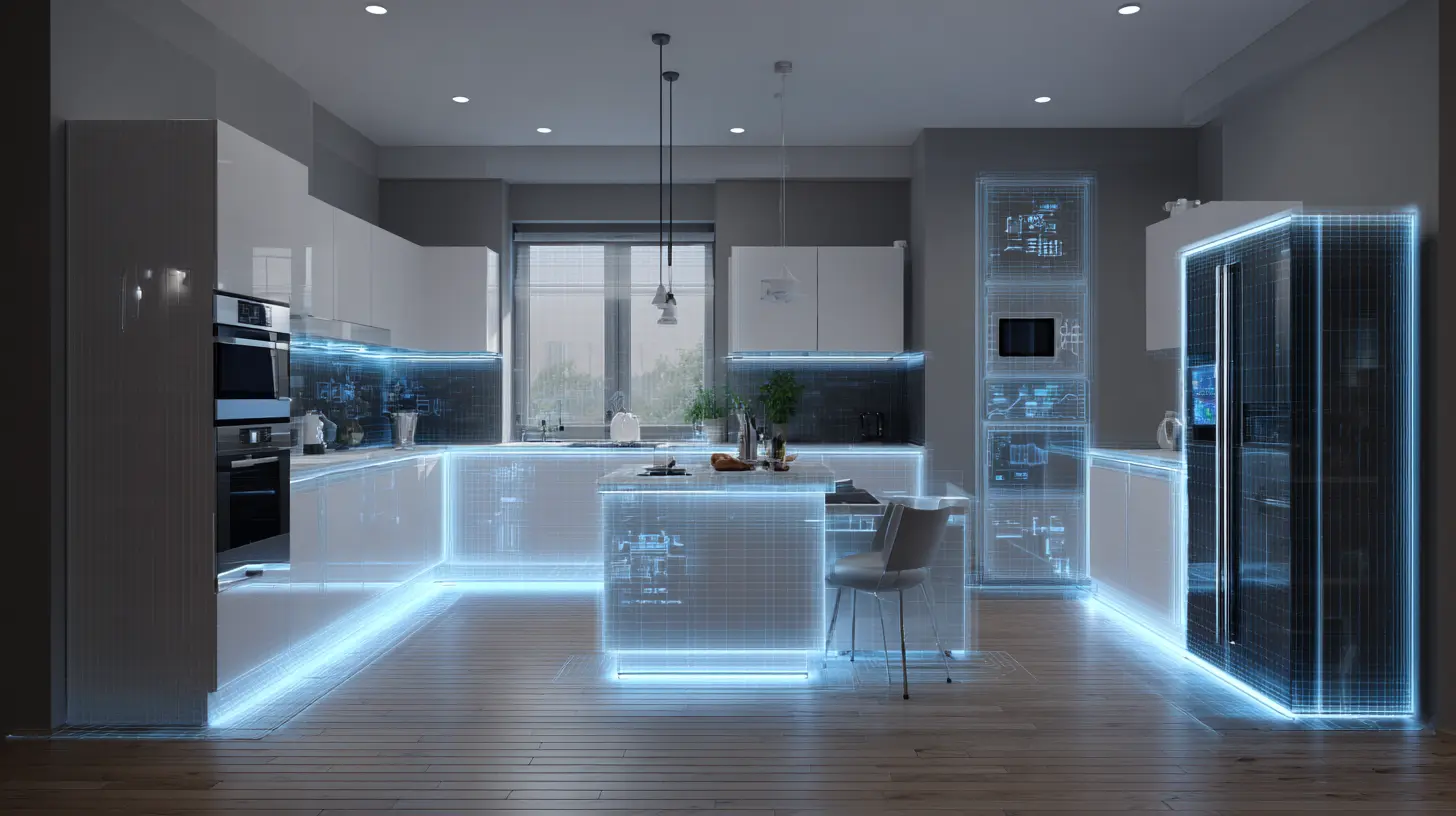
The Kitchen as Your Personal Chef: AI Takes Over Decision Fatigue
Remember the days when you’d stand in front of an open fridge, staring blankly at leftovers, wondering what the hell to cook? That’s about to become a nostalgic memory. By 2027, your kitchen will know what you have, what you’re craving, and even what your blood sugar levels are (yes, really).Why? Because AI won’t just assist—it will decide.
Smart refrigerators in 2027 will be equipped with internal cameras, weight sensors, and RFID scanners that track every item you store. They’ll know the difference between a ripe avocado and a sad, brown one. When you’re low on milk, it’ll auto-add it to your shopping list—or, if you’ve opted for subscription services, it’ll order a replacement directly from your preferred store. No more “I swear I had eggs” moments.
But here’s the kicker: your fridge will talk to your oven. Imagine this: you toss a chicken breast in the smart oven, and the fridge tells the oven, “Hey, that chicken came from a batch that’s 3 days old. Cook it at 375°F for 22 minutes, not 18.” The oven adjusts automatically. You don’t even have to think about it. It’s like having a sous-chef who never sleeps, never complains, and never steals your snacks.
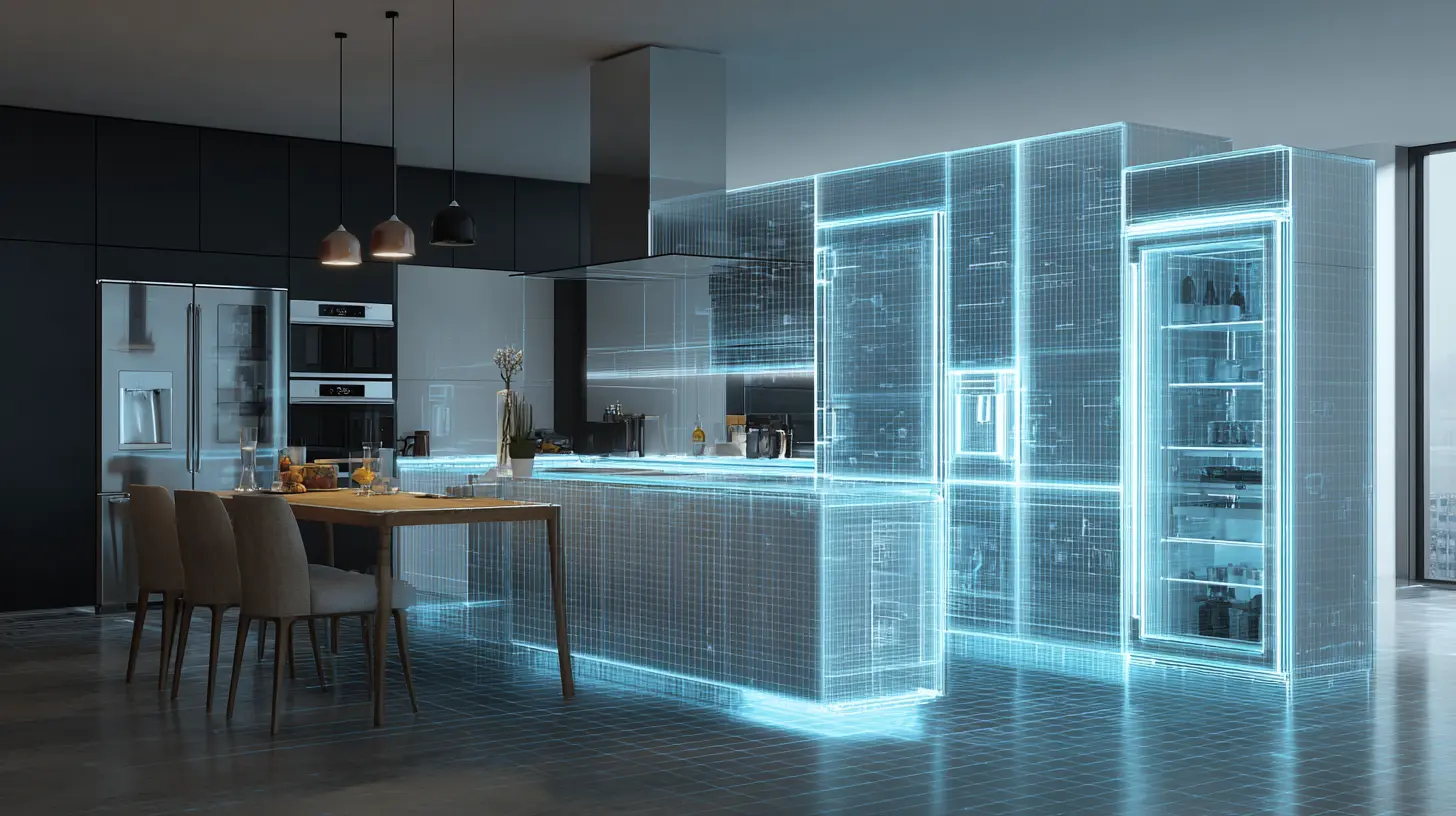
Ovens That See, Learn, and Never Burn Your Food
Let’s talk about the star of the show: the smart oven. In 2027, the humble oven will evolve into a multi-sensory cooking robot. Current smart ovens already let you control temperature via an app, but the next generation will use computer vision and thermal sensors to see your food.How does that work? The oven will recognize what you’ve placed inside—a pizza, a casserole, a rack of lamb—and automatically select the optimal cooking profile. Burnt edges? Not anymore. The oven will monitor browning in real-time and adjust heat zones to ensure even cooking. It’s like having a Michelin-star chef’s intuition, but in a metal box.
And here’s where it gets wild: some prototypes already allow you to scan a barcode on a pre-packaged meal, and the oven downloads the exact cooking instructions from the cloud. By 2027, this will be standard. You’ll never need to guess “350°F for 30 minutes” again. The appliance will do the math, factoring in altitude, humidity, and even your personal preference for crust texture.
Rhetorical question: How many times have you checked the oven every five minutes like a nervous parent? That anxiety is about to disappear.
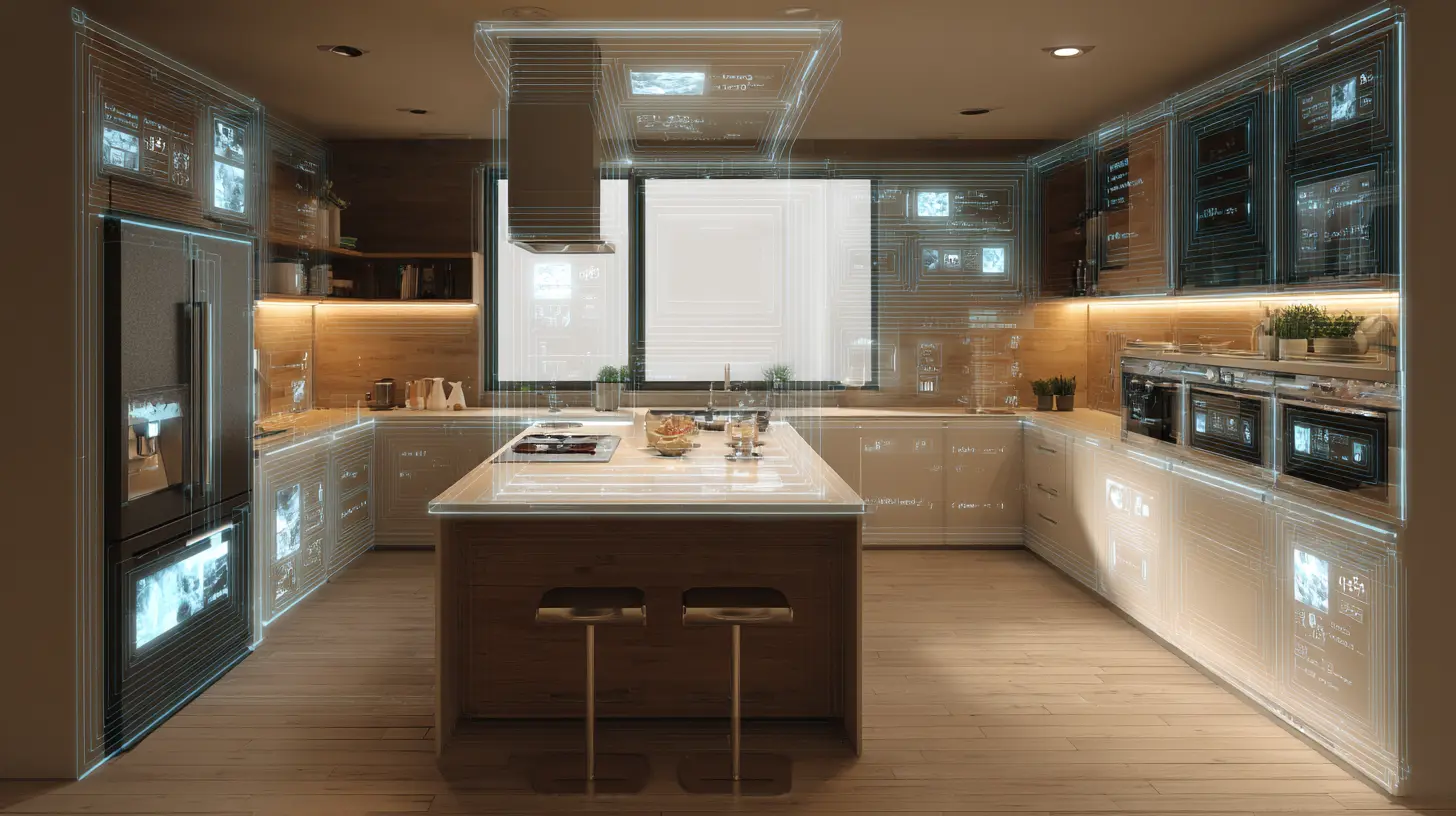
The Fridge That Manages Your Health (And Your Guilt)
Your 2027 refrigerator won’t just keep things cold—it’ll be a wellness coach. With integrated health sensors, your fridge can scan your smartwatch data, track your calorie intake, and even suggest meals based on your fitness goals. If you’ve been slacking on protein, it’ll recommend a high-protein recipe using what you have on hand.But wait—there’s a darker side. Your fridge might also judge you. Imagine opening the door at 11 PM for a slice of cheesecake, and the fridge says (via a small speaker), “You’ve already consumed 1,800 calories today. Are you sure?” That’s not a joke—prototypes with voice feedback already exist. By 2027, they’ll be common.
Is this helpful or intrusive? That depends on your perspective. For health-conscious individuals, it’s a game-changer. For the rest of us, it’s a guilt-tripping robot. But hey, at least it’ll save you from late-night regret.
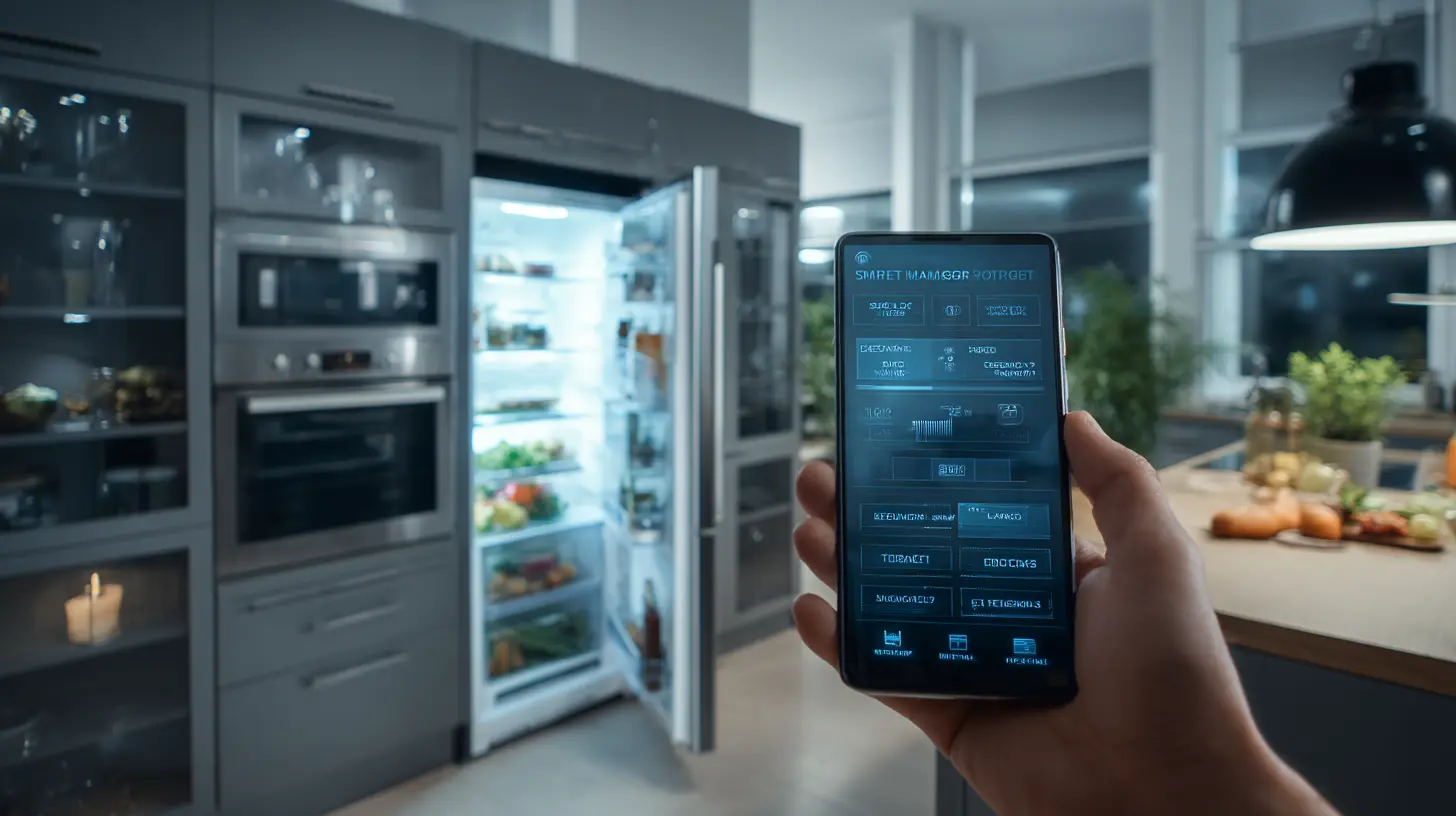
Smart Countertops and Induction Cooktops: The Speed of Light
Forget waiting for water to boil. In 2027, induction cooktops will be so advanced that they’ll heat a pot of water in under 60 seconds. But that’s just the start. Newer models will use “sensor fusion” to detect the exact size and shape of your pan, adjusting the magnetic field for maximum efficiency. No more wasted heat or burnt handles.And countertops? They’ll become interactive surfaces. Imagine a quartz countertop that doubles as a digital cutting board, displaying a recipe video directly under your knife. Some companies are already developing “smart surfaces” that can weigh ingredients, measure temperature, and even charge your phone wirelessly. By 2027, your countertop will be the command center of your kitchen—a seamless blend of cooking surface and computer screen.
Metaphor: Think of it like the dashboard of a Tesla. Instead of fiddling with knobs and dials, you’ll swipe, tap, and talk to your countertop. It’s cooking, but with the UX of a smartphone.
The Dishwasher That Doesn’t Waste Water—Or Your Time
Dishwashers are boring, right? Not in 2027. The next generation of dishwashers will use AI to analyze load size, soil level, and even the type of dishes (glass vs. ceramic vs. cast iron). It’ll adjust water pressure, cycle length, and detergent dosage automatically. No more pre-rinsing—just scrape off the big chunks and let the machine do the heavy lifting.But here’s the real revolution: water recycling. Some smart dishwashers in 2027 will capture and filter greywater from your sink, reusing it for the rinse cycle. This isn’t just eco-friendly; it’s a necessity in drought-prone regions. Your dishwasher will become a mini water-treatment plant, saving gallons per load.
And voice control? Obviously. You’ll say, “Hey, dishwasher, start the heavy-duty cycle after midnight,” and it’ll obey. It’s like having a butler who specializes in cutlery.
The Pantry That Orders Itself: Inventory Management on Autopilot
One of the biggest headaches of modern cooking is inventory management. You buy a jar of cumin, use it once, and it sits in the back of the cabinet for three years. Smart pantries will solve this. By 2027, many kitchens will have dedicated smart shelves or cabinets equipped with weight sensors and RFID tags. Every time you remove a bag of flour, the system logs it. When you’re down to the last 10% of a staple, it’ll automatically add it to your grocery list.But what about expiration dates? The pantry will track those too. Before you reach for that can of beans from 2022, the system will flash a warning: “Expired. Replace with newer stock.” It’s like having a personal inventory manager who never forgets.
Burstiness alert: This level of automation might sound overwhelming, but it’s actually liberating. You’ll spend less time thinking about logistics and more time actually cooking. And isn’t that the whole point?
The Coffee Maker That Knows Your Mood (And Your Caffeine Tolerance)
Let’s not forget the most important appliance: the coffee maker. In 2027, your coffee machine will be a barista-level genius. It’ll integrate with your sleep tracker to determine when you need a jolt versus when you should stick to decaf. It’ll grind beans based on the humidity level of the day (yes, that matters for flavor). And it’ll even adjust brew temperature based on the roast profile—light roasts need cooler water, dark roasts need hotter.Imagine waking up, walking into the kitchen, and your coffee is already brewing with the perfect ratio of water to grounds—because the machine checked your calendar and saw you have an early meeting. It’s not just convenience; it’s anticipation. Your coffee maker will care about your day more than your coworkers do.
Security and Privacy: The Elephant in the Smart Kitchen
Now, let’s address the uncomfortable truth: all these smart appliances collect data. Your fridge knows your eating habits. Your oven knows when you cook. Your coffee maker knows your sleep schedule. In 2027, this data will be a goldmine for advertisers—and a potential nightmare for privacy.Will your refrigerator sell your data to a diet soda company? Probably not directly. But manufacturers will likely offer “premium” tiers that keep your data private, while basic models might use anonymized data for targeted ads. It’s the same trade-off you see with smartphones. The key is to read the fine print and choose brands that prioritize encryption and local processing over cloud storage.
My advice? Treat your smart kitchen like you treat your smart home—use strong passwords, update firmware regularly, and disable any feature that feels invasive. The convenience is real, but it’s not worth sacrificing your privacy for a perfectly cooked steak.
The Cost: Is It Worth It?
Let’s be real: smart appliances aren’t cheap. A 2027 smart fridge could cost anywhere from $3,000 to $8,000. A high-end induction cooktop with AI might run you $4,000. But here’s the thing: they’ll save you money over time. Reduced food waste (thanks to inventory tracking), lower energy bills (due to optimized cycles), and fewer takeout orders (because you’ll actually cook) can offset the initial investment.Think of it like buying a hybrid car. The upfront cost hurts, but you save at the pump. Similarly, a smart kitchen is an investment in efficiency. Plus, by 2027, competition will drive prices down. You’ll see mid-tier brands offering “smart lite” versions that cover the basics without the premium price tag.
The Human Element: Will We Still Cook?
Here’s the big philosophical question: if appliances do all the thinking, will we lose the joy of cooking? I don’t think so. Cooking is about more than temperature and timing—it’s about creativity, comfort, and connection. A smart oven can’t replicate the feeling of kneading dough with your kids or the smell of garlic sizzling in olive oil.What smart appliances will do is remove the drudgery. No more burnt toast. No more ruined soufflés. No more panic when guests show up early. You’ll have more mental space to experiment, to improvise, and to enjoy the process. The appliances handle the science; you handle the art.
Metaphor: It’s like a guitarist using a tuner pedal. The pedal ensures the notes are perfect, but the musician still decides which chords to play. Your smart kitchen is the tuner pedal for your culinary creativity.
The Future Is Already Here (Sort Of)
If you’re skeptical, I get it. Tech promises a lot and delivers less. But the pieces for this 2027 transformation are already in place. Samsung’s Family Hub fridge, GE’s smart ovens with Wi-Fi, and LG’s InstaView line are all precursors. What’s missing is the integration—the seamless conversation between appliances. By 2027, that gap will close.What should you do right now? Start small. Buy a smart plug for your slow cooker. Try a voice-controlled coffee maker. Dip your toes in. By the time 2027 rolls around, you’ll be ready to upgrade without feeling like a tech illiterate dinosaur.
Conclusion: Your Kitchen, Reimagined
The kitchen of 2027 will be a place where technology fades into the background, working silently to make your life easier, healthier, and more delicious. It’s not about gimmicks—it’s about genuine utility. From fridges that manage your diet to ovens that cook perfectly every time, these appliances will transform how we interact with food.So, are you ready for a kitchen that actually helps you instead of just sitting there looking pretty? Because by 2027, there’s no going back. The smart kitchen isn’t a trend—it’s the new standard. And honestly? I can’t wait.
all images in this post were generated using AI tools
Category:
Technology ReviewsAuthor:

Michael Robinson
Discussion
rate this article
2 comments
Morrow Johnson
Excited for a smarter, greener, and more creative kitchen future
April 30, 2026 at 4:04 AM
Michael Robinson
Thanks! The future of kitchens is looking bright, and I can't wait to see how these innovations will enhance our cooking experiences.
Siena McCune
Futuristic kitchens awaken.
April 25, 2026 at 2:32 AM
Michael Robinson
Absolutely, the future of kitchens is exciting. Smart appliances will enhance efficiency and convenience in ways we're just beginning to imagine.