Smart Clothing: The Future of Wearable Innovation
30 January 2026
Technology is creeping into every aspect of our lives, from smartphones and smart homes to now—smart clothing. Yeah, you read that right! Clothes are no longer just about fashion or comfort; they’re becoming intelligent, interactive, and downright futuristic. Smart clothing is shaping up to be the next big thing in wearable technology, blending fabrics with sensors and connectivity to create garments that do way more than just cover your skin.
So, what exactly is smart clothing, and why is it gaining traction? Let’s dive into the world of high-tech fashion and see how it’s revolutionizing the way we dress.
What Is Smart Clothing?
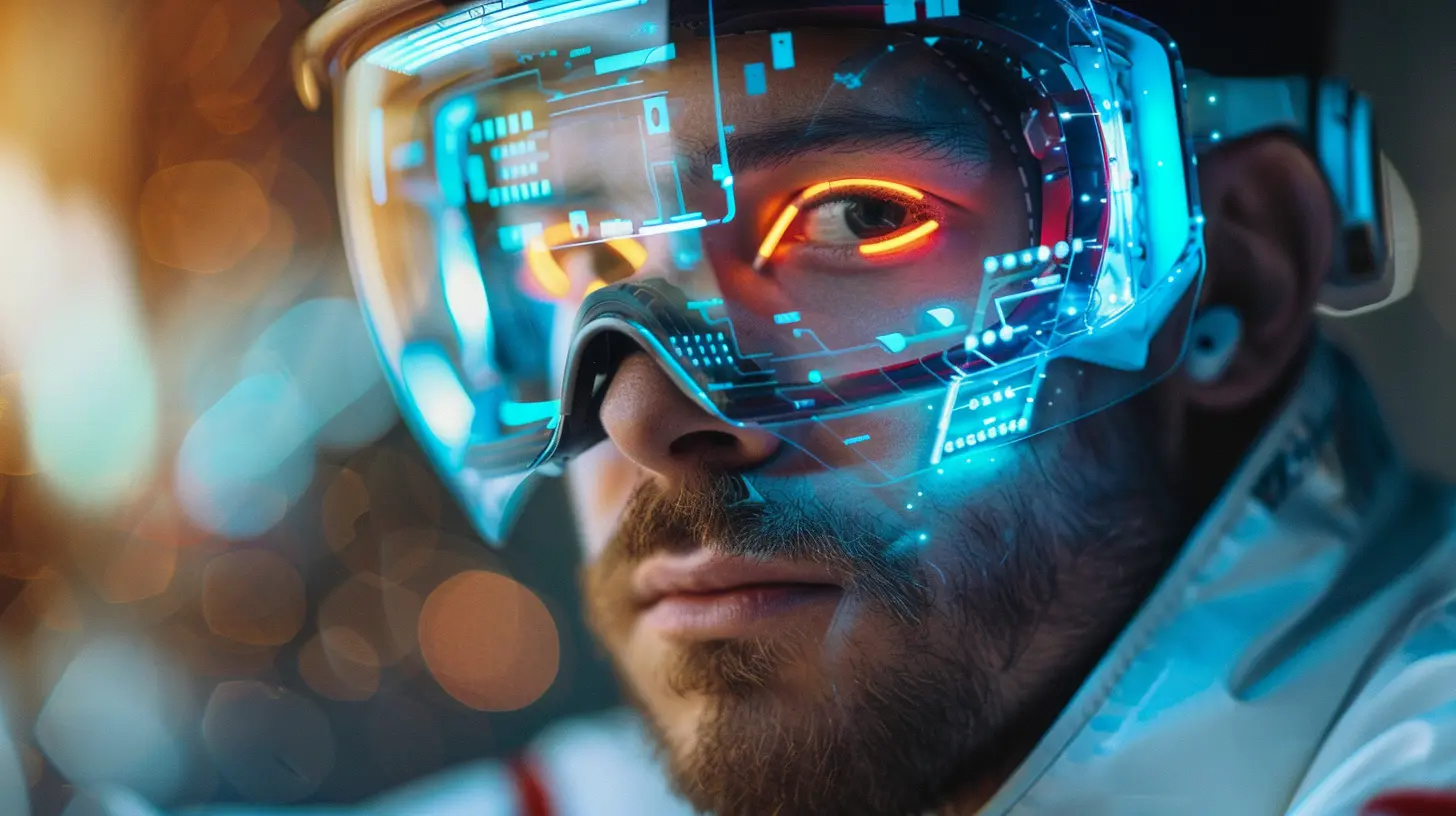
Smart clothing, also known as e-textiles or electronic textiles, integrates advanced technology into fabrics to offer features beyond traditional garments. These aren't just fitness trackers strapped onto your wrist—these are full-fledged clothes equipped with sensors, AI, and even internet connectivity.From monitoring your heart rate and body temperature to changing colors based on your mood, smart clothing is stepping up the game in health, fitness, sports, and even fashion. The possibilities are endless!
How Smart Clothing Works
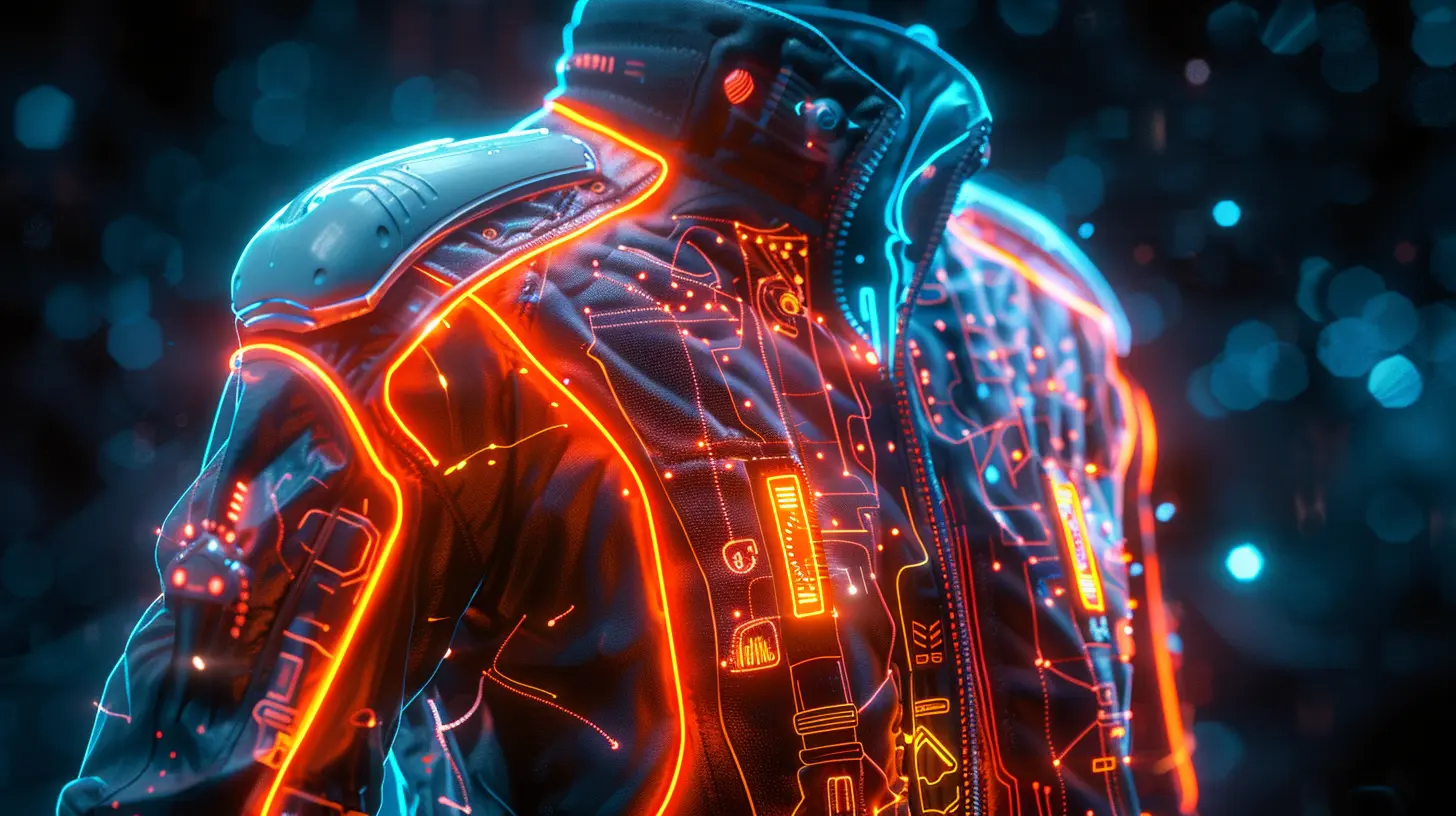
At its core, smart clothing relies on embedded sensors, conductive threads, microelectronics, and wireless connectivity. These components work together to collect data, analyze it, and transmit useful insights to a smartphone or cloud-based system.For instance, imagine wearing a shirt that monitors your posture and sends alerts when you start slouching. Or socks that track your steps and analyze your gait to prevent injuries. The level of innovation is simply mind-blowing.
Key Technologies Powering Smart Clothing
- Sensors & Conductive Fibers – Tiny sensors woven into the fabric detect movement, temperature, and other biometric data.- Microprocessors – These process data and communicate with external devices like your smartphone.
- AI & Machine Learning – Helps analyze patterns, detect abnormalities, and provide useful feedback.
- Wireless Connectivity – Bluetooth, Wi-Fi, and NFC enable data transfer and real-time monitoring.
- Energy Harvesting Tech – Some smart clothes generate power from body heat or movement, eliminating the need for frequent charging.

The Impact of Smart Clothing on Everyday Life
1. Health & Fitness Monitoring
One of the biggest advantages of smart clothing is its ability to track health metrics in real time. Instead of relying solely on smartwatches or fitness bands, you can wear clothes that seamlessly monitor your vitals without even thinking about it.- Heart rate & ECG tracking: Shirts with built-in sensors can keep tabs on your heart rate, helping detect irregularities early.
- Posture correction: Smart shirts and bras can gently vibrate when you slouch, reminding you to sit upright.
- Temperature regulation: Some garments adjust fabric thickness or release cooling/heating elements based on your body temperature.
Imagine a world where your t-shirt can warn you about an impending heart attack before you even feel symptoms. That’s not sci-fi—it’s becoming reality.
2. Sports & Performance Enhancement
Athletes are embracing smart clothing to optimize training and prevent injuries. These high-tech garments provide real-time feedback on movement, muscle engagement, and hydration levels.- Smart socks for runners: These track foot pressure, analyze stride, and help prevent injuries.
- Compression shirts with muscle-tracking sensors: Great for monitoring muscle fatigue and ensuring balanced workouts.
- Temperature-controlled sportswear: Helps athletes stay cool or warm based on environmental conditions.
For pros and amateurs alike, the ability to fine-tune performance like never before is a game-changer.
3. Fashion Meets Functionality
Who says tech geeks don’t have style? Smart clothing is merging fashion with technology, offering eye-catching designs that adapt to surroundings.- Color-changing fabrics: Dresses and jackets that change colors based on heat, mood, or even voice commands.
- Illuminated fashion: LED-infused clothing that can display messages or images, perfect for concerts and events.
- Adaptive clothing for people with disabilities: Self-fitting garments make dressing easier for people with mobility challenges.
Fashion is no longer just about aesthetics; it's about expressing yourself dynamically and practically.
4. Military & Tactical Applications
Smart clothing is making waves in the military, offering enhanced protection and intelligence gathering.- Bulletproof smart fabrics: Lightweight yet highly durable, offering flexibility and safety.
- Temperature-modulating suits: Automatically adjust based on environmental conditions.
- Bio-monitoring uniforms: Help assess soldiers' vital signs during combat or training.
These innovations could be life-saving in high-risk environments.
5. Everyday Convenience & Comfort
Smart clothing isn’t just for athletes, patients, or soldiers—it’s for everyone! These everyday applications will soon become the norm:- Self-cleaning fabrics: Say goodbye to laundry! These clothes break down dirt and odors automatically.
- Weather-responsive jackets: No more layering struggles! Jackets that adjust warmth as per the weather.
- Gesture-controlled wearables: Imagine sleeves that can control your phone with simple swipes.
Practical, comfortable, and effortlessly smart—what’s not to love?

Challenges & Limitations of Smart Clothing
Despite its promise, smart clothing is still battling a few hurdles:- High Costs – Advanced tech means higher price tags, making smart clothing less accessible.
- Durability Issues – Washing smart clothes is a challenge since electronics and water don’t mix well.
- Limited Battery Life – Frequent charging can be inconvenient for users.
- Privacy & Data Security – Since these clothes collect biometric data, privacy is a concern.
But like any new technology, these challenges will likely be tackled over time as innovation continues.
The Future of Smart Clothing
So, where are we headed? The future looks incredibly exciting! As materials become more flexible, affordable, and energy-efficient, smart clothing will shift from a luxury to an everyday essential. Here’s what we can expect:- Affordable smart wearables for everyone – Prices will drop as production scales up.
- Integration with smart homes – Your clothes could sync with your home’s temperature, lighting, and even music preferences.
- Ultra-thin & stretchable electronics – Making wearables feel just like regular clothes.
- Sustainable smart fabrics – Eco-friendly textiles that reduce waste and energy consumption.
It’s just a matter of time before our wardrobes become as connected as our smartphones.
Final Thoughts
Smart clothing isn't just a gimmick—it’s a full-blown revolution in wearable technology. It’s changing how we monitor our health, enhance performance, express ourselves, and even interact with our surroundings. While there are still a few bumps along the road, the potential is undeniable.Would you wear smart clothes? They might just be the future we never knew we needed.
all images in this post were generated using AI tools
Category:
Wearable DevicesAuthor:

Michael Robinson
Discussion
rate this article
2 comments
Thea Curry
Smart clothing: where fashion meets function and your shirt may soon be smarter than you! Imagine a wardrobe that checks the weather, plays your playlist, and even reminds you to stand up. Who knew being stylish could come with a side of tech-savvy? Fashion-forward meets brainy threads!
March 9, 2026 at 5:47 AM
Michael Robinson
Absolutely! Smart clothing is revolutionizing the way we think about fashion, merging style with functionality and enhancing our daily lives with innovative technology. Exciting times ahead!
Azura McCloud
Great insights on smart clothing! Excited to see how this technology evolves.
January 30, 2026 at 5:58 AM
Michael Robinson
Thank you! I'm glad you enjoyed the article. Exciting times ahead for smart clothing!