How Wearable Tech is Revolutionizing the Medical Field
16 March 2026
Let’s be honest—when we think about wearable tech, the first image that probably pops into our heads is someone flexing their shiny new smartwatch or counting their steps like their life depends on it. But hold onto your Fitbits, folks, because wearable technology has taken a sharp turn into the medical world, and it’s not just about burning calories anymore.
Today, wearable tech is breaking out of the gym and stepping into the hospital (well, not literally). From predicting heart attacks before they happen to managing chronic diseases like diabetes, it's turning the healthcare field upside down—in the best way possible.
Ready to dive in? Buckle up. Things are about to get nerdy (in the coolest way).
The Rise of Wearables: Not Just for Fitness Fanatics Anymore
Remember when Fitbits were all the rage, and everyone suddenly became obsessed with hitting 10,000 steps a day? While that trend hasn’t faded entirely, wearable tech has evolved way beyond calorie counting and step tracking.Now, we’re talking about devices that can:
- Track vital signs in real-time
- Monitor chronic health conditions
- Send health data directly to your doctor
- Alert medical professionals to emergencies (like seizures or heart irregularities)
It’s like having a medical assistant strapped to your wrist—or chest, or finger, or even inside your shoe. Yep, they’ve gone that far.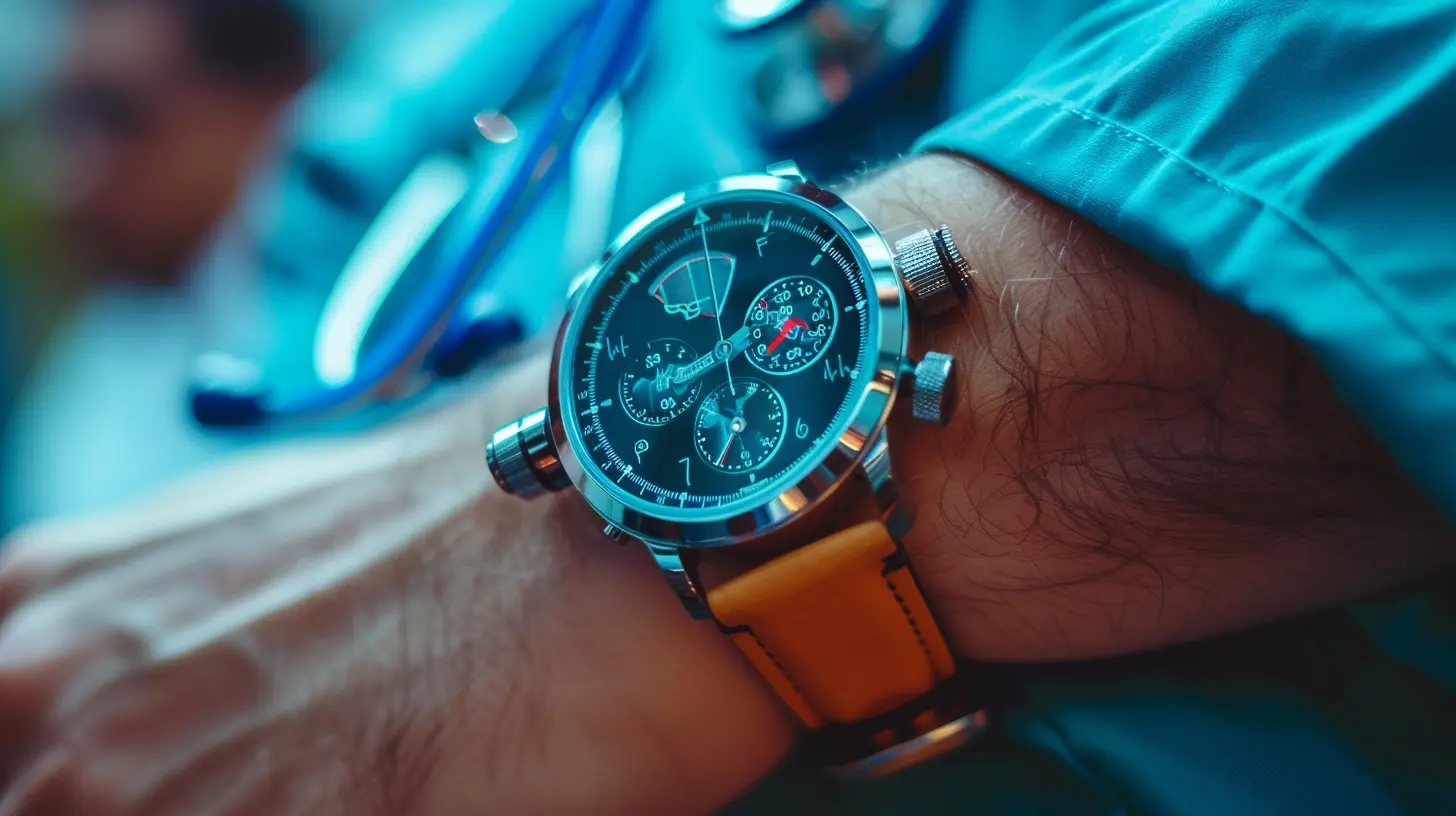
From Gadgets to Guardians: How Wearables Are Saving Lives
Imagine a tiny device that knows something's wrong with your heart before you feel a single symptom. Sounds like science fiction, right? Well... welcome to wearable tech in the 21st century.🫀 Monitoring Heart Conditions Like a Pro
Take the Apple Watch, for example. It’s no longer just a stylish timepiece. With ECG (electrocardiogram) capabilities, it can detect irregular heart rhythms like atrial fibrillation (AFib). One little alert could literally save your life.And it’s not just Apple. Other wearables like the Withings ScanWatch and Fitbit Sense are stepping up their cardiology game too. These devices quietly gather data, analyze trends, and let users—and their doctors—know when something’s off.
💨 Breathing Easy with Respiratory Monitoring
For folks with asthma or chronic obstructive pulmonary disease (COPD), even a minor change in breathing can be a red flag. Wearables embedded with respiratory sensors help track oxygen saturation levels and breathing rates in real time.If your oxygen dips dangerously low, a wearable can notify you—or emergency services if needed. That's some serious sci-fi superhero stuff right there.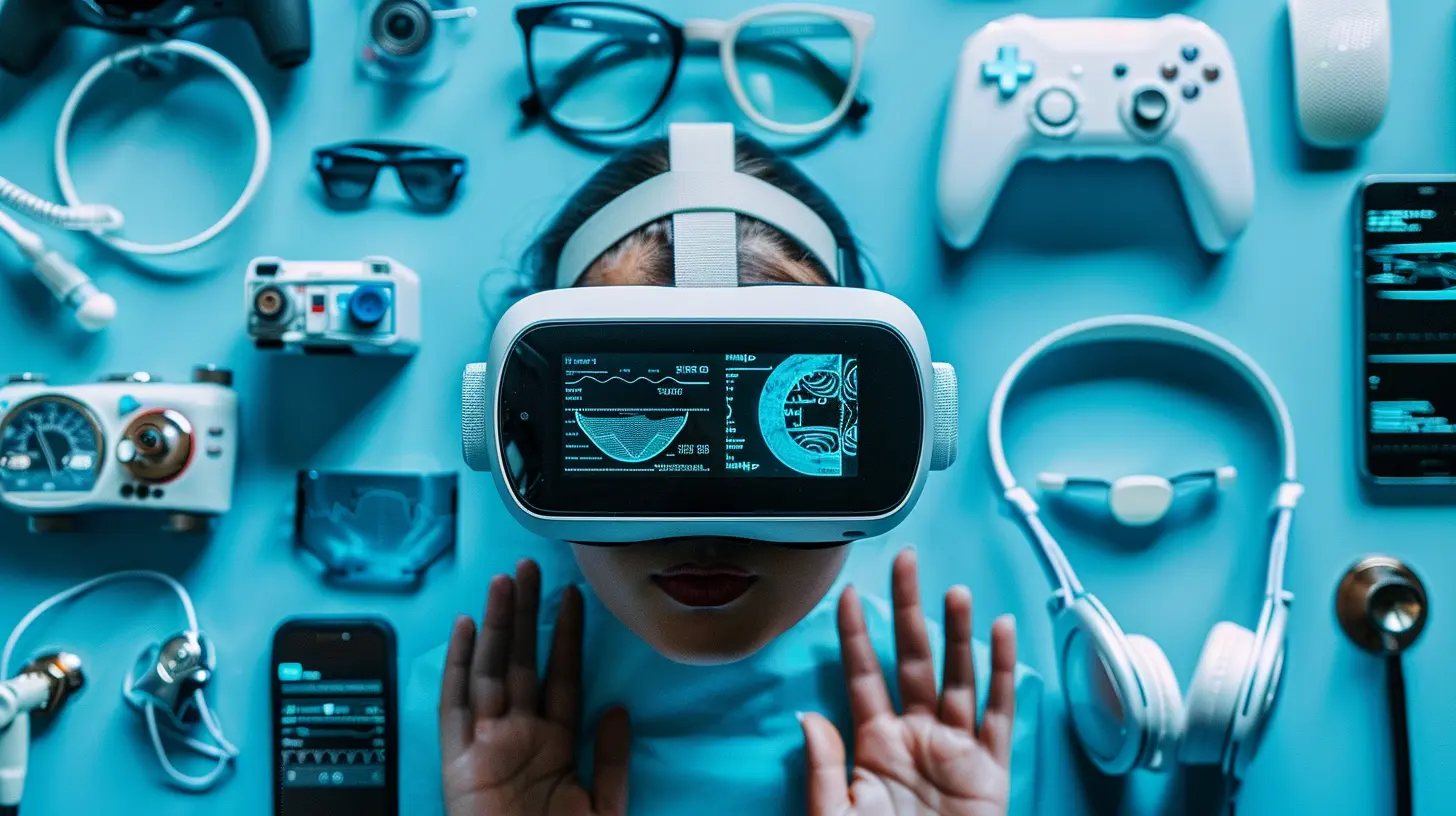
Managing Chronic Diseases: One Ping at a Time
Let’s talk about chronic illness. It’s not glamorous, it’s not fun, and managing it can be a full-time job. But wearable tech? It’s acting like the ultimate personal assistant to help patients stay on top of things.💉 Diabetes Management on Autopilot
Managing diabetes can feel like playing health math 24/7—checking blood sugar levels, calculating insulin doses, and timing meals just right. Continuous glucose monitors (CGMs), like those from Dexcom and FreeStyle Libre, have made life a whole lot easier.These tiny sensors sit on your skin and continuously track your glucose levels, sending alerts when your numbers go too high or too low. Some even integrate with insulin pumps to adjust doses automatically. It’s like cruise control for diabetes.
🧠 Mental Health Gets a Digital Sidekick
Mental health often flies under the radar. But wearables are shining a light on stress, anxiety, and sleep disorders by measuring things like heart rate variability, sleep patterns, and even electrodermal activity (a fancy term for how much you’re sweating).Devices like the Muse headband or the Fitbit Charge use this data to nudge users toward stress-reducing practices like mindfulness or better sleep hygiene. They might not replace a therapist, but they sure can complement one.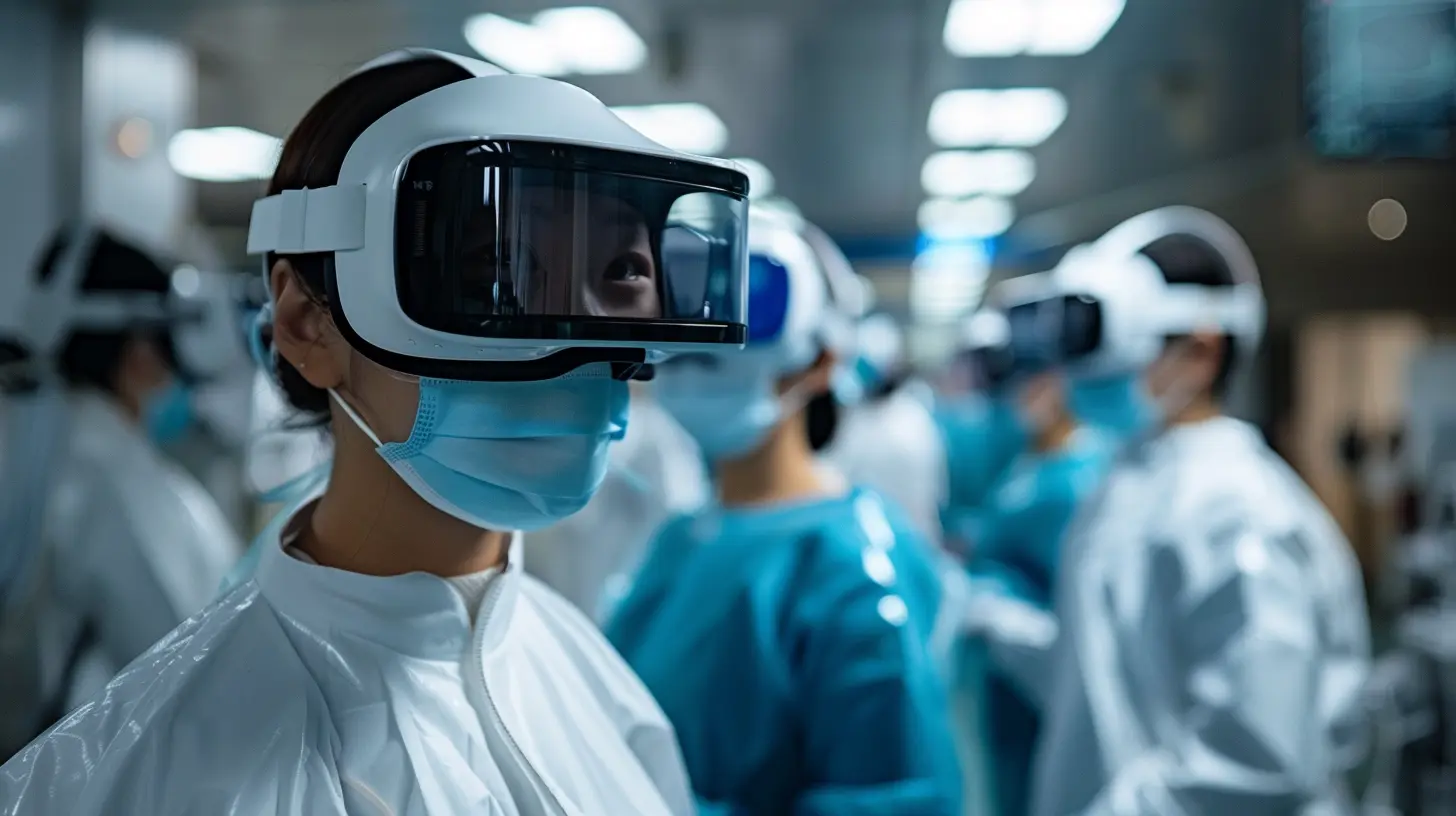
Real-Time Data = Real-Time Decisions
One of the biggest breakthroughs in wearable tech is access to real-time health data. In the past, patients had to wait for appointments to get a diagnosis. Now? Doctors can have eyes on their patients 24/7—without anyone stepping into a clinic.That’s a game-changer for:
- Post-surgery monitoring
- Identifying early signs of complications
- Preventing hospital readmissions
- Managing elderly care from afar
In short, it’s turning reactive medicine into proactive care.
Telemedicine’s BFF: Wearables and Virtual Health
Remote consultations became the norm during the pandemic—and let’s be real, many of us aren’t in a rush to go sit in a waiting room again. But telemedicine wouldn’t be half as effective without wearables tagging along.Imagine having a virtual visit with your doctor while your wearable shares your vitals in real time. Blood pressure? Check. Heart rate? You got it. Blood oxygen? Yep, that too.
Wearables practically hand your doctor a digital dashboard of your body. It’s like bringing your check-up to your couch.
Empowering Patients: You’re in Control Now
Perhaps the biggest cultural shift that wearable tech is pushing? It’s handing over the reins to the patient.Instead of relying solely on doctors for answers, people can now track, understand, and even predict their own health patterns. It’s democratizing healthcare in the coolest way possible.
Data is power—and wearable tech is putting that power right on our wrists.
The Quirky Side of Medical Wearables: It’s Not All Serious
Of course, wearable tech’s journey into the medical field comes with a few unexpected—and kinda hilarious—twists.🐕 Poop Predictors for Pets
Yup, they’re making wearables for pets too. Some smart collars can detect health issues based on your dog's poop schedule and bathroom habits. Go ahead, try not to giggle.👟 Smart Insoles That Judge Your Walk
Some wearables go in your shoes and analyze your gait to help with physical therapy. Basically, your shoes can now tell if you’re walking weird. They’re judging you—but it’s for your own good.What’s Holding Wearables Back?
Okay, it’s not all rainbows and real-time alerts. There are some speed bumps on the road to wearable health utopia.🔋 Battery Life Blues
Most wearables are awesome… until you forget to charge them. Just when you’re starting to see a health trend, your device dies. The struggle is real.🔒 Privacy Paranoia
Your wearable knows your heartbeat, your sleep schedule, and maybe even when you’re stressed out. That’s a lot of personal data floating around. There are legit concerns about who gets access to it and how it’s used.🏷️ Cost and Accessibility
High-tech wearables aren’t exactly cheap. While prices have come down, not everyone can afford to spend hundreds of dollars on a smart health tracker. Plus, insurance coverage is still spotty at best.The Future: Think Smaller, Smarter, and More Invisible
Looking ahead, wearable medical tech is going micro—like “stick it to your skin and forget about it” micro.Think:
- Patch-sized health monitors
- Implantable glucose sensors
- Smart contact lenses that track eye pressure (hello, glaucoma monitoring!)
We’re probably not that far from swallowable sensors that send data from your gut. Yeah, it’s weird. But also crazy cool.
Wrap-Up: Tech and Medicine Are Making Magic Together
So, what’s the takeaway here? Wearable tech is no longer just about being fit or counting steps. It’s about being proactive, staying informed, and having a digital safety net that could literally save lives.From heart health to mental wellness, from chronic illness to pet poop monitoring (we had to go there again), wearable devices are changing how we think about healthcare.
And even though there are still some obstacles—battery life, price, privacy—it’s clear that we’re on the brink of a health revolution. Wearables are bridging the gap between medical professionals and patients, offering real-time insights and empowering people to take charge of their own health journeys.
So, next time you glance at your smartwatch or fitness band, remember: that little gadget might just be the future of medicine… right on your wrist.
all images in this post were generated using AI tools
Category:
Wearable DevicesAuthor:

Michael Robinson
Discussion
rate this article
2 comments
Remi Allen
Wearable technology is transforming healthcare by enabling continuous monitoring of vital signs, enhancing patient engagement, and facilitating early diagnosis. These innovations not only improve patient outcomes but also streamline workflows for healthcare professionals, demonstrating the immense potential of tech in modern medicine. Exciting times ahead!
April 7, 2026 at 12:03 PM
Michael Robinson
Absolutely! Wearable tech is truly a game changer, making healthcare more proactive and efficient. The potential is limitless.
Gavin McIlwain
Who knew that counting steps could lead to saving lives? With wearable tech, we’re not just getting fit; we’re one heartbeat away from a medical revolution—now that’s a wearable win!
March 18, 2026 at 3:20 AM
Michael Robinson
Absolutely! Wearable tech is transforming health monitoring and prevention, making it a game changer in proactive healthcare.