How Wearable Tech is Transforming the Fashion Industry
16 June 2026
We’re living in a time where fashion doesn’t just walk the runway—it talks, tracks, and even lights up the room (literally). The line between tech and textiles is blurring faster than ever, and wearable technology is at the heart of this exciting shift. From smartwatches checking your heart rate to jackets that charge your phone, today’s fashion is just as much about function as it is about flair.
But how deep does this transformation go? And what does it mean for designers, techies, and fashion lovers alike? Let’s dive into this fascinating fusion of circuits and style.
What Exactly is Wearable Tech?
Before we dig deeper, let’s get on the same page. Wearable tech basically refers to electronic gadgets that you can wear—on your wrist, neck, torso, feet, even in your clothes—that perform smart functions. Think fitness trackers, smart glasses, or jackets with built-in heating.These gadgets usually link up with smartphones or other devices to give you real-time data or added functionality. But here’s the kicker—it’s no longer just about what these devices do. It’s about how they look while doing it.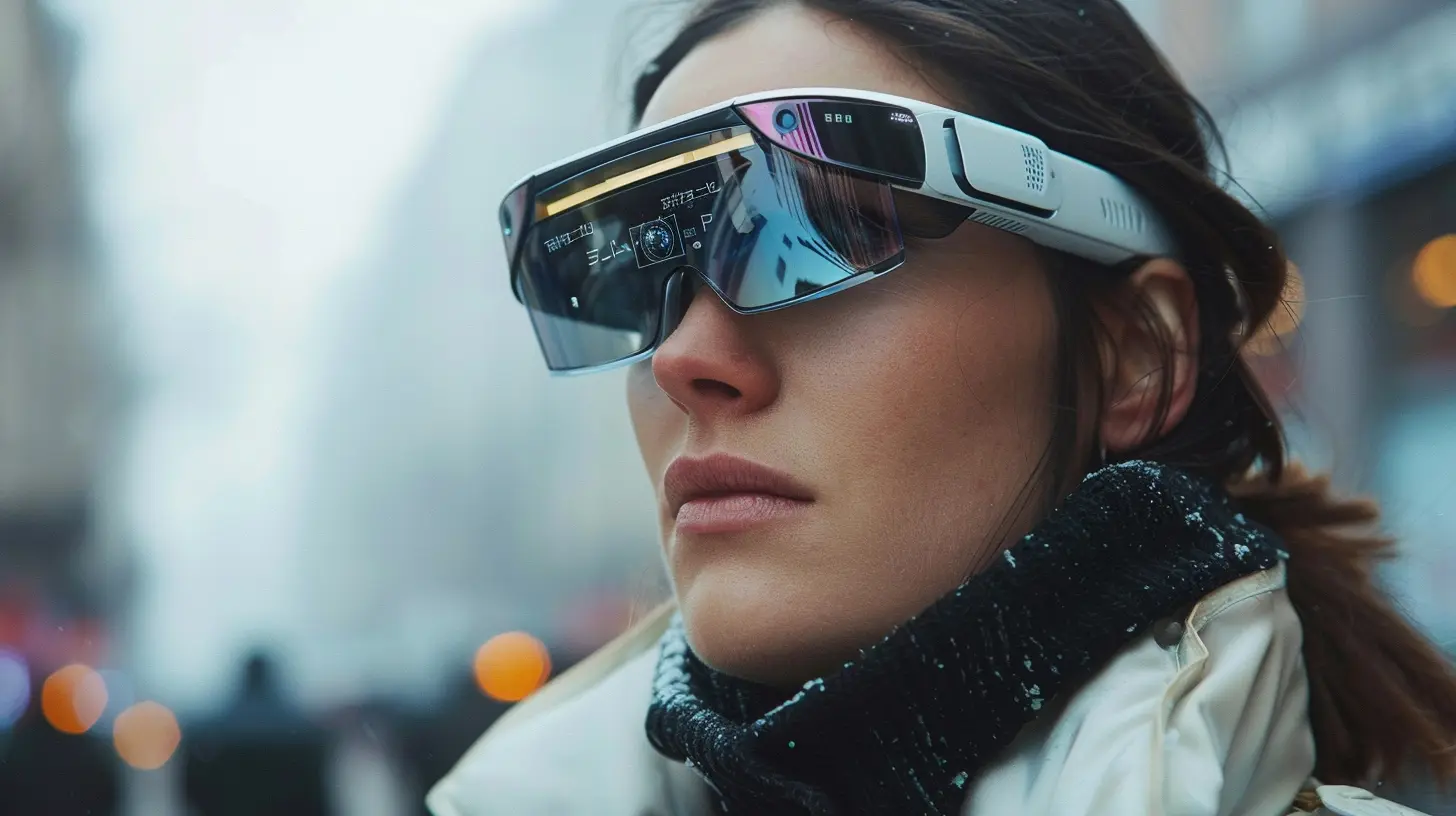
The Marriage of Fashion and Technology
You might think of tech gear as bulky, rigid, or just plain geeky. But today’s wearable tech is challenging that stereotype in a big way. Gone are the days when functionality meant sacrificing aesthetics.Now, designers and engineers are coming together like never before. We’re seeing smartwatches that double as luxury accessories, heated jackets that look runway-ready, and even dresses that react to your mood or environment. It’s not just smart—it’s stylish.
Honestly, who wouldn’t want a piece of clothing that adapts to your body and the weather in real-time?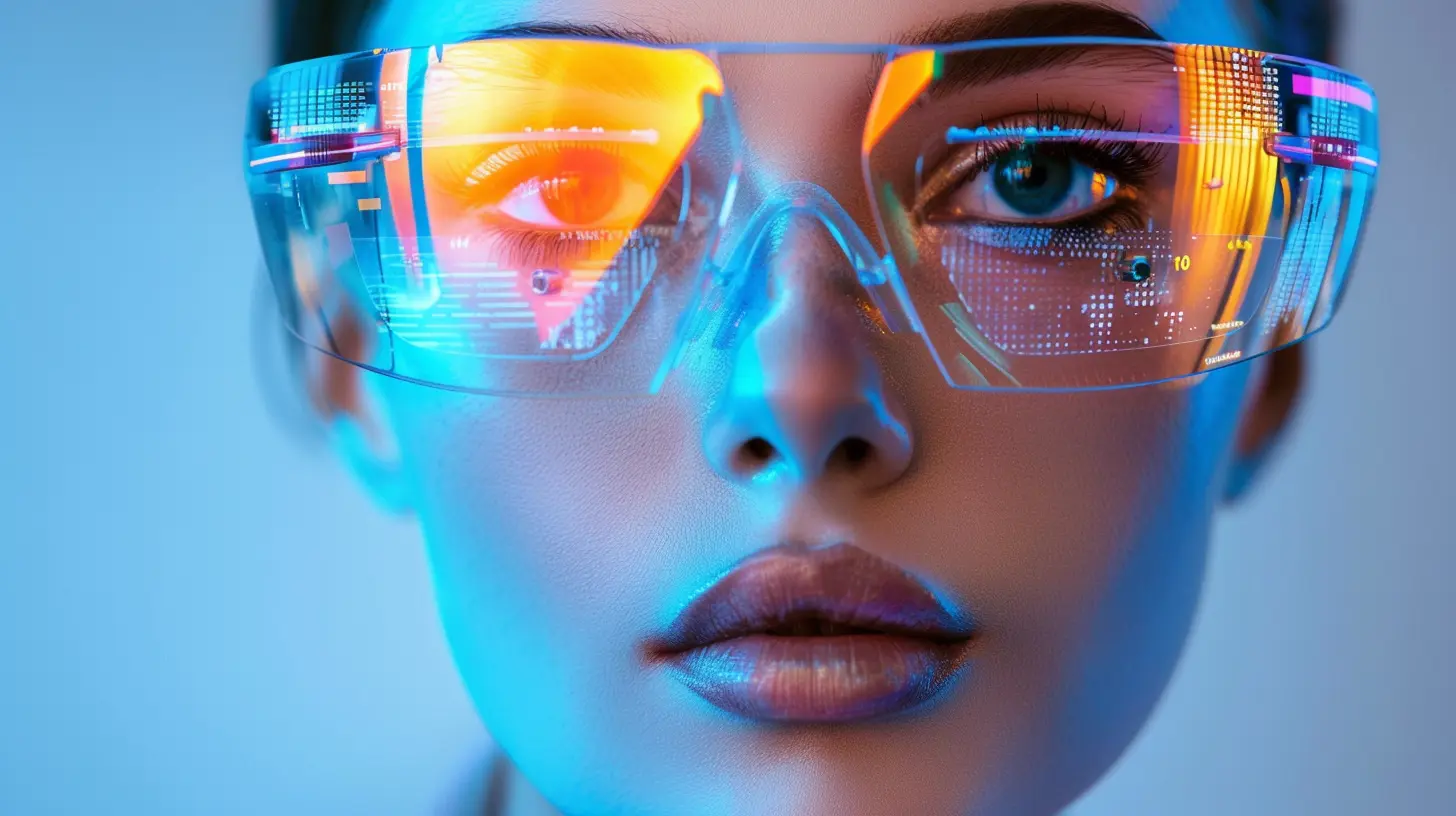
The Rise of Smart Fabrics and Textiles
Let’s talk materials, because that’s where a lot of the magic happens.Smart textiles are at the core of the wearable tech revolution. These fabrics are embedded with digital elements—like sensors and conductive threads—that can sense, react, or even communicate data.
Imagine this:
- A yoga top that corrects your posture by giving gentle feedback.
- A running shirt that measures your vitals and uploads them to your fitness app.
- Jeans that unlock your phone as you walk up to it.
Pretty sci-fi, right? But it’s happening now, and it’s turning our wardrobes into walking data hubs.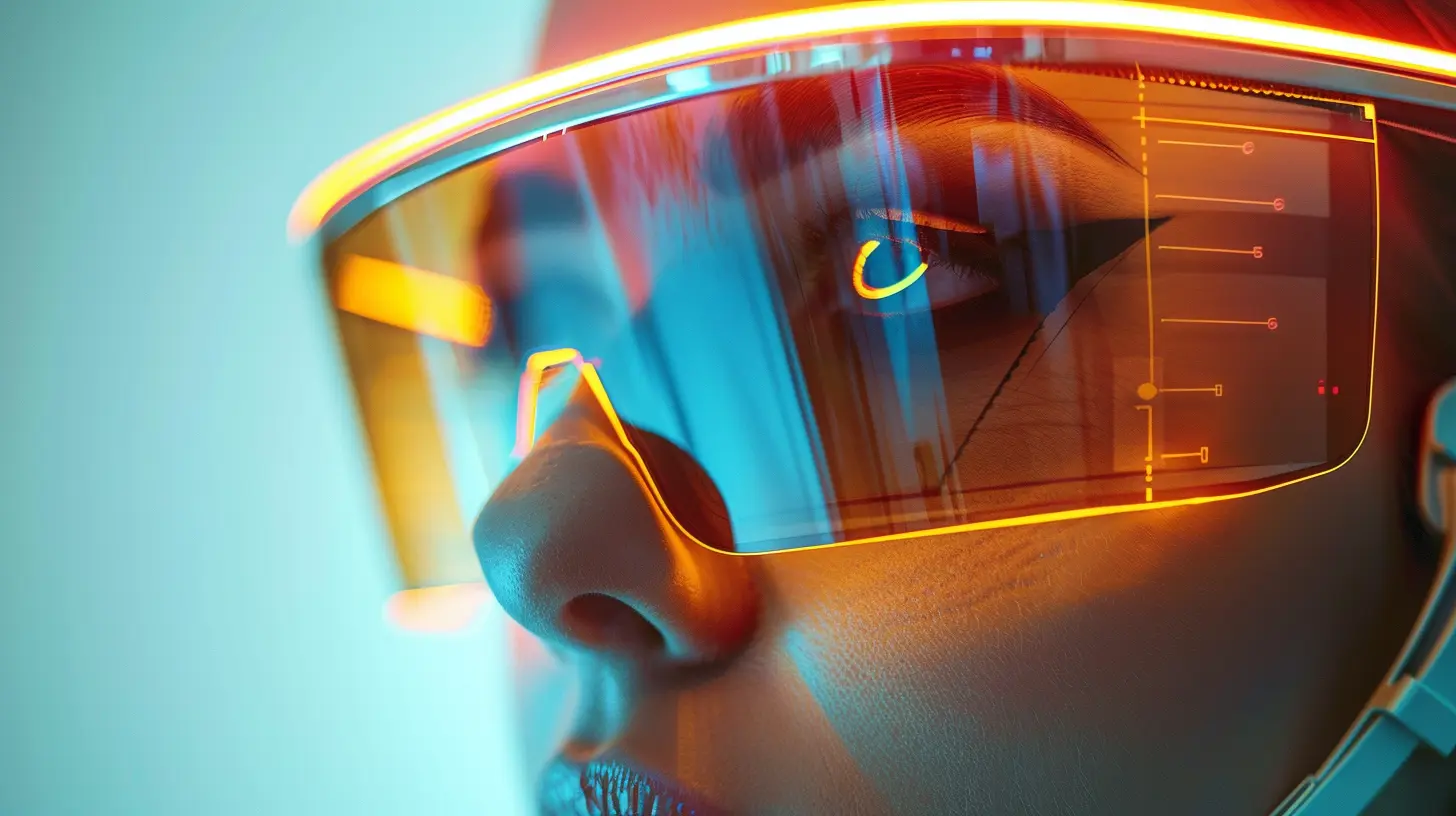
High Fashion Meets High Tech
It’s not just sportswear or casualwear getting a smart upgrade. Even high-end fashion houses are jumping in.Let’s take a walk down memory lane:
- In 2016, Zac Posen debuted a glowing gown powered by LEDs and Intel technology. Yep, a real light-up dress.
- Ralph Lauren released the PoloTech shirt that monitors biometric data and syncs to an iPhone app.
- Google and Levi’s partnered on the Jacquard project—a touch-sensitive denim jacket that lets wearers control music or get directions with a swipe on the sleeve.
Designers like Anouk Wipprecht push the envelope even further with dresses that respond to the environment. Her "Spider Dress" actually uses proximity sensors to defend your personal space. Creepy? Maybe. Cool? Absolutely.
Health and Wellness: Tech Woven with Purpose
Let’s be honest—we’re all a little health-obsessed these days. Wearable tech in fashion is tapping into this trend in a major way. Think garments that don’t just look good but actually help improve your well-being.Examples? Oh, plenty:
- Sports bras that monitor breathing patterns to optimize workouts.
- Socks embedded with pressure sensors to prevent foot injuries in diabetics.
- Sleepwear that tracks rest cycles and offers tips for better sleep.
Wellness is no longer just about going to the gym—it’s now seamlessly sewn into what we wear.
Customization is King
This is where wearable tech really shines. One-size-fits-all? Not anymore.With smart fashion, we’re entering a world of hyper-personalization. Outfits can adapt to your environment, your body, and even your habits.
Picture this: You’re walking to the office, and your jacket senses a drop in temperature and heats up just enough to keep you cozy. Or you’re out for a night on the town, and your smart bracelet changes colors to match your outfit—or your mood.
It’s like having a personal stylist and life assistant built into your wardrobe. Who wouldn’t want that?
Sustainability: Smart and Responsible
Here’s something else to love—wearable tech might just make fashion more sustainable.How? Well, tech-infused garments can actually reduce waste. Instead of buying a new outfit for every occasion, imagine wearing something that can transform its look with a tap on your phone. More reusability, less consumption.
Add in self-cleaning fabrics, clothes that monitor wear-and-tear, and you’ve got gear that lasts longer and wastes less.
And with data tracking, fashion brands can also better understand what consumers actually wear, rather than just what they buy. That means less overproduction and smarter inventory.
The Challenges Wearable Tech Faces
Okay, it’s not all glitter and glowing garments. Wearable tech in fashion has its hurdles.First off, battery life is a real pain point. Nobody wants to recharge their shirt every day.
Then there’s durability. Can that smart lining survive the washing machine? (Spoiler: not always.)
And let’s not forget privacy. When your clothes are collecting data, who owns that info? And how protected is it?
But here’s the thing—these are growing pains. And as tech becomes more embedded into the fabric of our lives (pun totally intended), these problems are being tackled head-on.
Wearable Tech on the Runway and Beyond
Runways are evolving into digital showcases. Augmented reality (AR) fashion shows are already a thing. Imagine watching models walk in smart clothing while live stats flash on screen showing how each garment adapts to temperature, movement, or even emotional states.Retailers are catching on too. Smart mirrors in stores now show you different sizes, styles, and colors without you having to change. Virtual try-ons using wearables can create entire wardrobes based on your preferences and body measurements.
Fashion isn’t just something you wear. It’s becoming an experience. And wearable tech is the key to that transformation.
What's Next in Smart Fashion?
The future? Let’s just say it’s looking pretty wild—in a good way.Expect to see more seamless, invisible tech. We're moving past obvious gadgets toward garments that just look like regular clothes—but with superpowers.
- Think AI-infused fashion assistants that give you real-time suggestions.
- Clothes that morph style or shape based on calendar events.
- Outfits that adjust your posture or alert you to dehydration.
- Even garments that clean themselves (finally!).
And with the rise of the metaverse, digital fashion—combined with real-world wearables—will take personalization and interactivity to new heights.
Final Thoughts: A Fashion Revolution in the Making
Wearable tech is not just a fad. It’s a full-blown revolution reshaping the way we think about clothes. It’s no longer enough for fashion to look good—it has to do good, feel good, and be smart.If you’ve ever thought tech was just the domain of computer geeks, think again. The runway has officially gone digital, and wearable tech is the star of the show.
So next time you put on your favorite jacket or slip on those sneakers, ask yourself—what if your outfit could do more?
Because in the not-so-distant future, it just might.
all images in this post were generated using AI tools
Category:
Wearable DevicesAuthor:

Michael Robinson
Discussion
rate this article
1 comments
Octavia Dorsey
As wearable tech merges with fashion, it sparks a dialogue about identity and self-expression. The intersection challenges traditional aesthetics, inviting us to rethink what it means to be stylish.
July 14, 2026 at 4:57 AM
Michael Robinson
Absolutely. Wearable tech is reshaping how we think about style and identity, pushing boundaries and encouraging creativity in fashion. It's an exciting time for self-expression.