Next-Gen Task Managers Everyone Will Be Talking About in 2026
16 April 2026
Let’s be honest: our current to-do lists are failing us. You’ve got the app, I’ve got the app—we’re all color-coding, subtasking, and setting reminders, yet that mountain of obligations never seems to shrink. It feels like we’re using a paper map in the age of satellite navigation. The digital task managers of today are often just fancy, syncing checklists. But what if your task manager could think? What if it didn’t just store your "what" but understood your "why," your energy, and even the unpredictable chaos of your day? By 2026, the very concept of a task manager is set for a revolution that moves from passive tracking to active partnership. Let’s dive into the future.
The Great Unlearning: Why Today’s Tools Are Hitting a Wall
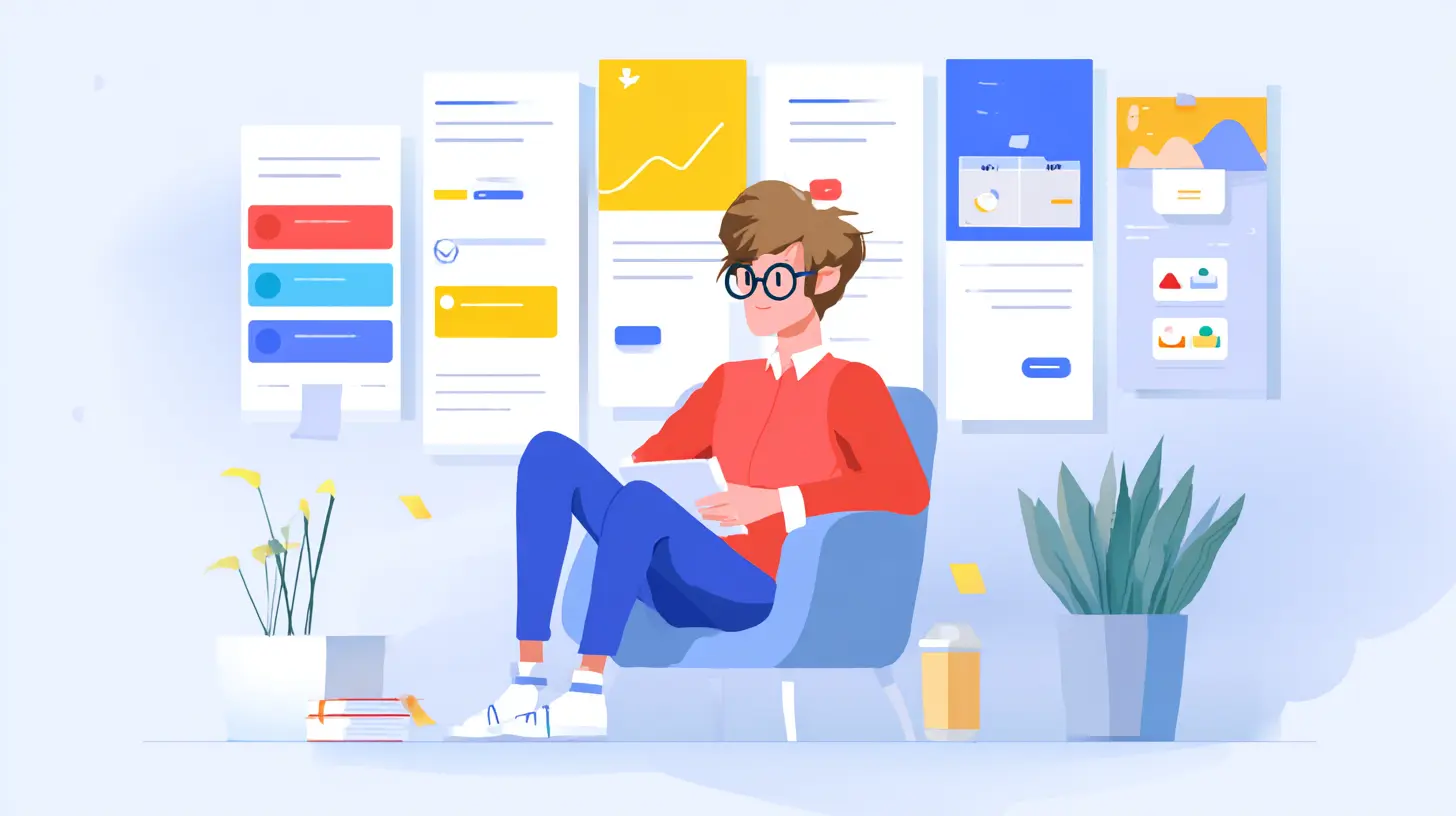
We need to understand the cracks in the foundation before we appreciate the new blueprint. Most current task managers operate on a factory-era model: input tasks, process them in order, output completion. It’s linear. But human life and modern knowledge work are anything but. We context-switch constantly, our creative energy ebbs and flows, and priorities can be overturned by a single email.The core issue is context blindness. Your app knows you have "Write Q3 report" and "Pick up dry cleaning," but it has no idea that the first requires 90 minutes of deep focus and the second is a 5-minute kinetic break. It treats them as equal items to be checked off. This leads to what I call "productivity guilt"—the crushing feeling when you’ve checked off ten small, mindless tasks but left the one big, meaningful one languishing. The next generation isn’t about more features; it’s about more intelligence and a deeper, almost intuitive, understanding of you.
The Pillars of the 2026 Task Manager Revolution
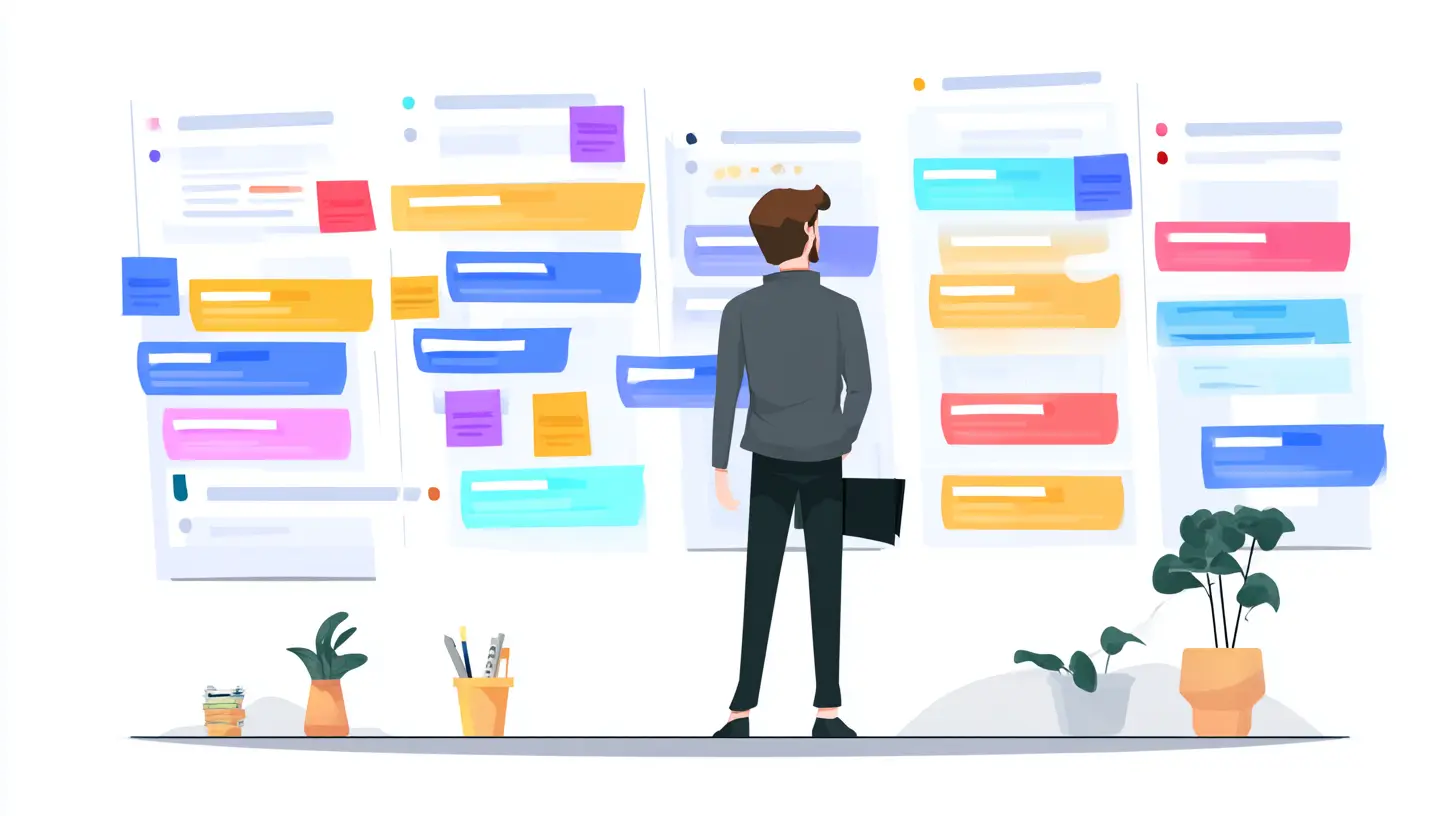
So, what will define the tools that break the cycle? They’ll be built on several interconnected pillars that move beyond the list.1. The Context-Aware Co-Pilot
Imagine a task manager that doesn’t just sit there waiting for orders. It observes. It learns. By 2026, AI won’t be a buzzword slapped onto a notification; it will be the core engine. This co-pilot will analyze your calendar, communication patterns (with permission, of course), and even the type of work you’re doing in different apps.Here’s how it might work: You have a task "Draft project proposal." Your 2026 manager knows from past data that you write best in the late morning, that this proposal usually requires referencing files in your cloud drive and past email threads with the client. Instead of a dead task, it becomes a live session. At 10:30 AM, it gently surfaces the task, pre-opens the relevant documents and emails in side-panels, sets your communication apps to "Focus Mode," and suggests a time block. It’s not managing tasks; it’s managing your attention and context.
2. Energy & Flow State Alignment
This is the game-changer. The next-gen managers will integrate with biometric data from your wearable—not in a creepy way, but in a supportive one. It will learn your personal rhythms. Are you a morning analytical thinker but an afternoon creative brainstormer? Does your focus dip after 2 PM?The tool will then intelligently schedule tasks based on your cognitive fuel, not just arbitrary deadlines. That demanding financial analysis? It gets slotted for your peak focus window. The brainstorming session for new marketing slogans? It gets your post-lunch creative surge. It will literally map your tasks to your biological and mental topography, turning a flat list into a 3D landscape of your productive potential.
3. Predictive & Proactive Orchestration
Today, you manually input almost everything. Tomorrow, your manager will predict and propose. By scanning your emails, meeting notes, and commitments, it will generate draft tasks: "Based on the email from Sarah, you likely need to ‘Send updated contract by Friday.’ Confirm?" It will see a meeting titled "Q4 Planning Kick-off" on your calendar and automatically generate a preparatory task block the day before.Furthermore, it will understand dependencies—not just between tasks, but between people. If "Approve design mockups" is waiting on Mark from design, your manager could nudge you with, "Mark just completed his focus block. Good time to send a reminder?" It becomes a central nervous system for collaborative work.
4. The Unified Work Hub: The End of App-Switching
We waste a staggering amount of mental energy and time jumping between tabs and apps: task manager, document editor, communication Slack, calendar, file repository. The 2026 task manager aims to be the unified cockpit.The task is the workspace. Clicking on "Complete slides for keynote" opens a focused environment where the presentation deck is open, relevant research links are pinned, the brief from your boss is in a sidebar, and a chat thread with your collaborator is accessible—all within the same interface. This isn’t just convenience; it’s cognitive preservation. It defends your focus from the tyranny of a dozen open tabs.
5. Outcome-Oriented, Not Task-Oriented
We will move from checking off "to-dos" to tracking progress toward "outcomes." Your projects won’t be a pile of subtasks but connected to a higher-level goal. The interface might visualize how today’s work—"finalize user interview script"—contributes to the quarterly objective of "improving user onboarding satisfaction by 15%."This shifts the psychology from busyness to impact. It answers the soul-crushing question, "Why am I even doing this?" by visually connecting the daily grind to a meaningful destination. The manager becomes a strategy map, not just a grocery list.
A Day in the Life: 2026
Let’s paint a picture. It’s a Tuesday in 2026. Your day doesn’t start with you staring blankly at a list. Your task manager has already prepared a Dynamic Daily Plan.* 7:30 AM: On your commute, it gives you an audio summary: "Good morning. Today’s deep work priority is the product spec, best tackled in your 9-11 AM focus window. You have two collaborative meetings in the afternoon. I’ve blocked 30 minutes post-lunch for prep. Your energy data suggests a good day for decision-making."
* 9:00 AM: You sit down. Your cockpit is already set for "Draft Product Spec." Relevant user stories, analytics dashboards, and the engineering lead’s latest comments are pre-loaded in panels.
* 11:30 AM: The tool detects you’re flagging (maybe via keystroke rhythm or wearable data). It suggests: "Time for a break? You have the low-context ‘Submit expense report’ task. Good palette cleanser before your 1 PM lunch."
* 3:00 PM: Before your brainstorming meeting, it surfaces the project’s goal and past ideas. During the meeting, it listens (with consent) and generates action items, assigning them directly to attendees.
* 5:00 PM: Instead of an unfinished list, you get a recap: "You completed 85% of your planned deep work. The spec is in review. Three waiting-for tasks are with others; I’ve scheduled follow-ups. Tomorrow’s forecast looks clear for creative work."
The feeling isn’t of frantic checking-off, but of guided, intentional progress.
The Challenges on the Horizon
This future isn’t without its shadows. Data privacy will be paramount. These tools will require immense trust. The winning platforms will be transparent about data use, likely offering powerful on-device processing. Over-reliance is another risk—we can’t let our cognitive muscles atrophy. The goal is augmentation, not replacement. Finally, there’s digital equity. Will these powerful, AI-driven tools create a gap between those with access and those without?Getting Ready for the Shift
You don’t have to wait until 2026 to start thinking this way. Begin now:* Focus on Outcomes: For each task, ask, "What is this for?"
* Audit Your Energy: Track your own peaks and troughs for a week.
* Embrace Integration: Use tools that connect your calendar, communication, and tasks, even clumsily. It’s practice for the seamless future.
* Value Context: When planning, consider the mental mode a task needs, not just its duration.
The next-generation task manager is evolving from a simple ledger into a Chief Focus Officer. It’s a proactive, intuitive partner designed to navigate the complex reality of human work. By 2026, we won’t be talking about apps that help us check things off. We’ll be talking about intelligent systems that help us find clarity, preserve our mental energy, and connect our daily efforts to what truly matters. The conversation will shift from "How do I get more done?" to "How do I do the right things, at the right time, in the right way?" And that’s a future worth organizing for.
all images in this post were generated using AI tools
Category:
Productivity AppsAuthor:

Michael Robinson
Discussion
rate this article
2 comments
Gabriella McCarthy
This article sparks my curiosity! I'm eager to explore how AI and automation will reshape our daily productivity in task management. What innovative features are you most excited about, and how do you envision them transforming our workflows?
April 20, 2026 at 3:54 AM
Michael Robinson
Thanks for the great question! I'm most excited about AI that *proactively* suggests task sequences and automates routine decisions—so your to-do list starts organizing itself. In 2026, I envision workflows shifting from manual tracking to AI-driven flow states, where the tool adapts to your energy and priorities in real time.
Ramona Curry
Excited to see these innovations in action!
April 19, 2026 at 10:34 AM
Michael Robinson
Thanks for your enthusiasm! It's going to be an exciting shift.