Solar Battery Innovations: Extending the Life of Renewable Energy Systems
7 August 2026
When we think about renewable energy, the first things that typically come to mind are solar panels and wind turbines. They're the poster children of green energy, after all. But let’s take a moment to consider the unsung hero in the renewable energy world—solar batteries. These bad boys are quietly revolutionizing how we store and use energy from the sun, and, spoiler alert, they’re getting better by the day.
In this article, we’ll dive into the latest solar battery innovations that are extending the life of renewable energy systems. We'll explore how these advancements are not only helping us store more energy but also making it last longer and work more efficiently. So, if you're as excited as I am about the future of energy storage, let’s get into it!

The Role of Solar Batteries in Renewable Energy Systems
Before we get into the cool innovations, let’s make sure we’re on the same page about what solar batteries actually do. Solar panels are great for capturing energy from the sun, but they can’t store it. That’s where solar batteries step in. These batteries store excess energy produced by solar panels, allowing you to use it when the sun isn’t shining—like during the night or on cloudy days.Without storage solutions like solar batteries, a lot of the energy generated by renewable sources would go to waste. And no one likes waste, right? Plus, solar batteries help smooth out power fluctuations, making renewable energy systems more reliable.
But here’s the catch: traditional solar batteries, like the ones we’ve been using for years, have their limitations. They lose efficiency over time, they can be bulky, and they aren’t always the most cost-effective solution. That’s why researchers and companies are working hard on innovating solar battery technology to make it more efficient, durable, and, well, just plain better.
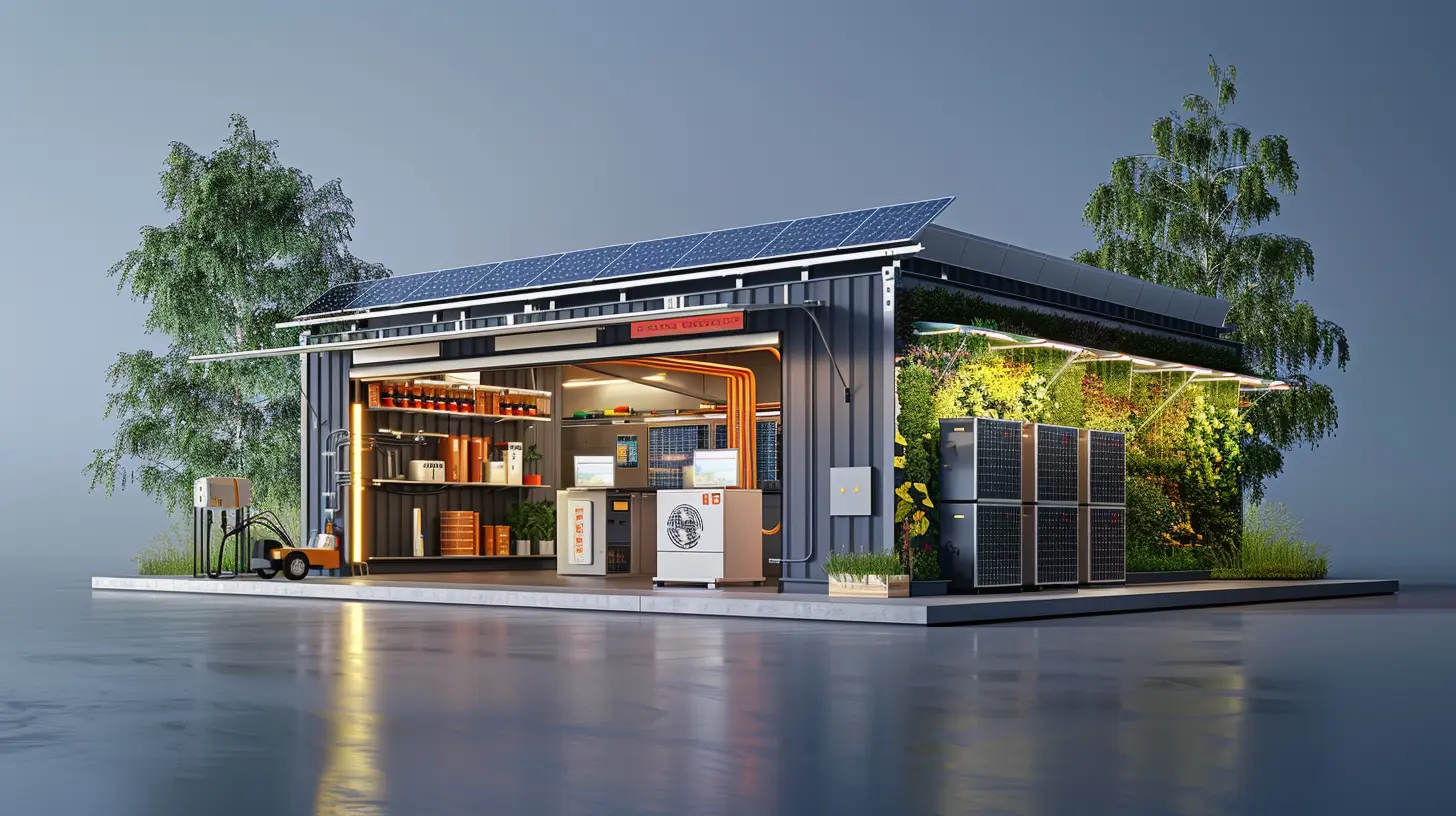
Why Solar Battery Innovations Matter
Okay, so why should you care? Solar battery innovations are crucial because they directly affect how much renewable energy we can actually use. The more efficient and long-lasting the batteries, the more energy we can store and utilize. This means less reliance on fossil fuels and a more sustainable future.Plus, consider this: as solar energy becomes more widespread, the demand for better battery tech is skyrocketing. It’s like we’re all trying to fit more apps on our smartphones without upgrading the storage. We need bigger, better, and faster solutions. Thankfully, the tech world is responding with some pretty amazing innovations.

Game-Changing Solar Battery Innovations
Now, let’s get to the good stuff. The following innovations are set to change the game when it comes to energy storage.1. Solid-State Batteries: The Future Is Solid
One of the most talked-about innovations in the battery world right now is solid-state batteries. Traditional batteries, like the lithium-ion ones found in most solar setups, use a liquid electrolyte to transport ions between the battery’s anode and cathode. But in solid-state batteries, that liquid is replaced with a solid material.Why is this a big deal? Solid-state batteries are more efficient, have a longer lifespan, and are far less prone to overheating and catching fire. They also have a higher energy density, meaning they can store more energy in a smaller space—perfect for home solar energy systems where space might be limited.
It’s like upgrading from a clunky desktop computer to a sleek, powerful laptop. You get all the performance without the bulk.
2. Lithium-Sulfur Batteries: More Power, Less Cost
Lithium-ion batteries have been the go-to for years, but they might soon be eclipsed by lithium-sulfur (Li-S) batteries. What's the hype about? Lithium-sulfur batteries have a higher energy density and are cheaper to produce. More energy for less money? Sign me up!The catch? Lithium-sulfur batteries have historically had a shorter lifespan, but recent advancements are addressing this issue. Researchers are developing new ways to stabilize these batteries, extending their life and making them a more viable option for long-term energy storage.
Imagine running a marathon. You could sprint and burn out quickly, or pace yourself and last the distance. Lithium-sulfur batteries are learning to pace themselves, and it's paying off.
3. Redox Flow Batteries: Energy on Tap
Redox flow batteries are another exciting innovation that could transform the way we store solar energy. These batteries use liquid electrolytes stored in external tanks, meaning you can scale them up or down depending on how much energy you need to store. Need more energy? Just get a bigger tank!This flexibility makes redox flow batteries particularly interesting for large-scale renewable energy projects, like solar farms. But they’re also making their way into residential systems. With their long lifespan and ability to store large amounts of energy, redox flow batteries are like having a reservoir of solar energy that you can tap into whenever you need it.
4. Second-Life EV Batteries: A New Lease on Life
Electric vehicle (EV) batteries have a limited lifespan in cars, but that doesn’t mean they’re useless once they’re replaced. In fact, these “second-life” EV batteries can be repurposed for solar energy storage. After all, they can still hold a decent charge, even if they’re no longer suited for the high demands of a vehicle.Repurposing EV batteries for solar storage does two things: it reduces waste and provides a more affordable option for homeowners looking for a solar battery solution. It’s like giving a retired racehorse a new job as a trail pony—it’s still got plenty of energy left, just maybe not for racing.
5. Graphene-Based Batteries: The Supermaterial Solution
Graphene has been hailed as a “supermaterial” for a while now, and it’s finally making its way into solar batteries. This wonder material is incredibly strong, lightweight, and has excellent electrical conductivity.Graphene-based batteries charge faster, have a longer lifespan, and can store more energy than traditional lithium-ion batteries. Plus, they’re more environmentally friendly to produce, which is always a win when we’re talking about renewable energy.
It’s like swapping out your regular old bicycle for a shiny new electric one—you get all the benefits with a fraction of the effort!
6. Sodium-Ion Batteries: A Cheaper Alternative
One of the downsides of lithium-ion batteries is that lithium isn’t exactly abundant or cheap. Enter sodium-ion batteries. Sodium is much more plentiful and easier to source, which makes sodium-ion batteries a more affordable option.While they don’t yet match the energy density of lithium-ion batteries, sodium-ion technology is improving rapidly. These batteries are also more stable and less prone to overheating, which is a big plus when it comes to safety.
Think of it like switching from expensive gourmet coffee to a high-quality, budget-friendly blend. You still get your caffeine fix, but you’re not breaking the bank.
7. Perovskite Solar Cells with Integrated Storage
Okay, this one’s a bit of a two-for-one deal. Perovskite solar cells are a newer type of solar panel that’s cheaper and more efficient than traditional silicon panels. But here’s the real kicker: researchers are working on integrating energy storage directly into these solar cells.This means that instead of having separate solar panels and batteries, you could have a single system that both generates and stores energy. It’s a game-changer for space-saving and efficiency. Imagine having a phone with a built-in power bank—convenient, right?

Challenges and the Road Ahead
While all these innovations are super exciting, they’re not without their challenges. Many of these technologies are still in the development or early commercialization stages, and it’ll take time for them to become widely available and affordable.Plus, integrating new battery technologies into existing renewable energy systems can be complex and costly. It’s not as easy as just swapping out your old battery for a new one. There’s also the issue of recycling and disposal—how do we ensure that these new batteries don’t contribute to environmental waste down the line?
That said, the future of solar battery tech looks bright (pun intended). As more research is conducted and more companies invest in these innovations, we’re likely to see rapid advancements in the coming years.
Wrapping It Up: A Bright Future for Solar Batteries
So, there you have it—a glimpse into the future of solar battery innovations. From solid-state batteries to graphene-based solutions, the advancements we’re seeing are poised to transform the way we store and use renewable energy. These innovations are making solar energy more efficient, more reliable, and more accessible to people around the world.As we continue to push the boundaries of what’s possible with renewable energy, solar batteries will play a critical role. Whether you’re a homeowner looking to go off-grid or someone just interested in the future of energy, it’s an exciting time to be watching the world of solar battery technology.
all images in this post were generated using AI tools
Category:
Renewable EnergyAuthor:

Michael Robinson
Discussion
rate this article
1 comments
Mateo McClellan
Solar battery innovations are crucial for maximizing renewable energy efficiency. By enhancing storage capabilities, they not only extend system life but also promote sustainable energy use for the future.
August 7, 2026 at 4:20 AM